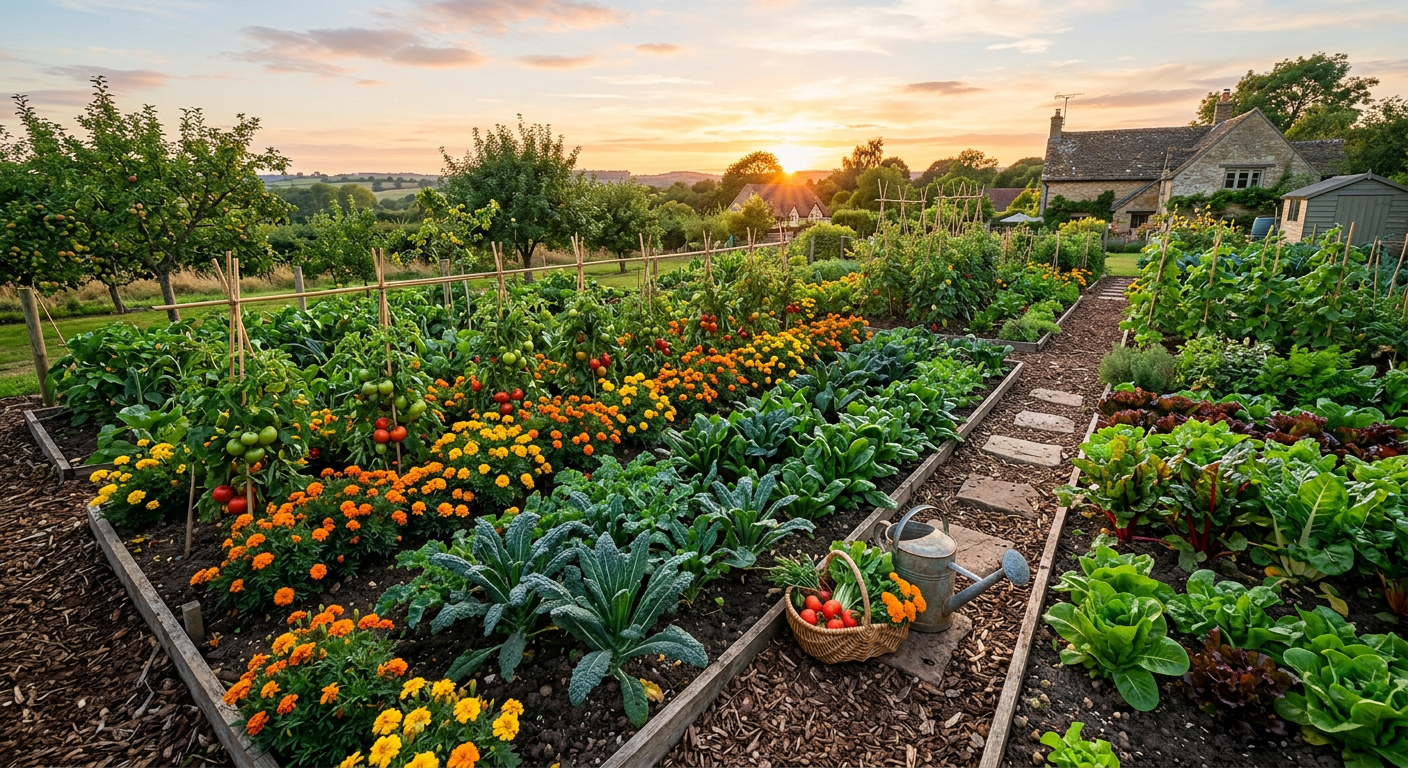
I can still feel the sick twist in my stomach from that first summer on the homestead. My beautiful tomato plants, which I’d started from seed on our freezing windowsill, were getting skeletonized overnight. Big, fat, green hornworms were feasting, and I was losing the battle. It wasn’t until my neighbor, a homesteader of 40 years, handed me a six-pack of borage starts and said, “Plant these, child,” that everything changed.
🎯 Quick Answer: Companion planting is the strategic placement of different plants together to increase growth, deter pests, and improve soil health. Following a good companion planting guide for increased yields isn’t an old wives’ tale; it’s a proven ecological strategy that creates a resilient garden that produces more food with less work.
🔑 Key Takeaways
* It’s Science, Not Magic: Companion planting works by attracting beneficial insects, repelling pests, improving soil nutrients (like legumes fixing nitrogen), and providing ground cover or support.
* Start Simple: You don’t need to memorize a thousand combinations. Start with a classic trio like Tomatoes, Basil, and Marigolds. The synergy is powerful.
* More Than Veggies: Flowers and herbs are your garden’s workhorses. They are essential for pest control and attracting the pollinators you need for squash, cucumbers, and fruit.
* Observe Your Land: What works for us in Zone 5b might need tweaking for you. The best guide is your own garden journal.
* Bigger Harvests, Less Spraying: The goal is a balanced ecosystem. We haven’t used a chemical pest spray in over seven years, and our pantry is fuller than ever.
* It’s a Long Game: The benefits accumulate. Each year you companion plant, your soil gets healthier and your beneficial insect population grows.
—
What is Companion Planting REALLY? (And Why It’s Not Magic)
When we first started, I thought companion planting was just about which plants “liked” each other. It’s so much more than that. It’s creating a team of plants that help each other out. Some plants are the muscle, some are the defenders, and some are the medics.
Here’s the breakdown of how it actually works:
Pest Deterrence & Confusion
Some plants, like marigolds or alliums (onions, garlic), release scents or compounds that pests just hate. That sharp marigold smell actually messes with the ability of insects like nematodes and tomato hornworms to find their target. We plant a border of French Marigolds around our tomato beds every single year. It’s non-negotiable.
Attracting an Army of Helpers
Other plants act like a giant welcome sign for beneficial insects. Ladybugs, lacewings, parasitic wasps, and pollinators are your best friends. Last spring, I watched our dill plants become covered in ladybug larvae. Just two weeks later, the aphid problem I was starting to see on my kale was completely gone. Those little predators did all the work for me. You can learn more about identifying these helpers from resources like the Penn State Extension.
Improving the Soil
This is the secret weapon of companion planting. Legumes—like bush beans and peas—have a superpower. They work with bacteria in the soil to pull nitrogen from the air and “fix” it onto their roots. When you plant them next to heavy feeders like corn, which desperately needs nitrogen, the beans provide a slow-release-fertilizer right at the root zone. It’s genius.
Now you see why this isn’t just about good vibes; it’s about good science. It’s one of the key skills we talk about in our 10 Beginner Homesteading Tips a must-read if you’re just starting out.
Keep reading — this is where we get into the exact combinations that work for us.
—
The “Three Sisters” and Beyond: Classic Combos That Work
The most famous companion planting guild is the Native American method known as the Three Sisters: corn, beans, and squash.
It’s a perfect example of plant synergy:
My first attempt at the Three Sisters was a bit of a mess. I planted everything at the same time. The squash grew so fast it swamped the corn seedlings. Lesson learned: Plant the corn first. Wait until it’s about a foot tall, then plant the beans and squash. It took us two seasons to get the timing right, but when we did, the results were incredible.
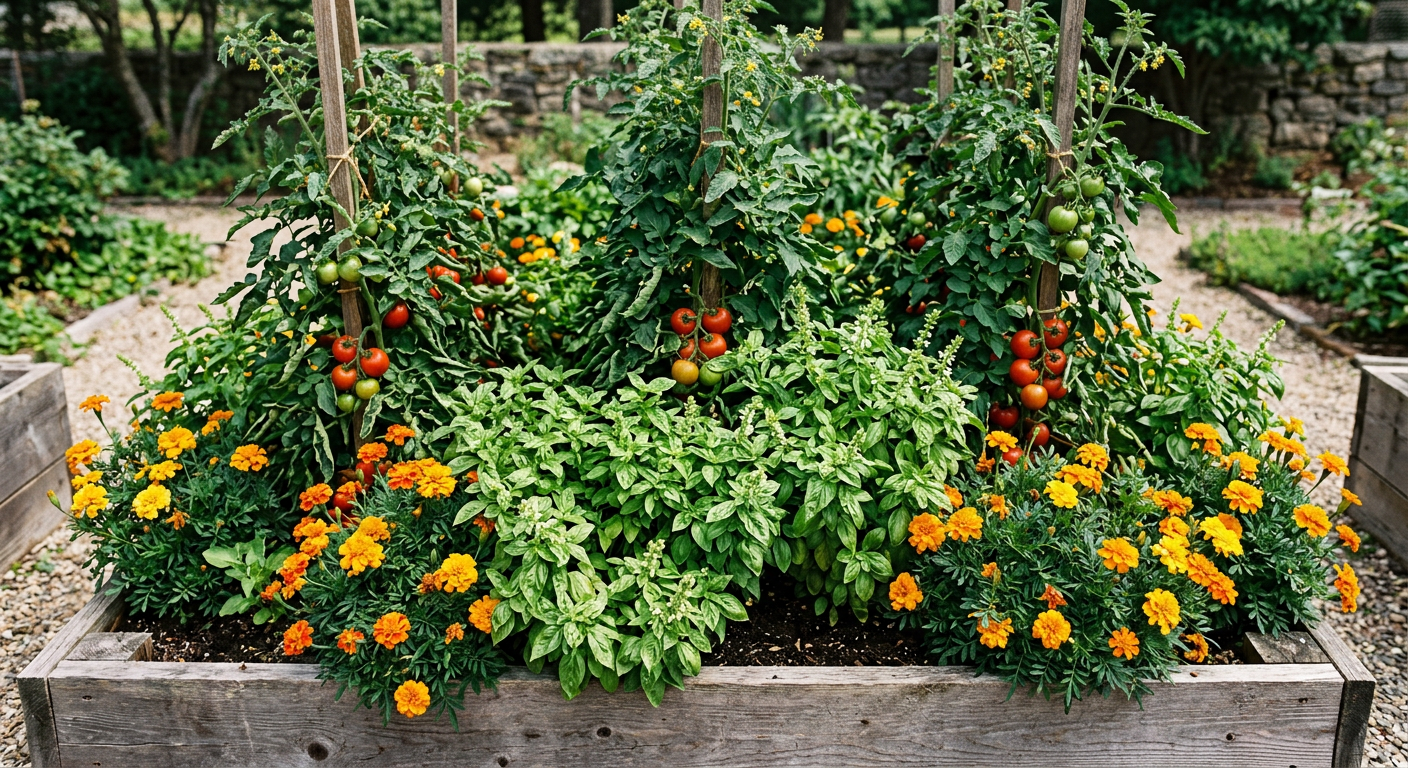
But you don’t have to start with something that complex. The easiest and most rewarding combo we use is Tomatoes + Basil + Marigolds. The basil is said to improve the tomato’s flavor and repels hornworms. The marigolds ward off root-knot nematodes in the soil. It’s a powerhouse trio that works in garden beds and even in large containers.
Understanding these basic guilds makes the whole process less intimidating. Now, let’s dig into the specifics.
—
My Ultimate Companion Planting Guide for Increased Yields
Alright, grab a cup of coffee. This is the list I wish I had when I started. These are the combos we use every single year on our homestead. No theory, just dirt-under-the-fingernails results. We keep track of all our planting experiments and successes using a simple garden planner, which is a key part of the Homestead OS system we rely on.
The All-Stars: Tomatoes, Peppers & Eggplant (Nightshades)
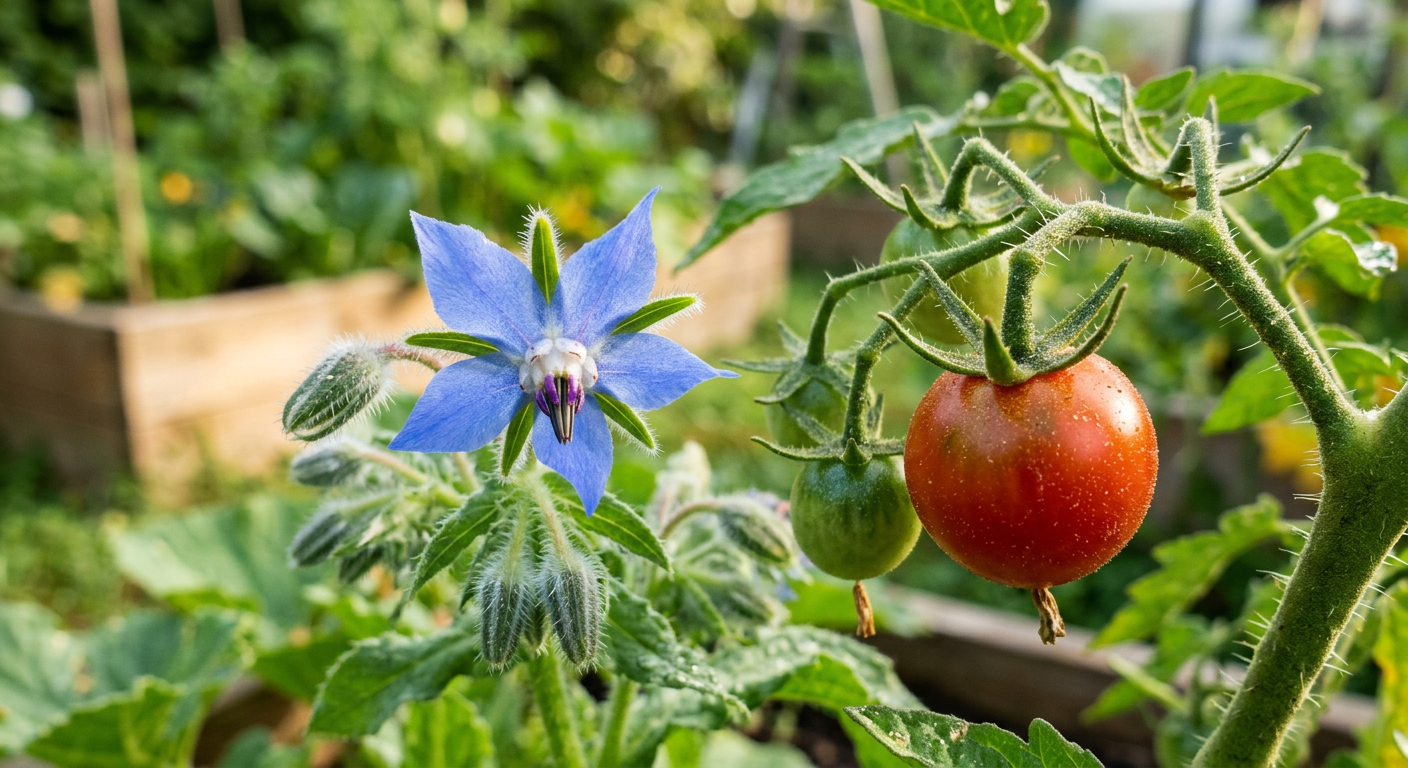
* ✅ Friends: Basil, Carrots, Onions, Garlic, Marigolds, Borage, Nasturtiums. Borage is my secret weapon; it attracts pollinators and deters hornworms better than anything else I’ve tried. Planting basil nearby has legitimately made our tomatoes taste sweeter.
* ❌ Foes: Anything in the brassica family (cabbage, broccoli, kale), Fennel, Corn. Potatoes are also risky because they are susceptible to the same blight, and planting them close can cause it to spread like wildfire.
The Leafy Greens: Lettuce, Spinach & Kale (Brassicas)
* ✅ Friends: Onions, Garlic, Mint (in a pot!), Dill, Rosemary, Nasturtiums. The strong smells of aromatic herbs are fantastic for confusing cabbage moths. Nasturtiums are my favorite “trap crop” for aphids—they’ll go for the nasturtiums first, saving my kale. Seriously, it’s a game-changer.
* ❌ Foes: Tomatoes, Peppers, Beans (some say they inhibit growth), Strawberries.
The Vining Crops: Cucumbers & Squash
* ✅ Friends: Corn, Beans, Peas (The Three Sisters!), Radishes, Marigolds, Nasturtiums, Borage, Oregano. Borage is a superstar here for bringing in bees. Our zucchini and cucumber pollination rates skyrocketed the year we started interplanting borage. We went from maybe 5-6 zucchini per plant to well over a dozen.
* ❌ Foes: Potatoes and aromatic herbs like Sage (can stunt squash growth).
The Root Veggies: Carrots, Radishes & Beets
* ✅ Friends: Lettuce (provides ground cover), Rosemary, Sage, Onions, Leeks. The onion family helps repel the dreaded carrot rust fly. We always plant a row of carrots, then a row of onions, and repeat.
* ❌ Foes: Dill (can attract pests that harm carrots), Fennel, Celery.
Many of these beneficial plants are perennial herbs, which are a must-have on any homestead. We have a whole guide on the best perennial herbs for cold climates if you want to plant once and reap the benefits for years.
Next, we’ll talk about how to supercharge this guide with flowers and dedicated herbs.
—
Beyond Vegetables: Integrating Flowers and Herbs
Your vegetable garden should not be a monoculture of just vegetables. The most productive and resilient gardens look a little wild, buzzing with life. That life is driven by flowers and herbs.
Forget neat, single-variety rows. We tuck these everywhere.
* Marigolds (Tagetes sp.): I’ve mentioned them a dozen times for a reason. They’re cheap, they’re easy, and they work. They release a substance that kills root-knot nematodes, one of the most destructive soil pests. We spent about $15 on seeds five years ago and have been saving our own ever since.
* Nasturtiums: The ultimate sacrificial plant. Aphids LOVE them. I plant them at the ends of my brassica and squash rows. The aphids flock to them, leaving my food crops alone. Plus, the leaves and flowers are edible with a peppery kick—great in salads! 🔥
* Borage: The pollinator magnet. The fuzzy blue flowers are like a buffet for bees. If your squash, cucumbers, or melons aren’t setting fruit, you probably have a pollination problem. Borage will fix it. We went from hand-pollinating our squash to having more than we could eat in one season.
* Aromatic Herbs: Think Rosemary, Thyme, Oregano, Sage, and Dill. Their strong scents act like a “smokescreen” in the garden, making it hard for pests to find their preferred plants. We plant pots of mint around the garden (NEVER in the ground) to repel ants and flea beetles.
This is the core of Integrated Pest Management (IPM). You’re creating an entire ecosystem, not just planting vegetables. It takes a bit more planning upfront, but the payoff is a massive reduction in pests and an increase in harvests.
—
💡 Pro Tips
* Think in Guilds, Not Pairs. Instead of just planting basil with your tomatoes, plant a guild: A tomato plant, surrounded by a few basil plants, with a marigold at the corner and maybe some carrots in between. You’re creating a small, self-sufficient neighborhood.
Keep a Journal. Seriously. I can’t stress this enough. Every year, I jot down what I planted where, what worked, and what was a total disaster. That journal is now the most valuable gardening book I own. It’s how I know that borage works better than basil for hornworms in my specific garden*.
* Go Vertical and Horizontal. Use vining companions (like pole beans on corn) to maximize vertical space. Use sprawling companions (like squash or oregano) as a living mulch to shade the soil and suppress weeds.
* Don’t Be Afraid to Move Things. If a combination isn’t working, or a plant is getting swamped, move it! A garden is a living, changing thing. A little bit of planning goes a long way, and a tool like the Homestead OS garden planner can save you a season of headaches.
—
⚠️ Beginner Mistakes to Avoid
I’ve made every single one of these. Learn from my pain.
—
Frequently Asked Questions
H3: Does companion planting really work for pests?
Absolutely. It works in two ways: repelling and trap cropping. I’ll never forget the year I planted nasturtiums at the end of my kale row. The nasturtiums were covered in black aphids, but my kale, just two feet away, was almost completely clean. The nasturtiums sacrificed themselves. It’s a strategy we use every single year now.
H3: What should you not plant with tomatoes?
The big no-no’s are fennel (it inhibits the growth of most plants), corn (they attract the same worms), and brassicas like broccoli and cabbage (they can stunt each other’s growth). Also, avoid planting potatoes nearby. They are both in the nightshade family and highly susceptible to early and late blight, which can spread between them and wipe out both crops.
H3: What is the easiest companion planting combo for beginners?
Hands down, it’s Tomatoes, Basil, and Marigolds. It is a tried-and-true trio. You get three benefits: the marigolds protect the roots from nematodes, the basil repels hornworms and improves flavor, and you get to harvest delicious tomatoes and basil for fresh sauce and pesto. It’s a win-win-win.
H3: Can you companion plant in containers or raised beds?
Yes, and it’s arguably even more important in a small space! In a container, you can easily tuck a marigold or a basil plant in with your patio tomato. In our 4×8 raised beds, we almost never plant in monoculture rows. We’ll have a row of carrots, a row of onions, and some lettuce tucked in between. It maximizes space and builds a healthier, more resilient little ecosystem.
—
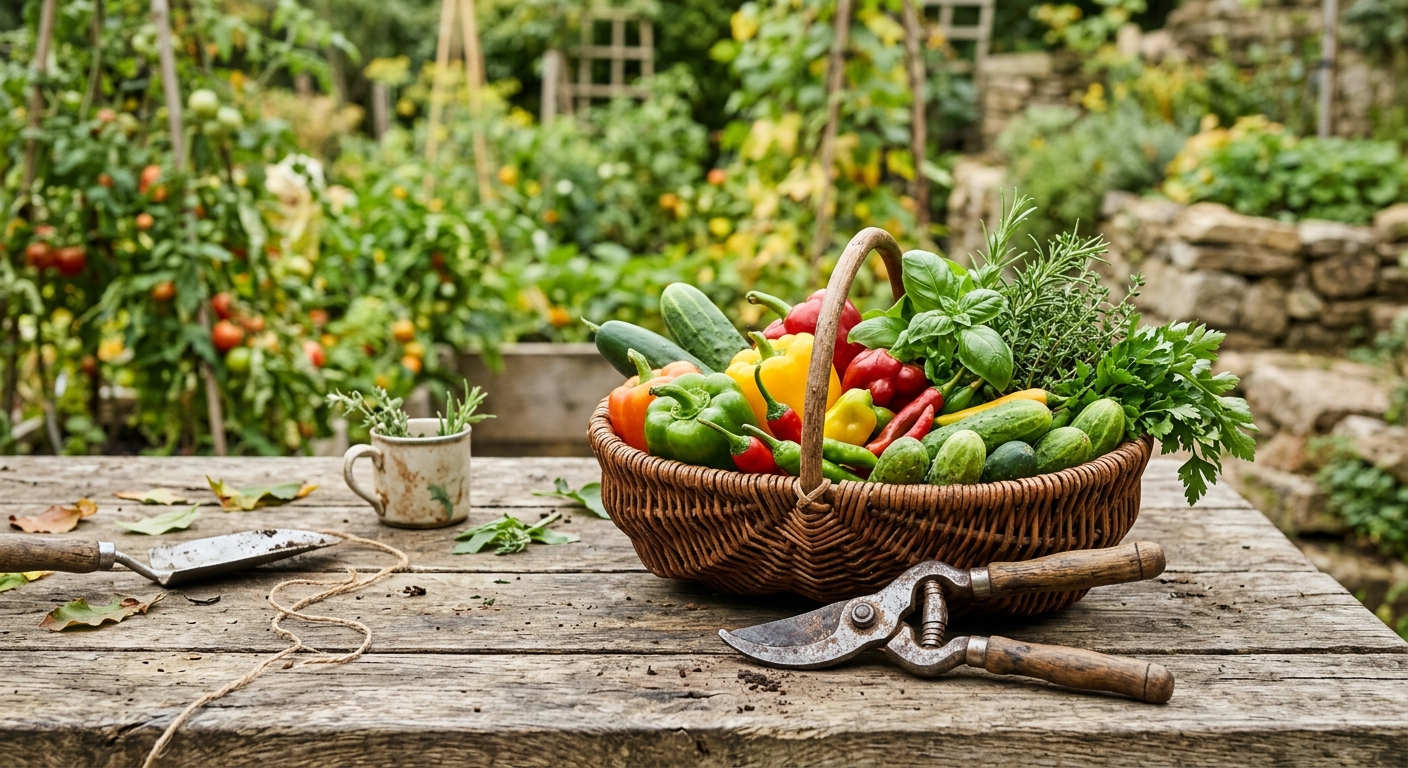
!A bountiful vegetable harvest proving that a companion planting guide increased yields naturally.
It’s Your Garden’s Turn to Thrive
The first time you walk out to your garden and see it humming with bees, ladybugs crawling on the leaves, and your plants looking healthier than ever… that’s a feeling of satisfaction that’s hard to beat. It’s the feeling of working with nature, not against it. It’s less work, less worry, and a whole lot more food in the pantry.
This companion planting guide should give you the confidence to start building those plant teams in your own garden for increased yields and a healthier homestead. Don’t be afraid to experiment and find what works for you.
For more behind-the-scenes stories and daily tips from our homestead, come say hi and follow us on Facebook!
What’s the one companion planting pair you swear by, or are you excited to try for the first time this year? Let me know in the comments below!
📚 More From Our Homestead
- Homesteading for Beginners on One Acre: The Ultimate Guide
- Build a Cheap Chicken Coop: My $87 Plan That Works
- Apartment Friendly Urban Chicken Breeds (Our Top Picks)
- How to Become Self-Sufficient in Five Years: Our Plan
- No Eggs? Troubleshooting Chicken Laying Problems
Ready to Start Your Homestead Journey?
Free guides, checklists, and tools to help you build your dream homestead.
Leave a Reply