Tag: herbs

  • Best Veggies for a Backyard Organic Garden (Our Picks)

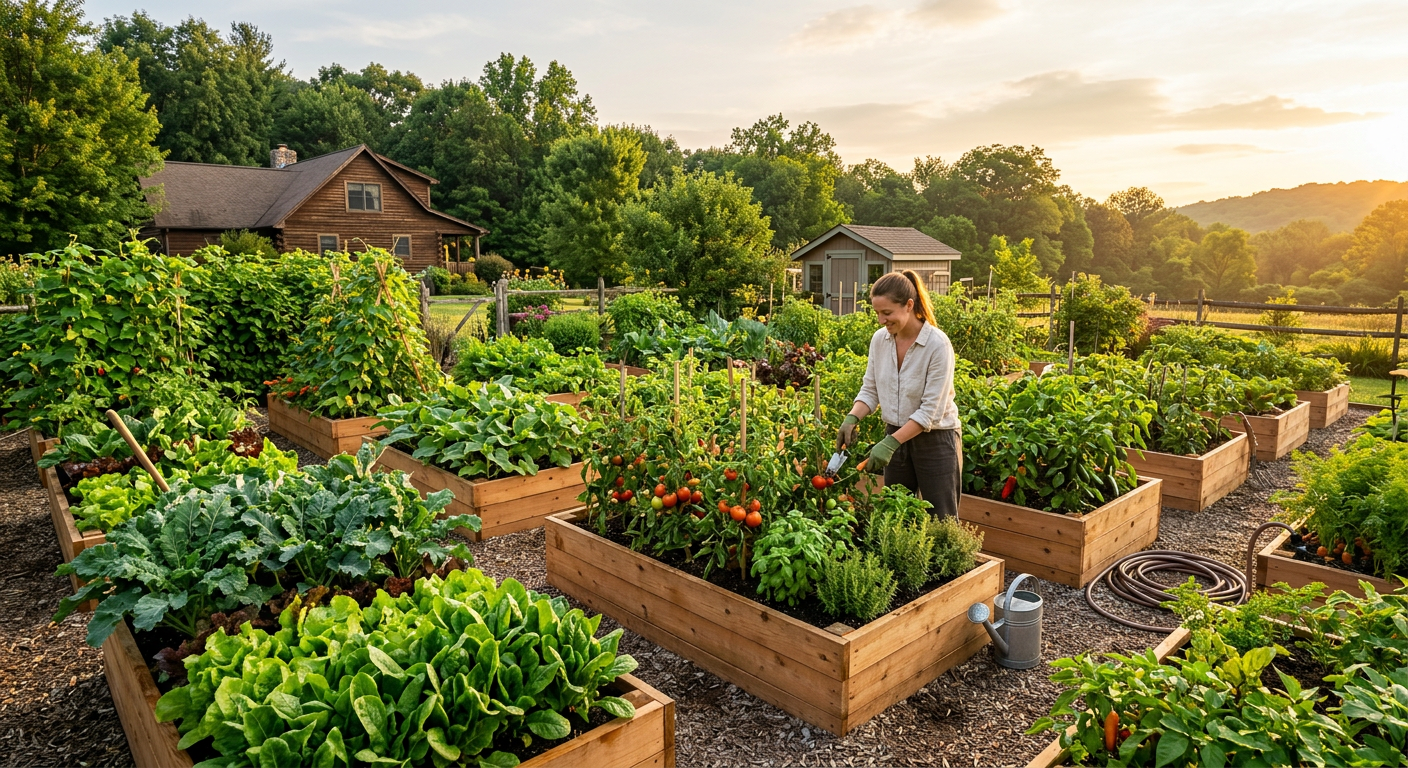
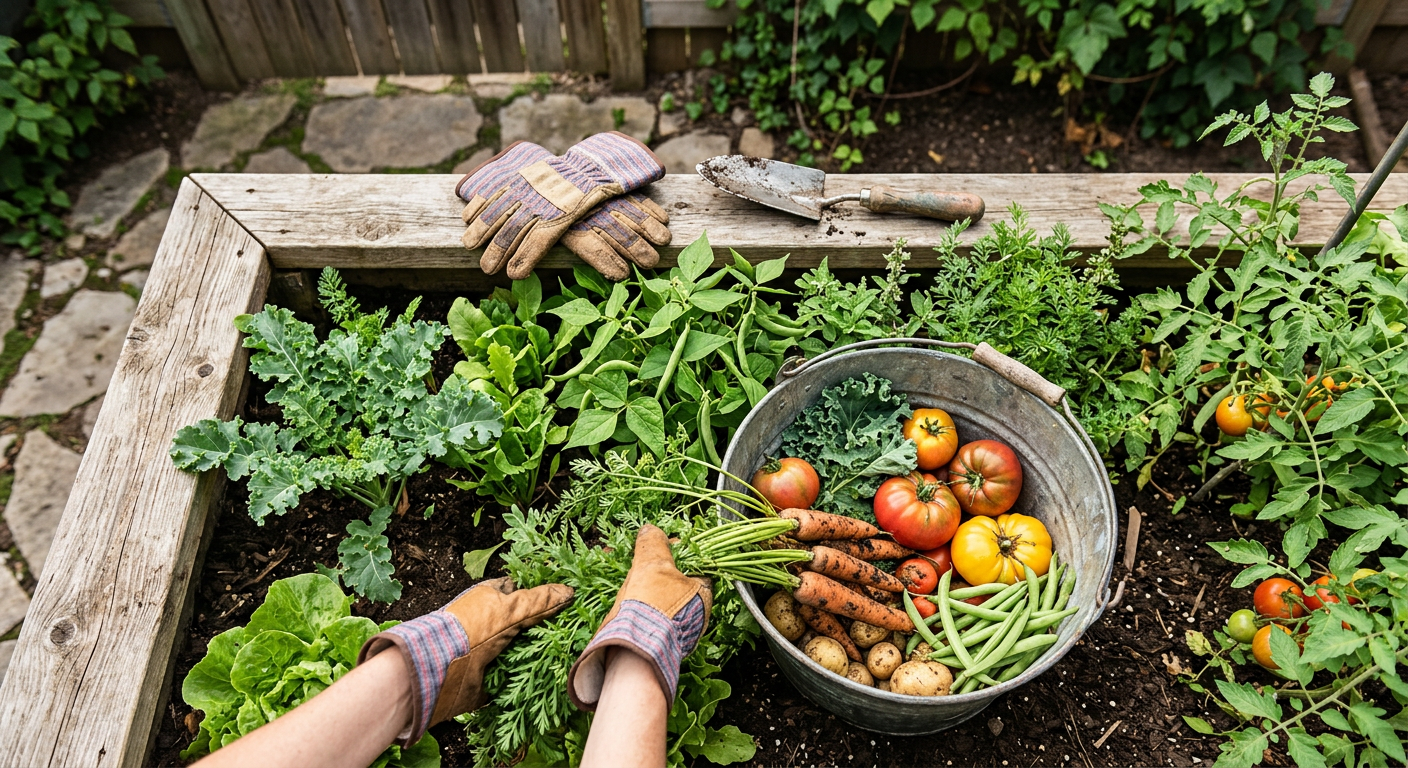
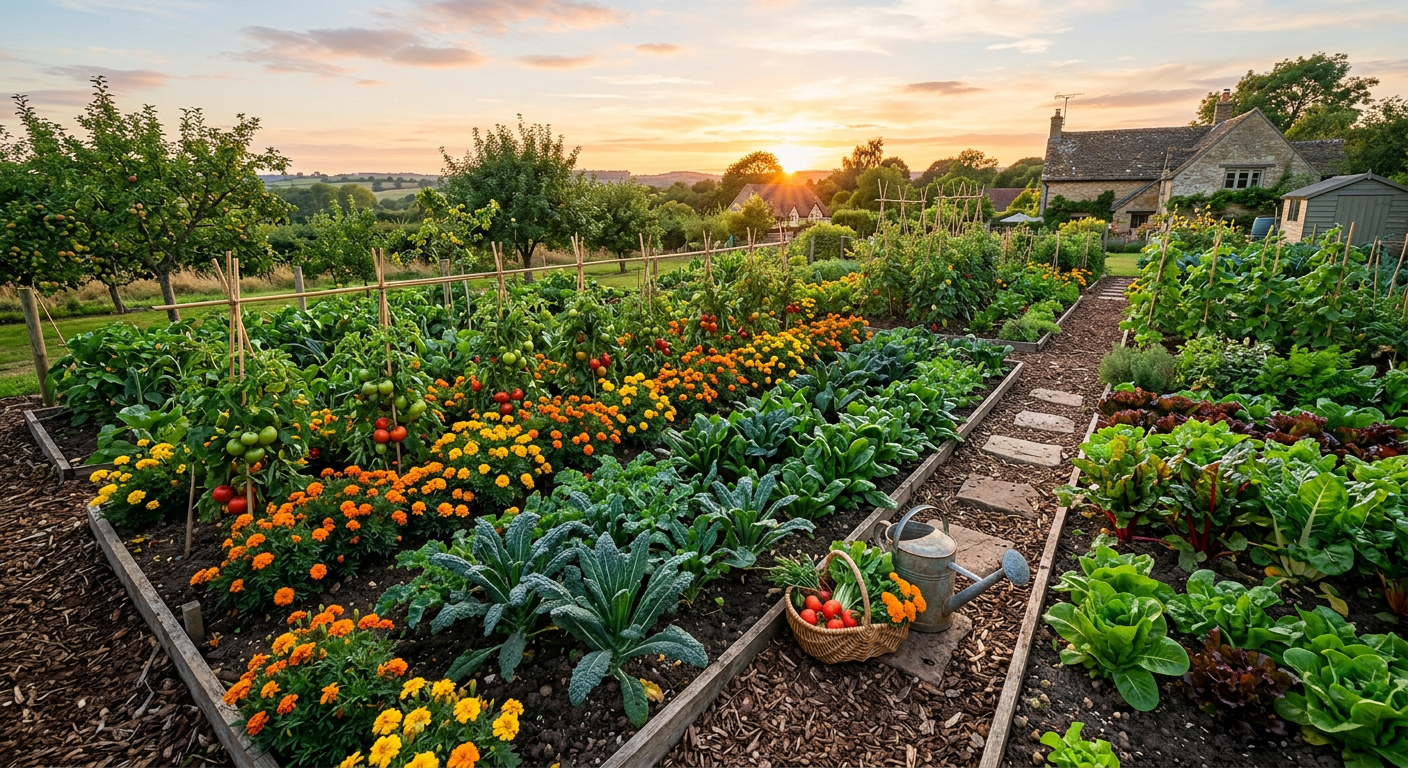
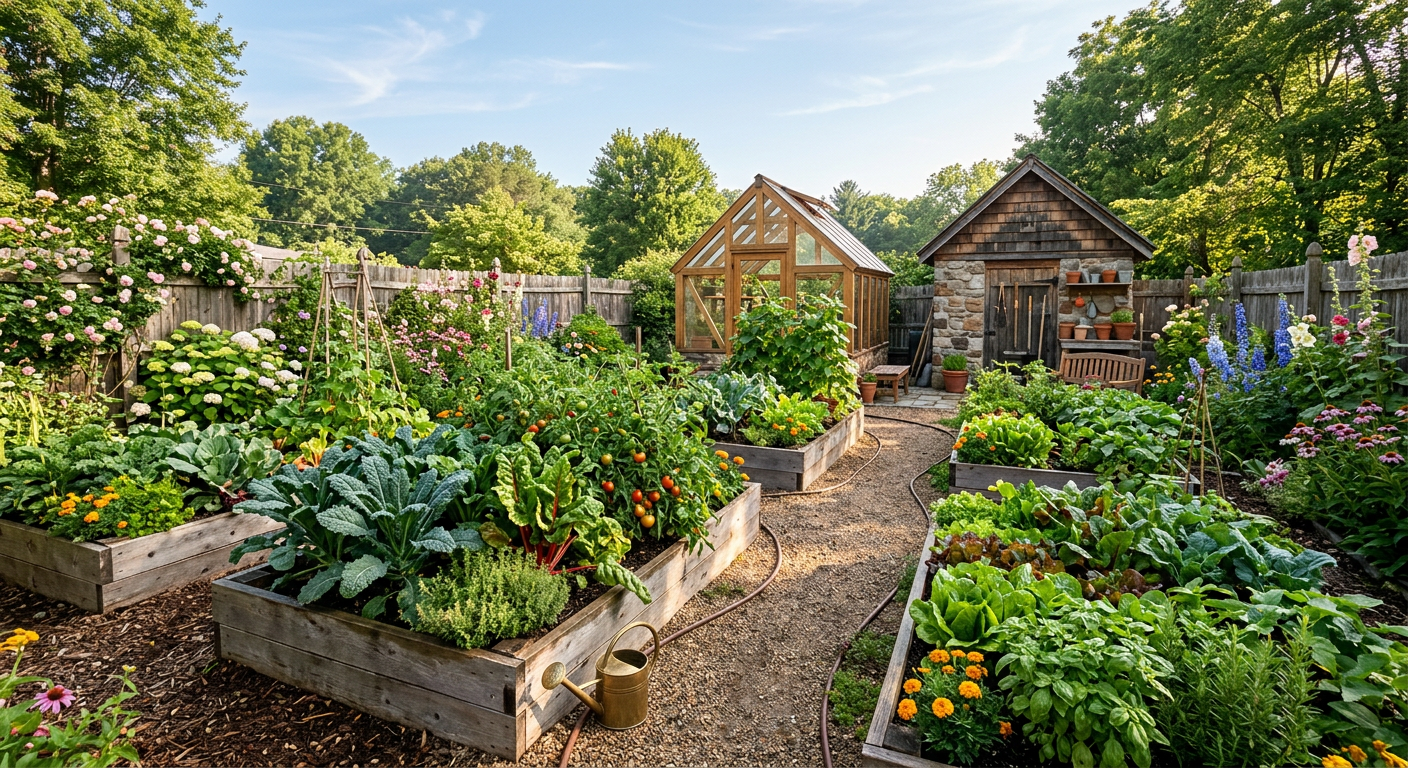
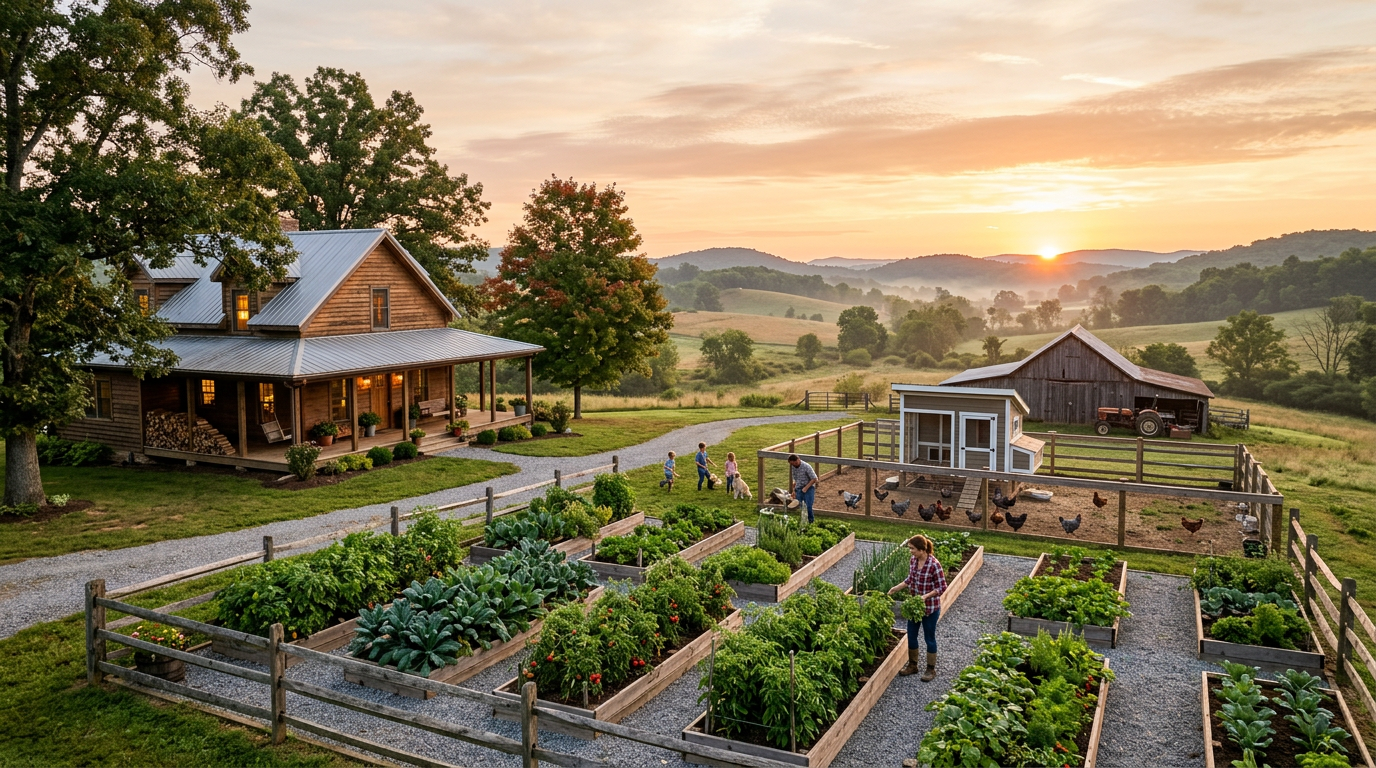
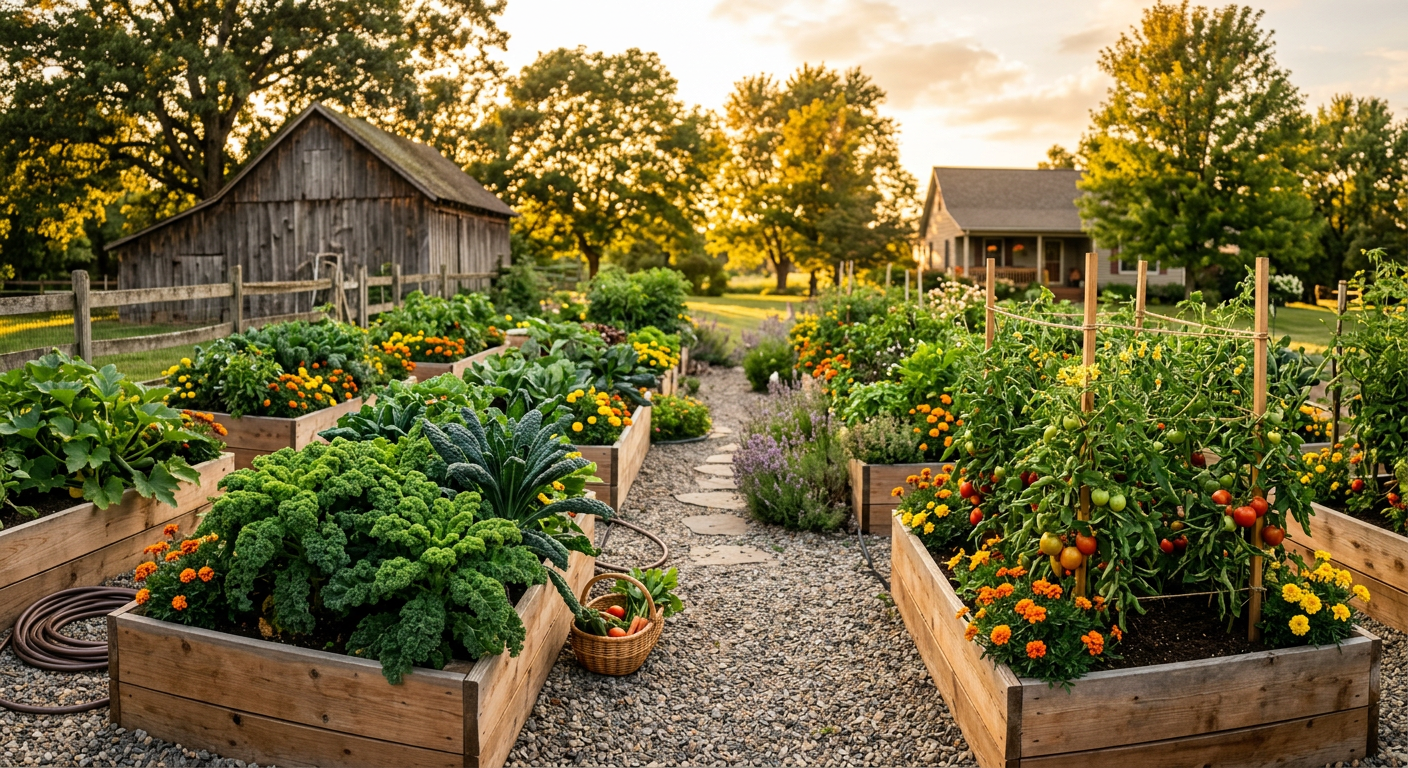
    !A thriving backyard organic garden with raised beds, featuring the best vegetables to grow.

    I’ll never forget our first summer garden. I’d planted twelve zucchini plants, imagining beautiful, neat rows of green bounty. By August, it was a jungle. We were hauling in 20 pounds of zucchini a week, leaving them on neighbors’ porches in the dead of night. That’s when I learned the first, and most important, lesson of gardening: choose your crops wisely.

    🎯 Quick Answer: The best vegetables to grow in a backyard organic garden are those that are productive, resilient, and match your climate. For beginners, focus on zucchini, bush beans, cherry tomatoes, lettuce, and potatoes. They offer the biggest reward for the least amount of heartbreak.

    🔑 Key Takeaways

    • Start with the ‘Easy Wins’: Choose vegetables known for their high productivity and low fuss, like zucchini and bush beans, to build confidence.
    • Focus on Soil Health: Your success isn’t about fancy fertilizers. It’s about building rich, living soil with compost and organic matter.
    • Plant What You’ll Actually Eat: It sounds simple, but it’s easy to get carried away. Prioritize the vegetables your family loves to avoid waste.
    • Plan for Pests Organically: You don’t need chemicals. Healthy soil, companion planting, and physical barriers are your best defense.
    • Maximize Your Space: Even a small backyard can be incredibly productive with vertical growing techniques and succession planting.
    • Don’t Be Afraid to Fail: You will lose some plants. Every dead seedling is a lesson learned. That’s homesteading.

    🌱 Start Your Homestead Plan →

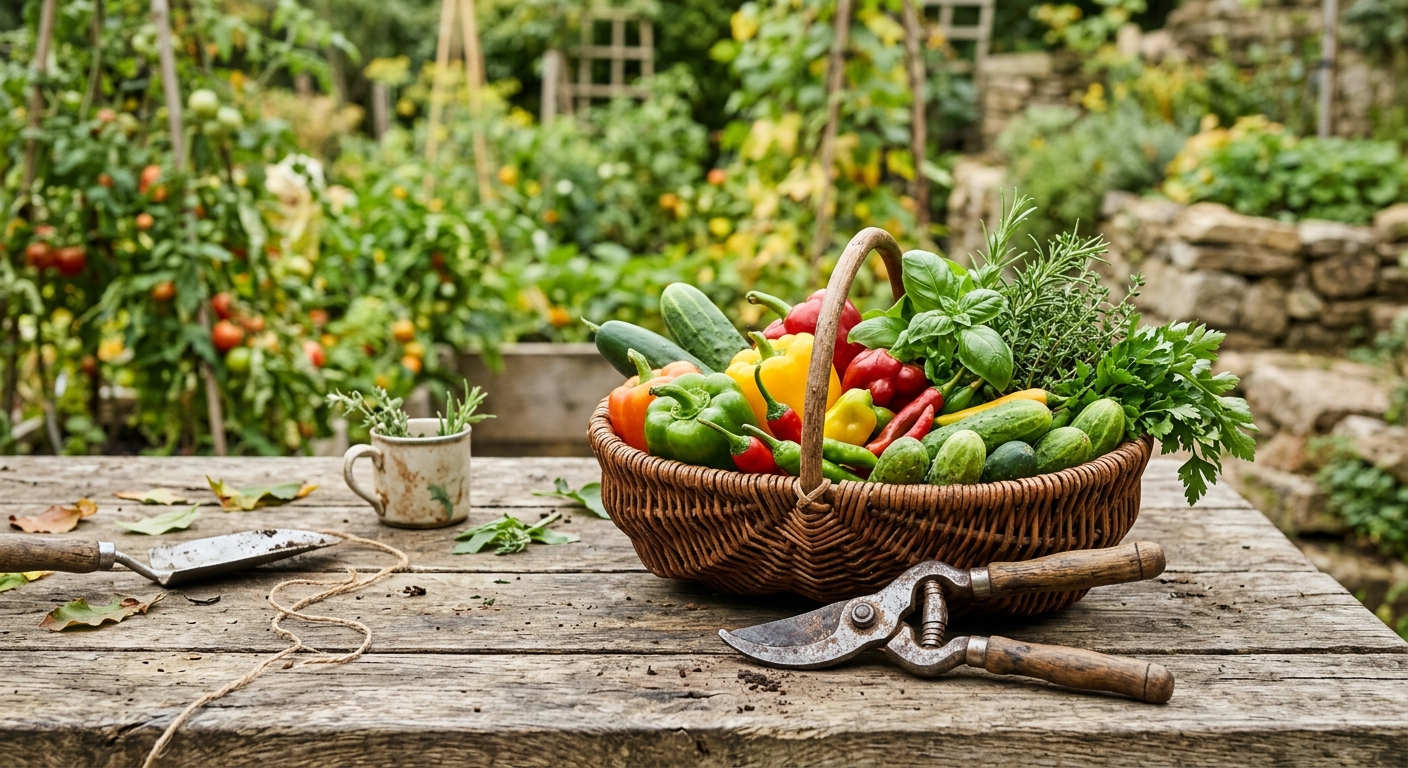
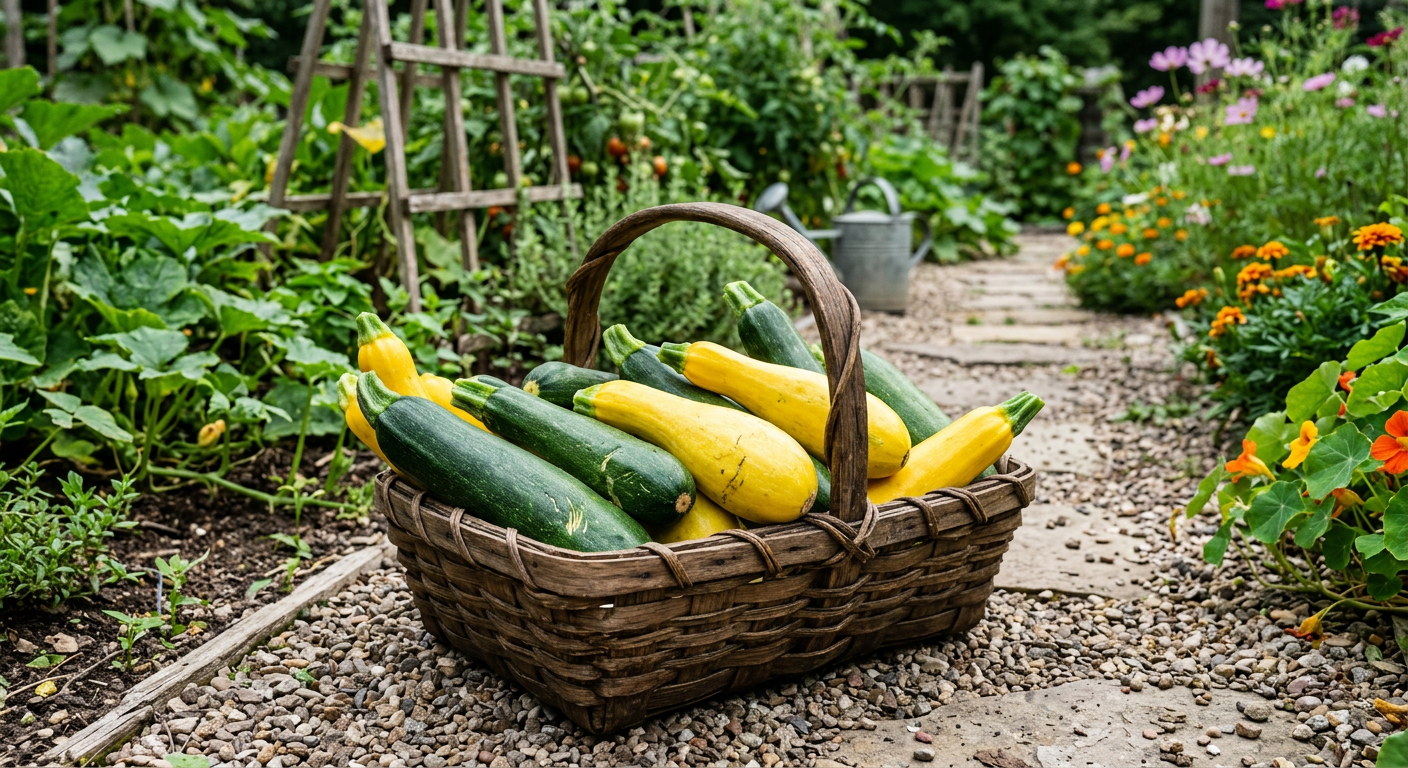
    !A harvest of zucchini and squash from a backyard organic garden.

    The Easiest Wins: Our Top 3 No-Fail Vegetables

    When you’re just starting, you need a victory. You need to pull something out of the ground that you grew yourself. It’s a powerful feeling. These are the crops that give you that win without much of a fight.

    1. Zucchini & Summer Squash

    I already told you my zucchini story. One or two plants is all a family of four needs. Seriously. They are ridiculously productive. We just give them decent soil with plenty of compost, water them deeply once a week, and they take care of the rest. This year we’re growing the ‘Black Beauty’ zucchini and a yellow crookneck variety. They just don’t stop.

    2. Bush Beans

    Forget the finicky pole beans for your first year. Bush beans are compact, fast-growing, and you get a huge harvest all at once—perfect for learning to can or freeze. We plant a 10-foot double row of ‘Blue Lake 274’ and it gives us enough green beans for a dozen meals plus about 15-20 quarts for the pantry. We learned quickly that a little planning helps manage these big harvests. Using a simple journal or one of the planning guides on https://xlvvlujsctgiorcwbtkv.supabase.co/functions/v1/social-redirect?p=homesteados&loc=blog_inline_early made a huge difference in our second year, preventing us from feeling overwhelmed.

    3. Leaf Lettuce

    We love the ‘Black Seed Simpson’ cut-and-come-again variety. Instead of waiting for a whole head to form, you just snip the outer leaves as you need them. The plant keeps producing for weeks. We plant a small patch every three weeks (succession planting!) from April to September for a continuous supply of fresh salads. It’s so much better than the sad, plastic-bagged stuff from the store.

    Next up: the crops that will fill your pantry for the winter.

    High-Yield Staples: Our Best Vegetables to Grow in a Backyard Organic Garden

    Once you’ve got a few wins under your belt, it’s time to think about food security. These are the calorie-dense, high-yield crops that make a real dent in your grocery bill.

    Potatoes

    There is nothing, and I mean nothing, like digging up your own potatoes. It feels like a treasure hunt. We dedicate a 10×10 foot area to them. Last year, from just 5 pounds of seed potatoes (cost: $12), we harvested over 90 pounds of Kennebec potatoes. They’re now curing in our cool, dark basement, and we’ll be eating them well into February. All they need is loose soil, hilling them up with dirt a couple of times, and consistent water.

    Tomatoes (Specifically, Determinate & Cherry)

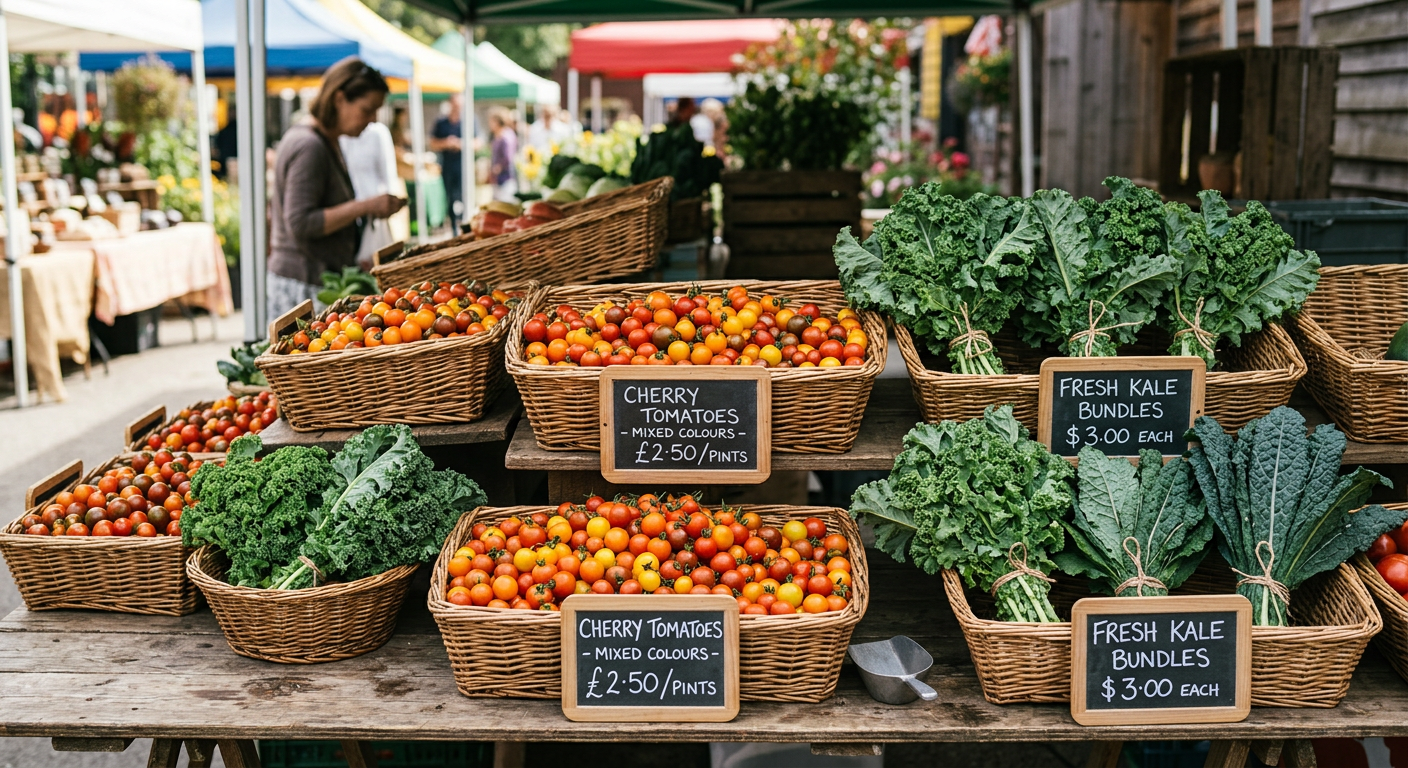
    Everyone wants to grow tomatoes. My advice: start with a cherry tomato plant like ‘Sun Gold’—they are disease-resistant and produce handfuls of sweet fruit daily. For preserving, we grow a determinate ‘Roma’ variety. ‘Determinate’ means they set all their fruit at once, which is a lifesaver for making big batches of sauce. Wrestling with a giant, sprawling indeterminate plant can be a full-time job.

    Winter Squash

    This is a set-it-and-forget-it crop. We plant butternut and spaghetti squash at the edge of the garden and let the vines ramble. They shade out weeds and require almost no attention after they’re established. The reward? Dozens of hard-shelled fruits that will keep in a cool room for 4-6 months, providing delicious, healthy food deep into winter.

    Getting this part right is how you transition from a hobby to a lifestyle.

    But what if you don’t have a huge yard? I’ve been there.

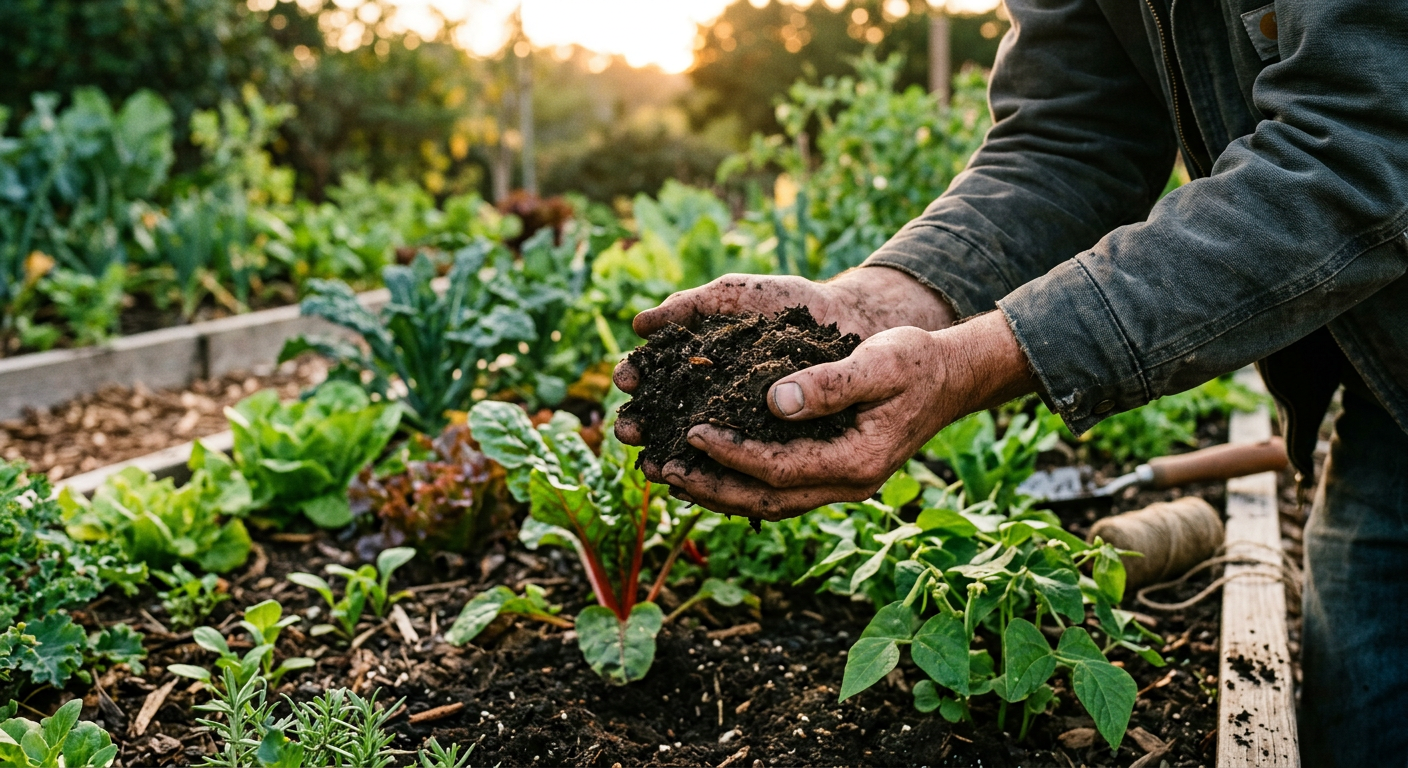
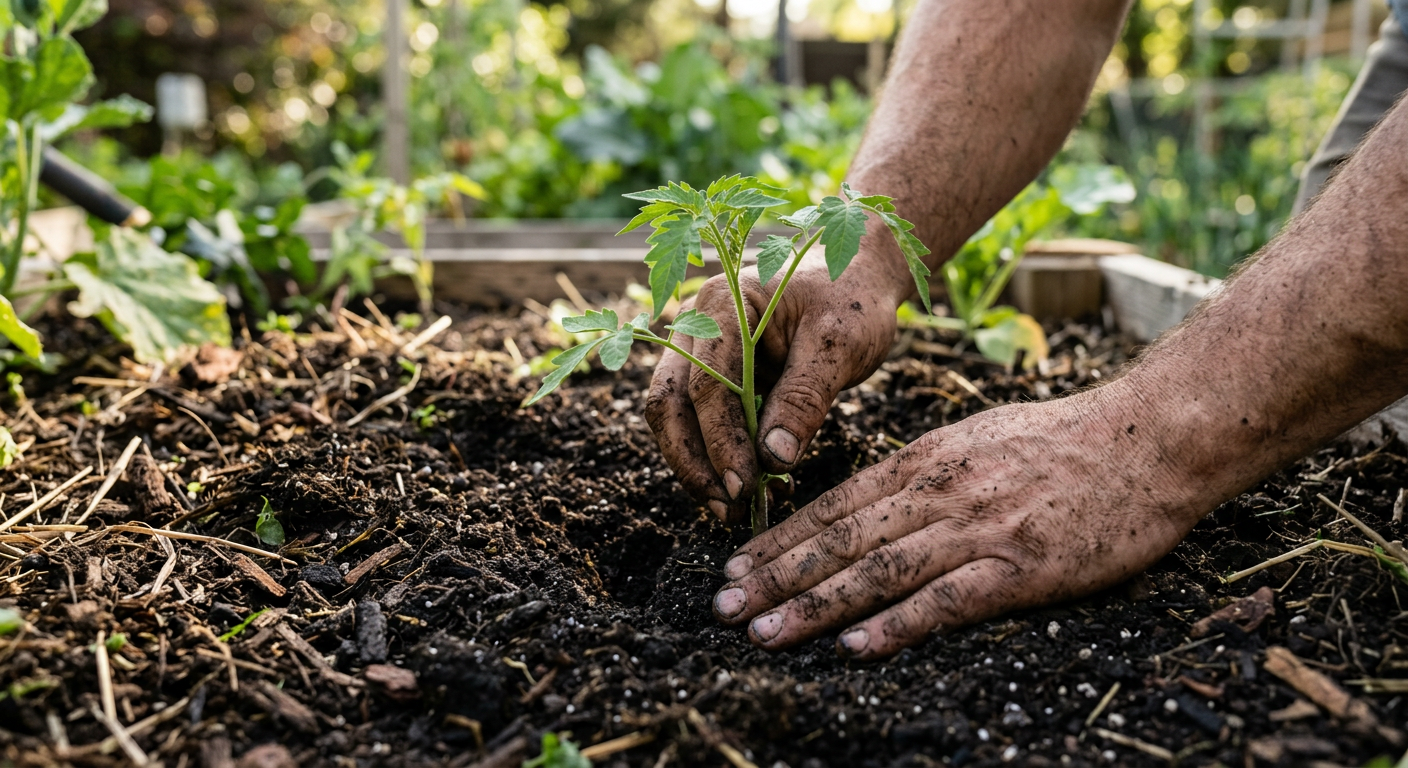
    !Rich organic soil and compost for growing the best vegetables in a backyard organic garden.

    Space Savers: Vertical & Container-Friendly Crops

    Our first ‘homestead’ was a rental with a small concrete patio. We still grew a ton of our own food. You just have to think up.

    Vertical Growers

    Anything that vines can be grown on a trellis to save space. We use simple cattle panel arches for cucumbers (‘Marketmore 76’ is a workhorse) and pole beans. This not only saves ground space but also improves air circulation, which reduces fungal diseases like powdery mildew. Growing vertically is one of the most important essential homesteading skills beginners need.

    Container All-Stars

    Lots of the best vegetables to grow in a backyard organic garden do surprisingly well in pots. We use 5-gallon buckets (with drainage holes drilled in the bottom) for single pepper plants, eggplants, and even our determinate tomatoes. Herbs are perfect for containers, and having a pot of the best perennial herbs right outside your kitchen door is a game-changer for daily cooking.

    📋 Get the Beginner Checklist →

    Super-Dense Planting

    When space is tight, look into intensive planting methods. Carrots, radishes, and beets can be planted much closer together than the seed packet suggests, as long as your soil is deep and fertile. We’ll sow a 2×4 foot area with carrots and get a surprising amount of food from that tiny patch.

    Moving beyond the basics is where the real fun and nutrition starts.

    💡 Pro Tips

    We learned these lessons through sweat, dirt, and plenty of mistakes. Pay attention here.

  • Feed Your Soil, Not Your Plants. This is the core of organic gardening. Forget the blue miracle liquids. We spend our time and money on compost, aged manure from our chickens, and cover crops in the off-season. Healthy soil grows healthy plants that resist pests and disease. A soil test from your local university extension is the best $20 you can spend.
  • Succession Plant Everything. Don’t plant all your lettuce at once. Plant a small amount every 2-3 weeks. This gives you a continuous, manageable harvest instead of a glut you can’t handle. We do this with lettuce, radishes, carrots, and bush beans.
  • Water Deeply, and Infrequently. A light sprinkle every day encourages shallow, weak roots. We water our garden beds deeply once or twice a week, letting the water soak down 6-8 inches. This forces the plant roots to grow deep and strong, making them more resilient to drought.
  • Mulch is Your Best Friend. A thick layer of straw, wood chips, or grass clippings conserves moisture, suppresses weeds, and breaks down to feed the soil. We spent literally hundreds of hours weeding our first year. Now, with heavy mulch, we spend maybe 30 minutes a week.
  • Plan for Expansion. Once you get the hang of it, you’ll want to grow more. You can start mapping out your entire property for maximum efficiency. We used the planning tools at https://xlvvlujsctgiorcwbtkv.supabase.co/functions/v1/social-redirect?p=homesteados&loc=blog_inline_late to design our larger garden beds and rotational planting schedule.
  • ⚠️ Beginner Mistakes to Avoid

    I’ve made every single one of these. Hopefully, you won’t have to.

    * Planting Too Much, Too Soon: That zucchini story? It’s a classic. Start smaller than you think you need. Master 5-6 crops your first year, then expand. A small, well-managed garden is better than a large, weedy, overwhelming mess.

    * Ignoring a Soil Test: We just threw seeds in our clay-heavy soil the first year and wondered why things were stunted. A simple soil test told us we were critically low on nitrogen and organic matter. A few bags of compost and some organic fertilizer changed everything.

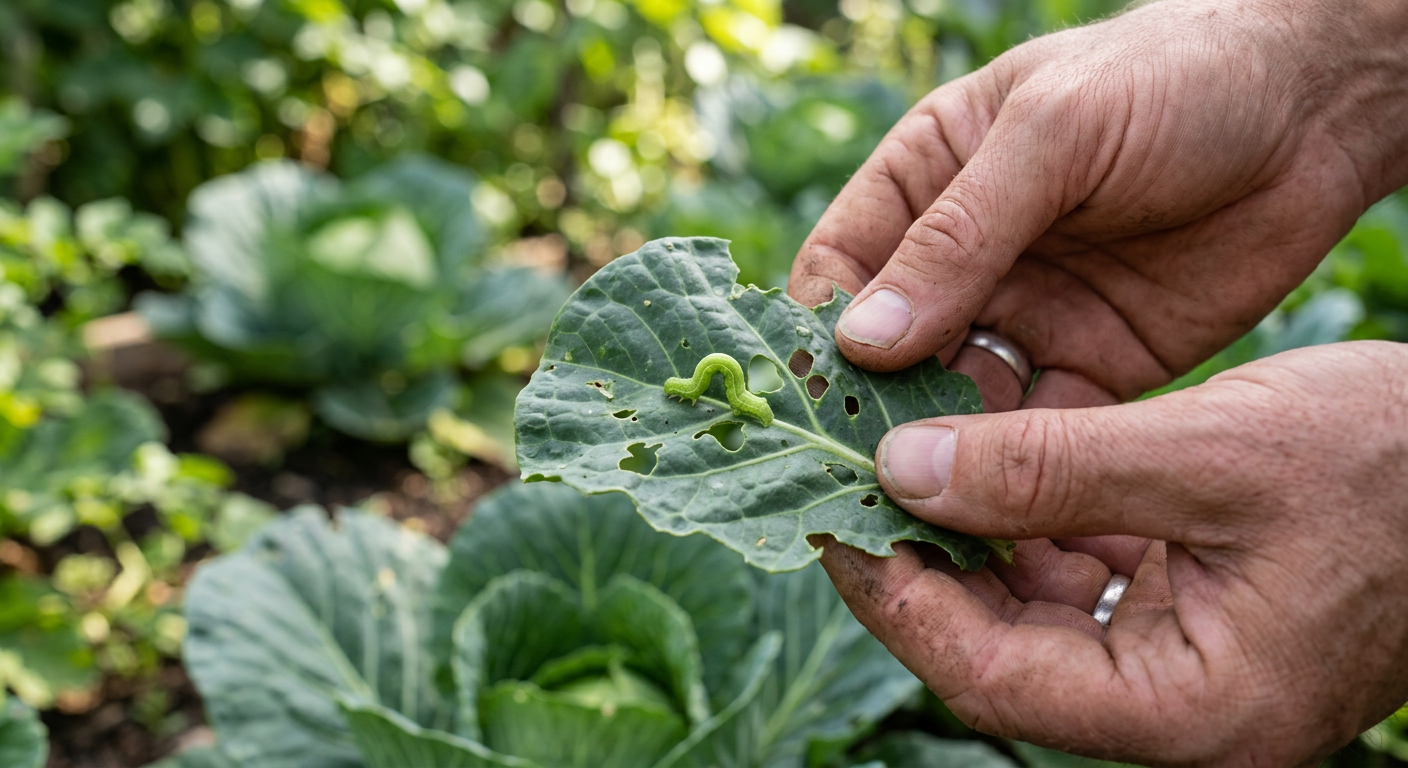
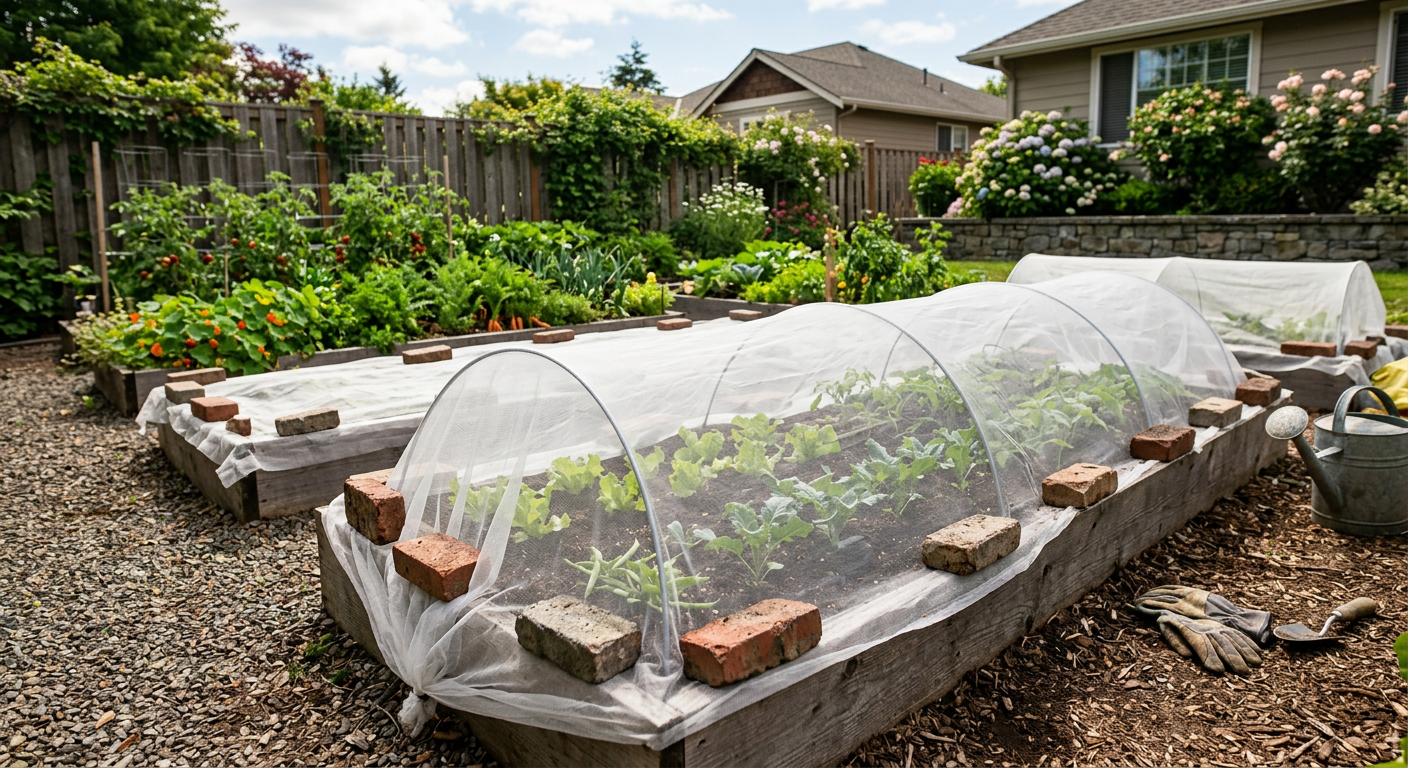
    * Freaking Out About Pests: The first time I saw aphids on my kale, I nearly ripped it all out. Wrong move. Healthy plants in healthy soil can handle some pest pressure. A strong blast of water from the hose and encouraging beneficial insects (ladybugs love dill and cilantro!) is usually enough. For cabbage moths, we use simple insect netting—it’s one of the essential homesteading tools to buy first. No chemicals needed.

    Forgetting to Plan for the Harvest: Growing is only half the battle. What’s your plan when you have 40 pounds of tomatoes ready? Do you know how to can? Do you have freezer space? Thinking about preservation before* you plant is critical.

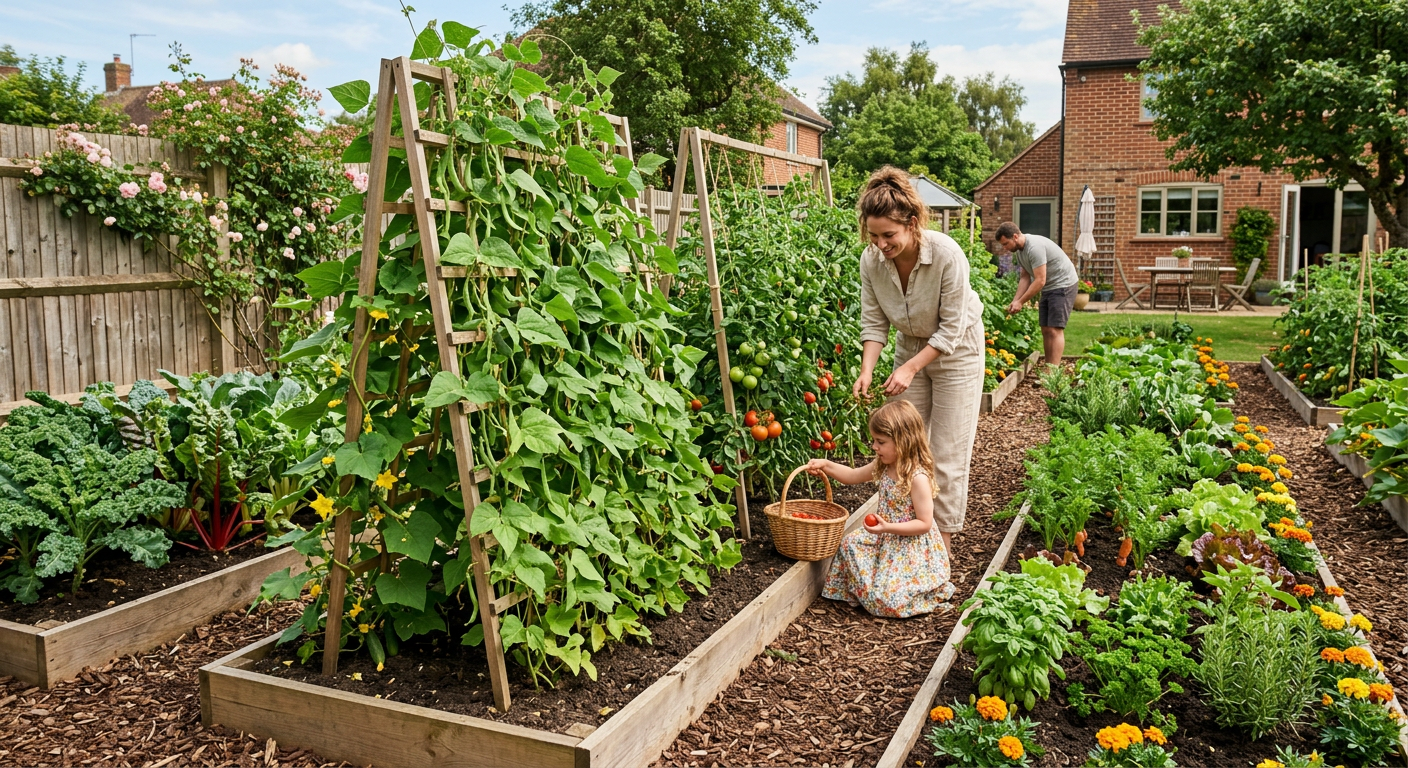
    !A productive and well-maintained backyard organic garden with various easy-to-grow vegetables.

    Frequently Asked Questions

    H3: What’s the cheapest way to start an organic garden?

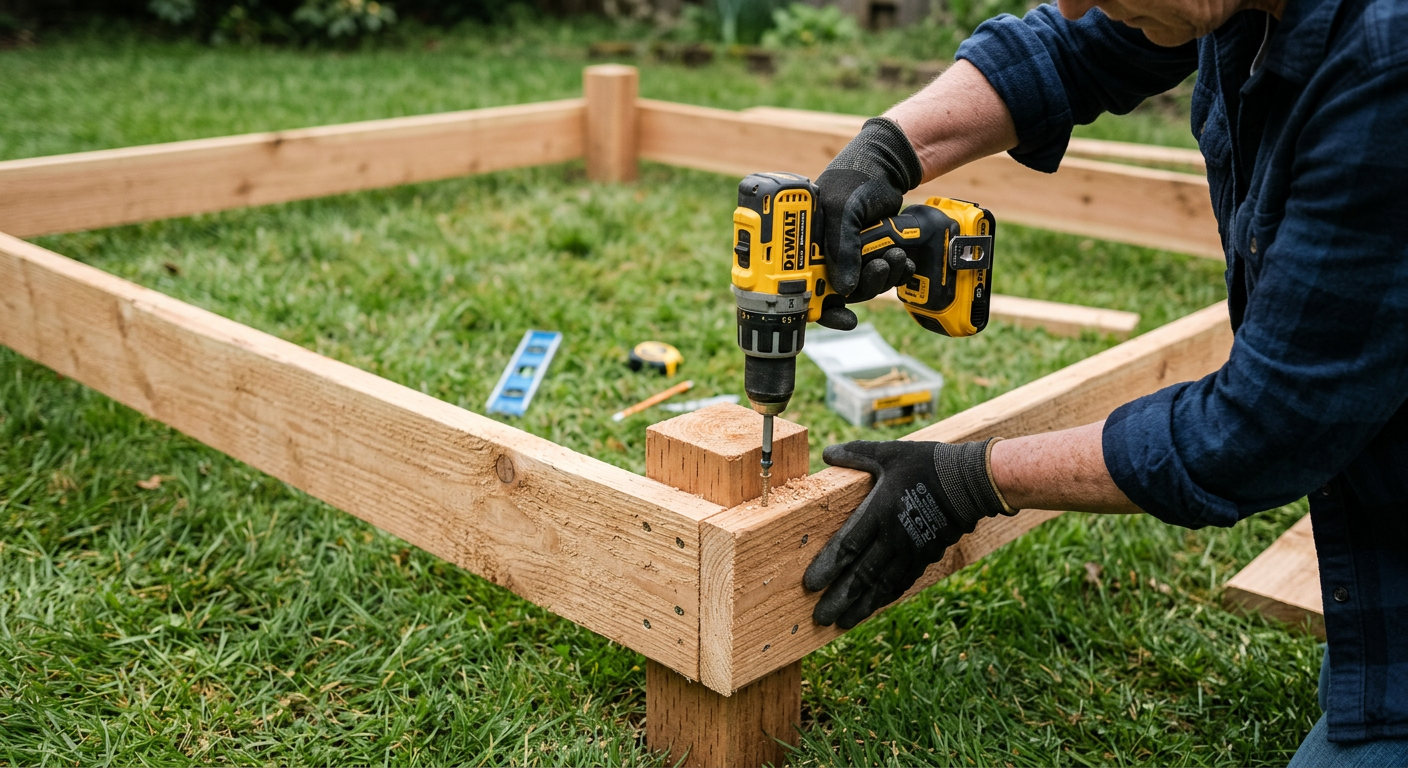
    Compost is key. You can create a compost pile for free using kitchen scraps and yard waste. Use reclaimed materials for raised beds (or don’t use them at all). And save your own seeds from open-pollinated varieties at the end of the season to plant for free next year. Starting a garden on the cheap is totally doable; it’s a huge part of homesteading on a budget.

    H3: How many hours of sun do my vegetables need?

    Most fruiting vegetables (like tomatoes, peppers, squash) need what’s called ‘full sun’—at least 6-8 hours of direct sunlight per day. Root vegetables (carrots, potatoes) can get by with 6. Leafy greens (lettuce, spinach, kale) can tolerate partial shade, with as little as 4 hours of direct sun. A good tip is to just watch your yard for a full day before you decide where to put the garden.

    H3: How do I handle pests without chemicals in an organic garden?

    It’s a multi-pronged approach called Integrated Pest Management (IPM). First, build healthy soil. Second, use physical barriers like row covers. Third, attract beneficial insects (ladybugs, lacewings) by planting flowers like alyssum and dill. Fourth, hand-pick larger pests like hornworms. As a last resort, use organic-approved sprays like insecticidal soap or Neem oil, but even those should be used sparingly.

    H3: What are the best vegetables to grow together in a backyard organic garden?

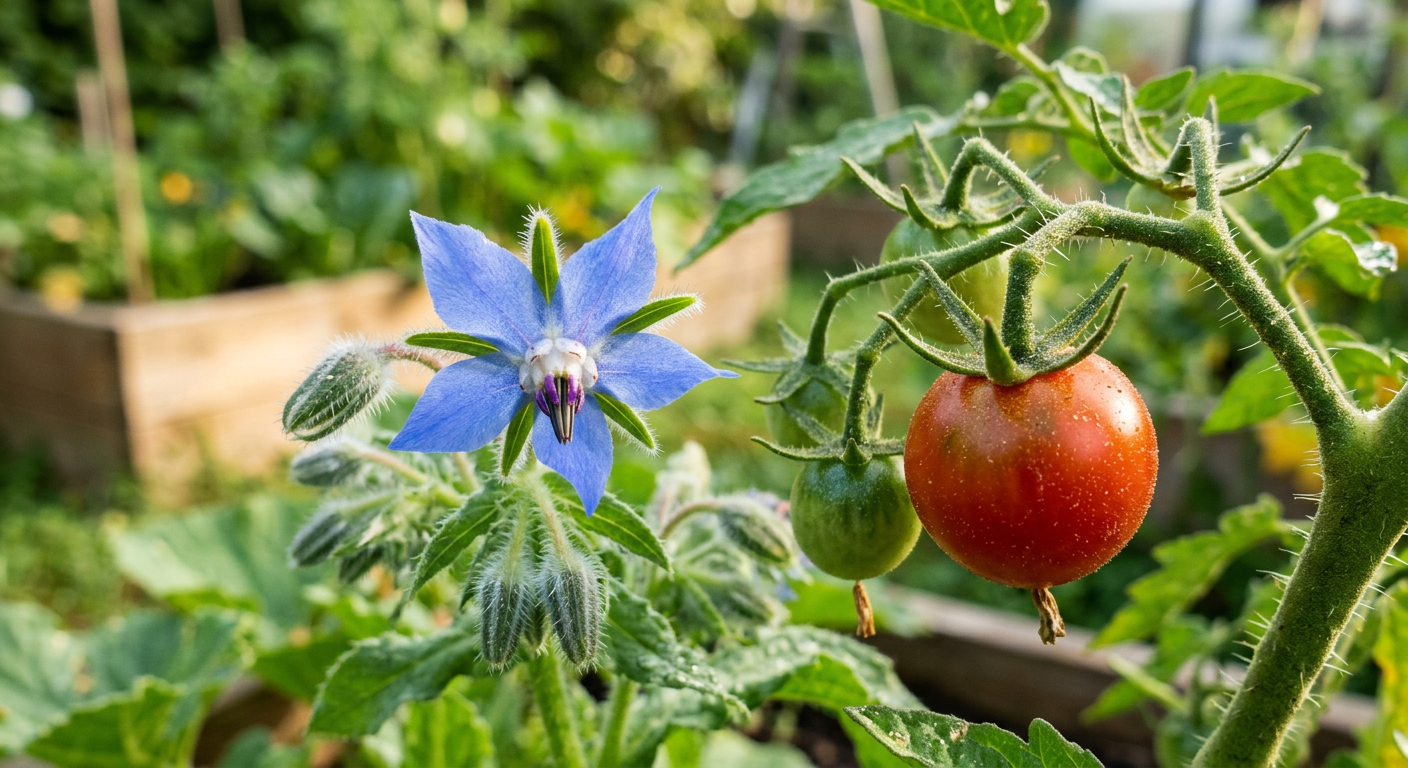
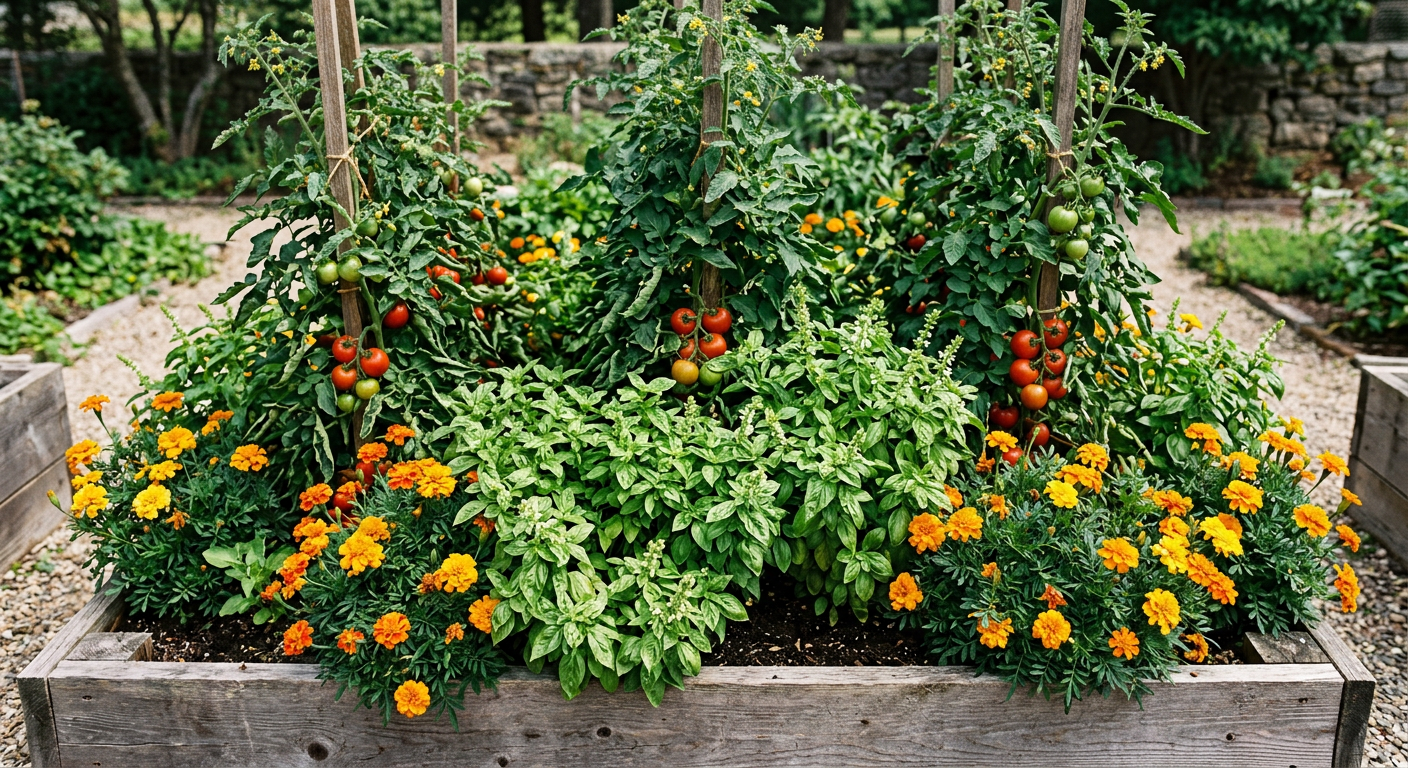
    The classic is the “Three Sisters” method from Native American agriculture: corn, pole beans, and squash. The corn provides a trellis for the beans. The beans fix nitrogen in the soil for the heavy-feeding corn. The big squash leaves shade the ground, suppressing weeds and conserving moisture. Another great pairing is planting basil around your tomatoes—many gardeners swear it improves the tomato’s flavor and repels some pests.

    🔧 See Recommended Tools →

    That first taste of a sun-warmed cherry tomato you grew yourself changes you. It connects you to your food, to the land, and to the seasons in a way that buying from a store never can. It’s not always easy, and you’ll have failures. But the successes feed your body and your soul. You just have to get started.

    We share even more of our day-to-day garden wins (and losses!) over on our Facebook page, so come say hi!

    What was the first vegetable you ever successfully grew? Share your story in the comments below!

    Start Your Own Homestead Journey Today →


    📚 More From Our Homestead

    Ready to Start Your Homestead Journey?

    Free guides, checklists, and tools to help you build your dream homestead.
    Explore Free Resources →

  • Start Urban Homesteading on a Small Balcony (Our Story)

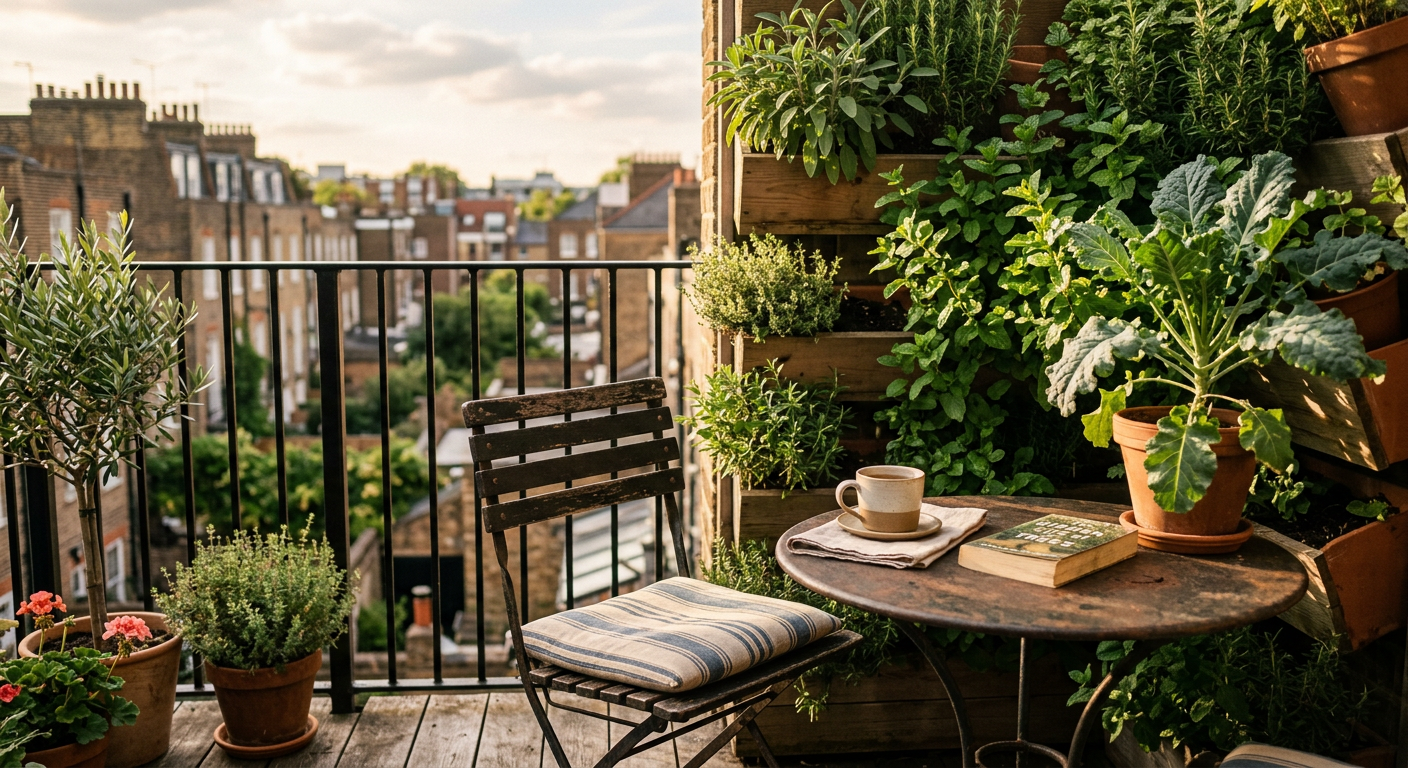
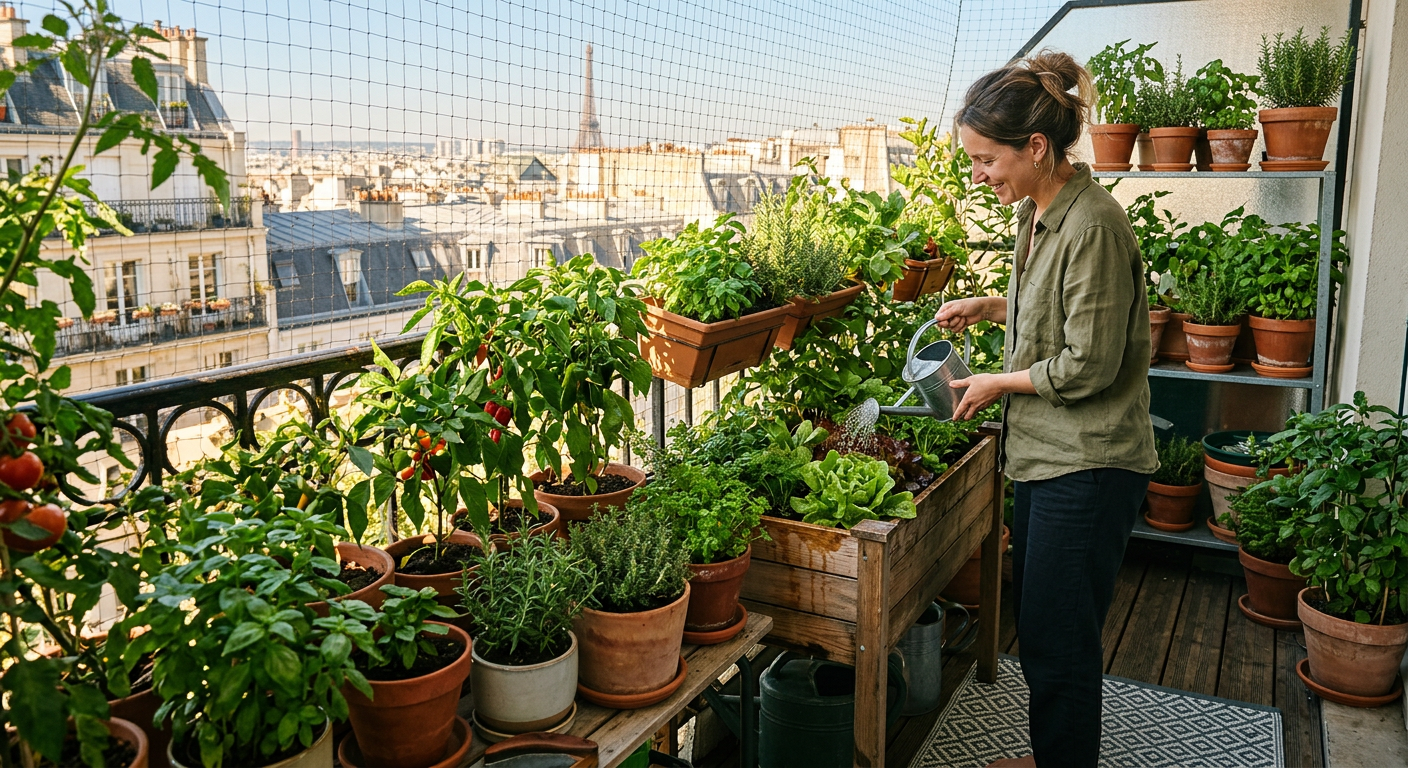
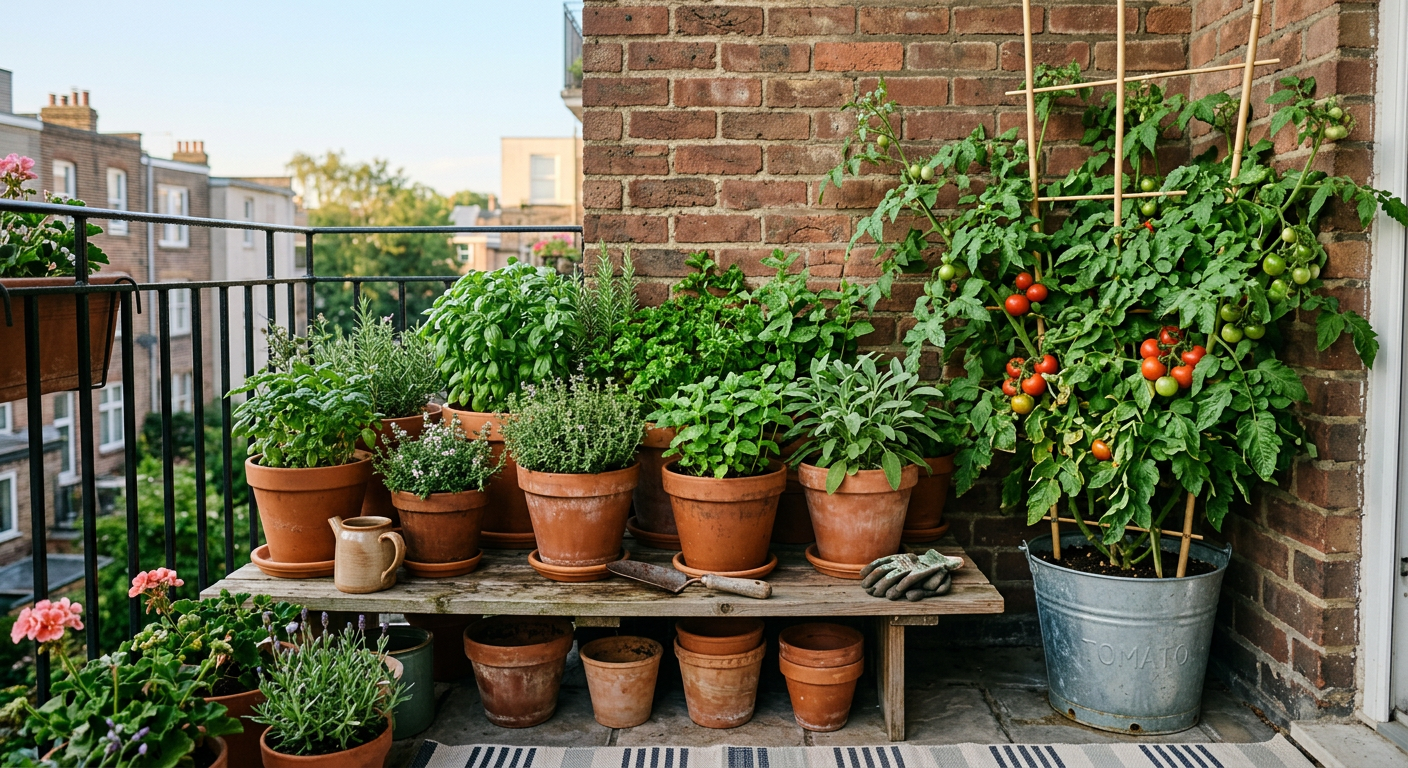
    !Learning how to start urban homesteading small balcony with lush potted herbs and sunny morning light.

    I can still smell the damp potting mix we spilled on the living room floor of our third-story apartment. We’d hauled two giant bags up the stairs, convinced this was the year we’d be “urban homesteaders.” I had this glorious vision of plucking ripe, red tomatoes from our tiny 5×8 foot balcony, but by August all we had was one sad, green-shouldered tomato and a bad case of blossom end rot. That failure was the best thing that ever happened to our homesteading journey.

    🎯 Quick Answer: To start urban homesteading on a small balcony, focus on vertical space with stacking planters and trellises. Choose high-yield, small-footprint crops like herbs and salad greens over space-hogs like large tomatoes. The goal is to build skills and supplement your food, not replace the grocery store.

    🔑 Key Takeaways

    * Assess Your Space: Before buying anything, check your balcony’s weight limit, sun exposure (real hours, not just a guess), and your building’s rules.

    * Go Vertical: Your most valuable real estate is vertical. Use railing planters, wall-mounted trellises, and stacking pots to multiply your growing area.

    * Choose Plants Wisely: Focus on value and yield per square foot. Herbs, cut-and-come-again lettuces, and radishes are winners. Heirlooms can wait.

    * Close the Loop: Start a small worm bin (vermicomposting) to turn kitchen scraps into incredible fertilizer. It’s odorless and perfect for small spaces.

    * Skill Up: Homesteading isn’t just about growing. Learning to dry herbs, make simple ferments, or sprout seeds are skills that fit any size home.

    * Manage Expectations: You won’t be fully self-sufficient from a balcony. Celebrate every single leaf you grow and every meal you supplement.

    🌱 Start Your Homestead Plan →

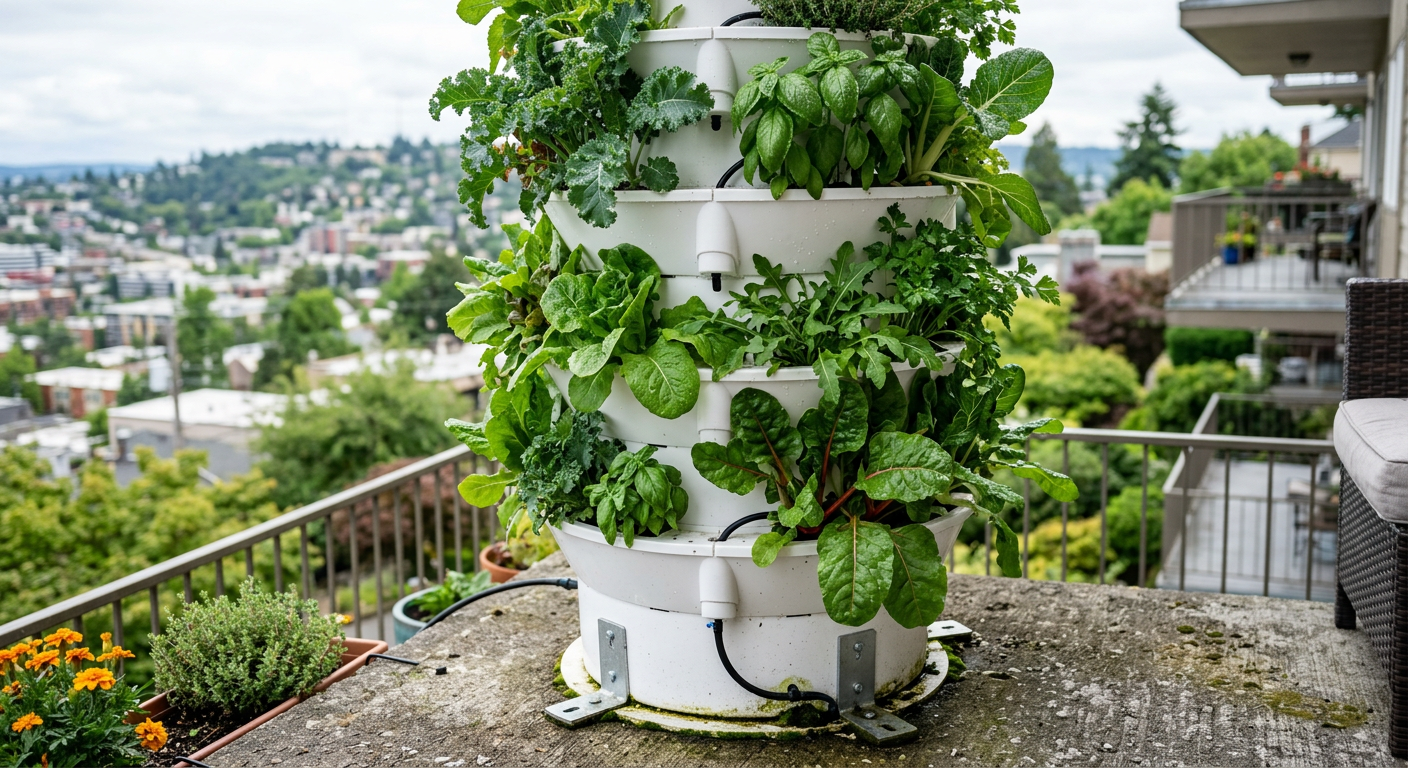
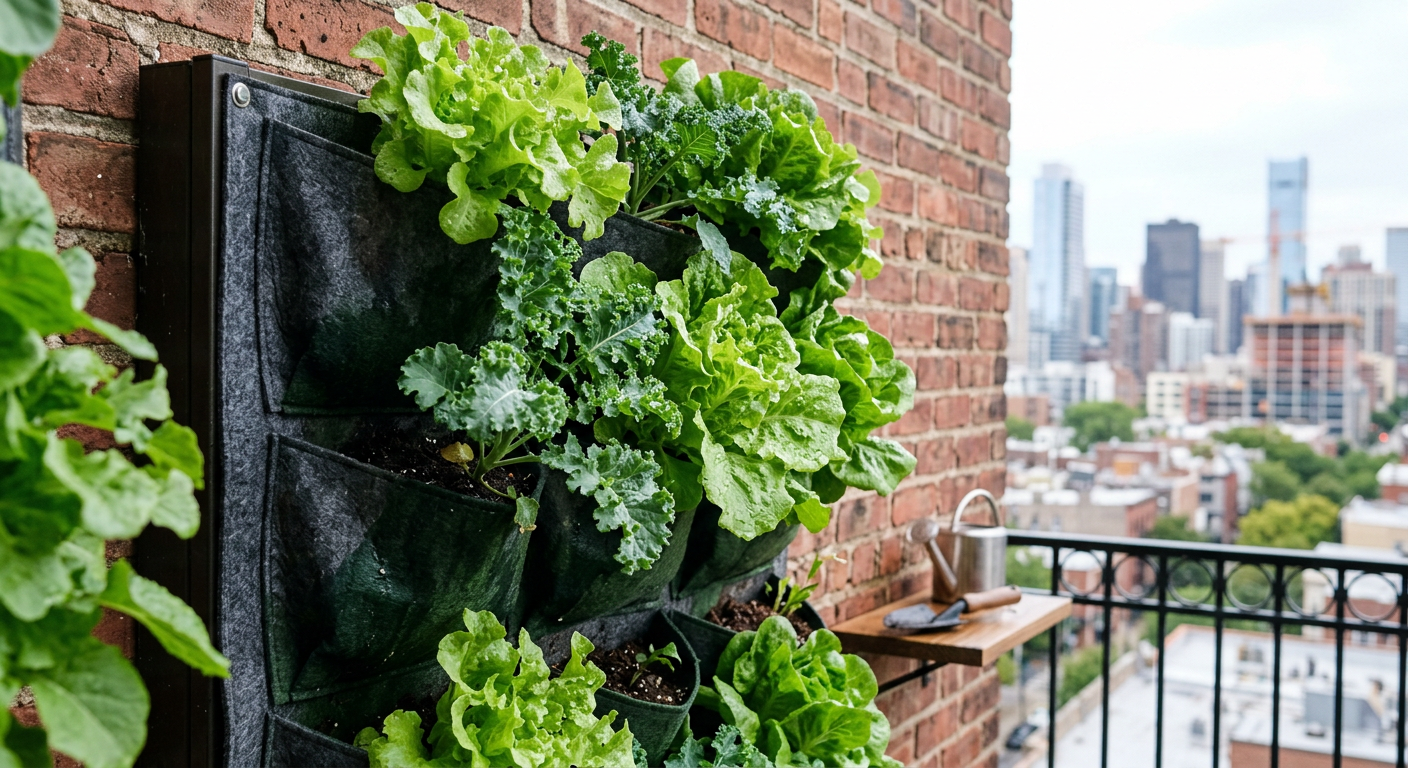
    !Vertical gardening setup for how to start urban homesteading small balcony using pocket planters and lettuce.

    Know Your Balcony Before You Begin

    Before you spend a single dollar, you need to play detective. We learned this the hard way. We assumed our east-facing balcony got “full sun.” We were wrong.

    It got four hours of absolutely scorching morning sun, which was enough to fry our delicate lettuce starts but not enough to ripen a Brandywine tomato. We wasted a whole season—and about $75 on fancy seeds and soil—because we didn’t observe first.

    How to do a Balcony Audit

  • Sun Mapping: Get a sun tracker app or just go out every hour for a full day. Mark down exactly when the sun hits your balcony and when it leaves. Be honest. Six hours is the bare minimum for most fruiting plants (tomatoes, peppers). Less than that? You’re in the greens and herbs zone.
  • Weight Limits: This is the serious part. Potting soil, water, and containers get HEAVY. A 10-gallon pot can easily weigh 80-100 pounds when wet. Check your lease agreement or contact your building management about balcony load capacity. A good rule of thumb from most engineers is about 40-60 pounds per square foot, but you must verify. A University of Missouri Extension article gives a good overview on container weights.
  • Wind and Rain: Is your balcony covered? Is it a wind tunnel? We had a beautiful basil plant get snapped in half by a wind gust on our old corner balcony. Now we know to create windbreaks or secure taller plants.
  • Failing to do this audit is the first step towards a balcony full of dead plants and disappointment. Do the boring work first.

    This next step is where you can literally triple your growing space.

    Vertical Victory: How to Maximize a Small Footprint

    Once you know your space, it’s time to think up, not out. This is the absolute key to how to start urban homesteading on a small balcony successfully.

    I’ll never forget the day my husband came home with a discarded shipping pallet. I thought he was nuts. He stood it on its end against the balcony wall, stapled some landscape fabric inside to create pockets, and for about $20 in supplies, we created a vertical garden that held 12 separate plants—mostly lettuce and herbs. It changed everything.

    Your Vertical Toolkit

    * Railing Planters: The easiest win. They use space that is otherwise completely wasted. We used simple coco-liner planters for flowers and herbs. Cost: $15-30 each.

    * Stacking Pots: These are brilliant for strawberries or herbs. A single pot’s footprint can hold 3-5 tiers of plants. Look for brands like Mr. Stacky.

    * Trellises: A simple lattice against the wall is perfect for vining plants like peas, beans, or even a small-variety cucumber. It guides them upward and keeps them from sprawling.

    * Shelving Units: A cheap, rust-resistant metal shelving unit can hold dozens of small pots for starting seeds or growing microgreens.

    Don’t just put three pots on the floor. That’s a patio, not a homestead. Think like an engineer and use every available Z-axis.

    📋 Get the Beginner’s Balcony Checklist →

    Now that you have the space, what on earth should you grow in it?

    Choosing Your Crops: Be a Ruthless CEO

    That first year, my heart was set on growing heirloom tomatoes. They’re the iconic homesteading plant, right? I spent months babying that one plant in a giant, expensive pot. My total harvest was three tomatoes. Three.

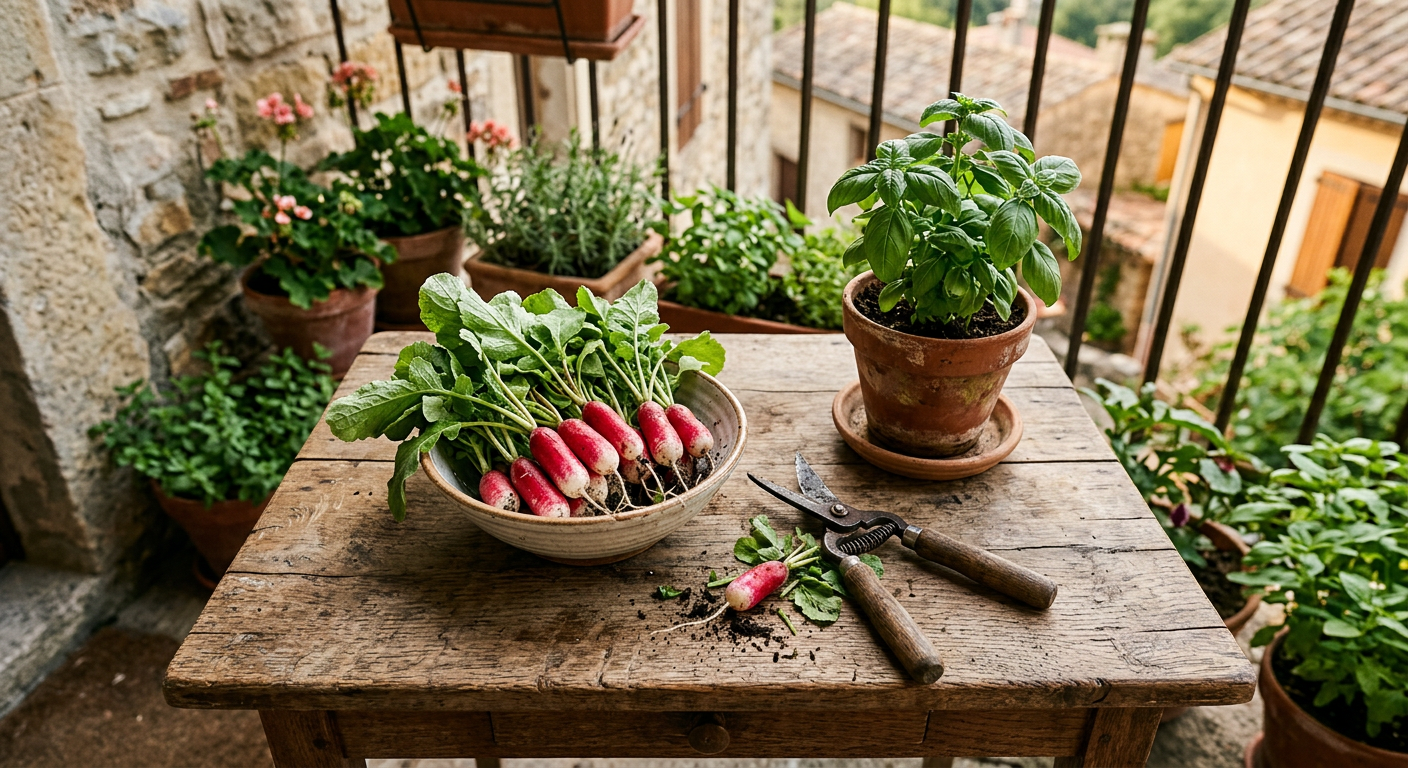
    Next to it, in a pot half the size, I had a mix of basil and oregano. We harvested from it every other day for four months. It saved us at least $50 in fresh herbs from the store.

    Which one was the better “homestead” plant? It wasn’t the tomato.

    You have to be the ruthless CEO of your balcony. Your currency is square inches. Your goal is return on investment (ROI). It’s all about shifting your mindset, which is something we cover a lot in our HomesteadOS system.

    High ROI Balcony Crops

    * Cut-and-Come-Again Greens: Mesclun mix, arugula, leaf lettuce. You can harvest the outer leaves, and the plant keeps producing for weeks. Infinitely better than a single head of lettuce.

    * Herbs, Herbs, Herbs: Especially perennial herbs. Chives, mint (in its own pot!), oregano, thyme. They are expensive to buy fresh and incredibly easy to grow. We have a whole guide on the best perennial herbs that work well in containers.

    * Radishes: They go from seed to plate in as little as 25 days. The satisfaction is immense, and you can succession plant them all season.

    * Bush Beans: They don’t need a huge trellis and are very productive for their size.

    Stop dreaming about pumpkins. Start getting excited about having fresh chives for your eggs every single morning.

    But growing is only half the battle. You need to close the loop.

    !A fresh harvest of radishes and basil showing how to start urban homesteading small balcony successfully.

    The Balcony Ecosystem: Composting & Skills

    Real homesteading is about creating systems, not just hobbies. Even on a balcony, you can create a tiny, closed-loop system.

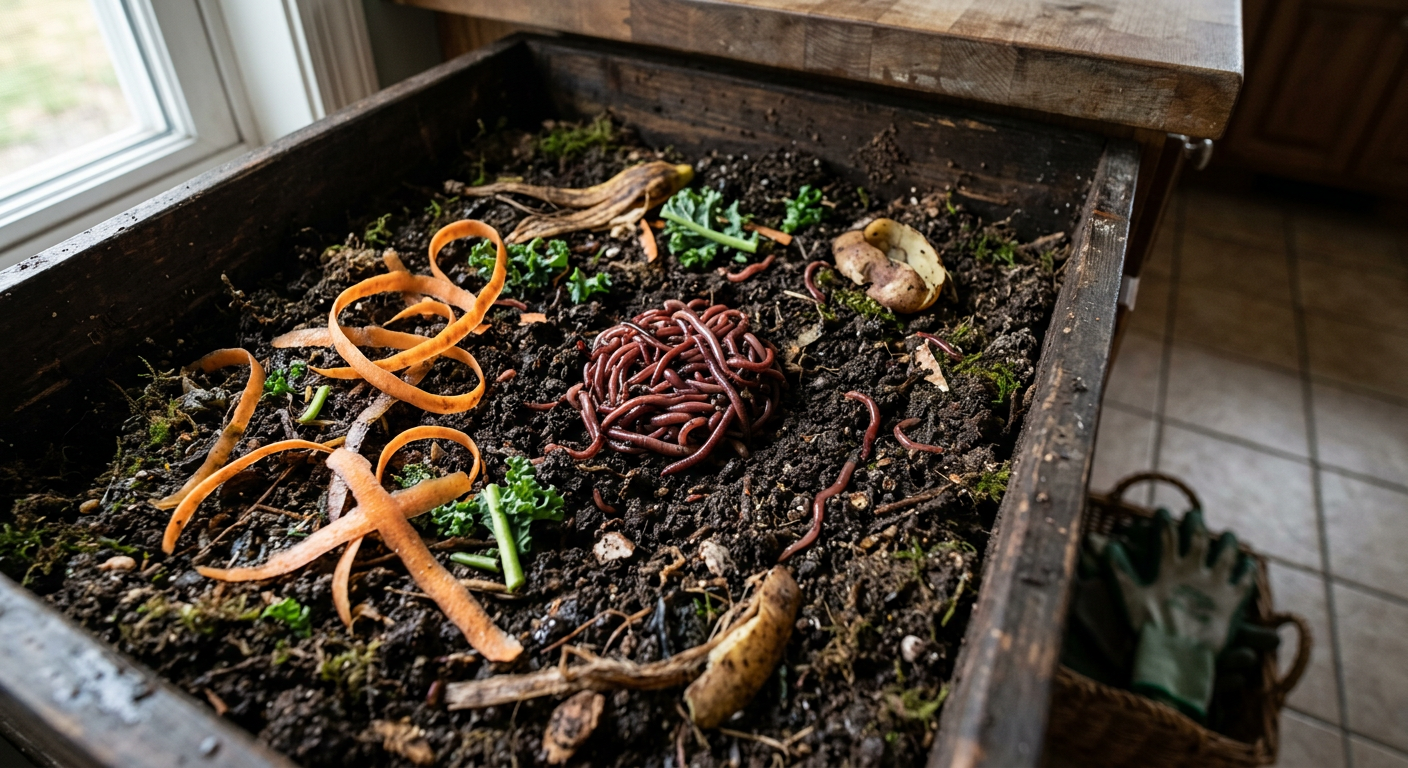
    The game-changer for us was vermicomposting—a worm bin. I was so hesitant. Worms? In our apartment? But a proper bin is completely odorless and takes up about one square foot of shady space.

    We bought a Worm Factory 360 for around $120 and a pound of red wigglers for $30. We feed them our coffee grounds, vegetable peels, and shredded junk mail. They turn it into the most incredible black gold fertilizer I’ve ever seen. No more buying bags of fertilizer. We were creating our own.

    This is also where you practice other homesteading skills. Instead of just growing basil, learn to dry it for winter. Instead of growing mint, learn to make mint tea or simple syrup. These are some of the most essential homesteading skills beginners need, and they require zero acres.

    Every time you turn a “waste” product (kitchen scraps) into a resource (fertilizer), you are homesteading. 🔥

    Keep reading — this is where most people mess up.

    💡 Pro Tips

    These are the things we learned through pure trial and error. Mostly error.

    * Water Correctly. Water the soil, not the leaves. Water deeply in the morning so the plants have time to dry out, which prevents fungus. We spent $15 on a simple moisture meter, and it was a godsend.

    * Saucers Are Not Optional. A single overflowing pot can stain the concrete and make your downstairs neighbor furious. Get saucers big enough to catch a full watering.

    * Invest in Potting Mix. Don’t just use dirt from the ground. It’s too heavy, compacts easily, and has pests. Buy a quality potting mix designed for containers. It’s worth the money.

    * Feed Your Plants. Container plants are entirely dependent on you for nutrients. The worm castings are amazing, but a regular feeding with a balanced liquid organic fertilizer every 2-3 weeks during peak season is crucial.

    Start Small. Please, don’t try to plant 20 different things your first year. Pick 3-5 plants and learn to grow them well*. Success builds momentum.

    🔧 See Our Recommended Balcony Tools →

    ⚠️ Beginner Mistakes to Avoid

    I cringe when I see new gardeners making these same mistakes we did. Save yourself the heartache.

    * Ignoring a Pest Problem. One aphid is a warning. Ten aphids is an issue. A hundred is an infestation. On a balcony, things can get out of hand FAST. Check your plants daily and act immediately (a simple soap spray often works).

    * Overcrowding Seedlings. The seed packet says thin to 6 inches apart for a reason. If you let ten radish seedlings compete in a tiny pot, you’ll get ten tiny, useless roots instead of one big, crunchy one. Be ruthless and snip the weak ones.

    * Forgetting to Secure Things. A sudden thunderstorm can turn your beautifully arranged pots into a disaster. We once had a railing planter get ripped off in a storm. Use zip ties or wire to secure anything that could become a projectile.

    * Wingin’ It. Just buying stuff without a plan is a recipe for failure. Getting a solid plan in place first for what to plant where and when is crucial. We built the HomesteadOS dashboard to help new homesteaders avoid these exact pitfalls and map out their seasons.

    Frequently Asked Questions

    H3: How do I know if my balcony can support the weight of a garden?

    This is critical. You absolutely must check your lease or building management for specific load capacity limits. As a very general, non-professional guideline, most concrete balconies are designed to hold 40-60 lbs per square foot. To be safe, use lighter-weight fiberglass or fabric pots, use a soilless potting mix, and spread the weight out rather than clumping it all in one corner.

    H3: What can I realistically grow with only 3-4 hours of sun?

    Don’t despair! This is prime real estate for shade-tolerant crops. Think leafy greens like spinach, kale, and various lettuces. Many herbs thrive in part-sun, including mint, chives, parsley, and cilantro. You can also grow root vegetables like carrots and radishes, though they may mature a bit slower.

    H3: How do I deal with pests like aphids or spider mites on a balcony?

    Prevention is key. Healthy, properly watered plants are less susceptible. Check under leaves regularly. If you see pests, act fast. Often, a strong spray of water from a bottle is enough to dislodge them. For more persistent pests, an insecticidal soap spray (you can buy it or make your own with a few drops of Castile soap in water) is a safe and effective option.

    H3: Is it cheaper to grow my own food on a balcony?

    Honestly? At first, no. Initial setup costs for good pots, soil, and maybe a shelving unit can be $100-$200. The real savings come from growing high-value items you’d otherwise buy expensive and organic. A $3 packet of basil seeds can give you $50+ worth of fresh basil over a summer. The value is in the fresh, nutrient-dense food and the skills you build.

    !A worm bin for composting, a key step in how to start urban homesteading small balcony for organic fertilizer.

    It Starts with a Single Pot

    That first failed tomato taught me more about homesteading than any book could have. It taught me to observe, to be realistic, and to find joy in a single, perfectly crisp radish instead of a fantasy of self-sufficiency.

    Urban homesteading on a small balcony isn’t about acreage; it’s about attitude. It’s a declaration that you want to be more connected to your food, even if it’s just one pot at a time. So go for it. Buy one pot, some good soil, a packet of lettuce seeds, and begin.

    And for more stories from our journey and tons of practical tips, we’d love for you to follow our page on Facebook. We’re all in this together.

    What’s the ONE thing you’re most excited to try growing on your balcony? Drop a comment below!


    📚 More From Our Homestead

    Ready to Start Your Homestead Journey?

    Free guides, checklists, and tools to help you build your dream homestead.
    Explore Free Resources →

  • Start Homesteading with No Land? Here’s How We Did It

    !A thriving balcony garden showing how to start homesteading with no land experience in an apartment.

    I still remember the smell of hot concrete on our third-floor apartment balcony. I had one pathetic tomato plant in a five-gallon bucket, and it was getting absolutely annihilated by aphids. I felt like a total failure, staring at my sad little plant while dreaming of acres of green pasture I couldn’t afford.

    That was my first lesson in homesteading: it doesn’t start with a deed to a property. It starts with a mindset, and learning how to start homesteading with no land experience is the most valuable first step you can take.

    🎯 Quick Answer: The best way to start homesteading with no land is to transform your current space (apartment, rental, suburban yard) into a learning lab. Focus on building practical skills like container gardening, food preservation, and basic repairs before you ever sign a mortgage. Your homesteading journey begins with your hands and your head, not a plot of land.

    🔑 Key Takeaways

    * Start Now, Where You Are: Homesteading is a set of skills and a mindset, not a location. You can begin in a city apartment or a suburban rental.

    * Focus on Skills, Not Acres: Learning to bake bread, mend clothes, or can jam is more valuable initial experience than owning land you don’t know how to manage.

    * Sweat Equity is Real: Volunteer on local farms, help neighbors with their gardens, or join a community garden to gain practical, hands-on land experience for free.

    * The Kitchen is Your First Farm: Master food preservation, scratch cooking, and minimizing waste. This is the heart of a homestead and can be done anywhere.

    * Plan and Save Aggressively: Use this land-less time to build a rock-solid financial plan and a’knowledge bank.’ Read, research, and budget like your future depends on it—because it does.

    * Community is Your Best Crop: Connect with other homesteaders, gardeners, and farmers online and in person. They are your future support system and a goldmine of information.

    🌱 Start Your Homestead Plan →

    !Hands kneading dough to learn how to start homesteading with no land experience through kitchen skills.

    Bloom Where You’re Planted: Your First Homestead is Your Mindset

    Everyone thinks you need five acres and a barn to start homesteading. They’re wrong. The truth is, if you can’t keep a basil plant alive on your windowsill, you’re going to have a brutal time managing a quarter-acre garden.

    We spent three years in a 900-square-foot rental before we bought our land. I thought of it as our ‘homesteading incubator’.

    Master the Micro-Garden

    Forget acres. Think in square feet. Or even square inches.

    * Container Gardening: We grew so much in containers on our tiny concrete patio. We had two EarthBox systems that cost us about $50 each and produced an insane amount of salad greens and peppers. We killed a lot of plants, but each dead plant was a cheap lesson.

    * Windowsill Herbs: Start with a few pots of simple herbs. They’re forgiving and the ROI is huge. Fresh chives for your eggs is a little victory that keeps you going.

    * Sprouts & Microgreens: You can grow these on your kitchen counter in a jar with just seeds and water. It’s the fastest, cheapest way to produce your own food. We got started with a $15 sprouting kit.

    My balcony tomato failure taught me about pests. The next year, I learned about neem oil and companion planting with marigolds. It was a small-scale, low-stakes education. Getting a concrete plan for even a small space is crucial; we used a system similar to the one at usehomesteados.com to map out our tiny patio garden so we knew exactly what to plant and when.

    Want to dig deeper? Our guide on starting a small backyard vegetable garden translates perfectly to a container setup.

    This next section is about getting real, dirty, hands-on experience… for free.

    Trade Sweat for Skills: The Secret to Free Land Experience

    You don’t own land. But someone near you does, and they are probably overworked and could use a hand. This is your golden ticket.

    I’ll never forget the Saturdays I spent helping an old timer, Mr. Henderson, with his small goat herd. I offered to help him mend fences—a skill I wanted to learn—in exchange for him teaching me the basics of animal care. I learned how to trim hooves, spot signs of illness, and how truly stubborn a goat can be. That education was priceless, and it cost me nothing but sweat and a willingness to listen.

    How to Start Homesteading with No Land Experience via Bartering

  • Find the People: Visit local farmers’ markets. Don’t just buy produce; talk to the farmers. Tell them you’re eager to learn and willing to work.
  • Offer a Specific Skill: Are you good with computers? Offer to help a farm set up a simple website. Can you build? Offer to repair a chicken coop.
  • Just Offer to Weed: Seriously. No farmer in history has ever turned down a genuine offer for help with weeding. It’s how you get your foot in the door. You learn plant identification and you get to ask all the questions you want while you work.
  • Check for Formal Programs: Look into organizations like WWOOF (Worldwide Opportunities on Organic Farms). You can often trade work for room, board, and an intensive learning experience.
  • This is about being humble. You’re not going to be driving the tractor on day one. You’re going to be hauling manure. Embrace it. The lessons are in the manure.

    Once you’re learning to work the land, you need to learn what to do with the bounty.

    Learn the Lost Arts (In Your Modern Kitchen)

    Homesteading isn’t just growing things. It’s about a cycle of production and preservation. You can master 90% of these skills in a regular apartment kitchen. This knowledge is CRITICAL when you have a garden explosion and need to deal with 40 lbs of zucchini at once.

    Kitchen Skills to Master Now

    * Canning & Preserving: My first attempt at pressure canning was terrifying. I was sure the whole thing would explode. I followed a recipe from the Ball Blue Book and processed six jars of green beans. When I heard the ‘ping’ of each lid sealing as they cooled, it was one of the most satisfying sounds I’d ever heard. Start with water-bath canning for high-acid foods like pickles and jam. It’s less intimidating.

    * Baking from Scratch: Forget the bread machine. Learn to make a simple loaf of sourdough or no-knead bread. It connects you to your food, saves money, and makes your house smell incredible. My sourdough starter, which I’ve had for seven years, was born in that city apartment.

    * Basic Mending: A sewing machine is great, but just learning to sew on a button or patch a pair of jeans with a needle and thread is a foundational skill. It’s the anti-consumerism mindset in action.

    These are the essential homesteading skills that will truly make you self-sufficient, and they don’t require a single acre.

    📋 Get the Beginner Checklist →

    Now for the least glamorous, but most important part: the planning.

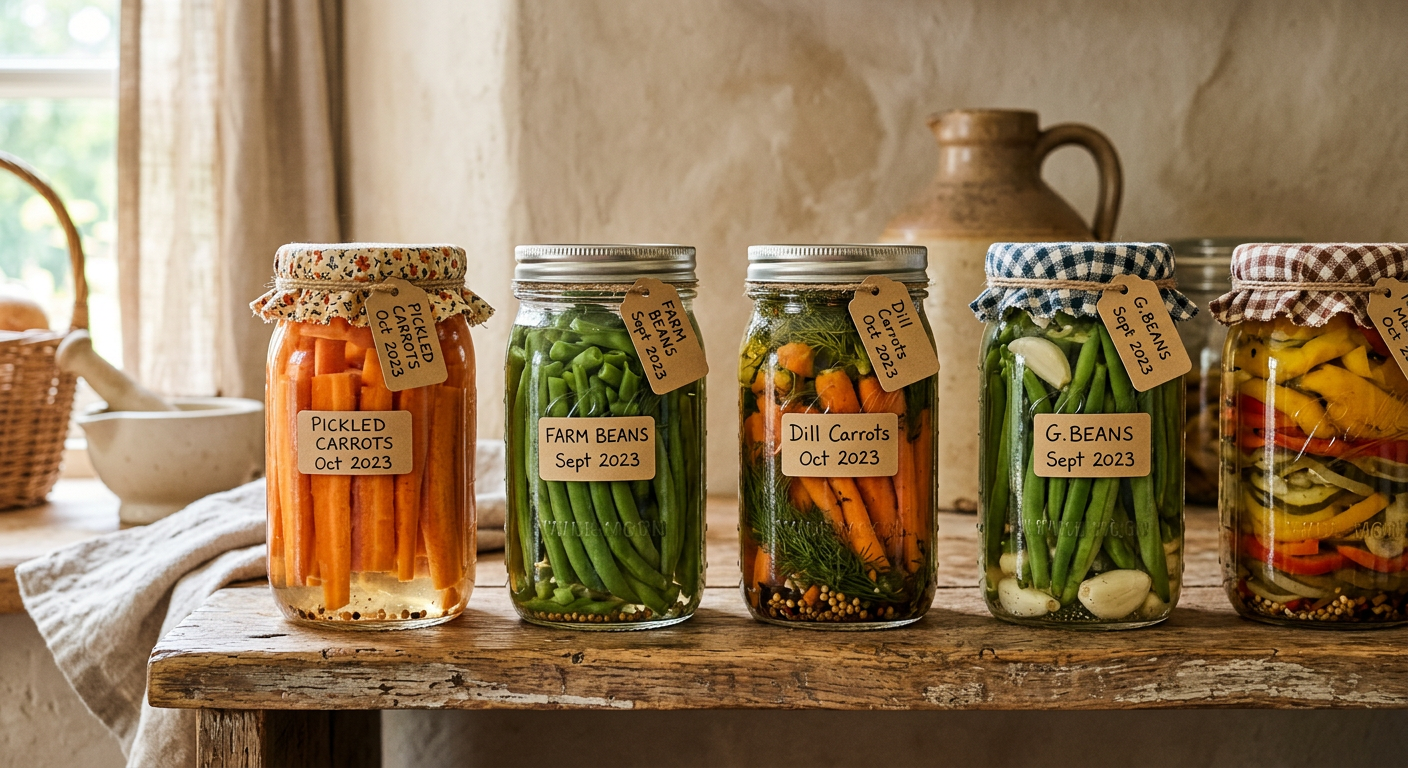
    !Canned vegetables on a shelf demonstrating how to start homesteading with no land experience.

    Build Your ‘Homestead Brain’ (And Your Bank Account)

    While you’re weeding someone else’s garden and canning pickles in your kitchen, your other full-time job is planning and saving.

    Running a homestead is running a small, very demanding business. You are the CEO, the janitor, and the head of livestock health. Using this land-less period to get your financial and mental house in order is the single biggest predictor of success.

    How to Prepare for the Financial Reality

    * The No-Fun Budget: We got ruthless. We tracked every single penny for an entire year. That meant no more unplanned $5 coffees, no more takeout when we were tired. That ‘saved’ money went directly into a ‘Homestead Down Payment’ account.

    * The ‘Dream Sheet’ Budget: We used a massive spreadsheet to game out the future. What would a mortgage cost? How much for property taxes in the counties we were looking at? What’s the startup cost for 10 laying hens? We over-estimated everything by 20%. This wasn’t just a budget; it was our road map.

    * Read Voraciously: Absorb everything. Follow homesteading bloggers (the real, dirt-under-the-fingernails kind), subscribe to magazines like Mother Earth News, and read books. Create a plan, even if you don’t have the land yet. A detailed plan of action is what separates the dreamers from the doers; we used a framework from usehomesteados.com to build out our first five-year goals.

    This is your time to learn about homesteading on a budget before the costs are real and unforgiving.

    Keep reading — this is where most people mess up.

    💡 Pro Tips

    * Start with ONE thing. Don’t try to learn sourdough, kombucha, and container gardening all in the same week. Master one skill, feel the win, then add another. Overwhelm is the number one dream-killer.

    * Document Everything. Take pictures of your sad, aphid-infested tomato plant. Keep a journal of your canning successes and failures. When we finally bought our land and I felt overwhelmed, I looked back at those early notes and realized how far we’d come. It was a huge morale boost.

    Focus on Knowledge, Not Gear. You don’t need a $300 Excalibur dehydrator when you live in an apartment. Learn to do it in your oven on the lowest setting first. Buy the gear when you have a proven need* for it, not a perceived want.

    * Find Your ‘Why’. Why do you want this life? Write it down. On the hard days—and there will be many—that ‘why’ is what will get you out of bed before sunrise.

    ⚠️ Beginner Mistakes to Avoid

    * Buying the Land First: This is the biggest one. People fall in love with a piece of property but have no idea about water rights, zoning, soil quality, or the skills needed to manage it. The land is the LAST piece of the puzzle, not the first.

    * Romanticizing the Work: I watched a friend buy 50 meat chickens for their new homestead. They loved the idea of raising their own food. They were not prepared for the reality of processing day. It’s muddy, bloody, and emotionally taxing. Don’t gloss over the hard parts.

    * Ignoring Local Laws: You can’t just put a goat in your suburban backyard. Before you even dream of animals, read your city and county ordinances. We knew a couple who had to re-home their beloved hens because a neighbor complained and they were in violation of a local rule.

    * Going Into Debt for ‘Stuff’: Your homestead dream can be crushed by a tractor payment you can’t afford. Start with good, solid hand tools. We broke ground on our first big garden with a $40 broadfork, not a $20,000 tractor.

    🔧 See Recommended Tools →

    Frequently Asked Questions

    H3: Can you really homestead in an apartment?

    Absolutely. Apartment homesteading focuses on skills, not scale. You can bake bread, ferment foods (like sauerkraut and kimchi), grow sprouts, manage a worm composting bin under your sink, and learn to mend and repair. It’s about creating a productive, self-sufficient mindset within the space you have.

    H3: What is the very first skill I should learn?

    Cooking from scratch. 100%. If you can’t transform raw ingredients into a meal, you can’t be a homesteader. It teaches you planning, reduces waste, saves an enormous amount of money, and is the foundation for every other food skill like canning and baking.

    H3: How much money do I need to save to start homesteading?

    It varies wildly, but the answer is: more than you think. Don’t just save for a down payment. You need a separate, substantial fund for startup costs: tools, fencing, initial livestock, seeds, infrastructure repairs. We had a $15,000 ‘Oh Crap’ fund on top of our down payment, and we used about a third of it in the first six months.

    H3: Where can I find local farms to volunteer on?

    Start at your local farmers’ market and just talk to people. Use social media to search for farms in your area; many are active on Instagram or Facebook. You can also check with your local USDA Extension office as they often have connections to community gardens and local agricultural programs.

    H3: Is it better to learn gardening or animal husbandry first?

    Gardening. Always gardening. Plants are cheaper, the mistakes are less heartbreaking than with animals, and the learning curve is more forgiving. The skills you learn tending a garden—observation, patience, dealing with pests and disease—directly translate to animal care later on.

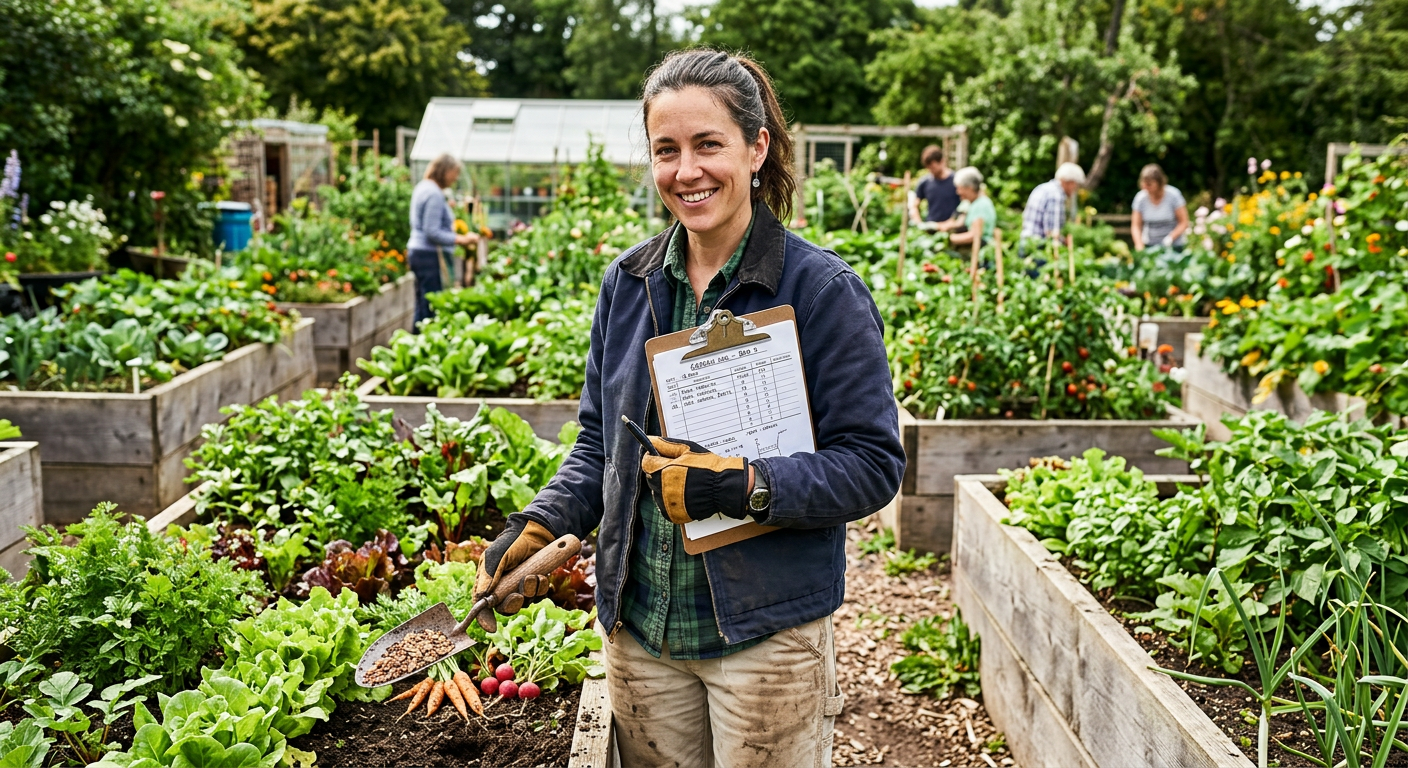
    !A person gardening in a community plot to understand how to start homesteading with no land experience.

    Your Homestead Starts Today

    Looking back at that sad little tomato plant on my city balcony, I don’t see a failure anymore. I see the beginning. I see the first step on a path that led us here, to our own land, with dirt under our nails and a pantry full of food we grew ourselves.

    Your land is out there, maybe. But your homestead is right here, right now. It’s in the jar of sourdough starter on your counter, the needle and thread in your drawer, and the desire in your heart. You’ve already started.

    For more of our day-to-day wins and messy learning experiences, you can follow our journey on our Facebook page. We share the real, unfiltered side of this life.

    What’s the one skill you’re going to start learning this week? Let me know in the comments below!


    📚 More From Our Homestead

    Ready to Start Your Homestead Journey?

    Free guides, checklists, and tools to help you build your dream homestead.
    Explore Free Resources →

  • How to Start Urban Homesteading Small Balcony: 5 Steps

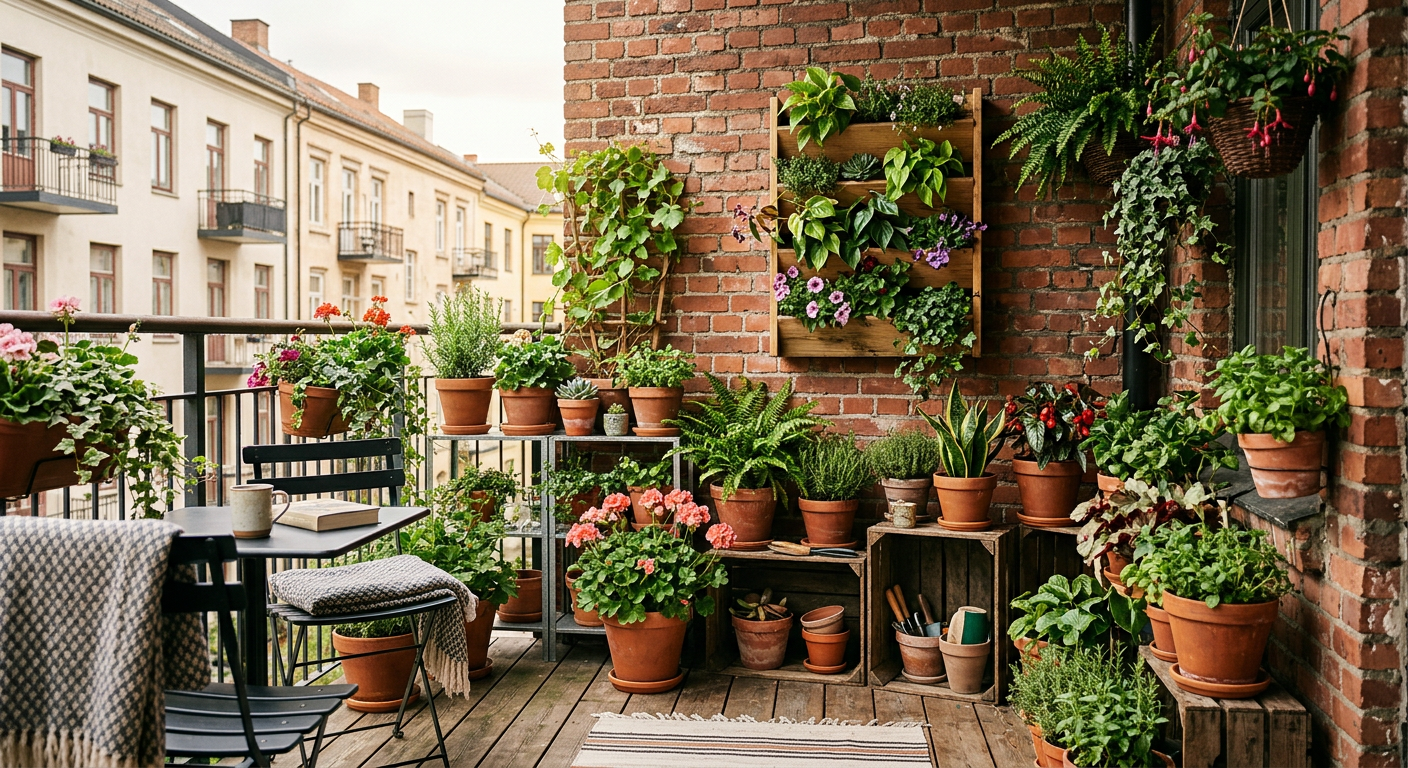
    !A lush apartment balcony showing how to start urban homesteading small balcony gardening with many plants.

    You don’t need a 100-acre ranch to call yourself a homesteader; sometimes, all you need is a couple of pots and a sunny railing. I remember staring at my tiny third-floor concrete slab thinking it was impossible to grow anything, but six months later, I was harvesting fresh salads every single night. The truth is, self-sufficiency isn’t about the size of your land, it’s about the size of your ambition.

    🎯 Quick Answer: To learn how to start urban homesteading small balcony spaces, focus on vertical gardening, high-yield container crops like greens and herbs, and small-scale solutions like worm composting. Start with just three pots and expand as you master the unique microclimate of your balcony.

    🌱 Start Your Urban Homestead Plan →

    🔑 Key Takeaways

    * Maximize Vertical Space: Use walls and railings to double your growing area.

    * Choose High-Value Crops: Focus on plants that are expensive at the store but easy to grow.

    * Master the Microclimate: Understand how wind, sun, and heat reflect off your apartment walls.

    * Scale Sustainably: Learn why starting with two plants is better than starting with twenty.

    * Circular Systems: Incorporate small-scale composting to eliminate waste and feed your soil.

    Assess Your Balcony’s Unique Microclimate

    Before you buy a single bag of soil, you have to play detective. Urban balconies are strange beasts—they are often significantly hotter than the ground level because concrete and brick soak up solar heat all day and radiate it back at night.

    First, track your sun exposure. Most vegetables need at least 6 hours of direct sunlight, but if you have a north-facing balcony, don’t panic! You can still thrive with leafy greens and herbs like mint or parsley that tolerate shade.

    Keep reading — this is where most people mess up.

    Wind is the silent killer of the urban garden. On higher floors, the wind can dry out a pot in a matter of hours or even snap delicate stems. If you’re on a high floor, consider installing a mesh windbreak or choosing sturdier, low-profile plants.

    Now that you know your environment, let’s talk about the gear that actually fits in a 4×8 space.

    Choosing the Right Containers and Soil

    When you’re learning how to start urban homesteading small balcony gardens, weight is a major factor. You can’t just throw heavy clay pots and farm dirt onto a balcony without considering structural limits and drainage.

    Go for lightweight materials like resin, fabric grow bags, or high-quality plastic. Fabric bags are a personal favorite because they prevent ‘root circling’ and allow the soil to breathe, which is vital in humid city summers.

    Never use ‘topsoil’ from the ground. It’s too heavy and doesn’t drain well in pots. Instead, invest in a high-quality organic potting mix. Look for ingredients like coco coir or peat moss, perlite for drainage, and a bit of compost for nutrients.

    But here’s the secret: even the best soil won’t help if your water runs straight onto your neighbor’s patio below. Always use saucers or a self-watering system to keep the peace with the folks downstairs.

    📋 Get the Beginner Checklist →

    Vertical Gardening: The Ultimate Space Hack

    If you only grow on the floor, you’re missing out on 70% of your potential harvest. Vertical gardening is the backbone of the urban homestead. Look at your walls and railings as prime real estate.

    Wall-mounted planters, pockets, and trellises allow you to grow ‘up’ instead of ‘out.’ You can grow cucumbers, snap peas, and even small melons on a sturdy trellis leaning against the building wall.

    Don’t skip this — it’ll save you hours (and money).

    Railings are perfect for ‘saddlebags’ or hanging planters. I love using these for strawberries and trailing herbs like thyme. Just make sure everything is securely fastened; a falling pot is a homesteader’s worst nightmare.

    Once your plants are climbing the walls, you’ll need a way to keep them fed without buying chemical fertilizers. That’s where the ‘hidden’ homesteading comes in.

    Small-Scale Composting and Sustainability

    Yes, you can compost on a balcony without the smell! A traditional pile won’t work, but a worm bin (vermicomposting) or a Bokashi bucket is perfect for apartment dwellers.

    Vermicomposting uses red wiggler worms to turn your kitchen scraps into ‘black gold.’ A small, ventilated plastic bin under a bench can process several pounds of scraps a week. It’s silent, odorless when done right, and provides the best fertilizer on earth.

    Bokashi is another great option. It’s a fermentation process that allows you to compost almost anything—including meat and dairy—which aren’t usually allowed in standard composting. It happens in a sealed bucket, making it a dream for small spaces.

    This next part? Nobody talks about it, but it changed everything for us.

    By closing the loop and turning your waste into soil, you’re creating a miniature ecosystem. You’re no longer just a consumer; you’re a producer. Now, let’s make sure you don’t fall into the common traps that break most beginners.

    💡 Pro Tips

    * Use ‘Cut and Come Again’ Greens: Instead of harvesting a whole head of lettuce, snip the outer leaves. The plant will keep growing, providing food for months.

    * Automate Your Watering: A simple drip irrigation kit with a battery-powered timer is a lifesaver if you travel or get busy.

    * Pot in Groups: Putting pots closer together creates a humid ‘micro-microclimate’ that helps plants survive extreme heat waves.

    * Label Everything: You think you’ll remember what kind of tomato that is, but three months later, it’s a mystery. Use permanent markers on wooden stakes.

    ⚠️ Beginner Mistakes to Avoid

    * Overwatering: More balcony plants die from ‘kindness’ (too much water) than from neglect. Wait until the top inch of soil is dry.

    * Buying ‘Big’ Varieties: Look for ‘Bush’ or ‘Patio’ labels on seeds. Growing a standard 8-foot beefsteak tomato on a balcony is a recipe for frustration.

    * Ignoring Pests: Aphids and spider mites love city balconies. Check the undersides of leaves once a week so you can catch issues early.

    * Forgetting the Bees: If you’re high up, pollinators might not find you. Plant some lavender or marigolds to invite them to the party.

    Frequently Asked Questions

    Can I really grow enough food to make a difference?

    While you likely won’t grow 100% of your calories, you can absolutely grow 100% of your herbs and a significant portion of your fresh greens. The nutritional value of ‘picked 5 minutes ago’ produce is also much higher than store-bought.

    Is it expensive to start a balcony homestead?

    It doesn’t have to be! You can upcycle food-grade buckets, start plants from seeds instead of buying starts, and make your own fertilizer with a worm bin. Start small and reinvest your savings into better gear over time.

    How do I handle the wind on a high-floor balcony?

    Use heavy pots (like glazed ceramic) for the base and secure lightweight pots to the railing with zip ties. Use ‘living windbreaks’ like tall, sturdy grasses to protect more delicate herbs.

    Do I need to worry about the weight on my balcony?

    Generally, modern balconies can handle about 50-100 lbs per square foot. Use lightweight potting soil and plastic/fabric pots to stay safe. Avoid heavy stone statuary or massive wooden raised beds.

    Your balcony is a blank canvas waiting to be turned into a lush, productive sanctuary. There is a deep, quiet thrill in eating a sandwich with tomatoes and basil you grew just three feet from your kitchen door. Don’t wait for ‘someday’ when you have land—start where you are.

    What’s your biggest challenge with starting an urban garden? I’d love to hear your story in the comments!

    🔧 See Recommended Urban Tools →


    📚 More From Our Homestead

    Ready to Start Your Homestead Journey?

    Free guides, checklists, and tools to help you build your dream homestead.
    Explore Free Resources →

  • Basic Food Preservation for Beginners: Our Family’s Go-To Methods

    !Learning what are basic food preservation methods for beginners with fresh garden harvest on a table.

    When we first started homesteading, the idea of preserving our own food felt like climbing Mount Everest! We’d look at our overflowing garden, or the great sales at the local farm stand, and just sigh, knowing so much good food would go to waste. But over the years, we’ve learned that you don’t need fancy equipment or a culinary degree to keep your harvest pantry-ready.

    🎯 Quick Answer: Basic food preservation methods for beginners include freezing, dehydrating, and water bath canning for high-acid foods. These techniques are relatively inexpensive, require minimal specialized equipment, and are fantastic ways to start building your long-term food storage without feeling overwhelmed.

    🌱 Start Your Homestead Plan →

    🔑 Key Takeaways

    * Start Small: Pick just one method to master before trying others.

    * Know Your Equipment: Most methods need specific tools, but many are affordable.

    * Safety First: Always follow tested recipes, especially for canning.

    * Cost-Effective: Preserving food saves money on groceries in the long run.

    * Reduce Waste: Keeps your garden bounty from spoiling.

    * Year-Round Enjoyment: Enjoy seasonal foods even in the off-season.

    !A simple way to practice what are basic food preservation methods for beginners through home freezing.

    Our Top 3 Basic Food Preservation Methods for Beginners

    When people ask us, “what are basic food preservation methods for beginners?”, we always point them to these three. They’re what we started with, and they’re still staples in our homestead kitchen today.

    1. Freezing: The Easiest Entry Point

    Freezing is, hands down, the simplest way to get started. If you have a freezer, you’re already halfway there! We love it for fruits, vegetables, and even cooked meals. It maintains most of the food’s nutritional value and flavor, and there’s no special skill involved.

    #### Cost and Time Commitment

    * Cost: Minimal. You’ll need freezer bags or containers. A gallon-sized freezer bag might cost $0.20-$0.50. A vacuum sealer (optional, but great for quality) can run $50-$150. We got our basic vacuum sealer for about $70 on sale years ago, and it’s paid for itself many times over.

    * Time: Very low. For most veggies, it’s a quick blanch (a minute or two in boiling water), an ice bath, drain, and bag. For fruit, often just wash, chop, and freeze. We can process a bushel of green beans in under an hour.

    #### Our Family’s Favorite Freezing Tips:

    * Flash Freezing: For berries or chopped veggies, spread them in a single layer on a baking sheet to freeze solid first. Then transfer to bags. This prevents clumping.

    * Blanching: Don’t skip blanching for most vegetables! It stops enzyme action that causes spoilage and loss of color/flavor. The National Center for Home Food Preservation has great guidelines.

    * Label Everything: Seriously, you’ll think you remember what it is, but a year from now, that mystery bag of green stuff isn’t so appealing. Date and contents!

    This method is super forgiving, and you’ll be amazed at how much you can squirrel away! But what about when freezer space is tight? We’ll get to that next.

    Keep reading — this is where most people mess up.

    2. Dehydrating: Packing Punch into Small Spaces

    Dehydrating food involves removing moisture to inhibit mold, yeast, and bacteria growth. This dramatically reduces food volume and weight, making it perfect for pantry storage, hiking, or emergency kits. We dehydrate a lot of apples, tomatoes, herbs, and even ground beef for our camping trips.

    #### Cost and Time Commitment

    * Cost: A basic dehydrator can cost $40-$100. More advanced models are $150+. Ours is an old, simple Nesco model we got for about $60 ten years ago. You can also use your oven on its lowest setting, though it’s less efficient.

    * Time: Prep is quick, but drying takes hours (6-12+ hours depending on food and dehydrator). It’s mostly hands-off, though.

    #### What We Love to Dehydrate:

    * Herbs: Mint, oregano, basil, rosemary – we just wash, pat dry, and spread them on trays. They dry in a few hours.

    * Fruit: Apple slices, banana chips, fruit leathers (pureed fruit spread thin). These are excellent healthy snacks.

    * Vegetables: Onions, bell peppers, carrots, tomatoes (for ‘sun-dried’ tomatoes without the sun!). Add them to soups and stews.

    Dehydrating can seem daunting, but once you get the hang of it, you’ll find it incredibly rewarding. Next up, a classic homesteading skill that allows for true shelf-stable storage!

    📋 Get the Beginner Checklist →

    3. Water Bath Canning: The Pantry Builder

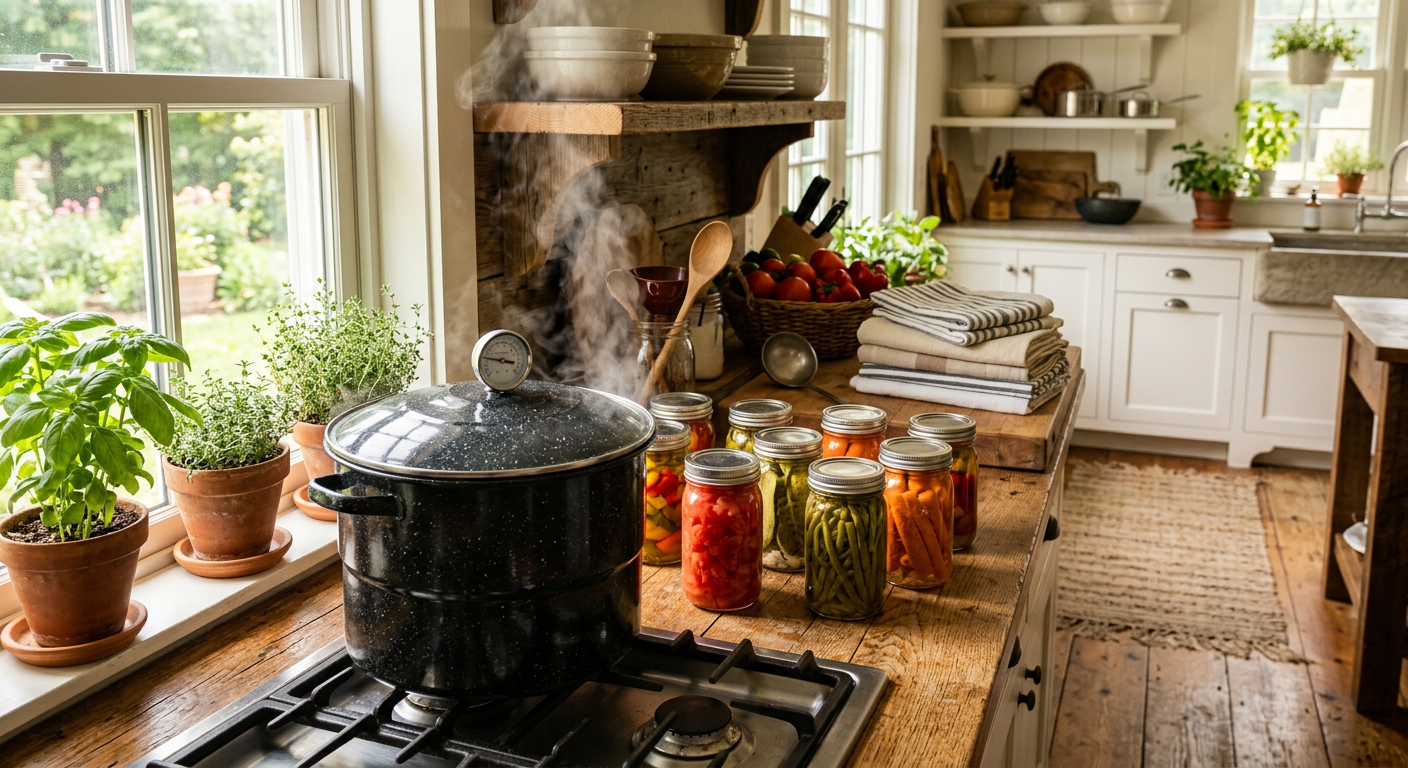
    Water bath canning is a fantastic way to preserve high-acid foods like fruits, jams, jellies, pickles, and tomatoes (with added acid). It uses heat to create a vacuum seal, making the food shelf-stable. Our shelves are full of homemade apple butter, dill pickles, and strawberry jam, all thanks to water bath canning.

    #### Cost and Time Commitment

    * Cost: You’ll need a large canning pot with a rack ($20-$40), canning jars (reusable, $15-$25/dozen), lids (new every time, $7-$10/dozen), and basic canning tools (jar lifter, funnel: $15-$25 for a kit). Initial investment might be $75-$150.

    * Time: Prep can be time-consuming, especially chopping and cooking. Processing time in the canner varies by recipe, but plan for at least 30-60 minutes per batch, plus cooling time.

    #### Our Go-To Water Bath Canning Recipes:

    * Homemade Jams and Jellies: Strawberry, raspberry, peach – these are simple and make great gifts. Check out extensions like USDA’s Complete Guide to Home Canning.

    * Dill Pickles: Cucumbers from the garden turn into crispy, tangy delights. We use a recipe from a Ball Blue Book that’s been passed down for generations.

    * Tomato Sauce: We love canning crushed tomatoes or a basic tomato sauce. No need to worry about pressure canning if you add a bit of citric acid or lemon juice to ensure proper acidity.

    This next part? Nobody talks about it, but it changed everything for us.

    💡 Pro Tips

    * Invest in a Good Reference Book: A Ball Blue Book Guide to Preserving is a must-have for safe canning. We refer to ours constantly.

    * Buy in Bulk & Preserve Immediately: When you see a great deal on produce, or your garden explodes, act fast. Delaying increases spoilage and can affect quality.

    * Batch Process: Don’t try to preserve everything at once. Break it down. One day for blanching and freezing beans, another for making and canning jam.

    * Utilize Your Garden: Link your preservation efforts to `How to Start a Small Backyard Vegetable Garden: Beginner Guide` so you maximize your harvest. Our harvests of tomatoes and cucumbers truly fuel our canning efforts.

    * Learn About Food Storage: Once preserved, learn the best ways to store your goods. Cool, dark, dry places are key for canned and dehydrated items. This is a critical `Essential Homesteading Skills Beginners Need`.

    !Using a dehydrator as one of the what are basic food preservation methods for beginners for fruits.

    ⚠️ Beginner Mistakes to Avoid

    * Ignoring Safety Guidelines: Especially with canning, improper methods can lead to botulism. Always use tested recipes and follow instructions precisely. No shortcuts!

    * Overbuying Equipment: Start simple. You don’t need every gadget. Focus on the method you want to try first.

    * Not Labeling: Trust us, that mystery jar in the back of the pantry is not fun. Label, label, label!

    * Trying Too Much At Once: It’s exciting, but attempting all three methods in a weekend will lead to burnout. Master one, then move on.

    * Using Overripe or Spoiled Produce: Preservation doesn’t improve bad food; it only preserves it in its current state. Start with fresh, high-quality ingredients.

    Frequently Asked Questions

    What are basic food preservation methods for beginners that are cheapest?

    The cheapest methods are usually dehydrating (if you already have an oven or can sun-dry in a very dry climate) and freezing (if you have freezer space already). For canning, initial equipment costs can be higher, but jars are reusable, making it economical long-term.

    Can I preserve any food with these basic methods?

    Not quite! Freezing is very versatile. Dehydrating works well for most fruits, veggies, and herbs. Water bath canning is only for high-acid foods. Low-acid foods (most vegetables, meats, dairy) require a pressure canner for safety, which is a step beyond basic for true beginners.

    How long do preserved foods last?

    Generally, properly frozen foods last 8-12 months. Dehydrated foods can last 1-5 years depending on the food and storage conditions. Water bath canned goods are typically good for 12-18 months, though they can often be safe to eat for longer if properly stored and sealed.

    Do I need special training to start preserving food?

    No formal training is required, but it’s crucial to follow reputable guides for safety. Resources like the USDA’s Complete Guide to Home Canning or your local university extension office are excellent starting points for reliable, tested recipes.

    What’s the best way to get started if I’m overwhelmed?

    Pick one fruit or vegetable you love that’s in season and try one method. For example, freeze some berries, or make a small batch of strawberry jam. Success with one small project will build your confidence for the next! You can also check out our `10 Beginner Homesteading Tips to Start Your Self-Sufficient Journey Today` for broader advice.

    !The successful results of what are basic food preservation methods for beginners shown in glass jars.

    Conclusion

    Learning what are basic food preservation methods for beginners has been one of the most empowering skills we’ve gained on our homestead. It connects us to our food, saves us money, and fills our pantry with delicious, home-grown goodness. Don’t let fear hold you back – start small, learn one method, and before you know it, you’ll be preserving like a pro!

    What’s your biggest challenge with food preservation? I’d love to hear your story.

    🔧 See Recommended Tools →


    📚 More From Our Homestead

    Ready to Start Your Homestead Journey?

    Free guides, checklists, and tools to help you build your dream homestead.
    Explore Free Resources →

  • How to Make Money From a Small Homestead

    !A thriving [backyard farm showing how to make money from a small homestead with raised garden beds.](https://xlvvlujsctgiorcwbtkv.supabase.co/storage/v1/object/public/blog-images/how-to-make-money-from-a-small-homestead/featured-1776530900600.png)

    Most people think you need 100 acres and a tractor the size of a house to turn a profit, but I’ve seen families clear five figures from a literal backyard. The truth is, your small plot of land is a goldmine waiting to be tapped if you stop thinking like a hobbyist and start thinking like a micro-entrepreneur.

    🎯 Quick Answer: The fastest way how to make money from a small homestead is to focus on high-margin, fast-turnaround products like microgreens, heirloom seedlings, or value-added goods like herbal salves rather than bulk commodities. By niche-marketing to your local community through CSAs or farm stands, you can turn a half-acre into a meaningful revenue stream.

    🌱 Build Your Profitable Homestead Strategy →

    🔑 Key Takeaways

    • Focus on High-Value Crops: Learn why leafy greens and herbs beat corn and potatoes every time.
    • Diversification is King: How to layer multiple income streams so you aren’t reliant on one harvest.
    • Value-Added Secret: Why a $2 jar of jam is worth more than the $0.50 worth of berries inside it.
    • Local Marketing: How to find customers who will pay premium prices for your hard work.
    • Scalability: Starting small ensures you don’t burn out before the profit starts rolling in.

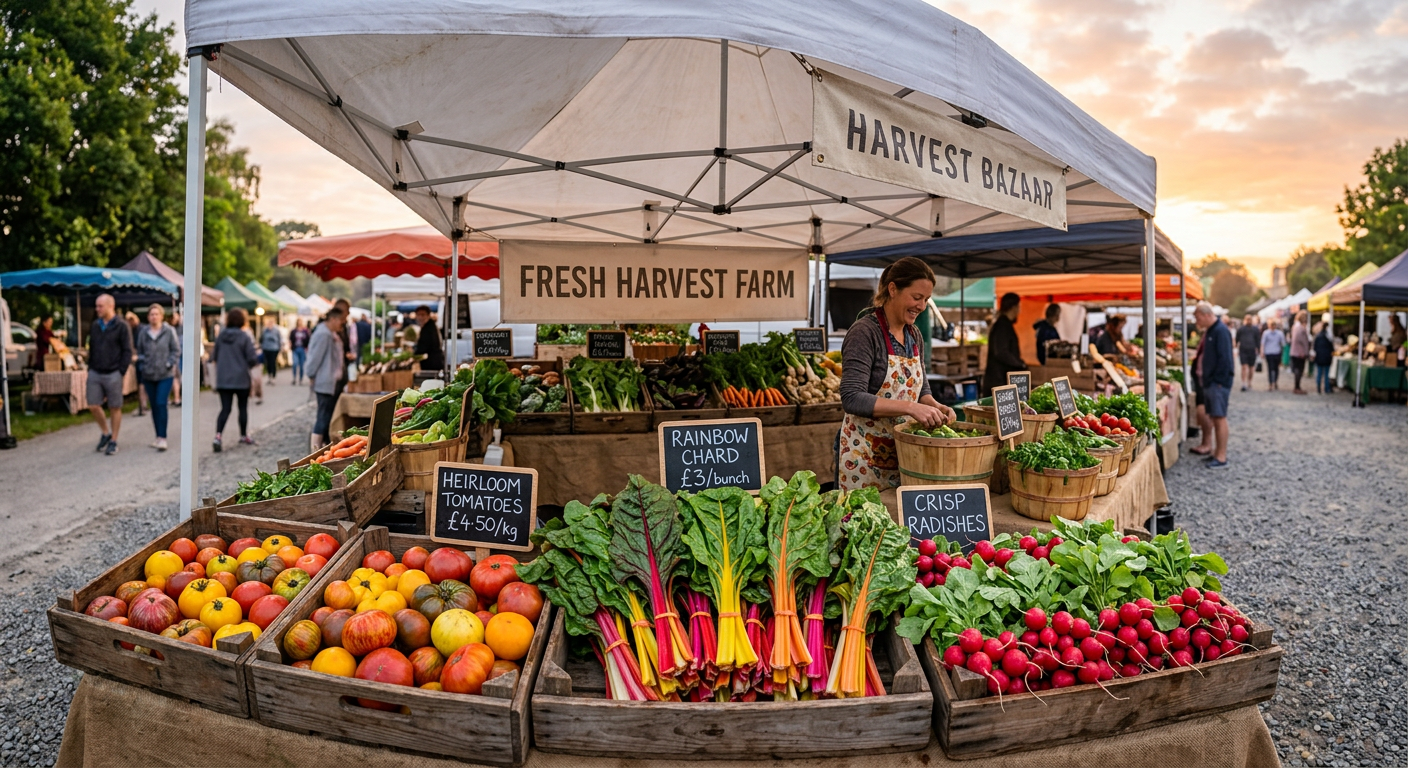
    !Local produce at a farm stand, a great way how to make money from a small homestead.

    The High-Margin Garden: Microgreens and Specialty Herbs

    When you are learning how to make money from a small homestead, space is your most limited resource. You simply cannot compete with industrial farms on volume, so you have to compete on quality and specialty. This is where microgreens and rare culinary herbs come in.

    Microgreens can be grown on vertical racks in a spare room or a small shed. They go from seed to harvest in about 10 to 14 days, allowing for a weekly paycheck. Local chefs rave about fresh pea shoots and radish greens because the grocery store versions are usually wilted and flavorless. If you can deliver them within hours of cutting, you can charge a premium.

    Don’t forget about perennial herbs like rosemary, lavender, and mint. Once these are established, they require almost zero effort but sell for $3-$5 per small bundle at a Saturday market.

    Now that you’ve mastered the soil, let’s talk about the feathered employees that can double your income.

    Keep reading — this next part is where most people skip the math and lose money.

    Ethical Egg Sales and Poultry Profits

    Everyone loves farm-fresh eggs, but if you want to know how to make money from a small homestead with chickens, you have to look beyond the carton. Selling eating eggs usually just covers your feed bill. To actually see a profit, you need to think about “breeding sets” or “hatching eggs.”

    High-end heritage breeds like Marans (who lay chocolate-colored eggs) or Ameraucanas (who lay blue eggs) are in high demand. A dozen eating eggs might sell for $5, but a dozen fertile hatching eggs from a rare breed can fetch $40 to $60.

    If you have the space, consider “chicken tractors” to raise meat birds. Pasture-raised poultry is a completely different product than what is found in a plastic wrap at the store. Your customers will taste the difference, and they’ll be happy to pay for the transparency of knowing how that animal was raised.

    📋 Get the Small Farm Profitability Checklist →

    But wait, what if you don’t want to sell raw products at all? There’s a way to triple your margins through “value-added” goods.

    The Power of Value-Added Products

    This is the secret sauce of successful small-scale farming. A “value-added” product is simply taking a raw material—like a tomato—and turning it into something else—like salsa.

    Think about it: a pound of tomatoes might sell for $3. But a small jar of organic, home-grown sun-dried tomato pesto can sell for $12. You are selling your time and your brand, not just the produce.

    Pro-tip: Check your local “Cottage Food Laws.” In many places, you can sell baked goods, jams, and dried herbs directly from your kitchen without a commercial license. This allows you to turn a surplus of summer berries into a shelf-stable product you can sell all winter long.

    This next part? Nobody talks about it, but it changed everything for our neighbors.

    !Growing microgreens as a high-margin method for how to make money from a small homestead.

    Agritourism: Selling the Experience

    You don’t just have to sell things; you can sell access. People living in the city are hungry for a connection to the land. They want to show their kids where food comes from. This is a massive opportunity for the small homesteader.

    Consider hosting “U-Pick” days for strawberries or pumpkins. You save on the labor of harvesting, and families pay you for the privilege of doing the work for you. Or, try hosting a workshop. If you know how to bake sourdough, make soap, or prune apple trees, you can charge $50 per person for a two-hour class.

    Your homestead isn’t just a farm; it’s a classroom and a sanctuary. Leveraging that atmosphere is a high-profit way to diversify your income without needing more acreage.

    But before you start, there’s one mistake that ruins everything — I’ll cover it next.

    💡 Pro Tips

    • Master Your Packaging: People eat with their eyes first; a professional label makes a $5 product look like a $15 product. ✅
    • Build a Mailing List: Don’t rely on Facebook algorithms. Get your customers’ emails so you can tell them exactly when the tomatoes are ripe. 🔥
    • Track Your Hours: If a product takes 20 hours to make but only profits $10, it’s a hobby, not a business. 💡
    • Focus on One Thing First: Don’t try to sell eggs, honey, soap, and veggies all in year one. Master one, then add the next. 🚀

    ⚠️ Beginner Mistakes to Avoid

    • Underpricing: Don’t try to match grocery store prices. Your quality is higher, so your price should be too.
    • Ignoring Local Laws: Always check zoning and health department rules before selling processed items.
    • Spending Before Earning: Avoid buying that brand-new expensive poultry plucker until you’ve actually sold your first batch of birds.

    !Value-added products like jam and herbs show how to make money from a small homestead.

    Frequently Asked Questions

    Can I really make money on just one acre?

    Absolutely. One acre is plenty for high-intensity vegetable production or a specialized flower farm. Many profitable market gardens operate on less than half an acre.

    What is the most profitable animal for a small homestead?

    Usually, rabbits or honeybees have the best ROI (Return on Investment) for small spaces because they require very little land and produce high-value products like meat, pelts, or honey and wax.

    Do I need a business license to sell at a farmers market?

    It depends on your state and what you are selling. Generally, raw produce requires less paperwork than processed foods or meat. Always check with your local Department of Agriculture.

    How do I find customers for my homestead products?

    Start with local Facebook groups, the Nextdoor app, and your local farmers market. Word of mouth is your most powerful tool in a small community.

    Turning your backyard into a business is one of the most rewarding things you’ll ever do. It turns a “cost center” into a “profit center” and helps you build a more resilient life for your family. Start small, stay consistent, and don’t be afraid to ask for what your hard work is worth.

    What’s your biggest challenge with knowing how to make money from a small homestead? Are you worried about the marketing or the physical work? I’d love to hear your story in the comments!

    🔧 See Our Recommended Homestead Tools →


    📚 More From Our Homestead

    Ready to Start Your Homestead Journey?

    Free guides, checklists, and tools to help you build your dream homestead.
    Explore Free Resources →

  • Cheap Food Preservation for Beginners: Our Top Budget Hacks

    !Learning what are the cheapest ways to preserve food for beginners with jars of fermented vegetables.

    When we first started homesteading, we quickly realized that growing a ton of food was only half the battle. The other half was figuring out how to keep it from going bad! Our early attempts at preserving were, shall we say, a bit haphazard – a lot of freezer-burned veggies and questionable jars. But we learned, mostly through trial and error, that you don’t need fancy equipment to lock in your harvest’s goodness.

    🎯 Quick Answer: The cheapest ways to preserve food for beginners often involve traditional methods like drying (dehydrating without a machine), root cellaring (even a simple one), fermentation, and freezing high-yield produce strategically. These methods require minimal upfront investment and leverage natural processes or basic kitchen tools.

    🌱 Start Your Homestead Plan →

    🔑 Key Takeaways

    * Sun Drying is Free: Harness the sun’s power for herbs, fruits, and even some vegetables with zero electricity cost.

    * Cold Storage is Key: A simple root cellar or even a cool, dark corner can extend the life of many crops for months.

    * Fermentation is Easy & Healthy: Turn cabbage into sauerkraut or cucumbers into pickles with just salt and water.

    * Strategic Freezing: Focus on high-value items or those you’ll use frequently to make freezer space count.

    * Cost-Benefit Analysis: Always weigh the cost of your time and ingredients against buying fresh later.

    * Start Small: Don’t try to preserve everything at once; master one or two methods first.

    !Air drying herbs as one of the cheapest ways to preserve food for beginners in a home kitchen.

    What are the Cheapest Ways to Preserve Food for Beginners? Our Family’s Top Picks

    Learning what are the cheapest ways to preserve food for beginners was a game-changer for our family budget. We found that the methods that cost the least upfront often give you the biggest bang for your buck in the long run. It’s about working with what you have and embracing simplicity.

    Sun Drying & Air Drying: The Original Dehydrator

    When I first looked into dehydrators, I saw price tags of hundreds of dollars, and my heart sank. We just didn’t have that kind of money to spare on a new appliance. That’s when my grandma reminded me about how they used to dry everything in the sun. Talk about a lightbulb moment!

    #### How We Do It

    We mostly sun-dry herbs, cherry tomatoes, and thin fruit slices like apples or pears. For herbs, we simply tie small bundles together and hang them upside down in a warm, dry, well-ventilated spot in our pantry or guest room. They’re usually ready in 1-2 weeks. For fruits and tomatoes, we slice them thin, arrange them on old window screens or cooling racks covered with cheesecloth (to keep bugs off!), and set them outside on sunny, low-humidity days. We bring them in at night to avoid dew. This really is one of the answers to what are the cheapest ways to preserve food for beginners – pure sunshine!

    #### Costs & Materials

    * Initial Cost: Practically zero if you have screens or racks. Maybe a few dollars for cheesecloth.

    * Time: 3-7 days for fruits/veggies, 1-2 weeks for herbs, depending on climate.

    * Results: Flavorful, concentrated foods with no electricity bill. We’ve saved a ton on dried herbs alone. It’s also a fantastic way to preserve extra produce from our garden. If you’re starting your own garden, check out our post on How to Start a Small Backyard Vegetable Garden: Beginner Guide for some ideas!

    Keep reading — this is where most people mess up.

    Root Cellaring & Cold Storage: Nature’s Refrigerator

    Not everyone has a fancy underground root cellar, and neither did we when we started. But the principles of cold, dark, and humid storage can be applied in many ways that won’t cost you an arm and a leg. For us, it meant finding the coolest spot in our house.

    #### Our Simple Setup

    Our first ‘root cellar’ was literally a cool, dark corner in our unfinished basement. We used old wooden crates and even sturdy cardboard boxes layered with straw or sawdust. We store things like potatoes, carrots, apples, squash, and onions down there. The key is to keep produce from touching, ensure good airflow, and maintain consistent temperature and humidity.

    #### Costs & Materials

    * Initial Cost: $0-$50 for crates, straw, or sawdust. Maybe a cheap thermometer/hygrometer ($15-20) to monitor conditions.

    * Time: Minimal setup time. Weeks to months of extended storage.

    * Results: We’ve kept potatoes good for 6-8 months, apples for 3-4, and squash even longer. This is hands-down one of the most effective and cheapest ways to preserve food for beginners, especially for staple crops. This is a crucial step for anyone learning Mastering: What Essential Homesteading Skills Beginners Need.

    This next part? Nobody talks about it, but it changed everything for us.

    Fermentation: A Living, Probiotic Powerhouse

    Fermentation might sound intimidating, but at its core, it’s just controlled spoilage – and it’s incredibly simple and cheap. We started with sauerkraut, and now we ferment all sorts of things, from pickles to hot sauce. It’s amazing how a little salt and time can transform raw produce into something stable and delicious.

    #### Our Fermentation Journey

    My first batch of sauerkraut was just shredded cabbage and salt, packed into a quart jar. I used a small plate and a rock (cleaned, of course!) to keep the cabbage submerged under its own brine. No fancy airlocks or crocks needed. After about 3 weeks on the counter, it was ready. We’ve since invested in a few canning jars with airlock lids (about $5-7 each), but you absolutely don’t need them to start.

    #### Costs & Materials

    * Initial Cost: $0-$20 for jars, salt, and maybe a fermentation weight or airlock lid if you get fancy.

    * Time: 15-30 minutes of active prep, 1-4 weeks of passive fermentation.

    * Results: Tangy, gut-healthy preserves that last for months in the fridge. This method works wonders for cabbage, cucumbers, carrots, and green beans. We’ve saved a small fortune on store-bought pickles and kraut.

    📋 Get the Beginner Checklist →

    Strategic Freezing: Maximizing Your Freezer Space

    While a freezer requires electricity, it’s still one of the most effective budget-friendly preservation methods if used wisely. The trick is to identify what freezes well without much fuss and to blanch properly.

    #### How We Prioritize Freezing

    We don’t freeze everything, but we do freeze a lot of berries, blanched green beans, corn kernels, and pre-prepped cooking bases like chopped onions and peppers. Blanching vegetables (a quick boil then an ice bath) is crucial to stop enzyme action and maintain quality. We use reusable freezer bags (about $1-2 each) or old plastic containers. Don’t underestimate how much you can save if you blanch and freeze a huge harvest of green beans instead of buying them off-season for triple the price!

    #### Costs & Materials

    * Initial Cost: $0 (if you have containers) to $20 for freezer bags. The main cost is the electricity to run your freezer.

    * Time: 30 minutes to an hour per batch for blanching and packing.

    * Results: Fresh-tasting produce available year-round. This is particularly good for items that degrade quickly fresh. We find this invaluable, especially since we learned early on what are the cheapest ways to preserve food for beginners often involves a mix of methods.

    Don’t skip this — it’ll save you hours (and money).

    Canning with Acidic Foods: Water Bath Basics

    While pressure canning can get expensive with specialized equipment, water bath canning for high-acid foods (like tomatoes, pickles, fruit jams) is surprisingly affordable for beginners. You likely already have most of the equipment.

    #### Our Canning Adventures

    When we harvest a big crop of tomatoes, we turn them into crushed tomatoes, salsa, or sauce. For fruits, we make jams. All of these can be safely water-bath canned. All you really need is a large pot deep enough for jars to be submerged by at least an inch, a rack for the bottom (even a few canning rings taped together works!), tongs, and canning jars with new lids. A set of 12 pint jars with lids and rings costs about $15-20. Lids need to be new each time, but rings and jars are reusable.

    #### Costs & Materials

    * Initial Cost: $20-$50 for a canner pot (if you don’t have one) and a dozen jars with lids. Lids typically cost $5-7 for a dozen.

    * Time: 1-3 hours per batch, including prep and processing.

    * Results: Shelf-stable foods that last for 1-2 years, saving trips to the store and significant money on canned goods. This is a fundamental skill for anyone committed to Homesteading on a Budget: Our Smart Start Guide.

    !Using fermentation as one of the cheapest ways to preserve food for beginners using just salt and water.

    💡 Pro Tips

    * Grow Preservation-Friendly Crops: Focus your garden efforts on things that preserve well, like potatoes, onions, cabbage, green beans, and berries. This cuts down on buying produce to begin with.

    * Buy in Bulk & On Sale: When local farmers or stores have gluts of produce (e.g., tomatoes in late summer), buy large quantities to preserve. The cost per pound plummets.

    * Repurpose & Reuse: Don’t buy new; use what you have! Old glass jars for fermentation, repurposed buckets for cold storage, fabric scraps for straining.

    * Master One Method at a Time: Instead of trying all five methods at once, pick one or two that appeal most and get really good at them. Our journey helped us realize what are the cheapest ways to preserve food for beginners often means simplifying first.

    * Keep a Preservation Log: Document what you preserved, how much, when, and how it tasted later. This helps you refine your methods.

    ⚠️ Beginner Mistakes to Avoid

    * Not Labeling Properly: “Mystery jar” syndrome is real! Always label with contents and date. We’ve lost track more times than I’d like to admit.

    * Ignoring Proper Sanitation: Especially with canning and fermenting, clean everything. Botulism is rare but serious. A quick rinse isn’t enough.

    * Overpacking Jars/Containers: Leave headspace in jars for canning and freezing; don’t cram too much into root cellaring containers – airflow is important.

    * Starting Too Big: Don’t buy 50 pounds of cabbage for sauerkraut on your first try. Start with a small batch to learn the ropes.

    * Skipping Research for Canning: Always follow tested recipes for canning (USDA guidelines are your friend!) to ensure safety. Improper canning can lead to dangerous food spoilage. (USDA National Center for Home Food Preservation) is an excellent resource.

    !Root cellaring and cold storage are some of the cheapest ways to preserve food for beginners at home.

    Frequently Asked Questions

    What food preservation method lasts the longest?

    A: Properly canned foods (both water bath and pressure canning) can safely last for 1-2 years or even longer on the shelf. Dehydrated foods, if stored correctly in airtight containers, also have a very long shelf life, often many years.

    Can I preserve food without special equipment?

    A: Absolutely! Sun drying, air drying herbs, simple root cellaring in a cool dark space, and basic fermentation (jars, salt) require very little to no specialized equipment. Freezing only requires a freezer and appropriate containers, which many homes already have.

    Is freezing cheaper than canning?

    A: It depends on your situation. Freezing has an ongoing electricity cost, but very little upfront equipment cost if you have a freezer. Canning has a higher initial equipment cost (canner, jars, lids) but no ongoing energy cost once preserved. For beginners wondering what are the cheapest ways to preserve food for beginners, both have their place but freezing often feels less daunting to start.

    How much money can I save by preserving my own food?

    A: Significant savings! Imagine buying a bushel of tomatoes for $20 and turning them into 30 cans of sauce that would cost $3 each at the store – that’s $90 worth of sauce for $20. Plus, you control the ingredients, avoiding preservatives and excess salt.

    What’s the easiest food to start preserving?

    A: Herbs (air drying), green beans (freezing), and cabbage (fermenting into sauerkraut) are all fantastic starting points. They require minimal equipment and have simple, forgiving processes. If you’re looking for 10 Beginner Homesteading Tips to Start Your Self-Sufficient Journey Today, adding one of these to your list is a smart move.

    What are the cheapest ways to preserve food for beginners isn’t just about saving money; it’s about connecting with your food, building self-reliance, and getting creative in the kitchen. We’ve loved seeing our pantry fill up with homegrown and homemade goodness, and the peace of mind knowing we have food put by is invaluable. Don’t be afraid to start small and learn as you go, just like we did.

    What’s your biggest challenge with food preservation? I’d love to hear your story.

    🔧 See Recommended Tools →


    📚 More From Our Homestead

    Ready to Start Your Homestead Journey?

    Free guides, checklists, and tools to help you build your dream homestead.
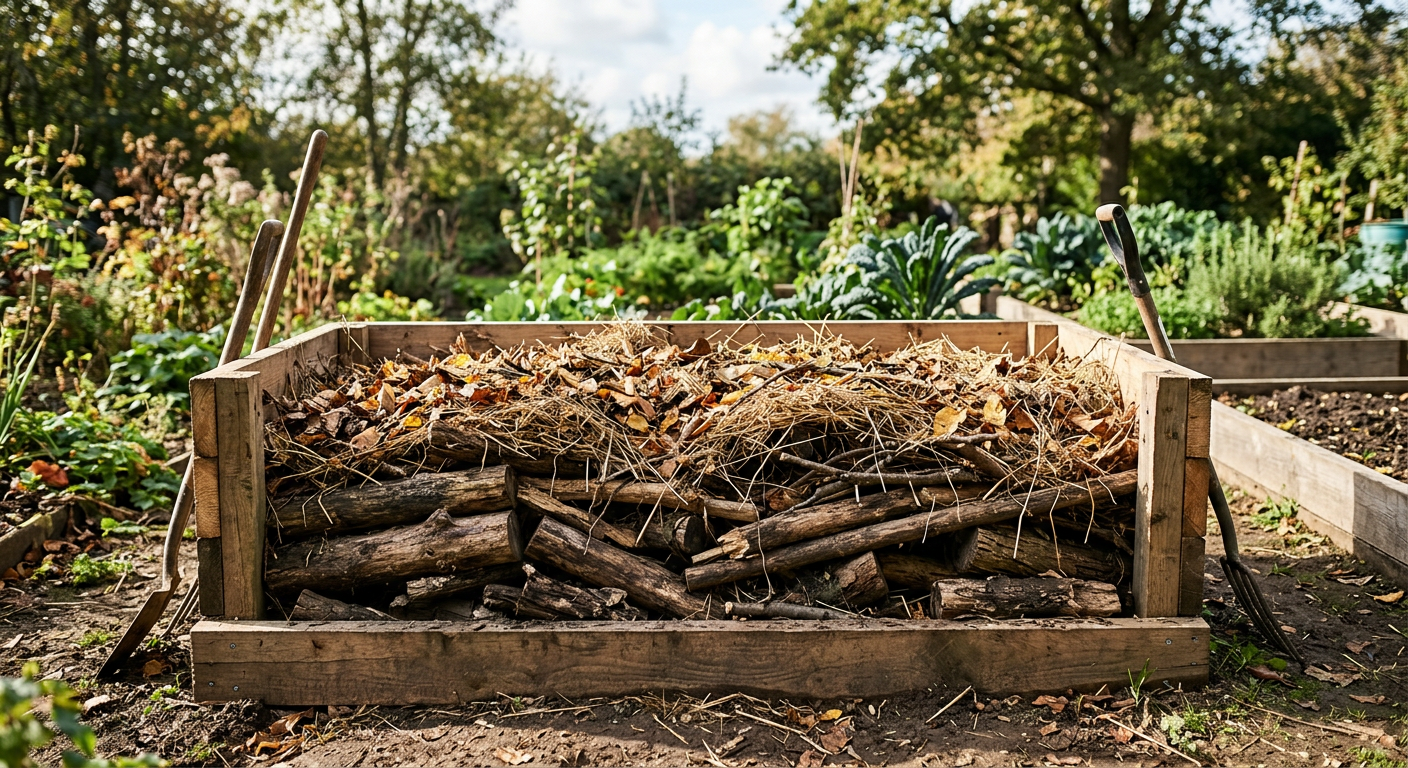
    Explore Free Resources →

  • Build a Movable Chicken Tractor for Sustainable Pest Control

    When we first started out on our homestead, the sheer volume of insects munching on our precious garden plants was enough to make us throw our hands up in despair. We tried everything – organic sprays, hand-picking, even sacrificing a few plants to the bugs to distract them. Nothing truly worked for the long haul. Then, we discovered the magic of chickens, and specifically, learning how to build a movable chicken tractor for sustainable pest control.

    Now, I know what you might be thinking: chickens in the garden? Isn’t that just asking for trouble? And yes, if left to their own devices, a flock of chickens can decimate a garden faster than a hungry rabbit. But a chicken tractor is an entirely different story. For us, it was a game-changer, transforming our pest problem into a natural, self-sustaining solution, and adding rich fertilizer right where we needed it.

    Why a Chicken Tractor is a Homesteading Game-Changer

    Before we dive into the nitty-gritty of how to build a movable chicken tractor for sustainable pest control, let’s talk about why you’d even want one. Beyond the obvious benefit of pest control, these little mobile coops bring a host of advantages to your homestead ecosystem:

    * Natural Pest Extermination: Our chickens are incredibly efficient bug zappers. Grasshoppers, slugs, beetles, grubs – you name it, they’ll eat it. We’ve seen a dramatic reduction in damage to our squash and bean plants since we started rotating the tractor through. It’s like having a tiny, feathered army on patrol!

    * Fertilizer on Demand: Chicken manure is gold for the garden. As our flock forages, they leave behind nutrient-rich droppings, depositing fertilizer directly onto the soil. It’s truly a “fertigation” system, saving us money on amendments. We actually saw our soil tests improve in areas where the tractor spent more time.

    * Weed Control (Pre-Planting): Before we plant a new bed, we often run the chicken tractor over it for a few days. The chickens scratch and peck, loosening the soil, eating weed seeds, and even tackling some smaller weeds. It significantly cuts down on our weeding efforts later.

    * Soil Aeration: Their constant scratching helps to lightly aerate the topsoil, improving water penetration and root growth.

    * Reduced Feed Costs: By allowing them to free-range (albeit in a controlled environment), they supplement their diet with bugs and greens, which means we buy less commercial feed. We estimate it cut our feed bill by about 15-20% during peak growing season.

    * Happy Chickens: They get fresh forage, sunshine, and a constantly changing environment, which leads to healthier, happier birds and, in turn, higher quality eggs.

    When we first introduced our flock to the garden in their new tractor, it was amazing to watch. They instinctually knew what to do. It reminds me a lot of what we stress to beginners in our guide, 10 Beginner Homesteading Tips to Start Your Self-Sufficient Journey Today, about observing nature and working with it, not against it.

    Designing Your Movable Chicken Tractor: What We Learned

    Designing a chicken tractor isn’t a one-size-fits-all endeavor. Ours has evolved significantly since our first clunky attempt! Here are the key design considerations we’ve learned are crucial:

  • Size Matters (for Chickens AND You):
  • * Chicken Space: The general rule of thumb for a chicken tractor is 2-4 sq ft per bird. For our small flock of 6 laying hens, we built a 4 ft x 8 ft tractor, giving them a comfortable 5.3 sq ft each. This prevents overcrowding and stress. If you have fewer birds, you can go smaller, but don’t skimp on space.

    * Your Ability to Move It: This is critical! If it’s too big or heavy, you won’t move it, defeating the purpose. Our 4×8 ft tractor is manageable for one person to move on flat ground, but two people make it effortless, especially if the ground is uneven. Some designs incorporate wheels or skids to make movement easier.

  • Materials: Durable, Safe, and Affordable
  • Frame: We used treated lumber (2x3s and 2x4s) for the main frame. It’s sturdy and holds up well against the elements. If you’re concerned about treated lumber directly* touching edible plants, you can line the bottom with untreated wood or even metal flashing. A lighter option might be PVC, but we found it less durable over time with wind and general wear.

    * Siding/Roof: Plywood or corrugated plastic roofing works well for the solid sections providing shelter. For cost, we often scavenge materials or look for mis-tinted paint at hardware stores to seal salvaged wood.

    Sides: Crucially, we use 1/2-inch hardware cloth, not chicken wire. Chicken wire only keeps chickens in; hardware cloth also keeps predators out*. We learned this the hard way after a raccoon incident (a story for another time!).

    * Wheels/Skids: Our first design used skids made from repurposed fence posts. Our current one has old wagon wheels on one end and handles on the other, making it much easier to pivot and pull.

  • Essential Features:
  • * Nesting Boxes: We built a simple exterior nesting box (about 12x12x12 inches with a hinged lid) into one side. This makes egg collection super easy without disturbing the birds. You want about 1 nesting box for every 3-4 hens.

    * Roosting Bar: A simple 2×2 wooden bar across the width of the tractor provides a place for them to sleep off the ground.

    * Feeders and Waterers: We use hanging feeders and waterers that attach to the frame inside. This keeps them off the ground, reducing contamination and spills. We also ensure these are protected from rain.

    * Vents/Access Doors: Good airflow is important. We have a hinged access door on one side for cleaning and tending, and small vents near the top of the enclosed section. Remember, chickens produce a lot of ammonia!

    * Portability: Seriously, design for easy movement. Handles, wheels, skids – whatever works for your strength and terrain.

    Step-by-Step: How to Build a Movable Chicken Tractor For Sustainable Pest Control

    Ready to get your hands dirty? Here’s a simplified breakdown of how we built our most recent (and most successful) chicken tractor for our 6 hens. Total cost was around $200, but that’s with some salvaged wood. If buying all new, you could expect $300-$400. It took us about 2 full days of work.

    Materials List (for a 4ft x 8ft tractor for 6 hens):

    * (6) 2x4s, 8 ft long (frame, roosting bar, handles)

    * (3) 2x3s, 8 ft long (optional lighter frame sections, nesting box frame)

    * (2) sheets of 1/2-inch plywood, 4×8 ft (roof, nesting box sides, end panel)

    * (1) roll 1/2-inch hardware cloth, 3ft x 25ft (sides)

    * (1) small roll hardware cloth, 1/4-inch (vent covers, optional bottom predator skirt)

    * (1) small sheet corrugated plastic roofing, 4×8 ft (optional lightweight roof)

    * (2) repurposed small wagon wheels (or equivalent)

    * (2) heavy duty hinges (access door)

    * (2) small hinges (nesting box lid)

    * (1) barrel bolt latch (access door)

    * Screws (2.5-inch exterior, 1.25-inch exterior)

    * Staple gun and 1/2-inch staples

    * Wood glue (optional, for extra strength)

    * Wood sealer/paint (exterior grade)

    * Small perching dowel or 2×2 for roosting bar

    Tools:

    * Circular saw or miter saw

    * Drill

    * Staple gun

    * Wire cutters

    * Measuring tape, pencil, safety glasses

    The Build:

  • Cut the Lumber: Start by cutting your 2x4s and 2x3s to length for your main frame (four 8-foot lengths and four 4-foot lengths). You’ll also need pieces for legs/supports and the nesting box frame.
  • Assemble the Base: We built a rectangular base first (4×8 ft) using 2x4s, securing corners with screws. We added a cross-brace in the middle for extra stability. This base rests directly on the ground when stationary.
  • Build the Sides: We created two identical side frames. These need to be tall enough for your chickens to stand comfortably (we aimed for about 2.5 ft at the low end and 3.5 ft at the high end for a sloped roof). We attached these to the base frame. A sloped roof helps shed rain.
  • Add End Panels and Roof Support: An enclosed end panel, made from plywood, provides shelter from wind and rain. This is where your roosting bar and nesting boxes will go. We added a few more 2x4s across the top for roof support. The roosting bar was just a 2×2 piece of wood securely screwed into the frame about 18 inches off the ground.
  • Install Hardware Cloth: This is the most time-consuming part. Roll out your 1/2-inch hardware cloth and cut it to fit the open sides and the “ceiling” of the open run area. Secure it generously with your staple gun, and then use small U-nails or specialized washers to ensure it’s firmly attached and predator-proof. Overlap edges where possible.
  • Plywood Roof and Enclosure: Attach the plywood pieces for the enclosed sleeping area, ensuring there’s an overhang to shed rain. We used corrugated plastic for the larger run roof section – lighter and cheaper. Seal all exposed wood with paint or sealer. Remember to cut out a section for your nesting box access.
  • Access Door and Nesting Boxes: Build your main access door (ours is on the open run side) and secure with heavy-duty hinges and a barrel bolt. Build a simple plywood box for the nesting boxes, attach it to the outside of the enclosed end, and fit a hinged lid.
  • Add Wheels/Skids: We bolted our old wagon wheels to one end of the tractor frame, raising that end slightly. On the opposite end, we attached sturdy 2x4s as handles. This way, one person can lift the handle end and roll the tractor like a wheelbarrow.
  • This build was a significant project, but the rewards have been immense. It’s an investment in the health of our garden and our flock. Speaking of garden health and investments, you might find our insights on How to Start a Small Backyard Vegetable Garden: Beginner Guide a helpful companion read.

    Moving and Managing Your Chicken Tractor

    Once your tractor is built, the real fun begins! Here’s how we manage ours for maximum benefit:

    * Rotation Schedule: This is key. We typically move our tractor 1-2 times a day during the growing season, depending on what we want the chickens to accomplish. For intense weeding and bug removal, we’ll leave them in one spot for a full day. For light fertilization and aeration, just a few hours. Observe your chickens and the ground beneath them. If the grass is gone and they’re digging too much, it’s time to move.

    Strategic Placement: We never put the tractor directly in our actively growing garden beds, but rather around them or in fallow beds. We might place it in a section where we plan to plant next season, letting them clear and fertilize. Or, we’ll run it down crop rows after* harvest to clean up fallen produce and bugs. Our garden layout accounts for this rotation, much like the thought process behind Your First Homestead Layout: Simple Steps for Beginners.

    * Water and Feed: Even though they’re foraging, always provide fresh water and feed in the tractor. Their foraging supplements, it doesn’t completely replace, their dietary needs.

    * Predator Protection: We move our tractor right next to our main coop at night, or into a fully enclosed run area, especially if predators like raccoons or coyotes are active. Hardware cloth is your first line of defense, but don’t underestimate determined predators.

    * Cleaning: Even with rotation, you’ll need to clean out the enclosed sleeping area every week or two, depending on the number of birds. This is where those external nesting box access doors and main access doors come in handy.

    The Environmental & Economic Benefits of Movable Chicken Tractors

    Beyond direct pest control, we’ve found that integrating chickens in this way has a huge positive impact on our entire homestead ecosystem.

    Instead of reaching for chemical pesticides, we rely on our flock. This protects pollinators, beneficial insects, and prevents chemical runoff into our soil and water supply. It ties directly into why we choose specific plants like those shared in Best Perennial Herbs for Cold Climate Homesteads – every part of our system contributes to its overall health.

    Economically, we’ve seen savings on pest control products, commercial fertilizers, and even a reduction in our chicken feed bill. Plus, the eggs from healthy, foraging chickens are simply superior in taste and nutrition. It’s a win-win-win combination for taste, wallet, and planet.

    Troubleshooting Common Chicken Tractor Issues

    Even with the best planning, you might run into a few common issues. We certainly have!

    * Chickens Not Moving: If your tractor feels like it’s stuck, check the runners/wheels. Is dirt or debris caught? Is the ground too uneven? Sometimes, you just need a second pair of hands. If it’s a regular struggle, consider adding larger wheels or more robust skids. If we’re moving it on particularly soft ground, we sometimes lay down a temporary path of old plywood scraps.

    * Pest Control Not Effective Enough: Are you moving the tractor frequently enough? Are there enough chickens for the area? Sometimes we let the chickens in an area for an extra day. If you have particularly aggressive pests (like squash bugs), chickens can help, but might not eliminate them entirely. Integrated pest management often requires multiple strategies.

    Predator Concerns: Ensure all* openings are secured with hardware cloth. Double-check latches. If you have ground predators that dig, you might need to add a “skirt” of hardware cloth around the base, extending outwards a foot or two from the perimeter, and burying it slightly. This deters digging predators like raccoons or foxes.

    * Muddy Conditions: Avoid placing your tractor in waterlogged areas. Chickens don’t like mud, and it can lead to foot problems and sanitation issues. If an area gets muddy, move them to higher, drier ground until it improves. Good drainage, like what we talk about for rainwater harvesting, is key across the homestead, even for your chicken tractor placement. In fact, thinking about how you manage water on your homestead, whether it’s for irrigation or preventing mud under your tractor, is critical – that’s why we cover systems like those in Best Small Scale Rainwater Systems for Off-Grid Living.

    FAQs: How to Build a Movable Chicken Tractor for Sustainable Pest Control

    Q: How many chickens do I need for a chicken tractor?

    A: It depends on the size of your tractor and your goals. For effective pest control and fertilization, we recommend a minimum of 3-4 chickens. For a 4×8 ft tractor, 6-8 hens is a good number.

    Q: Can I use a chicken tractor in winter?

    A: It depends on your climate. In very cold areas, a chicken tractor might not provide enough insulation or protection. We move our flock into a more substantial, insulated coop for the coldest months and bring the tractor out again in spring. You can, however, use it for winterizing garden beds by letting them scratch for dormant bugs and weeds.

    Q: How often should I move the chicken tractor?

    A: For active pest control and fertilization, we move ours daily, sometimes twice daily, depending on the area covered and the desired effect. If you’re just using it for light grazing, every few days might suffice. Observe the ground and your chickens – if they’ve eaten everything and are sitting idle, it’s time to move.

    Q: Is a chicken tractor predator-proof?

    A: With proper construction using 1/2-inch hardware cloth, robust latches, and possibly a buried skirt, a chicken tractor can be highly predator-resistant. However, no setup is 100% predator-proof. We always bring our tractor close to our main coop or secure it within a larger fenced area at night to be extra safe.

    Q: What are the best dimensions for a small chicken tractor?

    A: For 3-4 hens, a 4 ft x 6 ft tractor (giving each bird 6-8 sq ft) is a good starting point. You still want it tall enough for chickens to stand and for you to access easily. Taller designs are harder to move but offer more head room; flatter designs are easier to move but might be harder to tend.

    Building a movable chicken tractor has been one of the most impactful projects on our homestead. It aligns perfectly with our philosophy of working smarter, not harder, and creating a truly sustainable system. If you’re looking for an eco-friendly, effective way to manage garden pests and enrich your soil, give it a try! You might just find your chickens become your favorite garden assistants.

    Loving these practical homesteading solutions? We’re always sharing more of our journey and tips on building a thriving self-sufficient life. For even more resources and planning tools to organize your homestead projects, be sure to explore the helpful features over at useHomesteados.com. And if you’re curious about planning out your entire space efficiently, check out our guide on how to plan your ideal homestead layout at useHomesteados.com/blog/how-to-plan-a-homestead-layout-for-beginners. Don’t miss out on all the amazing homesteading knowledge we’ve gathered just for you!


    📚 More From Our Homestead

    Ready to Start Your Homestead Journey?

    Free guides, checklists, and tools to help you build your dream homestead.
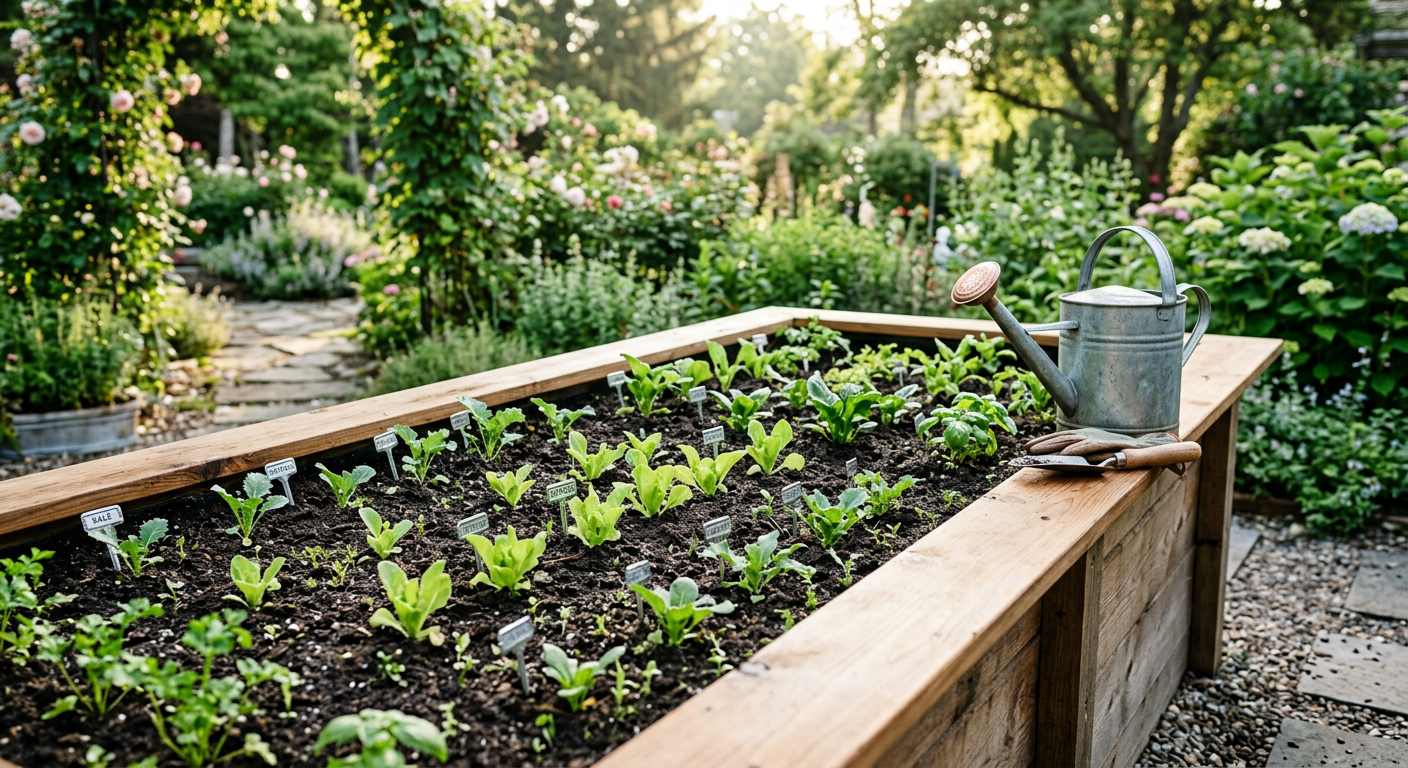
    Explore Free Resources →

  • Essential Homesteading Tools to Buy First? Our Top Picks!

    When we first started homesteading, my head was swimming with all the things we thought we needed. Every YouTube video, every blog post, every well-meaning neighbor had a suggestion. It felt like we needed to buy a mini-tractor, a giant barn, and a whole arsenal of specialized equipment just to plant a single seed. We quickly learned that wasn’t the case! We distilled our experience down to one crucial question: what are essential homesteading tools to buy first?

    Trust me, you don’t need to empty your savings account before you even plant your first tomato crop. Our family started small, and our tool shed grew along with our skills and our homestead’s needs. The key is to invest wisely in versatile, durable items that will give you the most bang for your buck and help you tackle the most common homesteading tasks right from the start. We’re talking about the workhorses that will be there for you season after season. Let’s dig into our personal list that we wished we’d had from day one.

    Why Investing in the Right Tools Matters (Even for Beginners)

    I remember the first time I tried to dig a new garden bed with a cheap, flimsy shovel. The handle snapped on the third scoop! It was frustrating, wasted time, and honestly, it made me doubt if I was cut out for this homesteading thing. Buying quality tools isn’t about extravagance; it’s about efficiency, safety, and longevity. A good tool makes a tough job easier and prevents those discouraging moments. When you’re just dipping your toes into self-sufficiency, every little win counts, and having tools that perform well is a huge win. This is especially true when you’re just learning how to plan a homestead layout for beginners and need reliable gear.

    Our Family’s Picks: What Are Essential Homesteading Tools to Buy First?

    Based on years of dirt under our fingernails and plenty of trial and error, these are the tools we always recommend new homesteaders prioritize. These aren’t just for gardening; they cover a range of tasks you’ll encounter.

    1. The Indispensable Shovel & Spade

    Forget those bendy big-box store shovels. You need a sturdy, well-built shovel and a digging spade. The shovel is for moving loose material – compost, soil, mulch. The digging spade (often with a flat or slightly curved blade) is for breaking ground, cutting sod, and digging trenches. We probably use ours daily during planting and harvest seasons.

    * Our Favorite: A heavy-duty, carbon steel digging spade with a fiberglass handle. Expect to pay around $40-$70 for a good one. We’ve had ours for five years, and it’s still going strong.

    * Actionable Tip: Look for a spade with a comfortable, D-handle grip. Your hands will thank you.

    2. A Reliable Wheelbarrow

    Oh, the wheelbarrow! This is arguably the most used tool on our homestead. Moving soil, compost, rocks, firewood, tools, harvested vegetables – you name it, the wheelbarrow moves it. A good one will save your back and countless trips. Don’t skimp here!

    * Our Favorite: A single-wheel, steel-bed wheelbarrow with pneumatic tires. We paid about $100 for ours. The single wheel makes it more maneuverable, and the steel bed handles heavy loads without cracking like plastic ones. This is similar to what we use from usehomesteados.com/shop/wheelbarrow.

    * Cost: $80-$150. Avoid cheap plastic ones; they rarely last more than a season or two under real homesteading conditions.

    3. Quality Pruners and Loppers

    Whether you’re trimming fruit trees, harvesting herbs, or just tidying up your small backyard vegetable garden, sharp pruners and loppers are non-negotiable. Pruners are for smaller branches (finger-thick), while loppers tackle thicker branches (up to 1.5-2 inches).

    * Our Favorite: Bypass pruners. They make clean cuts essential for plant health. Our Fiskars bypass pruners cost around $25, and good loppers around $40-$60. Keep them sharp and clean!

    * Maintenance Tip: Always clean and oil your pruners after each use to prevent rust and extend their life.

    4. Broadfork or Digging Fork

    For preparing garden beds without disturbing soil structure, a broadfork is a game-changer. If a broadfork is too big an investment or you have very rocky soil, a sturdy digging fork is a fantastic alternative. It’s great for aerating, loosening compacted soil, and harvesting root crops.

    * Our Favorite: We invested in a Hoss Tools Broadfork for about $180, and it has transformed our garden bed preparation. If that’s out of budget, a solid digging fork is $30-$50. Look for forged steel tines if possible.

    * Benefit: Reduces strain on your back significantly compared to traditional digging.

    5. Durable Work Gloves

    This might seem obvious, but good work gloves are truly essential homesteading tools to buy first. You’ll be handling thorny plants, rough wood, sharp tools, and plenty of dirt. Protect your hands! We have a few pairs: heavy-duty leather gloves for tough jobs and lighter, breathable gloves for lighter gardening tasks.

    * Our Favorite: Pigskin leather gloves for general work ($15-$25 a pair) and nitrile-coated gardening gloves for dexterity ($5-$10 a pair). We keep several on hand.

    * Pro Tip: Get gloves that fit well. Too loose and you’ll lose dexterity; too tight and they’ll be uncomfortable.

    Power Tools Worth Considering (When the Time is Right)

    While the hand tools above are truly foundational, there are a few power tools that, when you’ve got a bit more experience and a budget, can massively increase your efficiency. We didn’t get these right away, but they quickly paid for themselves in time saved.

    Cordless Drill/Driver

    From building raised beds to repairing fences or putting together a new chicken coop, a good cordless drill/driver is invaluable. We prefer cordless for portability across the homestead.

    * Our Favorite: A 20V DeWalt or Milwaukee kit (drill, two batteries, charger). Expect to pay $150-$250, but it’s an investment that will see daily use.

    Chainsaw (Carefully!)

    If you have trees on your property for firewood or clearing, a chainsaw will eventually become necessary. This is one tool where safety and proper training are paramount. If you’re a beginner, consider renting one first or hiring someone for big jobs.

    * Our Favorite: A reliable Stihl or Husqvarna homeowner model (16-18 inch bar). These run $250-$400. Always wear proper safety gear: chaps, helmet, ear protection, gloves.

    Don’t Forget These Homesteading Staples!

    Beyond the big tools, there are a few smaller items that you’ll use constantly. These often get overlooked but are truly essential:

    * Five-Gallon Buckets: You can never have too many! For harvesting, weeding, carrying water, mixing soil, storage. They’re cheap and endlessly useful. Our homestead is dotted with them. We get ours for about $5 each at local hardware stores.

    * Tarp: A heavy-duty tarp is great for moving brush, covering woodpiles, creating temporary shade, or protecting materials from rain. We always have several sizes. A good 8×10 foot tarp is around $20-$30.

    * Hose & Watering Can: Reliable watering is crucial, especially for starting best perennial herbs for cold climate homesteads. A good quality hose that doesn’t kink and a sturdy watering can. Don’t underestimate a good watering system, especially if you’re venturing into small scale rainwater systems for off-grid living.

    * Multi-tool/Pocket Knife: Always handy for quick cuts, opening bags, or small repairs. A Leatherman or Gerber multi-tool is a homesteader’s best friend at about $70-$120. Or a simple, sharp folding knife for $20-$40.

    Where to Find Your First Homesteading Tools

    You don’t always have to buy new! When we first asked what are essential homesteading tools to buy first, we looked in a few places:

  • Local Hardware Stores: For new, reliable brands. Support local if you can!
  • Estate Sales/Garage Sales: Often a treasure trove of well-made, older tools that just need a bit of cleaning and sharpening. We’ve scored some amazing deals this way.
  • Online Marketplaces (Facebook Marketplace, Craigslist): Be cautious, but you can find good used equipment. Always inspect tools thoroughly before buying.
  • Farm & Fleet Stores: Offer a wider selection of heavy-duty tools often suited for homesteading.
  • Remember, your tool acquisition will be a journey, not a sprint. Start with the basics, learn what you use most, and build your collection thoughtfully. If you’re looking for more actionable advice, check out our 10 Beginner Homesteading Tips to Start Your Self-Sufficient Journey Today.

    Frequently Asked Questions About Homesteading Tools

    Q: Do I really need all these tools if I’m just starting with a small garden?

    A: Not all of them at once! Focus on the absolute essentials for manual gardening: a good digging spade, pruners, work gloves, and a watering can. A wheelbarrow is highly recommended even for small spaces as it saves so much effort. You can always add more as your homestead grows.

    Q: What’s the most important safety tip for using homesteading tools?

    A: Always read the manual for any powered tools and wear appropriate safety gear (gloves, eye protection, ear protection, sturdy footwear). For hand tools, keep them clean and sharp; dull tools are more dangerous because they require more force. And always pay attention to what you’re doing!

    Q: Is it better to buy cheap tools and replace them, or invest in expensive ones?

    A: In our experience, investing in quality tools first saves money and frustration in the long run. Cheap tools often break, perform poorly, and can even be unsafe. A high-quality tool, well-maintained, can last a lifetime.

    Q: How do I store my homesteading tools to make them last?

    A: Keep them clean, dry, and protected from the elements. After each use, wipe off dirt, especially from metal parts, and store them in a shed or garage. Consider oiling metal parts before long-term storage to prevent rust. Organize them so they’re easy to find and don’t get damaged.

    Q: Are there any tools a homesteader shouldn’t buy first?

    A: Avoid highly specialized, single-purpose tools unless you know you’ll use them frequently. Things like a rototiller for a small garden (a broadfork is often better and cheaper), or a wood chipper if you only have a few small branches. Focus on versatile tools first that can handle multiple jobs around the homestead. Save the big, expensive equipment for when your needs genuinely demand it.

    Ready to get your hands dirty? Equipping yourself with the right tools is the first step towards a successful and enjoyable homesteading journey. Don’t forget, we have a growing collection of resources on usehomesteados.com to help you every step of the way. Explore our articles, tips, and product recommendations to build the homestead of your dreams. Happy homesteading!


    📚 More From Our Homestead

    Ready to Start Your Homestead Journey?

    Free guides, checklists, and tools to help you build your dream homestead.
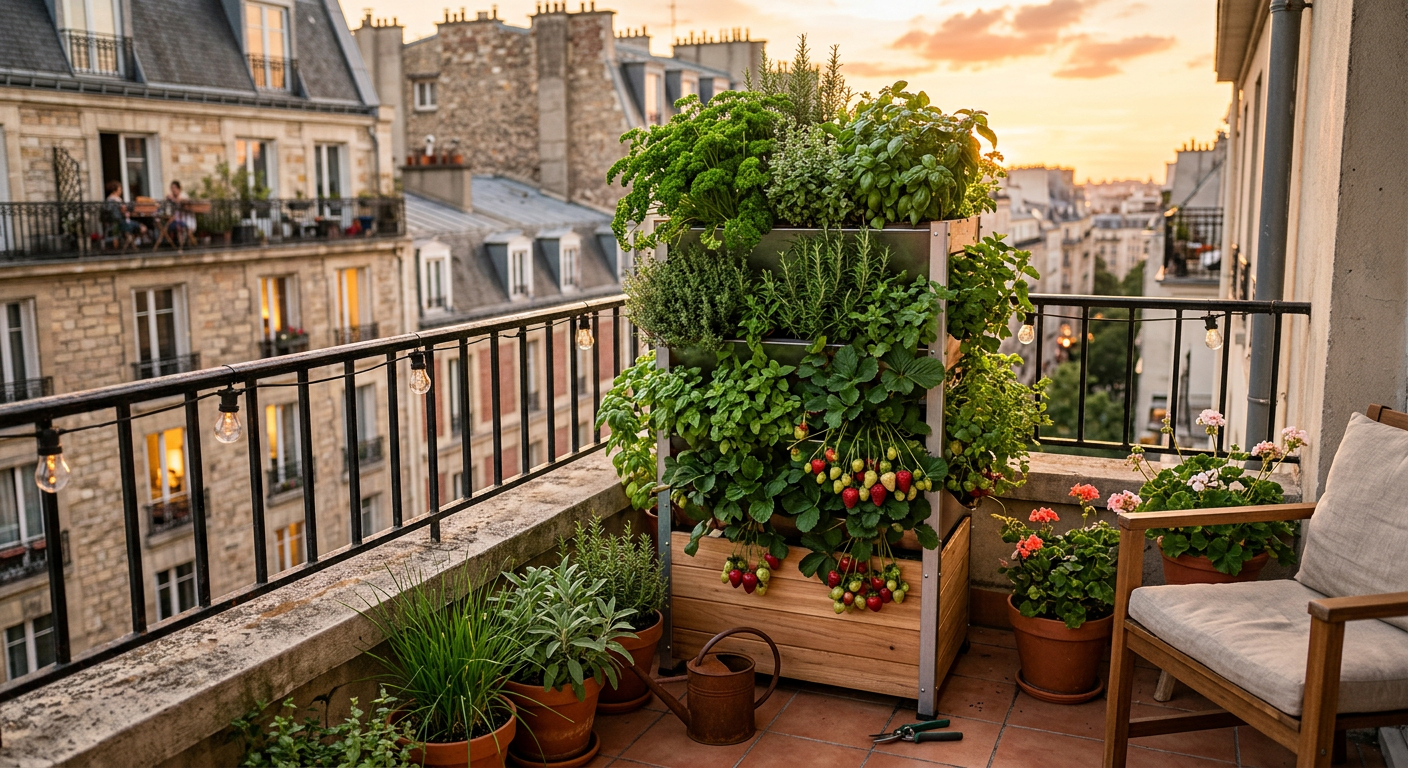
    Explore Free Resources →

  • Best Perennial Herbs for Cold Climate Homesteads

    Best Perennial Herbs for Cold Climate Permaculture Homesteads

    Designing a permaculture homestead in a cold climate (USDA Zones 3, 4, or 5) presents a unique set of challenges. Short growing seasons, late spring frosts, and deep winter freezes can decimate a garden full of delicate annuals.

    However, the secret to a resilient, low-maintenance food forest or kitchen garden lies in perennial herbs. Unlike annuals that require tilling and replanting every year, perennials establish deep root systems, improve soil structure, and emerge earlier in the spring than anything you could plant from seed.

    In this guide, we will explore the best perennial herbs for cold climates, focusing on species that are hardy down to at least -30°F (-34°C).

    Why Perennial Herbs are Essential for Permaculture

    In permaculture, we aim for systems that produce more energy than they consume. Perennials are the ultimate “return on investment” plants. Once established, they provide:

    * Early Forage: Many herbs like Chives and Sorrel emerge while the ground is still thawing, providing early nectar for pollinators.

    * Soil Protection: Deep roots prevent erosion during snowmelt.

    * Nutrient Cycling: Dynamic accumulators like Comfrey pull minerals from the subsoil to the surface.

    * Pest Management: Strong aromatic oils in herbs like Mint and Sage confuse pests that would otherwise target your fruit trees.

    1. The Culinary Powerhouses (Hardy to Zone 3 & 4)

    Chives (Allium schoenoprasum)

    * Hardiness: Zone 3

    * Role: Pest repellent, edible flower, culinary staple.

    Chives are nearly indestructible. They are the first to emerge in the spring, often pushing through the last layers of snow. In a permaculture setting, plant them in the “drip line” of fruit trees to deter borers and fungal diseases.

    French Tarragon (Artemisia dracunculus)

    * Hardiness: Zone 4

    * Role: Gourmet flavoring.

    Unlike Russian Tarragon, the French variety has a superior anise-like flavor. It requires well-drained soil during the winter; “wet feet” in freezing temperatures will kill the roots. Mulch heavily with straw in late autumn.

    Lovage (Levisticum officinale)

    * Hardiness: Zone 3

    * Role: Vertical structure, celery substitute.

    Lovage is a giant, reaching heights of 6 feet. Just one plant is enough for an entire homestead. It tastes like concentrated celery and is a fantastic addition to soups and stews. Because of its height, use it in the center of a herb guild.

    2. Medicinal & Multi-Functional Herbs

    Comfrey (Symphytum officinale)

    * Hardiness: Zone 3

    * Role: Dynamic accumulator, medicinal poultices.

    Comfrey is the backbone of cold-climate permaculture. Its taproot can reach 10 feet deep. In spring/summer, perform “chop and drop” mulching to provide potassium-rich fertilizer to neighboring plants. Caution: Plant it where you want it forever; the smallest root fragment will grow into a new plant.

    Bee Balm / Monarda (Monarda didyma)

    * Hardiness: Zone 4

    * Role: Pollinator magnet, medicinal tea.

    Also known as Wild Bergamot, this plant is essential for attracting bumblebees and hummingbirds. The leaves and flowers make a tea that helps with digestive issues and sore throats. It is prone to powdery mildew, so ensure good air circulation.

    Echinacea (Echinacea purpurea)

    * Hardiness: Zone 3

    * Role: Immune support, ornamental.

    Coneflowers are as beautiful as they are useful. The roots and petals are used in tinctures to support the immune system. They are incredibly drought-tolerant once established and thrive in the lean soils often found on North American homesteads.

    3. The Low-Growing Groundcovers

    Creeping Thyme (Thymus serpyllum)

    * Hardiness: Zone 4

    * Role: Living mulch, culinary.

    Instead of using wood chips, use creeping thyme. It creates a dense mat that suppresses weeds and survives being stepped on. When crushed, it releases oils that deter flying pests.

    Winter Savory (Satureja montana)

    * Hardiness: Zone 5 (Zone 4 with protection)

    * Role: Peppery seasoning.

    While Summer Savory is an annual, Winter Savory is a semi-evergreen sub-shrub. It provides a peppery bite to bean dishes and holds its flavor well when dried. It requires gritty, fast-draining soil.

    4. Herbs for Tea and Fragrance

    Peppermint and Spearmint (Mentha spp.)

    * Hardiness: Zone 3

    * Role: Tea, groundcover.

    Mints are notoriously invasive, but in a cold climate, this vigor is an asset. Use them in a confined area or as a groundcover in a shaded orchard where nothing else will grow. They can withstand heavy snow loads and spring flooding.

    Lemon Balm (Melissa officinalis)

    * Hardiness: Zone 4

    * Role: Stress relief, antiviral.

    A member of the mint family, Lemon Balm smells divine and makes a calming evening tea. It self-seeds readily, so deadhead the flowers if you don’t want a carpet of lemon balm babies next year.

    Designing Your Cold Climate Herb Guild

    In permaculture, we don’t plant in isolated rows. We plant in guilds—mutually beneficial communities. Here is a sample layout for a Cold Climate Herb Guild centered around an Apple Tree:

  • Central Element: Apple Tree (semi-dwarf).
  • Suppressors: Plant Chives and Garlic Chives around the trunk to deter grass and voles.
  • Accumulators: Place Comfrey on the sunny southern side of the tree to be chopped for mulch.
  • Attractors: Scatter Echinacea and Bee Balm to bring in pollinators for the apple blossoms.
  • Repellents: Use Lemon Balm and Mint on the periphery to confuse the codling moth.
  • Maintenance Tips for Extreme Cold

    To ensure your perennial herbs survive a brutal winter (minus 30 degrees or more), follow these homesteading hacks:

    * The 6-Inch Rule: Leave at least 4-6 inches of dead stems on your plants throughout the winter. These stems trap snow, which act as an insulator for the crown of the plant.

    * Mulch after the Freeze: Wait until the ground is frozen solid before applying a heavy layer of straw or shredded leaves. This prevents rodents from nesting in the warm mulch and eating your herb roots.

    * Siting for Success: Plant tender perennials (like Sage or Winter Savory) near the south-facing wall of a stone building. The “thermal mass” of the stones will radiate heat during the night.

    Conclusion

    Building a cold-climate permaculture homestead doesn’t mean you are limited to kale and potatoes. By integrating these resilient perennial herbs, you create a landscape that is both productive and permanent.

    Start with the “Big Three”—Chives, Comfrey, and Mint—and gradually expand your collection as you observe the microclimates of your land. Within a few seasons, your homestead will boast a self-sustaining pharmacy and spice rack that returns year after year, regardless of how deep the snow falls.


    📚 More From Our Homestead

    Ready to Start Your Homestead Journey?

    Free guides, checklists, and tools to help you build your dream homestead.
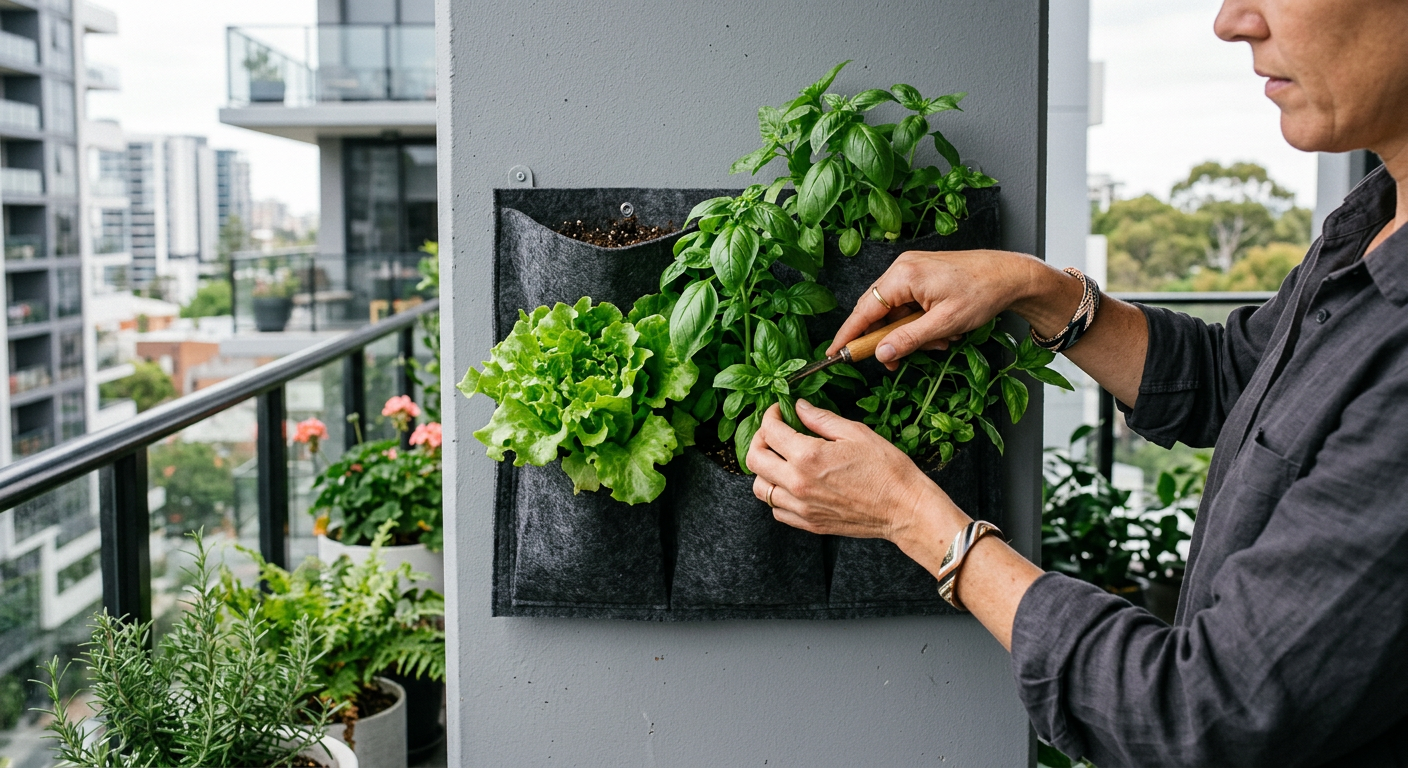
    Explore Free Resources →