!A thriving backyard organic garden with raised beds, featuring the best vegetables to grow.
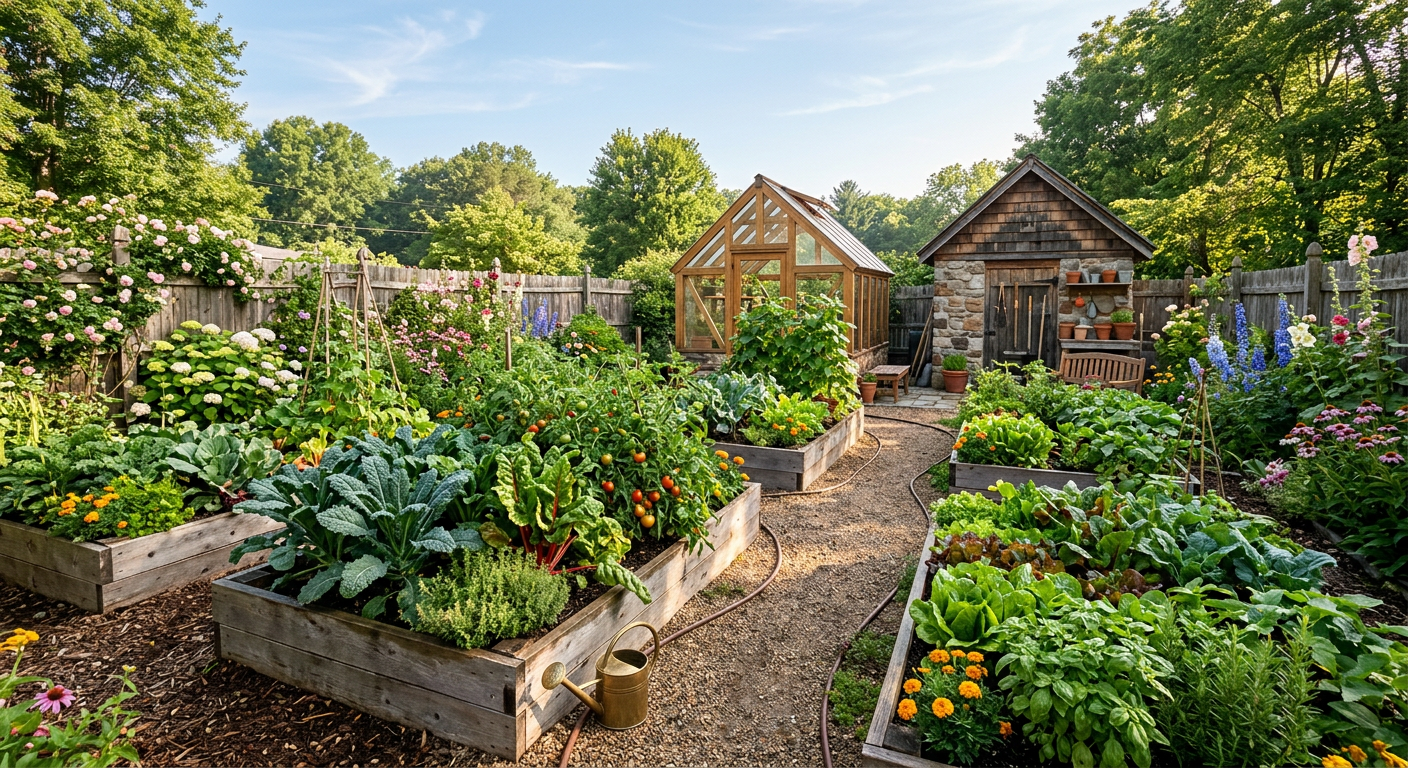
I’ll never forget our first summer garden. I’d planted twelve zucchini plants, imagining beautiful, neat rows of green bounty. By August, it was a jungle. We were hauling in 20 pounds of zucchini a week, leaving them on neighbors’ porches in the dead of night. That’s when I learned the first, and most important, lesson of gardening: choose your crops wisely.
🎯 Quick Answer: The best vegetables to grow in a backyard organic garden are those that are productive, resilient, and match your climate. For beginners, focus on zucchini, bush beans, cherry tomatoes, lettuce, and potatoes. They offer the biggest reward for the least amount of heartbreak.
🔑 Key Takeaways
- Start with the ‘Easy Wins’: Choose vegetables known for their high productivity and low fuss, like zucchini and bush beans, to build confidence.
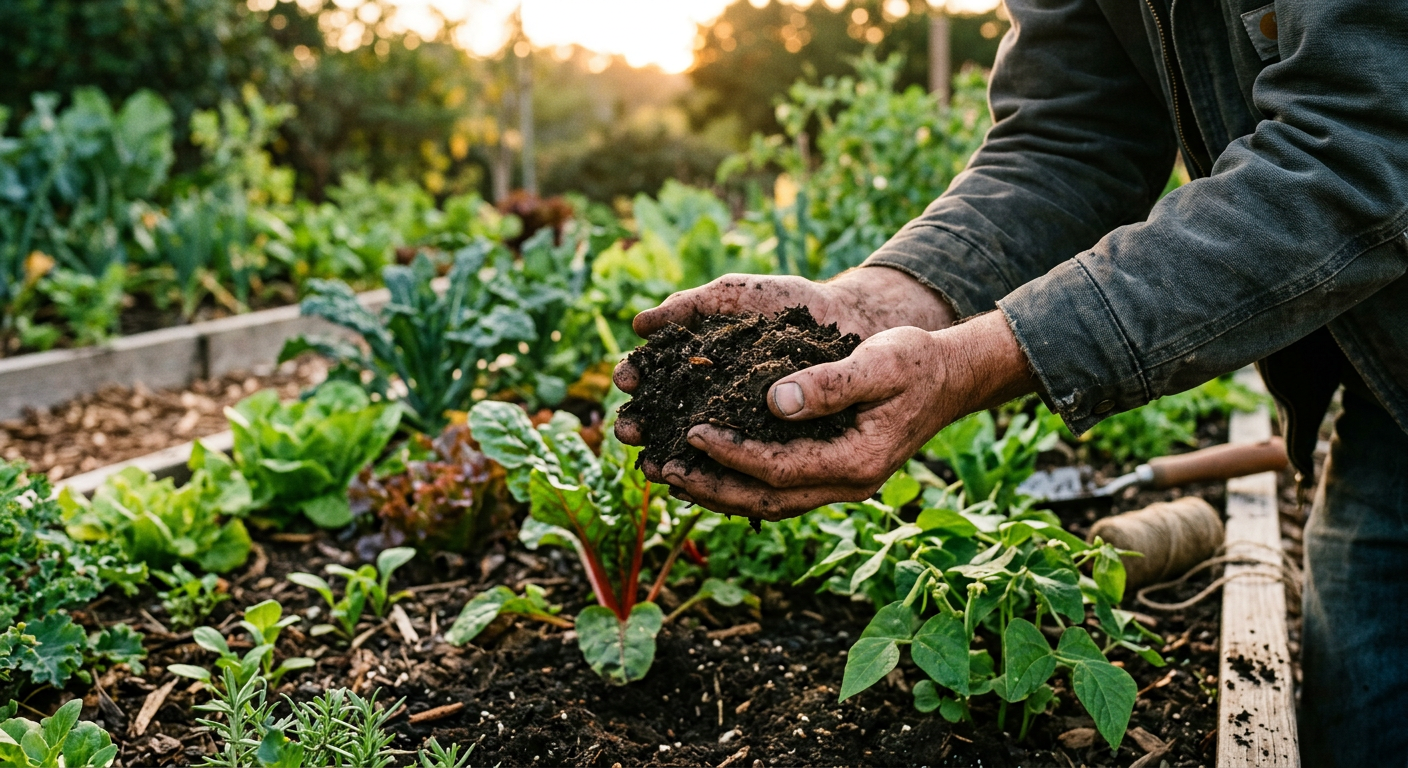
- Focus on Soil Health: Your success isn’t about fancy fertilizers. It’s about building rich, living soil with compost and organic matter.
- Plant What You’ll Actually Eat: It sounds simple, but it’s easy to get carried away. Prioritize the vegetables your family loves to avoid waste.
- Plan for Pests Organically: You don’t need chemicals. Healthy soil, companion planting, and physical barriers are your best defense.
- Maximize Your Space: Even a small backyard can be incredibly productive with vertical growing techniques and succession planting.
- Don’t Be Afraid to Fail: You will lose some plants. Every dead seedling is a lesson learned. That’s homesteading.
—
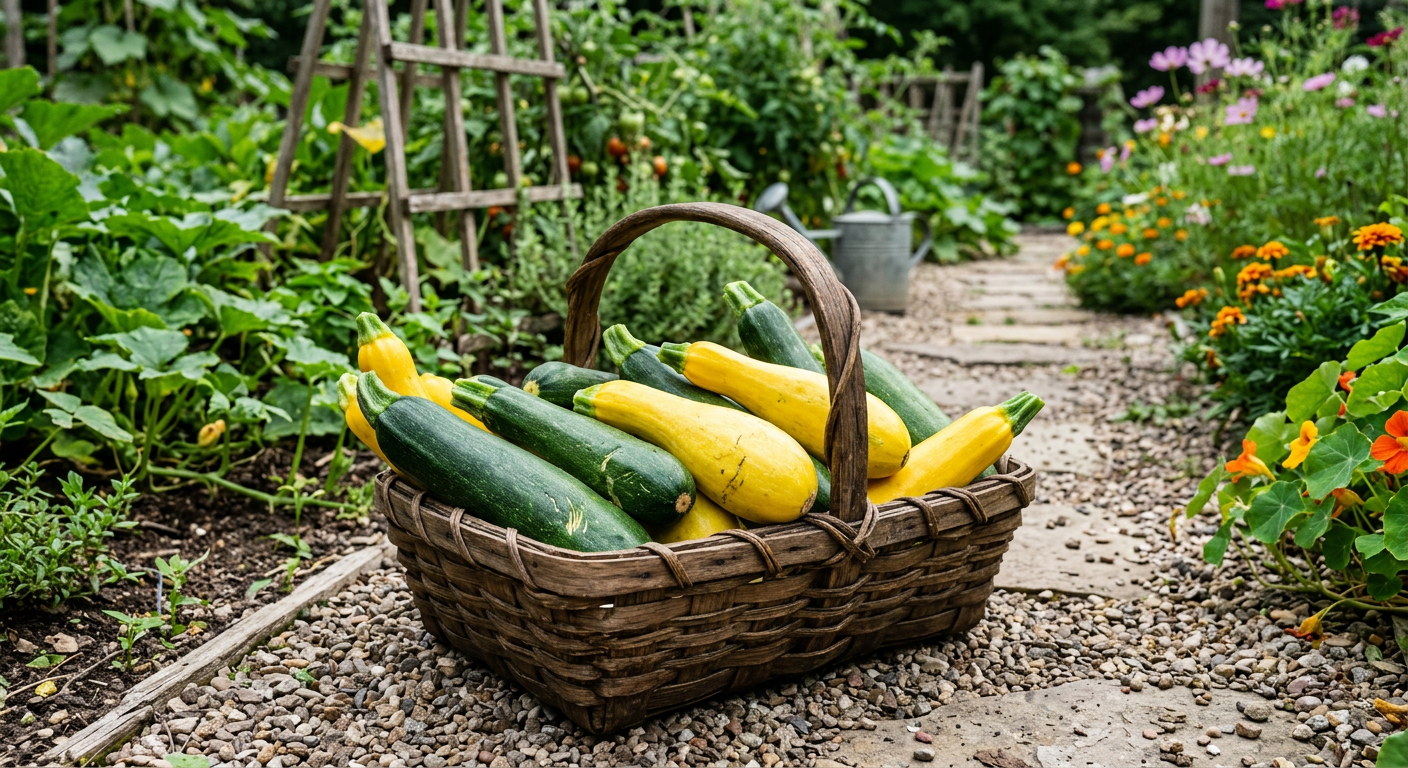
!A harvest of zucchini and squash from a backyard organic garden.
The Easiest Wins: Our Top 3 No-Fail Vegetables
When you’re just starting, you need a victory. You need to pull something out of the ground that you grew yourself. It’s a powerful feeling. These are the crops that give you that win without much of a fight.
1. Zucchini & Summer Squash
I already told you my zucchini story. One or two plants is all a family of four needs. Seriously. They are ridiculously productive. We just give them decent soil with plenty of compost, water them deeply once a week, and they take care of the rest. This year we’re growing the ‘Black Beauty’ zucchini and a yellow crookneck variety. They just don’t stop.
2. Bush Beans
Forget the finicky pole beans for your first year. Bush beans are compact, fast-growing, and you get a huge harvest all at once—perfect for learning to can or freeze. We plant a 10-foot double row of ‘Blue Lake 274’ and it gives us enough green beans for a dozen meals plus about 15-20 quarts for the pantry. We learned quickly that a little planning helps manage these big harvests. Using a simple journal or one of the planning guides on https://xlvvlujsctgiorcwbtkv.supabase.co/functions/v1/social-redirect?p=homesteados&loc=blog_inline_early made a huge difference in our second year, preventing us from feeling overwhelmed.
3. Leaf Lettuce
We love the ‘Black Seed Simpson’ cut-and-come-again variety. Instead of waiting for a whole head to form, you just snip the outer leaves as you need them. The plant keeps producing for weeks. We plant a small patch every three weeks (succession planting!) from April to September for a continuous supply of fresh salads. It’s so much better than the sad, plastic-bagged stuff from the store.
Next up: the crops that will fill your pantry for the winter.
—
High-Yield Staples: Our Best Vegetables to Grow in a Backyard Organic Garden
Once you’ve got a few wins under your belt, it’s time to think about food security. These are the calorie-dense, high-yield crops that make a real dent in your grocery bill.
Potatoes
There is nothing, and I mean nothing, like digging up your own potatoes. It feels like a treasure hunt. We dedicate a 10×10 foot area to them. Last year, from just 5 pounds of seed potatoes (cost: $12), we harvested over 90 pounds of Kennebec potatoes. They’re now curing in our cool, dark basement, and we’ll be eating them well into February. All they need is loose soil, hilling them up with dirt a couple of times, and consistent water.
Tomatoes (Specifically, Determinate & Cherry)
Everyone wants to grow tomatoes. My advice: start with a cherry tomato plant like ‘Sun Gold’—they are disease-resistant and produce handfuls of sweet fruit daily. For preserving, we grow a determinate ‘Roma’ variety. ‘Determinate’ means they set all their fruit at once, which is a lifesaver for making big batches of sauce. Wrestling with a giant, sprawling indeterminate plant can be a full-time job.
Winter Squash
This is a set-it-and-forget-it crop. We plant butternut and spaghetti squash at the edge of the garden and let the vines ramble. They shade out weeds and require almost no attention after they’re established. The reward? Dozens of hard-shelled fruits that will keep in a cool room for 4-6 months, providing delicious, healthy food deep into winter.
Getting this part right is how you transition from a hobby to a lifestyle.
But what if you don’t have a huge yard? I’ve been there.
—
!Rich organic soil and compost for growing the best vegetables in a backyard organic garden.
Space Savers: Vertical & Container-Friendly Crops
Our first ‘homestead’ was a rental with a small concrete patio. We still grew a ton of our own food. You just have to think up.
Vertical Growers
Anything that vines can be grown on a trellis to save space. We use simple cattle panel arches for cucumbers (‘Marketmore 76’ is a workhorse) and pole beans. This not only saves ground space but also improves air circulation, which reduces fungal diseases like powdery mildew. Growing vertically is one of the most important essential homesteading skills beginners need.
Container All-Stars
Lots of the best vegetables to grow in a backyard organic garden do surprisingly well in pots. We use 5-gallon buckets (with drainage holes drilled in the bottom) for single pepper plants, eggplants, and even our determinate tomatoes. Herbs are perfect for containers, and having a pot of the best perennial herbs right outside your kitchen door is a game-changer for daily cooking.
Super-Dense Planting
When space is tight, look into intensive planting methods. Carrots, radishes, and beets can be planted much closer together than the seed packet suggests, as long as your soil is deep and fertile. We’ll sow a 2×4 foot area with carrots and get a surprising amount of food from that tiny patch.
Moving beyond the basics is where the real fun and nutrition starts.
—
💡 Pro Tips
We learned these lessons through sweat, dirt, and plenty of mistakes. Pay attention here.
—
⚠️ Beginner Mistakes to Avoid
I’ve made every single one of these. Hopefully, you won’t have to.
* Planting Too Much, Too Soon: That zucchini story? It’s a classic. Start smaller than you think you need. Master 5-6 crops your first year, then expand. A small, well-managed garden is better than a large, weedy, overwhelming mess.
* Ignoring a Soil Test: We just threw seeds in our clay-heavy soil the first year and wondered why things were stunted. A simple soil test told us we were critically low on nitrogen and organic matter. A few bags of compost and some organic fertilizer changed everything.
* Freaking Out About Pests: The first time I saw aphids on my kale, I nearly ripped it all out. Wrong move. Healthy plants in healthy soil can handle some pest pressure. A strong blast of water from the hose and encouraging beneficial insects (ladybugs love dill and cilantro!) is usually enough. For cabbage moths, we use simple insect netting—it’s one of the essential homesteading tools to buy first. No chemicals needed.
Forgetting to Plan for the Harvest: Growing is only half the battle. What’s your plan when you have 40 pounds of tomatoes ready? Do you know how to can? Do you have freezer space? Thinking about preservation before* you plant is critical.
—
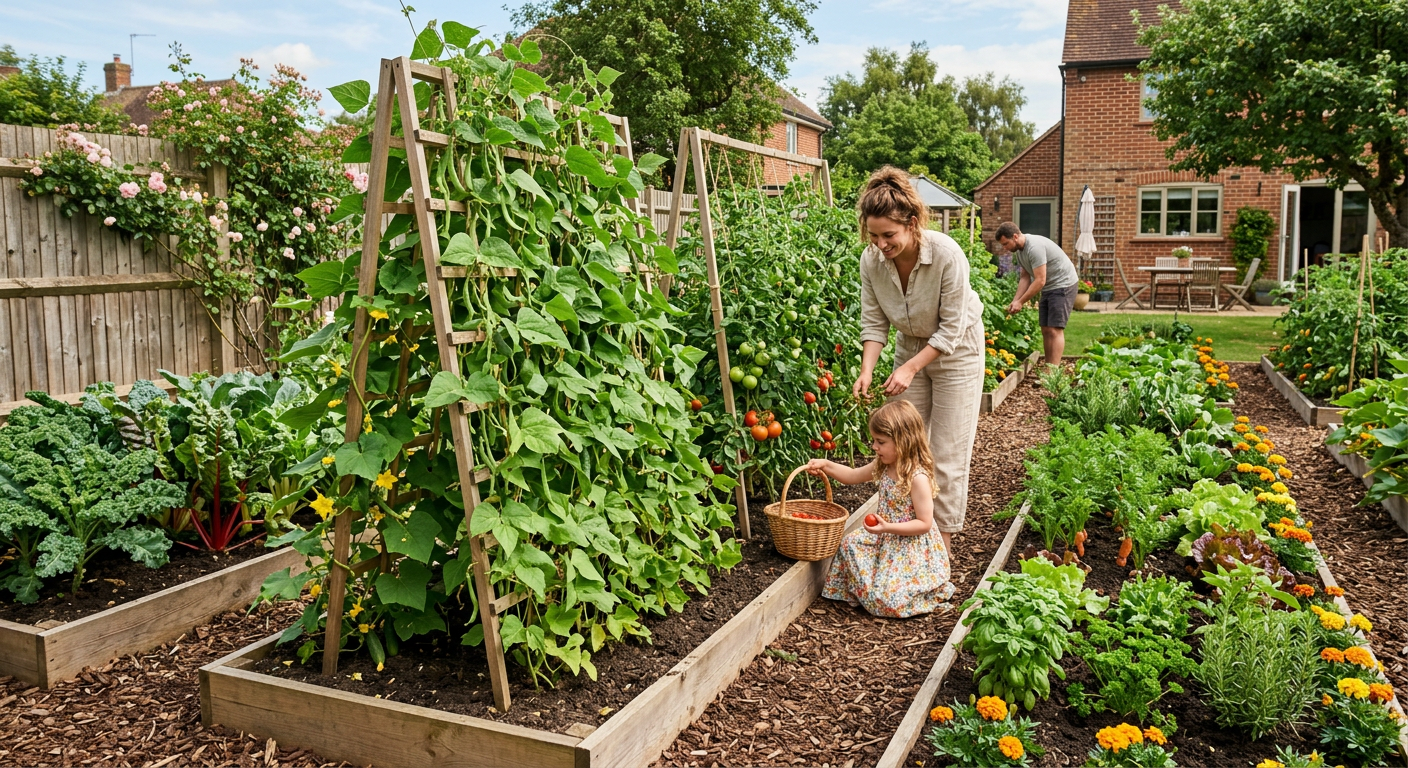
!A productive and well-maintained backyard organic garden with various easy-to-grow vegetables.
Frequently Asked Questions
H3: What’s the cheapest way to start an organic garden?
Compost is key. You can create a compost pile for free using kitchen scraps and yard waste. Use reclaimed materials for raised beds (or don’t use them at all). And save your own seeds from open-pollinated varieties at the end of the season to plant for free next year. Starting a garden on the cheap is totally doable; it’s a huge part of homesteading on a budget.
H3: How many hours of sun do my vegetables need?
Most fruiting vegetables (like tomatoes, peppers, squash) need what’s called ‘full sun’—at least 6-8 hours of direct sunlight per day. Root vegetables (carrots, potatoes) can get by with 6. Leafy greens (lettuce, spinach, kale) can tolerate partial shade, with as little as 4 hours of direct sun. A good tip is to just watch your yard for a full day before you decide where to put the garden.
H3: How do I handle pests without chemicals in an organic garden?
It’s a multi-pronged approach called Integrated Pest Management (IPM). First, build healthy soil. Second, use physical barriers like row covers. Third, attract beneficial insects (ladybugs, lacewings) by planting flowers like alyssum and dill. Fourth, hand-pick larger pests like hornworms. As a last resort, use organic-approved sprays like insecticidal soap or Neem oil, but even those should be used sparingly.
H3: What are the best vegetables to grow together in a backyard organic garden?
The classic is the “Three Sisters” method from Native American agriculture: corn, pole beans, and squash. The corn provides a trellis for the beans. The beans fix nitrogen in the soil for the heavy-feeding corn. The big squash leaves shade the ground, suppressing weeds and conserving moisture. Another great pairing is planting basil around your tomatoes—many gardeners swear it improves the tomato’s flavor and repels some pests.
—
That first taste of a sun-warmed cherry tomato you grew yourself changes you. It connects you to your food, to the land, and to the seasons in a way that buying from a store never can. It’s not always easy, and you’ll have failures. But the successes feed your body and your soul. You just have to get started.
We share even more of our day-to-day garden wins (and losses!) over on our Facebook page, so come say hi!
What was the first vegetable you ever successfully grew? Share your story in the comments below!
Start Your Own Homestead Journey Today →
📚 More From Our Homestead
- How to Store Root Vegetables For Winter Without a Cellar
- My First Year Beekeeping Equipment Checklist (What We Used)
- Start Urban Homesteading on a Small Balcony (Our Story)
- Start Homesteading with No Land? Here’s How We Did It
- Rural vs Urban Homesteading: A Real-World Guide
Ready to Start Your Homestead Journey?
Free guides, checklists, and tools to help you build your dream homestead.
Leave a Reply