!A rustic garden coop for troubleshooting common chicken laying problems in a homestead setting.
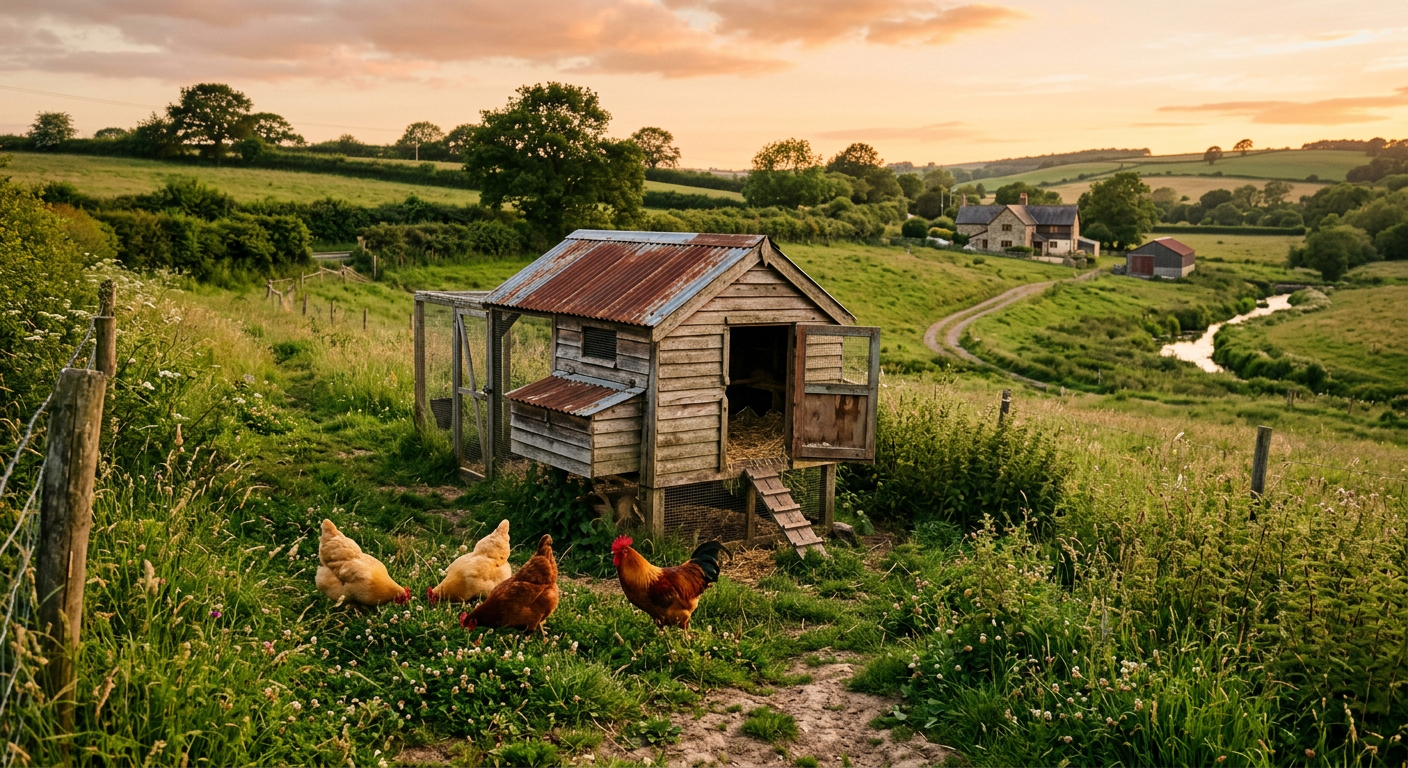
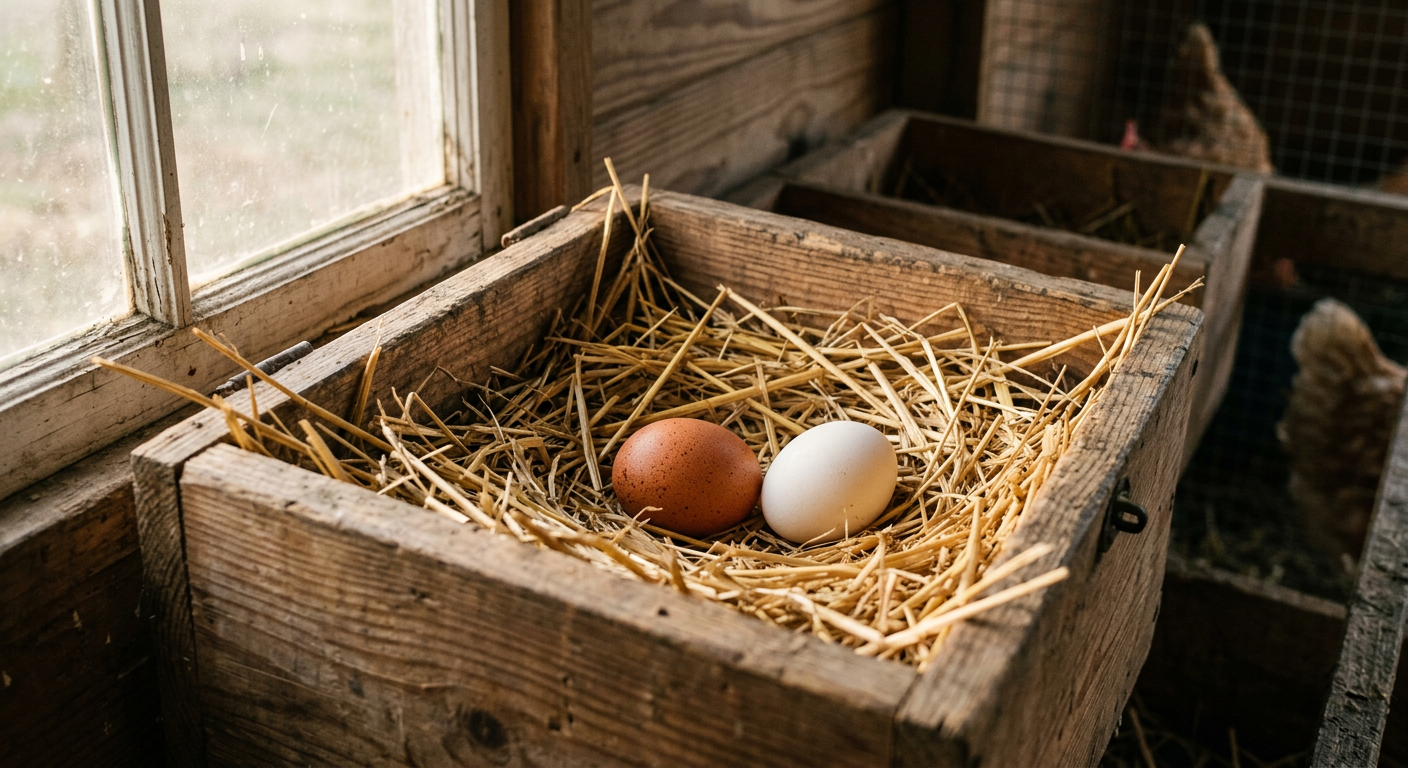
The smell of cold pine shavings hit me first. I reached into the favorite nesting box, the one Bertha-Mae always claims, and felt nothing but clean straw. I checked the next, and the next. Empty. All six boxes, dust-mote-in-the-sunbeam empty. My stomach did a little flip-flop—the kind that says what’s wrong?
🎯 Quick Answer: When your hens stop laying, it’s almost always due to one of four things: not enough daylight, seasonal molting, stress, or a dip in nutrition. Troubleshooting common chicken laying problems is a process of elimination, and usually, the fix is simple once you identify the cause.
🔑 Key Takeaways
* Light is Everything: Less than 14 hours of daylight signals a hen’s body to stop laying. This is the #1 reason for a winter slump.
* Stress is a Production Killer: A predator scare, a new chicken, or even a loud lawnmower can stress hens enough to halt egg production for days.
* Molt Means No Eggs: Once a year, chickens lose their old feathers and grow new ones. All their energy goes into this, not egg-laying.
* Nutrition is Non-Negotiable: Low protein, insufficient calcium, or just plain old stale feed will tank your egg numbers fast.
* Age and Broodiness: Hens’ productivity naturally declines after year two. A broody hen will also stop laying to sit on a nest (even an empty one).
Hidden Nests: Don’t rule out the possibility they are* laying, just not where you’re looking!
—
!Nesting boxes with straw while troubleshooting common chicken laying problems in a backyard flock.
The Seasons of Egg Laying: Light, Molt, and Age
I’ll never forget our first winter homesteading. We were so excited about our flock, we’d read all about raising backyard chickens. We went from a dozen beautiful brown eggs a day in September to maybe two in November. We thought they were sick.
Turns out, they were just… chickens. This is the first stop in troubleshooting common chicken laying problems.
The Impact of Daylight
Hens are hardwired to lay when days are long, which signals that it’s a good time to raise chicks. They need 14-16 hours of light per day for peak production. As the days shorten in fall and winter, their bodies naturally tell them to take a break.
I was firmly against supplemental lighting at first. Seemed unnatural. But then I was also buying eggs from the store for $5 a dozen. We added a simple, cheap LED light on a $15 timer to the coop, set to come on at 4 AM and go off around 8 PM to give them 16 total hours. Within two weeks, we were back to 8-9 eggs a day. Problem solved.
The Annual Molt (The Feather Explosion)
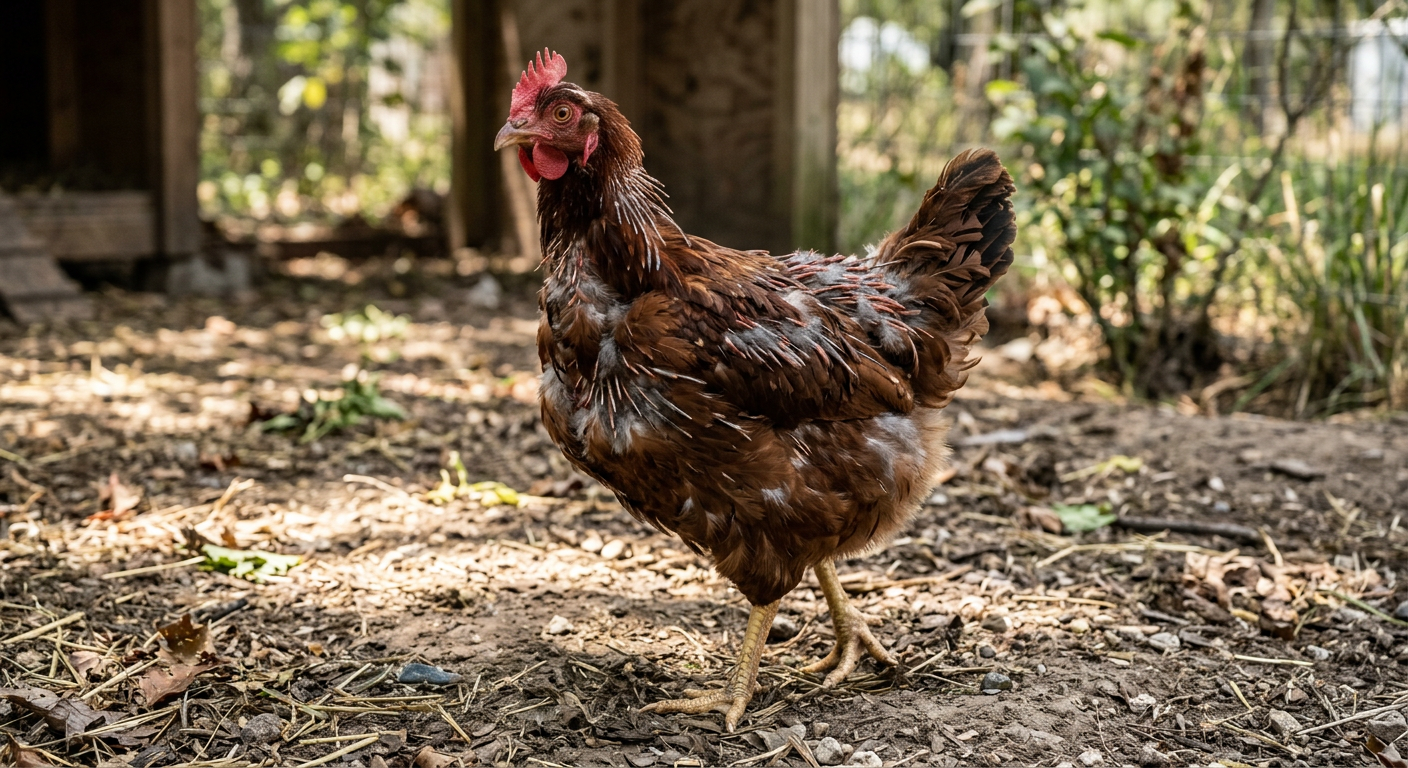
One day you’ll walk into your coop and it will look like a pillow fight exploded. Feathers everywhere. Your chickens will look ragged, patchy, and miserable. This is the molt. It usually happens in the fall as they shed old feathers to grow new ones for winter.
During this time, which can last from 4 to 12 weeks, egg-laying will completely stop. All their protein and energy is going into making thousands of new feathers. Don’t panic! The best thing you can do is up their protein. We switch from a 16% layer feed to a 20% feather fixer or flock raiser formula to help them through it faster.
Age Isn’t Just a Number
A hen is in her absolute prime in her first year of laying. In year two, you can expect about 80% of that production. By year three, it might be 60% or less. We have a few old girls who are 5+ years old and they give us maybe one egg a week in the height of summer. They’ve earned their retirement.
Keeping track of your flock’s age is crucial. We use simple colored zip ties on their legs to denote the year they were hatched. It helps us manage expectations and know when it’s time to introduce new pullets.
Don’t get discouraged by a winter slump; understanding the a hen’s natural cycles is half the battle.
Now, let’s talk about the invisible force that can shut down your egg factory overnight: stress.
—
The Stress Factor: Identifying and Reducing Flock Anxiety
Chickens are prey animals. They are wired for anxiety. Anything that disrupts their peaceful routine of pecking, scratching, and dust bathing can cause a stressful cortisol spike that brings egg-laying to a screeching halt.
I learned this the hard way when our neighbor’s friendly but clueless Lab got into their run. No one was hurt, but the sheer panic of a predator in their space stopped egg production for five full days. Nothing. Not a single egg.
Here are the common stressors we look for:
* Predator Scares: Hawks circling, a loose dog, a raccoon testing the coop door at night.
* Changes in the Flock: Introducing new birds (always quarantine first!) or a rooster getting overly aggressive.
* Environmental Changes: Moving the coop, loud noises (like when we had to use a chainsaw near the run for two days), or even extreme heat waves.
* Overcrowding: Not enough space per bird is a massive stressor. Aim for at least 4 sq ft per bird in the coop and 10 sq ft in the run.
To manage stress, we focus on routine. We feed them at the same time every day. We ensure their coop is secure. When we add new birds, we integrate them slowly over a week or two. Sometimes, a calm presence is all they need. I’ll just sit out there with them for 20 minutes while they forage. It helps.
If you see a sudden drop in eggs with no other explanation, look for a hidden stressor. It’s often the culprit.
Stress is a big one, but an even more common daily issue is what you’re putting in their feeder.
—
Nutrition’s Role in Troubleshooting Laying Issues
Imagine trying to run a marathon on a diet of potato chips and water. That’s what it’s like for a hen on sub-par feed. An egg is a nutritional powerhouse, and creating one every 26 hours requires a massive amount of protein, calcium, and energy. Skimping on feed is the fastest way to an empty egg basket.
For our first year, we bought the cheapest layer crumbles we could find at the farm store. It was 16% protein and cost about $18 a bag. Our eggs were… okay. Then we switched to a higher-quality feed from Scratch and Peck that was 18% protein and cost more like $32 a bag. The difference was stunning. Yolk color became a deep, vibrant orange. Shells got harder. Production became rock-solid consistent.
The Protein and Calcium Connection
* Layer Feed (16-18% Protein): This should be their primary food source. Anything less than 16% and you will see a drop in production.
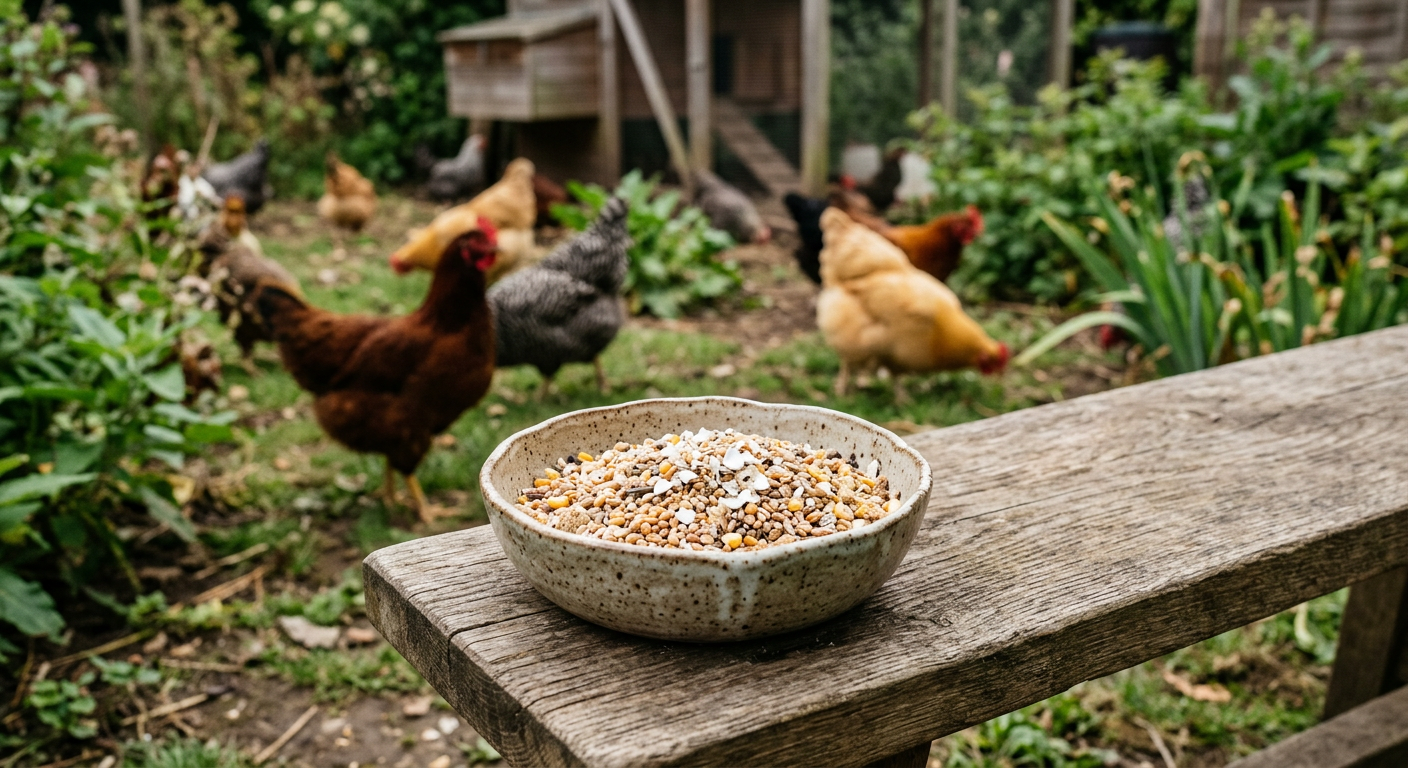
* Calcium: An eggshell is almost pure calcium carbonate. Layer feed has some, but you MUST provide a free-choice source of calcium. We offer crushed oyster shell in a separate container at all times. They will take what they need.
* Treats in Moderation: It’s fun to give them kitchen scraps, but treats should be no more than 10% of their diet. Too many treats (especially low-protein ones like lettuce) means they aren’t eating enough of their balanced feed. It’s like letting a kid fill up on candy before dinner.
We learned a lot about balancing our inputs and outputs just from tracking our flock’s health and production. We actually use a digital planner to keep notes on feed changes, egg counts, and health issues, which you can find in the homestead management system from homesteadOS. It makes spotting patterns so much easier.
Keep reading — this is where most people mess up.
Your feed can be perfect, but if pests or sickness move in, egg production will be the first thing to go.
—
!A molting hen being inspected while troubleshooting common chicken laying problems during autumn.
Pests, Sickness, and Broodiness
Sometimes the reason for no eggs is more sinister than just daylight or diet. Your hens might be dealing with an internal battle, either with parasites, illness, or their own hormones.
Performing a Health Check
Once a month, we do a quick health check on each bird. We pick them up, check their vent (it should be clean and moist), look for mites around their face and under their wings (they look like tiny red or black moving specks), and feel their breast bone. A healthy bird has a plump, solid keel bone; a sharp, prominent one indicates weight loss.
Mites and lice are a common cause of chicken laying problems. They feed on the birds at night, causing anemia, stress, and itchiness. We had a terrible infestation of mites one summer. Egg production dropped by half. We had to clean the whole coop, dust everything with diatomaceous earth, and treat the birds. It was exhausting, but a critical lesson learned. Keeping track of these interventions and their outcomes is why a dedicated planning tool is so invaluable on the homestead.
When a Hen Goes Broody
Then there’s the broody hen. One of your girls will decide it’s time to be a mama. She’ll stop laying, puff up her feathers, and refuse to leave the nesting box, giving you a grumpy growl if you try to move her. She’s not sick; her hormones have just taken over.
If you don’t want to hatch chicks, you need to ‘break’ her broodiness. The goal is to cool down her underside. We have a ‘broody breaker,’ which is just a wire-bottom cage we can put her in for a few days with food and water. The airflow under her belly usually resets her hormones in 2-3 days and she’ll be back to normal (and laying) within a week or so.
When your troubleshooting for laying problems gets this deep, remember to keep a clear head and work the problem methodically.
—
💡 Pro Tips
* The Calcium Test: If you’re seeing thin-shelled or shell-less eggs, you have a calcium problem. Make sure free-choice oyster shell is always available, separate from their food.
* Boredom Busters = Stress Reducers: Hang a head of cabbage from a string in the run (a ‘chicken pinata’). Give them a log to peck at. A busy chicken is a happy, less-stressed chicken.
* The Secret of Fermented Feed: We started fermenting our layer feed a few years ago. You just soak it in water for about 3 days. It boosts nutrients, improves digestibility, and our flock’s health has never been better. Production is rock solid.
* Look for the Hidden Clutch: If one hen suddenly seems to have stopped laying but looks perfectly healthy, she might be laying elsewhere. We once found a clutch of 23 eggs hidden under a wild raspberry bush. Follow a hen that you think should be laying and see where she goes after breakfast.
—
⚠️ Beginner Mistakes to Avoid
* Freaking Out Over the First Molt: We all do it. You see a mountain of feathers and a half-naked chicken and assume the worst. It’s a normal, healthy process. Breathe. Just give them extra protein.
* Not Enough Nesting Boxes: The rule is one box for every 4-5 hens. Not enough boxes leads to fighting, stress, broken eggs, and hens seeking alternative (hidden) spots to lay.
* Inconsistent Water: An egg is mostly water. A hen’s waterer running dry for even a few hours on a hot day can be enough to knock her out of lay for several days.
* Believing the ‘Egg a Day’ Myth: Only the most productive breeds in their absolute prime lay an egg every day. It’s more common to get 5-6 eggs a week per hen during peak season. Adjust your expectations!
—
Frequently Asked Questions
Why did my chicken suddenly stop laying eggs?
A sudden stop is almost always stress or a predator scare. Check the run for signs of digging, look for loose feathers that indicate a struggle, or think if there were any loud noises or changes to their routine in the last 24-48 hours. A broody hen will also stop very suddenly.
How long can a chicken go without laying an egg?
During a heavy molt, a chicken can go 2-3 months without laying. In winter with no supplemental light, they may also stop for the entire season. A stressed hen might stop for a week. If a healthy, non-molting hen in good laying conditions goes more than a week without laying, it’s time for a thorough health inspection.
What can I give my chickens to make them lay more eggs?
There’s no magic bullet. The ‘secret’ is simply providing the fundamentals: 16+ hours of light, a high-quality layer feed with at least 16% protein, constant access to fresh water and free-choice calcium (oyster shell), and a low-stress environment. That’s it.
How do I know if my hen is too old to lay?
Production declines with age, but few hens stop laying completely until they are very old (5+ years). An old hen might only lay a few dozen eggs a year, mostly in the spring. If you’re not sure which hens are laying, you can use trap nests or the old-timer trick: check the distance between their pubic bones. A laying hen will have a wider gap, typically three fingers’ width, while a non-layer will be closer to two.
Should I add a rooster to my flock for better laying?
No. A rooster has zero impact on how many eggs a hen lays. Hens will lay eggs with or without a rooster. The only reason to have a rooster is if you want fertile eggs to hatch your own chicks. A rooster can also provide some protection and order for the flock, but can also be a source of stress if he is too aggressive.
—
Getting a handle on why your eggs disappeared can feel like a mystery, but it’s part of the rhythm of keeping animals. It teaches you to observe, to be patient, and to understand the natural cycles of life on the homestead. Once you get your flock back on track, you’ll be swimming in eggs again, and probably looking for ways how to preserve eggs for long-term storage!
We share a lot of these day-to-day wins and losses over on our Facebook page — come join the conversation and follow along here.
What’s the strangest reason your hens have ever stopped laying? Share your story in the comments below!
📚 More From Our Homestead
- Best Veggies for a Backyard Organic Garden (Our Picks)
- How to Store Root Vegetables For Winter Without a Cellar
- My First Year Beekeeping Equipment Checklist (What We Used)
- Start Urban Homesteading on a Small Balcony (Our Story)
- Start Homesteading with No Land? Here’s How We Did It
Ready to Start Your Homestead Journey?
Free guides, checklists, and tools to help you build your dream homestead.
Leave a Reply