!A thriving balcony garden showing how to start homesteading with no land experience in an apartment.
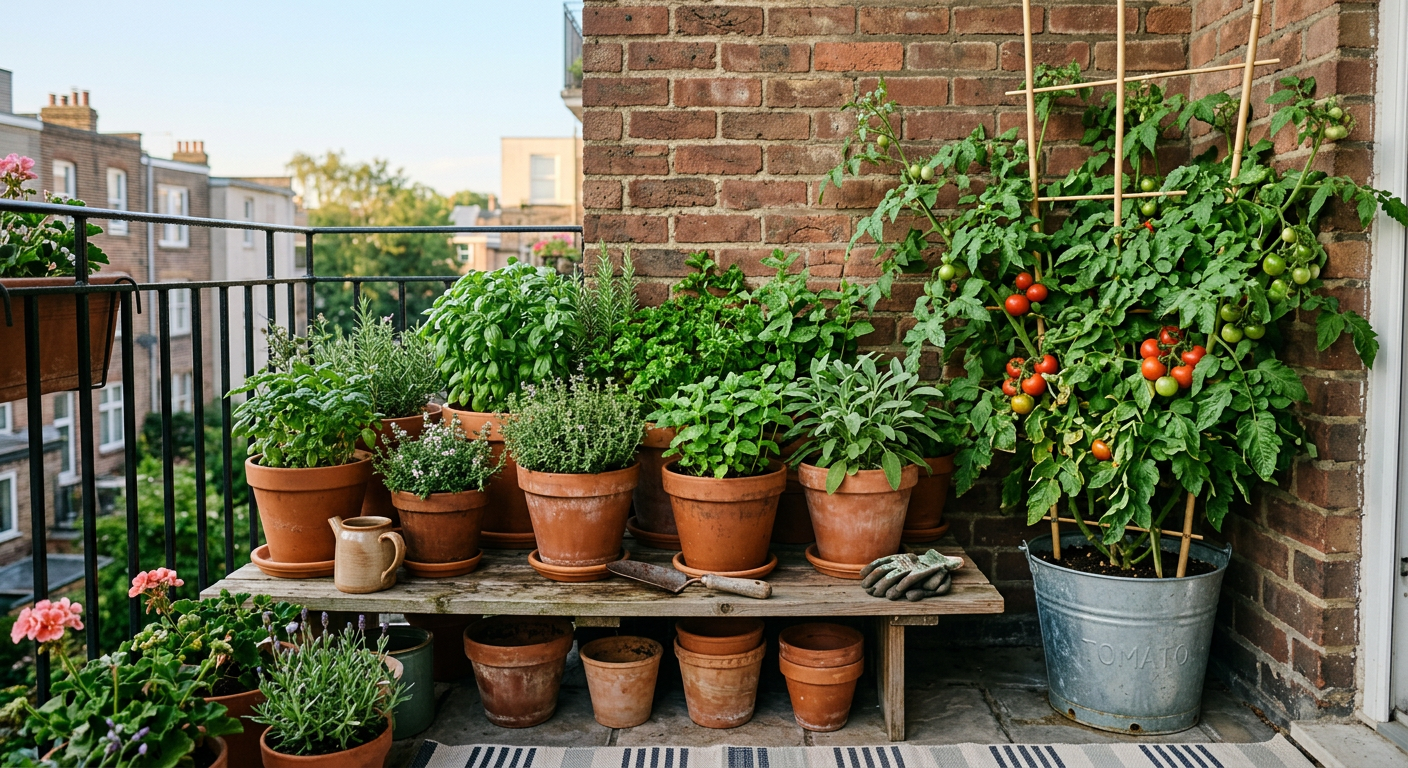
I still remember the smell of hot concrete on our third-floor apartment balcony. I had one pathetic tomato plant in a five-gallon bucket, and it was getting absolutely annihilated by aphids. I felt like a total failure, staring at my sad little plant while dreaming of acres of green pasture I couldn’t afford.
That was my first lesson in homesteading: it doesn’t start with a deed to a property. It starts with a mindset, and learning how to start homesteading with no land experience is the most valuable first step you can take.
🎯 Quick Answer: The best way to start homesteading with no land is to transform your current space (apartment, rental, suburban yard) into a learning lab. Focus on building practical skills like container gardening, food preservation, and basic repairs before you ever sign a mortgage. Your homesteading journey begins with your hands and your head, not a plot of land.
🔑 Key Takeaways
* Start Now, Where You Are: Homesteading is a set of skills and a mindset, not a location. You can begin in a city apartment or a suburban rental.
* Focus on Skills, Not Acres: Learning to bake bread, mend clothes, or can jam is more valuable initial experience than owning land you don’t know how to manage.
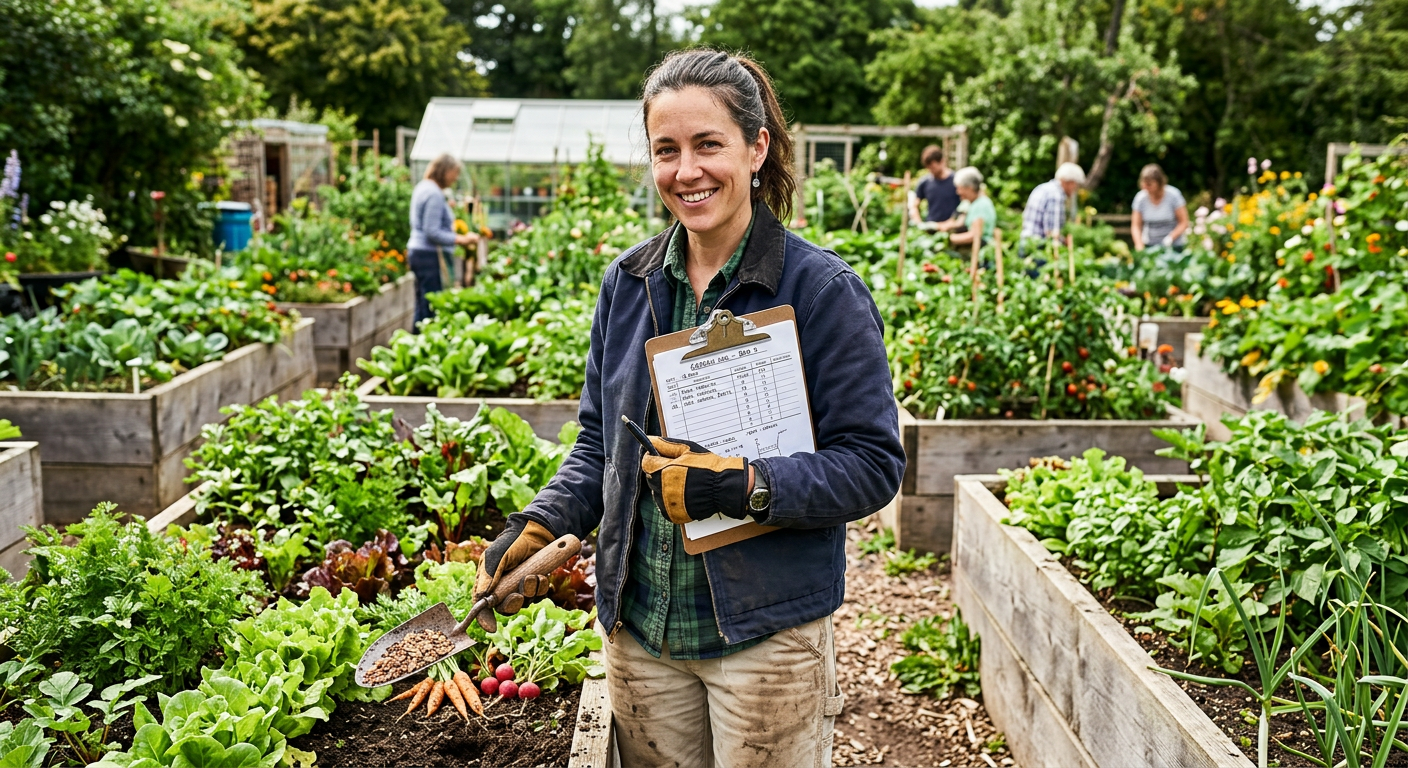
* Sweat Equity is Real: Volunteer on local farms, help neighbors with their gardens, or join a community garden to gain practical, hands-on land experience for free.
* The Kitchen is Your First Farm: Master food preservation, scratch cooking, and minimizing waste. This is the heart of a homestead and can be done anywhere.
* Plan and Save Aggressively: Use this land-less time to build a rock-solid financial plan and a’knowledge bank.’ Read, research, and budget like your future depends on it—because it does.
* Community is Your Best Crop: Connect with other homesteaders, gardeners, and farmers online and in person. They are your future support system and a goldmine of information.
—
Bloom Where You’re Planted: Your First Homestead is Your Mindset
Everyone thinks you need five acres and a barn to start homesteading. They’re wrong. The truth is, if you can’t keep a basil plant alive on your windowsill, you’re going to have a brutal time managing a quarter-acre garden.
We spent three years in a 900-square-foot rental before we bought our land. I thought of it as our ‘homesteading incubator’.
Master the Micro-Garden
Forget acres. Think in square feet. Or even square inches.
* Container Gardening: We grew so much in containers on our tiny concrete patio. We had two EarthBox systems that cost us about $50 each and produced an insane amount of salad greens and peppers. We killed a lot of plants, but each dead plant was a cheap lesson.
* Windowsill Herbs: Start with a few pots of simple herbs. They’re forgiving and the ROI is huge. Fresh chives for your eggs is a little victory that keeps you going.
* Sprouts & Microgreens: You can grow these on your kitchen counter in a jar with just seeds and water. It’s the fastest, cheapest way to produce your own food. We got started with a $15 sprouting kit.
My balcony tomato failure taught me about pests. The next year, I learned about neem oil and companion planting with marigolds. It was a small-scale, low-stakes education. Getting a concrete plan for even a small space is crucial; we used a system similar to the one at usehomesteados.com to map out our tiny patio garden so we knew exactly what to plant and when.
Want to dig deeper? Our guide on starting a small backyard vegetable garden translates perfectly to a container setup.
This next section is about getting real, dirty, hands-on experience… for free.
—
Trade Sweat for Skills: The Secret to Free Land Experience
You don’t own land. But someone near you does, and they are probably overworked and could use a hand. This is your golden ticket.
I’ll never forget the Saturdays I spent helping an old timer, Mr. Henderson, with his small goat herd. I offered to help him mend fences—a skill I wanted to learn—in exchange for him teaching me the basics of animal care. I learned how to trim hooves, spot signs of illness, and how truly stubborn a goat can be. That education was priceless, and it cost me nothing but sweat and a willingness to listen.
How to Start Homesteading with No Land Experience via Bartering
This is about being humble. You’re not going to be driving the tractor on day one. You’re going to be hauling manure. Embrace it. The lessons are in the manure.
Once you’re learning to work the land, you need to learn what to do with the bounty.
—
Learn the Lost Arts (In Your Modern Kitchen)
Homesteading isn’t just growing things. It’s about a cycle of production and preservation. You can master 90% of these skills in a regular apartment kitchen. This knowledge is CRITICAL when you have a garden explosion and need to deal with 40 lbs of zucchini at once.
Kitchen Skills to Master Now
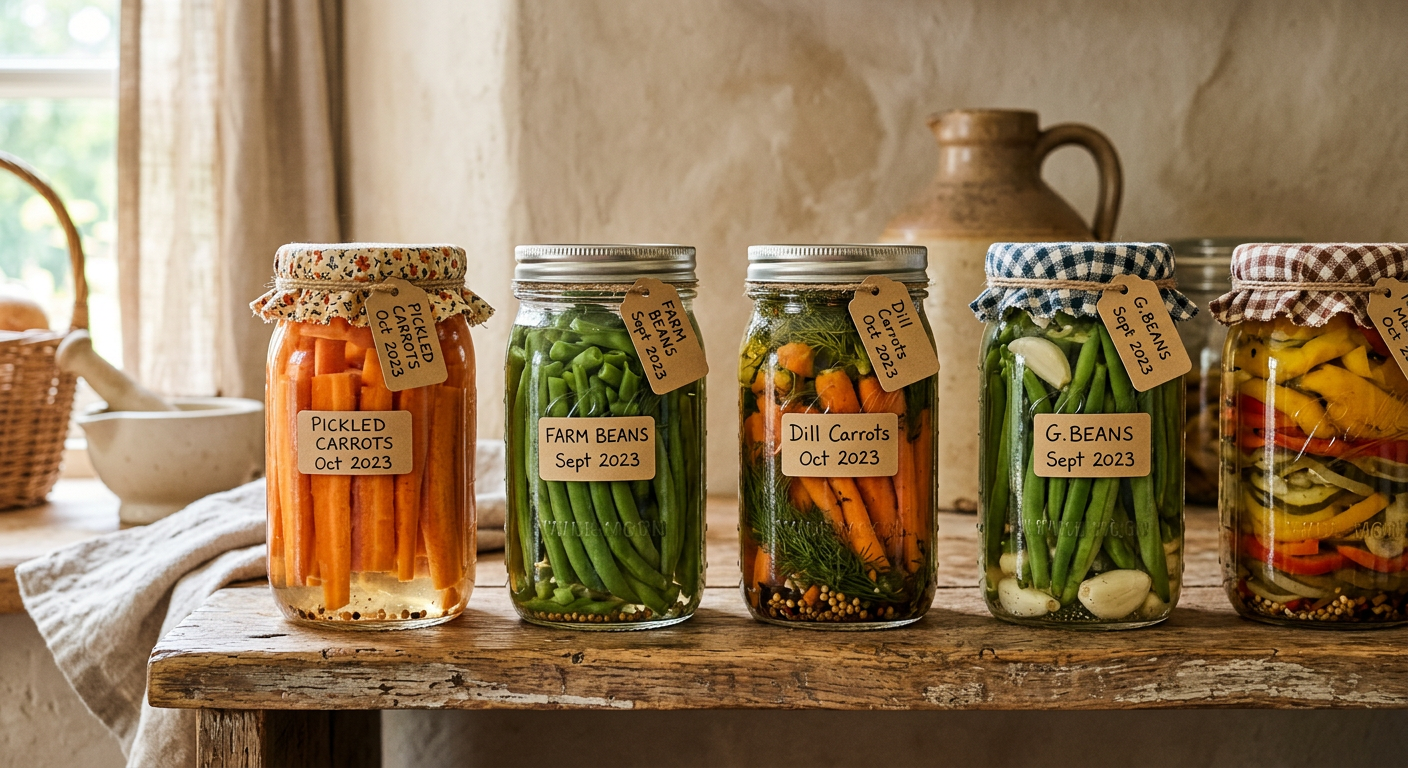
* Canning & Preserving: My first attempt at pressure canning was terrifying. I was sure the whole thing would explode. I followed a recipe from the Ball Blue Book and processed six jars of green beans. When I heard the ‘ping’ of each lid sealing as they cooled, it was one of the most satisfying sounds I’d ever heard. Start with water-bath canning for high-acid foods like pickles and jam. It’s less intimidating.
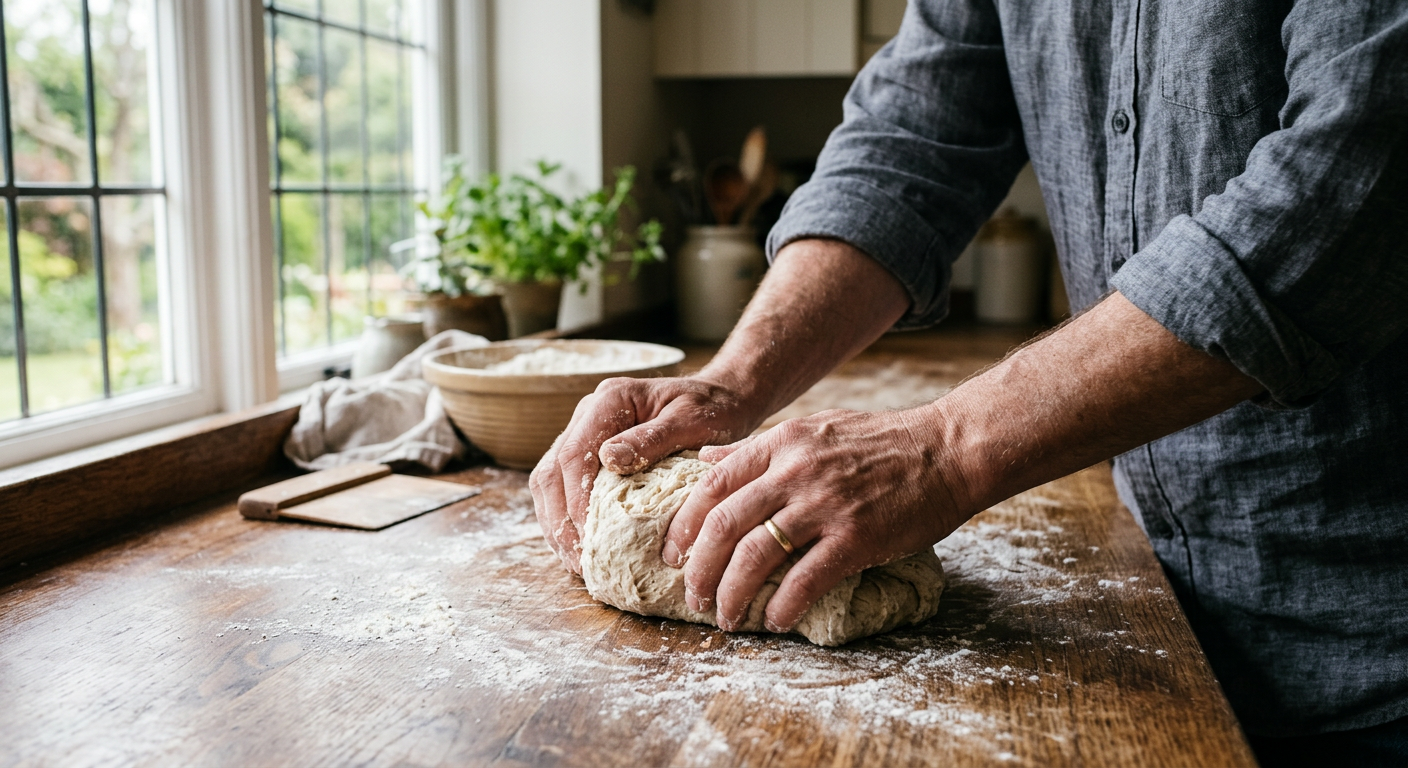
* Baking from Scratch: Forget the bread machine. Learn to make a simple loaf of sourdough or no-knead bread. It connects you to your food, saves money, and makes your house smell incredible. My sourdough starter, which I’ve had for seven years, was born in that city apartment.
* Basic Mending: A sewing machine is great, but just learning to sew on a button or patch a pair of jeans with a needle and thread is a foundational skill. It’s the anti-consumerism mindset in action.
These are the essential homesteading skills that will truly make you self-sufficient, and they don’t require a single acre.
Now for the least glamorous, but most important part: the planning.
—
!Canned vegetables on a shelf demonstrating how to start homesteading with no land experience.
Build Your ‘Homestead Brain’ (And Your Bank Account)
While you’re weeding someone else’s garden and canning pickles in your kitchen, your other full-time job is planning and saving.
Running a homestead is running a small, very demanding business. You are the CEO, the janitor, and the head of livestock health. Using this land-less period to get your financial and mental house in order is the single biggest predictor of success.
How to Prepare for the Financial Reality
* The No-Fun Budget: We got ruthless. We tracked every single penny for an entire year. That meant no more unplanned $5 coffees, no more takeout when we were tired. That ‘saved’ money went directly into a ‘Homestead Down Payment’ account.
* The ‘Dream Sheet’ Budget: We used a massive spreadsheet to game out the future. What would a mortgage cost? How much for property taxes in the counties we were looking at? What’s the startup cost for 10 laying hens? We over-estimated everything by 20%. This wasn’t just a budget; it was our road map.
* Read Voraciously: Absorb everything. Follow homesteading bloggers (the real, dirt-under-the-fingernails kind), subscribe to magazines like Mother Earth News, and read books. Create a plan, even if you don’t have the land yet. A detailed plan of action is what separates the dreamers from the doers; we used a framework from usehomesteados.com to build out our first five-year goals.
This is your time to learn about homesteading on a budget before the costs are real and unforgiving.
Keep reading — this is where most people mess up.
💡 Pro Tips
* Start with ONE thing. Don’t try to learn sourdough, kombucha, and container gardening all in the same week. Master one skill, feel the win, then add another. Overwhelm is the number one dream-killer.
* Document Everything. Take pictures of your sad, aphid-infested tomato plant. Keep a journal of your canning successes and failures. When we finally bought our land and I felt overwhelmed, I looked back at those early notes and realized how far we’d come. It was a huge morale boost.
Focus on Knowledge, Not Gear. You don’t need a $300 Excalibur dehydrator when you live in an apartment. Learn to do it in your oven on the lowest setting first. Buy the gear when you have a proven need* for it, not a perceived want.
* Find Your ‘Why’. Why do you want this life? Write it down. On the hard days—and there will be many—that ‘why’ is what will get you out of bed before sunrise.
⚠️ Beginner Mistakes to Avoid
* Buying the Land First: This is the biggest one. People fall in love with a piece of property but have no idea about water rights, zoning, soil quality, or the skills needed to manage it. The land is the LAST piece of the puzzle, not the first.
* Romanticizing the Work: I watched a friend buy 50 meat chickens for their new homestead. They loved the idea of raising their own food. They were not prepared for the reality of processing day. It’s muddy, bloody, and emotionally taxing. Don’t gloss over the hard parts.
* Ignoring Local Laws: You can’t just put a goat in your suburban backyard. Before you even dream of animals, read your city and county ordinances. We knew a couple who had to re-home their beloved hens because a neighbor complained and they were in violation of a local rule.
* Going Into Debt for ‘Stuff’: Your homestead dream can be crushed by a tractor payment you can’t afford. Start with good, solid hand tools. We broke ground on our first big garden with a $40 broadfork, not a $20,000 tractor.
—
Frequently Asked Questions
H3: Can you really homestead in an apartment?
Absolutely. Apartment homesteading focuses on skills, not scale. You can bake bread, ferment foods (like sauerkraut and kimchi), grow sprouts, manage a worm composting bin under your sink, and learn to mend and repair. It’s about creating a productive, self-sufficient mindset within the space you have.
H3: What is the very first skill I should learn?
Cooking from scratch. 100%. If you can’t transform raw ingredients into a meal, you can’t be a homesteader. It teaches you planning, reduces waste, saves an enormous amount of money, and is the foundation for every other food skill like canning and baking.
H3: How much money do I need to save to start homesteading?
It varies wildly, but the answer is: more than you think. Don’t just save for a down payment. You need a separate, substantial fund for startup costs: tools, fencing, initial livestock, seeds, infrastructure repairs. We had a $15,000 ‘Oh Crap’ fund on top of our down payment, and we used about a third of it in the first six months.
H3: Where can I find local farms to volunteer on?
Start at your local farmers’ market and just talk to people. Use social media to search for farms in your area; many are active on Instagram or Facebook. You can also check with your local USDA Extension office as they often have connections to community gardens and local agricultural programs.
H3: Is it better to learn gardening or animal husbandry first?
Gardening. Always gardening. Plants are cheaper, the mistakes are less heartbreaking than with animals, and the learning curve is more forgiving. The skills you learn tending a garden—observation, patience, dealing with pests and disease—directly translate to animal care later on.
—
Your Homestead Starts Today
Looking back at that sad little tomato plant on my city balcony, I don’t see a failure anymore. I see the beginning. I see the first step on a path that led us here, to our own land, with dirt under our nails and a pantry full of food we grew ourselves.
Your land is out there, maybe. But your homestead is right here, right now. It’s in the jar of sourdough starter on your counter, the needle and thread in your drawer, and the desire in your heart. You’ve already started.
For more of our day-to-day wins and messy learning experiences, you can follow our journey on our Facebook page. We share the real, unfiltered side of this life.
What’s the one skill you’re going to start learning this week? Let me know in the comments below!
📚 More From Our Homestead
- Rural vs Urban Homesteading: A Real-World Guide
- How to Start Homesteading in a Suburban Backyard
- Homestead Budget: Plan From Scratch & Thrive!
- How to Start Urban Homesteading Small Balcony: 5 Steps
- Zero Budget Homestead: How to Begin Homesteading with No Money
Ready to Start Your Homestead Journey?
Free guides, checklists, and tools to help you build your dream homestead.
Leave a Reply