!A thriving small farm showing how to plan a homestead budget from scratch for long-term success.
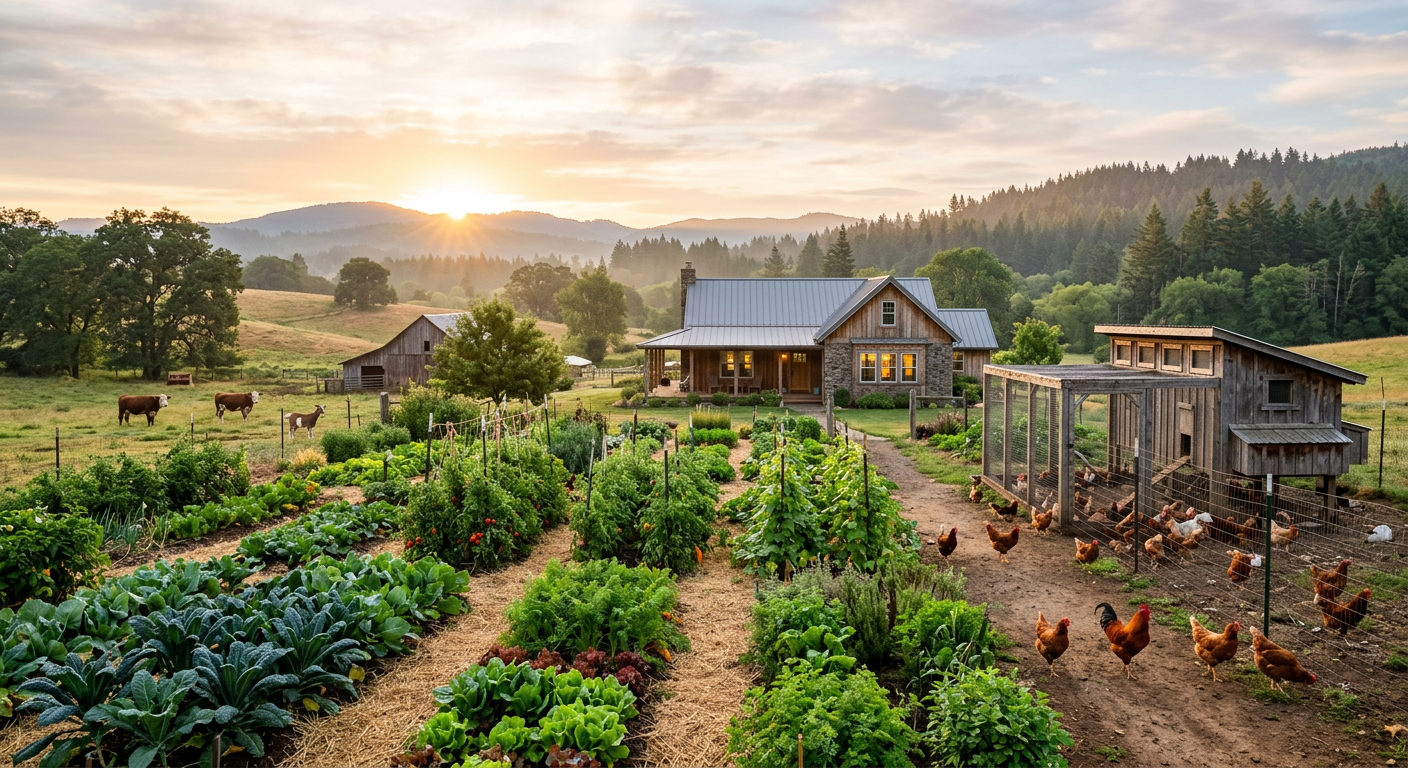
When we first started dreaming of our homestead, visions of overflowing gardens and happy chickens danced in our heads. What didn’t dance? The numbers. We quickly learned that a homestead, while eventually saving you money, requires a thoughtful financial plan upfront. Without knowing how to plan a homestead budget from scratch, we would have been in a world of trouble.
🎯 Quick Answer: Planning a homestead budget from scratch involves tracking current expenses, projecting start-up and ongoing costs for specific projects (like chickens or a garden), identifying income sources, and continually adjusting with a 12-24 month outlook. It’s about realistic expectations and living within your means to achieve long-term self-sufficiency.
—
🔑 Key Takeaways
* Start with your ‘why’: Your homestead goals dictate your budget priorities.
* Track everything: Understand your current spending before projecting future costs.
* Categorize ruthlessly: Separate essential homestead costs from ‘wants’.
* Research relentlessly: Get real-world costs for seeds, tools, animals, and infrastructure.
* Build in a buffer: Unexpected costs are a homesteading guarantee.
* Revisit regularly: Your budget is a living document, not a set-it-and-forget-it plan.
—
!A person learning how to plan a homestead budget from scratch using a notebook and laptop.

Understanding Your Current Financial Landscape
Before you can plan for future homestead expenses, you absolutely have to know where your money is going right now. This was a huge eye-opener for us when we first sat down with our bank statements. We thought we were frugal, but boy, were there some surprises!
Where is Your Money Going?
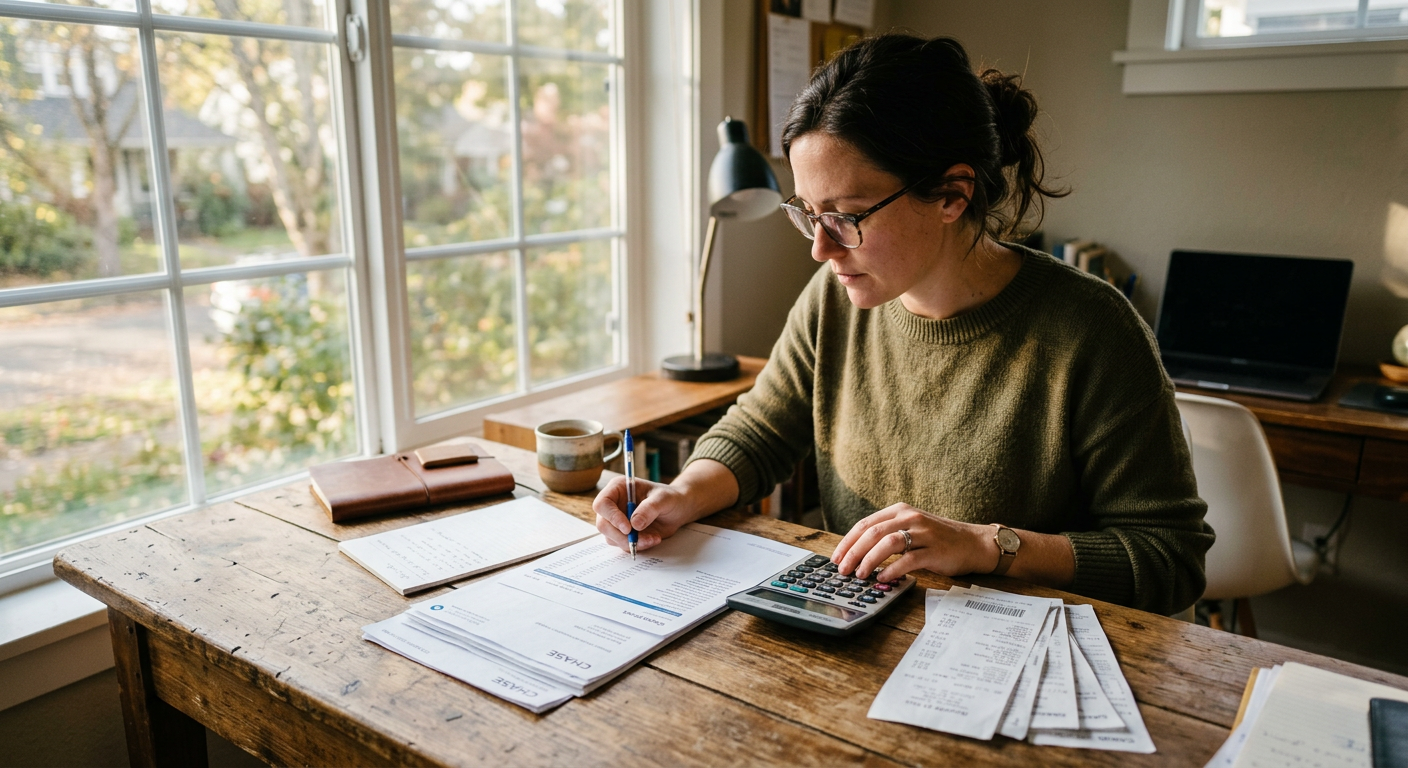
Take a good hard look at your last 3-6 months of spending. Don’t just glance; print it out or export it to a spreadsheet. We use a simple spreadsheet to categorize every single transaction.
* Fixed Expenses: Rent/mortgage, car payments, insurance, utilities (average these out).
* Variable Expenses: Groceries, dining out, entertainment, gas, clothing, subscriptions.
* Surprise Expenses: Medical bills, car repairs, house maintenance (again, average these over a year if possible).
You might find that you’re spending $300 a month on takeout, or $75 on streaming services you barely watch. Every dollar counted when we were dreaming of our first flock of chickens and a decent garden.
Identifying Savings & Debt
Once you know your outflow, compare it to your income. Are you saving anything? Are you accumulating debt? This isn’t just about homestead spending; it’s about your overall financial health. We made a commitment to pay off consumer debt before taking on any big homestead projects, as that monthly payment was a direct drain on funds we could use for seeds or fencing. Think of it this way: every dollar freed from debt is a dollar that can grow your homestead. We also started a dedicated ‘homestead savings’ pot.
Keep reading — this is where most people mess up.
Projecting Homestead Start-Up Costs
This is where the rubber meets the road. Knowing how to plan a homestead budget from scratch means breaking down those big dreams into tangible, costed projects. When we started, we wanted everything at once: chickens, a huge garden, fruit trees, maybe even a goat! We quickly realized that’s a recipe for financial disaster and burnout.
Prioritizing Your First Projects
We decided to start small. Our first year focus was a basic vegetable garden and a small flock of laying hens. This allowed us to keep start-up costs manageable. What are your absolute must-have first steps?
* Garden: Seeds, soil amendments, tools (check out our list of Essential Homesteading Tools to Buy First!), fencing, watering system. A 4×8 raised bed could cost $100-$300 in materials alone, plus seeds/soil.
* Chickens: Coop, feeder, waterer, chicks, feed, bedding. Our first small coop cost around $400 in materials, and chicks were about $4 each. For more on this, read our post on Raising Backyard Chickens: Pros, Cons & What to Expect.
* Land: If you don’t have it yet, this will be your single largest expense. Don’t forget closing costs, surveys, and potential utility hookups. This is a whole budget in itself! Our guide on Finding Your Homestead: A Beginner’s Property Guide can help.
Researching and Estimating Costs
This isn’t a one-and-done task. We spent hours comparing prices online, calling local suppliers, and asking experienced homesteaders about their costs. For example, a basic chicken coop might cost $200 if you build it from reclaimed materials, or $800+ for a pre-fab kit. Always get multiple quotes or price points. Don’t forget the ‘little’ things — garden gloves, twine, a good watering can, electrical wiring, lumber for raised beds… these add up quickly!
This next part? Nobody talks about it, but it changed everything for us.
Planning for Ongoing Homestead Expenses
It’s easy to focus on the big initial buy-in, but the day-to-day and season-to-season costs are what really shape your long-term homestead budget. We learned this the hard way with chicken feed!
Monthly & Seasonal Operating Costs
These are the expenses that keep your homestead running. They might seem small individually, but they are relentless.
* Animal Feed: This is a big one. Our 6 laying hens eat about 15-20 lbs of feed a week, costing us roughly $15-$20 a month (feed prices fluctuate!). This adds up to $180-$240 annually just for feed.
* Garden Supplies: Seeds, compost, fertilizer, pest control, row covers. We budget about $100-$200 annually for these for our 1/4 acre garden.
* Utilities: Even if you’re aiming for off-grid, you’ll likely have some utility costs – well pump electricity, propane for heating/cooking, internet. Average these over the year.
* Maintenance & Repairs: Fencing breaks, tools wear out, irrigation needs fixing. We set aside a small monthly ‘homestead repair’ fund, even if it’s just $25. This covers things like a broken shovel handle or new chicken wire.
Factoring in Unexpected Expenses
Oh, the unexpected! A sick animal, a sudden tool breakdown, or a late-season frost that necessitates buying pricey seedlings. We learned fast that a buffer is essential. We try to keep a separate emergency fund of at least $500 for homestead-specific issues. This isn’t just a good idea; it’s practically a necessity to avoid dipping into your personal savings or going into debt when things inevitably go wrong.
Considering Homestead Income & Savings
One of the most exciting parts of homesteading is the potential for self-sufficiency and even generating a little income. When you plan a homestead budget from scratch, it’s crucial to be realistic about this. Don’t count your chickens before they hatch, literally!
Potential Revenue Streams
Harking back to our earlier days, we always hoped to sell extra eggs or produce. While it’s possible, it’s rarely a get-rich-quick scheme. Focus on offsetting costs first.
* Selling produce: Excess vegetables, fruits, herbs. We sell a few extra tomatoes and cucumbers at a roadside stand, bringing in perhaps $50-$100 over the summer.
* Eggs: Selling a dozen eggs for $4-$6 can help cover feed costs. If you have 12 hens, that’s potentially 6-8 dozen a week, maybe $100-$200 a month in sales.
* Value-added products: Jams, jellies, baked goods, soaps. These require more time and often local permits.
* Breeding animals: Selling chicks, piglets, or kids can be lucrative but also requires significant investment and knowledge.
Cost Savings from Self-Sufficiency
This is where homesteading truly shines. Every vegetable you grow, every egg you collect, the less you have to buy at the grocery store. We track our grocery bill rigorously, and seeing it drop year over year is incredibly motivating.
* Food Savings: For a family of four, growing a significant portion of your vegetables can save hundreds of dollars a month. We estimate we save at least $200-$300 on produce, herbs, and eggs each month compared to buying organic at the store.
* Reduced Waste: Composting scraps, reusing materials, and mending instead of replacing all contribute to savings.
* Skills-based Savings: Learning to fix things, basic carpentry, or preserving food reduces reliance on outside services or expensive packaged goods. For example, learning Cracking the Code: Preserving Eggs Long-Term (No Fridge Needed!) means less waste.
Don’t skip this — it’ll save you hours (and money).
!Reviewing financial statements to understand how to plan a homestead budget from scratch.
Monitoring and Adjusting Your Homestead Budget
Your homestead budget isn’t a static document; it’s a living, breathing guide that needs regular attention. We review ours quarterly, sometimes even monthly when we’re working on a new project or facing unexpected costs. This transparency is key to homesteading successfully long-term.
Regular Review Schedule
Set a reminder! We sit down every three months, usually at the start of a new season, to go over our budget. This is valuable as seasons directly impact homestead expenses and income.
* Annually: Big picture review. Compare actual spending to budget for the entire year. What worked? What didn’t? Where did we overspend or underspend?
* Quarterly: More detailed review. How are current projects tracking financially? Are we on target for our savings goals?
* Monthly: Quick check of income vs. expenses. Are we staying within our variable spending limits? Is there any unexpected spending we need to adjust for next month?
Adapting to Changes and Unexpected Events
Life on a homestead is never predictable. A severe drought might mean higher water bills or buying more feed. A bumper crop might mean investing in more canning supplies. Be flexible and willing to adjust.
* Flexibility is Key: If a new fence becomes an urgent safety need, you might need to temporarily defer a different, less critical expense.
* Embrace ‘Lean Homesteading’: This means re-evaluating if something is a ‘need’ or a ‘want’ when funds are tight. Can you build it yourself instead of buying? Can you find it used? We’ve found so many treasures on local classifieds and at yard sales rather than buying new.
—
💡 Pro Tips
* Start a ‘Homestead Dream’ fund: Even if it’s just $5 a week, consistently contributing to a dedicated fund for future projects (like a greenhouse or tractor) keeps your motivation high.
* Utilize free resources: Libraries for books, YouTube for tutorials, local extension offices for advice and soil testing – all can save you money. The USDA provides excellent resources on small farm planning.
* DIY where safe and feasible: Building a chicken run can save hundreds. Learning basic plumbing can save a plumber’s visit. Just be honest about your skill level!
* Barter and trade with neighbors: Have extra eggs? Trade for some fresh milk or help with a project. Community is a huge asset on a homestead. This is one of the best Beginner Homesteading Tips we ever got.
* Track your time: Time is money, especially on a homestead. Knowing how much time you spend on each project helps balance your efforts and budget.
—
⚠️ Beginner Mistakes to Avoid
* Not budgeting for tools: We initially forgot about the cost of good quality shovels, wheelbarrows, and specialized garden tools. They add up! Our guide on Essential Homesteading Tools to Buy First! helps here.
* Underestimating feed costs: Animal feed is a continuous, significant expense. Don’t just budget for the initial animals.
* Ignoring a buffer: New homesteaders often budget down to the penny and then crumble when the inevitable happens (like a predator attack requiring better fencing).
* Trying to do too much too soon: This leads to burnout and overspending. Start small, succeed, then expand.
Not tracking actual spending: If you don’t know where your money actually* went, your budget is just a pretty piece of paper. You need to verify it.
—
Frequently Asked Questions
### How much does it cost to start a small homestead?
This varies wildly, but for a small, suburban homestead focused on gardening and a few chickens (no land purchase), you could start with $500 – $2,000 for initial setup (raised beds, seeds, basic tools, a small coop, chicks). If you include land, the costs skyrocket into the tens or hundreds of thousands, depending on location and acreage.
### Can I homestead with no money?
Starting a homestead with absolutely no money is extremely challenging, but not impossible. You’d need to leverage skills, community, bartering, and upcycling. Focus on micro-homesteading, foraging, and extremely low-cost food production like container gardening. We have a lot of tips on Homesteading on a Budget.
### How do I budget for unexpected homestead expenses?
Allocate a specific line item in your monthly or quarterly budget for ‘Homestead Contingency’ or ‘Emergency Fund’. Start with $25-$50 a month and build it up to at least $500-$1000. This fund is specifically for things like urgent animal vet bills, critical equipment breakdowns, or unforeseen project costs.
### Should I include my time in my homestead budget?
While you might not assign a monetary value to your time, it’s wise to budget your time as a resource. Knowing how many hours a project will take helps you prioritize. If you have to spend 20 hours fixing a fence, that’s 20 hours you’re not doing something else, or potentially earning outside income. It’s a key part of resource allocation.
—

Conclusion
Learning how to plan a homestead budget from scratch was one of the most foundational steps we took on our journey. It wasn’t the most glamorous part, but it has saved us from financial headaches and allowed us to grow our homestead sustainably, year after year. It’s about being intentional, realistic, and always willing to learn and adapt. We started small, made mistakes, and learned from every single one, and you can too!
What’s your biggest challenge with homestead finances? I’d love to hear your story in the comments!
📚 More From Our Homestead
- How to Start Urban Homesteading Small Balcony: 5 Steps
- Zero Budget Homestead: How to Begin Homesteading with No Money
- Mastering Practical Skills for Self-Sufficiency at Home
- Basic Food Preservation for Beginners: Our Family’s Go-To Methods
- Homesteading Hacks: Save Serious Money on Groceries!
Ready to Start Your Homestead Journey?
Free guides, checklists, and tools to help you build your dream homestead.
Leave a Reply