Tag: income

  • Homestead Budget: Plan From Scratch & Thrive!

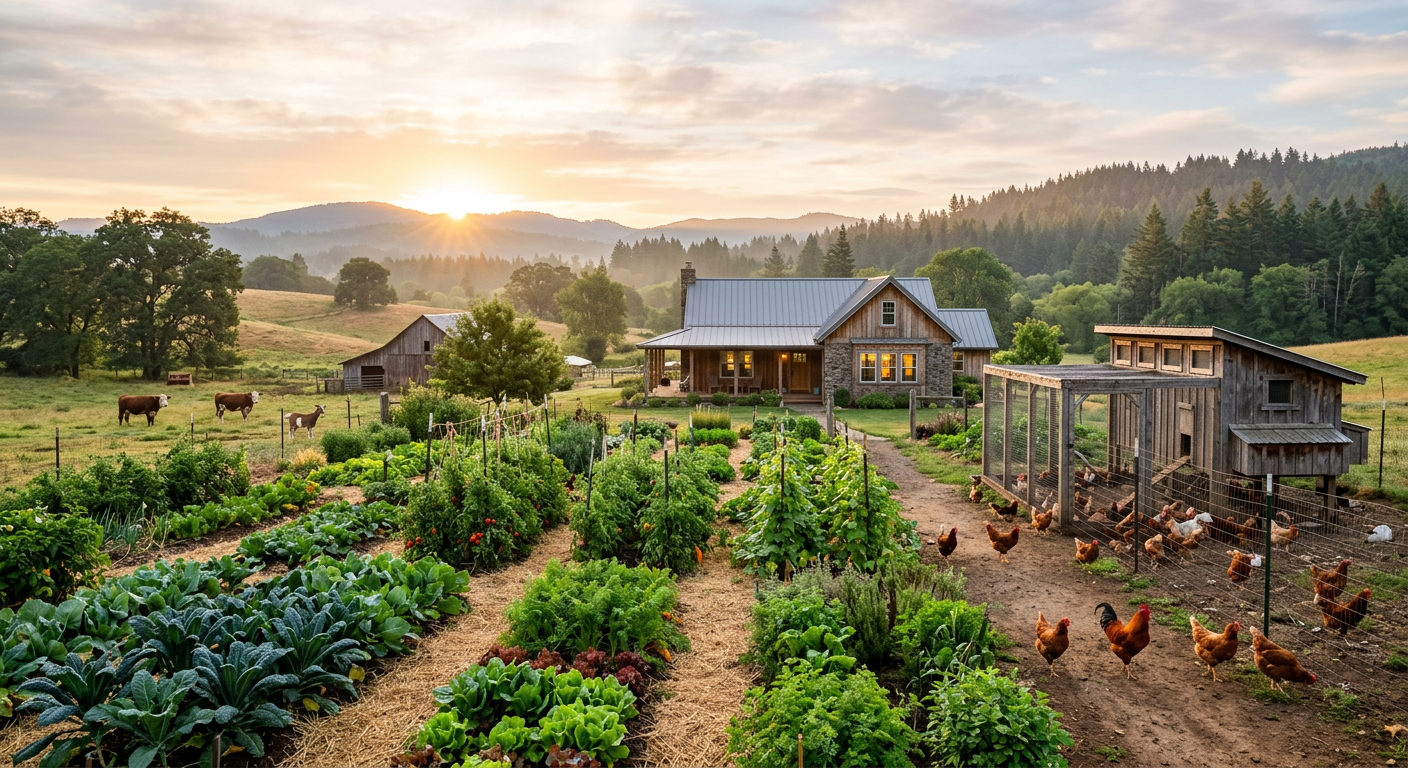
    !A thriving small farm showing how to plan a homestead budget from scratch for long-term success.

    When we first started dreaming of our homestead, visions of overflowing gardens and happy chickens danced in our heads. What didn’t dance? The numbers. We quickly learned that a homestead, while eventually saving you money, requires a thoughtful financial plan upfront. Without knowing how to plan a homestead budget from scratch, we would have been in a world of trouble.

    🎯 Quick Answer: Planning a homestead budget from scratch involves tracking current expenses, projecting start-up and ongoing costs for specific projects (like chickens or a garden), identifying income sources, and continually adjusting with a 12-24 month outlook. It’s about realistic expectations and living within your means to achieve long-term self-sufficiency.

    🌱 Start Your Homestead Plan →

    🔑 Key Takeaways

    * Start with your ‘why’: Your homestead goals dictate your budget priorities.

    * Track everything: Understand your current spending before projecting future costs.

    * Categorize ruthlessly: Separate essential homestead costs from ‘wants’.

    * Research relentlessly: Get real-world costs for seeds, tools, animals, and infrastructure.

    * Build in a buffer: Unexpected costs are a homesteading guarantee.

    * Revisit regularly: Your budget is a living document, not a set-it-and-forget-it plan.

    !A person learning how to plan a homestead budget from scratch using a notebook and laptop.

    Understanding Your Current Financial Landscape

    Before you can plan for future homestead expenses, you absolutely have to know where your money is going right now. This was a huge eye-opener for us when we first sat down with our bank statements. We thought we were frugal, but boy, were there some surprises!

    Where is Your Money Going?

    Take a good hard look at your last 3-6 months of spending. Don’t just glance; print it out or export it to a spreadsheet. We use a simple spreadsheet to categorize every single transaction.

    * Fixed Expenses: Rent/mortgage, car payments, insurance, utilities (average these out).

    * Variable Expenses: Groceries, dining out, entertainment, gas, clothing, subscriptions.

    * Surprise Expenses: Medical bills, car repairs, house maintenance (again, average these over a year if possible).

    You might find that you’re spending $300 a month on takeout, or $75 on streaming services you barely watch. Every dollar counted when we were dreaming of our first flock of chickens and a decent garden.

    Identifying Savings & Debt

    Once you know your outflow, compare it to your income. Are you saving anything? Are you accumulating debt? This isn’t just about homestead spending; it’s about your overall financial health. We made a commitment to pay off consumer debt before taking on any big homestead projects, as that monthly payment was a direct drain on funds we could use for seeds or fencing. Think of it this way: every dollar freed from debt is a dollar that can grow your homestead. We also started a dedicated ‘homestead savings’ pot.

    Keep reading — this is where most people mess up.

    Projecting Homestead Start-Up Costs

    This is where the rubber meets the road. Knowing how to plan a homestead budget from scratch means breaking down those big dreams into tangible, costed projects. When we started, we wanted everything at once: chickens, a huge garden, fruit trees, maybe even a goat! We quickly realized that’s a recipe for financial disaster and burnout.

    Prioritizing Your First Projects

    We decided to start small. Our first year focus was a basic vegetable garden and a small flock of laying hens. This allowed us to keep start-up costs manageable. What are your absolute must-have first steps?

    * Garden: Seeds, soil amendments, tools (check out our list of Essential Homesteading Tools to Buy First!), fencing, watering system. A 4×8 raised bed could cost $100-$300 in materials alone, plus seeds/soil.

    * Chickens: Coop, feeder, waterer, chicks, feed, bedding. Our first small coop cost around $400 in materials, and chicks were about $4 each. For more on this, read our post on Raising Backyard Chickens: Pros, Cons & What to Expect.

    * Land: If you don’t have it yet, this will be your single largest expense. Don’t forget closing costs, surveys, and potential utility hookups. This is a whole budget in itself! Our guide on Finding Your Homestead: A Beginner’s Property Guide can help.

    Researching and Estimating Costs

    This isn’t a one-and-done task. We spent hours comparing prices online, calling local suppliers, and asking experienced homesteaders about their costs. For example, a basic chicken coop might cost $200 if you build it from reclaimed materials, or $800+ for a pre-fab kit. Always get multiple quotes or price points. Don’t forget the ‘little’ things — garden gloves, twine, a good watering can, electrical wiring, lumber for raised beds… these add up quickly!

    This next part? Nobody talks about it, but it changed everything for us.

    Planning for Ongoing Homestead Expenses

    It’s easy to focus on the big initial buy-in, but the day-to-day and season-to-season costs are what really shape your long-term homestead budget. We learned this the hard way with chicken feed!

    Monthly & Seasonal Operating Costs

    These are the expenses that keep your homestead running. They might seem small individually, but they are relentless.

    * Animal Feed: This is a big one. Our 6 laying hens eat about 15-20 lbs of feed a week, costing us roughly $15-$20 a month (feed prices fluctuate!). This adds up to $180-$240 annually just for feed.

    * Garden Supplies: Seeds, compost, fertilizer, pest control, row covers. We budget about $100-$200 annually for these for our 1/4 acre garden.

    * Utilities: Even if you’re aiming for off-grid, you’ll likely have some utility costs – well pump electricity, propane for heating/cooking, internet. Average these over the year.

    * Maintenance & Repairs: Fencing breaks, tools wear out, irrigation needs fixing. We set aside a small monthly ‘homestead repair’ fund, even if it’s just $25. This covers things like a broken shovel handle or new chicken wire.

    Factoring in Unexpected Expenses

    Oh, the unexpected! A sick animal, a sudden tool breakdown, or a late-season frost that necessitates buying pricey seedlings. We learned fast that a buffer is essential. We try to keep a separate emergency fund of at least $500 for homestead-specific issues. This isn’t just a good idea; it’s practically a necessity to avoid dipping into your personal savings or going into debt when things inevitably go wrong.

    📋 Get the Beginner Checklist →

    Considering Homestead Income & Savings

    One of the most exciting parts of homesteading is the potential for self-sufficiency and even generating a little income. When you plan a homestead budget from scratch, it’s crucial to be realistic about this. Don’t count your chickens before they hatch, literally!

    Potential Revenue Streams

    Harking back to our earlier days, we always hoped to sell extra eggs or produce. While it’s possible, it’s rarely a get-rich-quick scheme. Focus on offsetting costs first.

    * Selling produce: Excess vegetables, fruits, herbs. We sell a few extra tomatoes and cucumbers at a roadside stand, bringing in perhaps $50-$100 over the summer.

    * Eggs: Selling a dozen eggs for $4-$6 can help cover feed costs. If you have 12 hens, that’s potentially 6-8 dozen a week, maybe $100-$200 a month in sales.

    * Value-added products: Jams, jellies, baked goods, soaps. These require more time and often local permits.

    * Breeding animals: Selling chicks, piglets, or kids can be lucrative but also requires significant investment and knowledge.

    Cost Savings from Self-Sufficiency

    This is where homesteading truly shines. Every vegetable you grow, every egg you collect, the less you have to buy at the grocery store. We track our grocery bill rigorously, and seeing it drop year over year is incredibly motivating.

    * Food Savings: For a family of four, growing a significant portion of your vegetables can save hundreds of dollars a month. We estimate we save at least $200-$300 on produce, herbs, and eggs each month compared to buying organic at the store.

    * Reduced Waste: Composting scraps, reusing materials, and mending instead of replacing all contribute to savings.

    * Skills-based Savings: Learning to fix things, basic carpentry, or preserving food reduces reliance on outside services or expensive packaged goods. For example, learning Cracking the Code: Preserving Eggs Long-Term (No Fridge Needed!) means less waste.

    Don’t skip this — it’ll save you hours (and money).

    !Reviewing financial statements to understand how to plan a homestead budget from scratch.

    Monitoring and Adjusting Your Homestead Budget

    Your homestead budget isn’t a static document; it’s a living, breathing guide that needs regular attention. We review ours quarterly, sometimes even monthly when we’re working on a new project or facing unexpected costs. This transparency is key to homesteading successfully long-term.

    Regular Review Schedule

    Set a reminder! We sit down every three months, usually at the start of a new season, to go over our budget. This is valuable as seasons directly impact homestead expenses and income.

    * Annually: Big picture review. Compare actual spending to budget for the entire year. What worked? What didn’t? Where did we overspend or underspend?

    * Quarterly: More detailed review. How are current projects tracking financially? Are we on target for our savings goals?

    * Monthly: Quick check of income vs. expenses. Are we staying within our variable spending limits? Is there any unexpected spending we need to adjust for next month?

    Adapting to Changes and Unexpected Events

    Life on a homestead is never predictable. A severe drought might mean higher water bills or buying more feed. A bumper crop might mean investing in more canning supplies. Be flexible and willing to adjust.

    * Flexibility is Key: If a new fence becomes an urgent safety need, you might need to temporarily defer a different, less critical expense.

    * Embrace ‘Lean Homesteading’: This means re-evaluating if something is a ‘need’ or a ‘want’ when funds are tight. Can you build it yourself instead of buying? Can you find it used? We’ve found so many treasures on local classifieds and at yard sales rather than buying new.

    💡 Pro Tips

    * Start a ‘Homestead Dream’ fund: Even if it’s just $5 a week, consistently contributing to a dedicated fund for future projects (like a greenhouse or tractor) keeps your motivation high.

    * Utilize free resources: Libraries for books, YouTube for tutorials, local extension offices for advice and soil testing – all can save you money. The USDA provides excellent resources on small farm planning.

    * DIY where safe and feasible: Building a chicken run can save hundreds. Learning basic plumbing can save a plumber’s visit. Just be honest about your skill level!

    * Barter and trade with neighbors: Have extra eggs? Trade for some fresh milk or help with a project. Community is a huge asset on a homestead. This is one of the best Beginner Homesteading Tips we ever got.

    * Track your time: Time is money, especially on a homestead. Knowing how much time you spend on each project helps balance your efforts and budget.

    ⚠️ Beginner Mistakes to Avoid

    * Not budgeting for tools: We initially forgot about the cost of good quality shovels, wheelbarrows, and specialized garden tools. They add up! Our guide on Essential Homesteading Tools to Buy First! helps here.

    * Underestimating feed costs: Animal feed is a continuous, significant expense. Don’t just budget for the initial animals.

    * Ignoring a buffer: New homesteaders often budget down to the penny and then crumble when the inevitable happens (like a predator attack requiring better fencing).

    * Trying to do too much too soon: This leads to burnout and overspending. Start small, succeed, then expand.

    Not tracking actual spending: If you don’t know where your money actually* went, your budget is just a pretty piece of paper. You need to verify it.

    Frequently Asked Questions

    ### How much does it cost to start a small homestead?

    This varies wildly, but for a small, suburban homestead focused on gardening and a few chickens (no land purchase), you could start with $500 – $2,000 for initial setup (raised beds, seeds, basic tools, a small coop, chicks). If you include land, the costs skyrocket into the tens or hundreds of thousands, depending on location and acreage.

    ### Can I homestead with no money?

    Starting a homestead with absolutely no money is extremely challenging, but not impossible. You’d need to leverage skills, community, bartering, and upcycling. Focus on micro-homesteading, foraging, and extremely low-cost food production like container gardening. We have a lot of tips on Homesteading on a Budget.

    ### How do I budget for unexpected homestead expenses?

    Allocate a specific line item in your monthly or quarterly budget for ‘Homestead Contingency’ or ‘Emergency Fund’. Start with $25-$50 a month and build it up to at least $500-$1000. This fund is specifically for things like urgent animal vet bills, critical equipment breakdowns, or unforeseen project costs.

    ### Should I include my time in my homestead budget?

    While you might not assign a monetary value to your time, it’s wise to budget your time as a resource. Knowing how many hours a project will take helps you prioritize. If you have to spend 20 hours fixing a fence, that’s 20 hours you’re not doing something else, or potentially earning outside income. It’s a key part of resource allocation.

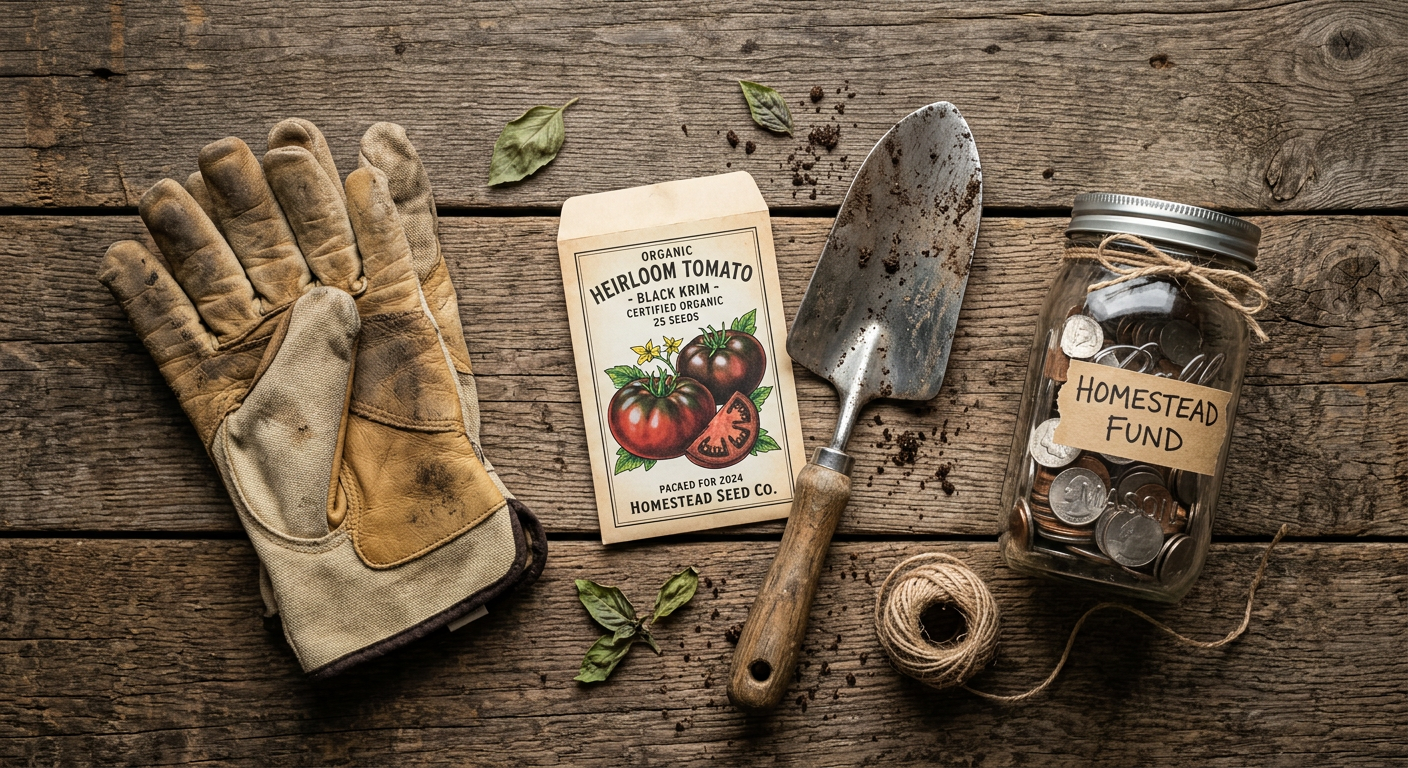
    !Seed packets and tools representing the initial steps of how to plan a homestead budget from scratch.

    Conclusion

    Learning how to plan a homestead budget from scratch was one of the most foundational steps we took on our journey. It wasn’t the most glamorous part, but it has saved us from financial headaches and allowed us to grow our homestead sustainably, year after year. It’s about being intentional, realistic, and always willing to learn and adapt. We started small, made mistakes, and learned from every single one, and you can too!

    What’s your biggest challenge with homestead finances? I’d love to hear your story in the comments!

    🔧 See Recommended Tools →


    📚 More From Our Homestead

    Ready to Start Your Homestead Journey?

    Free guides, checklists, and tools to help you build your dream homestead.
    Explore Free Resources →

  • Zero Budget Homestead: How to Begin Homesteading with No Money

    !A thriving backyard garden illustrating how to begin homesteading with no money using recycled materials.

    When we first started dreaming of a more self-sufficient life, we pictured sprawling acres, expensive livestock, and fancy equipment. The reality? We had next to nothing in savings, two hungry kids, and a tiny backyard in the suburbs. We truly wondered how to begin homesteading with no money.

    Then we realized something profound: homesteading isn’t about buying a farm; it’s about a mindset of resourcefulness and self-reliance, no matter your starting point. Our journey proved that you absolutely can homestead without a big budget. It just takes creativity, sweat equity, and a willingness to learn.

    🎯 Quick Answer: You can indeed begin homesteading with no money by focusing on free resources, skill-building, scavenging, bartering, and maximizing your current space. Start small, cultivate a resilient mindset, and let your journey evolve as you gain experience and resources.

    🌱 Start Your Homestead Plan →

    🔑 Key Takeaways

    * Embrace Resourcefulness: Learn to see waste as potential and transform discards into assets.

    * Skill Over Spend: Prioritize acquiring practical skills like gardening, preserving, and foraging over buying expensive tools initially.

    * Start Small & Local: Focus on what you can achieve in your current space, even an apartment balcony or small yard.

    * Barter & Network: Connect with your community; trade skills, excess produce, or labor instead of cash.

    * Free Education is Key: Utilize libraries, free online courses, and local workshops to gain knowledge.

    * “No Money” Doesn’t Mean “No Effort”: This path requires significant time, dedication, and problem-solving.

    !Small scale gardening in recycled containers, showing how to begin homesteading with no money at home.

    Rethinking What “Homesteading” Means

    For many folks, the image of a homesteader is someone living on 40 acres with a barn full of animals and a pantry overflowing with homegrown food. While that’s certainly a beautiful vision, it often comes with a hefty price tag that can be discouraging. We certainly felt that pressure early on.

    But for us, and for many others we’ve met along the way, homesteading is about actively reducing our reliance on external systems – whether that’s the grocery store, the power company, or even the municipal water supply. This can happen anywhere, and importantly, it can start with very little capital. Our first “homestead” was a rented house in the city with a tiny patch of dirt.

    Defining Your “Zero Budget” Start

    When we talk about how to begin homesteading with no money, we’re really talking about prioritizing skills, leveraging existing resources, and being incredibly creative. Your starting point might be a few pots on a patio, learning to bake your own bread, or figuring out how to fix things instead of buying new ones. It’s about self-sufficiency at its core, not a property size or a bank account balance.

    Keep reading — this is where most people mess up.

    Our initial steps were all about small wins that built confidence and saved us pennies. We learned to make our own cleaning supplies, mend clothes, and grow a few herbs in pots. These tiny victories were incredibly empowering and didn’t cost a dime. Next, let’s dive into some practical ways to get started without opening your wallet.

    Cultivating a Garden from Scratch (for Free!)

    Growing your own food is arguably the cornerstone of homesteading, and it’s one of the best areas to begin with no money. We literally started ours with scavenged materials and free seeds.

    Scavenging for Supplies

    Forget fancy raised beds! Our first garden beds were made from old tires we found curbside, discarded wooden pallets, and even old bathtubs. Look on local community groups (like Facebook Marketplace’s “Free Stuff” sections) for people giving away broken pots, concrete blocks, or even old lumber. Construction sites often have scrap wood they’d be happy for you to haul away.

    Compost is Gold: Start a compost pile immediately*. Food scraps, yard waste, even newspaper – it all breaks down into rich soil. This is absolutely free and will save you from buying bags of soil down the line. We collected coffee grounds from local cafes for years.

    * Seed Saving & Swaps: Don’t buy new seeds. Save seeds from produce you eat (tomatoes, peppers, squash). Connect with local gardening groups; experienced gardeners often have excess seeds they’ll gladly share. Libraries sometimes even have seed libraries now! We actually sourced about 80% of our first garden’s seeds through swaps.

    Propagating and Foraging for Food

    Many plants can be grown from cuttings, not just seeds. Potatoes can sprout from old spuds, and herbs like mint, basil, and rosemary root easily in water. We’ve even grown pineapple from the top of a store-bought fruit!

    Foraging for edible wild plants is another fantastic, free way to supplement your diet. Dandelions, clover, plantain, and wild berries grow in many areas. Just be absolutely certain of your identification before consuming anything. Invest in a good local foraging guide from your library. Check out resources like your local university extension office for guides on edible plants in your region (e.g., USDA Plants Database).

    This next part? Nobody talks about it, but it changed everything for us.

    Once you begin to create your garden, you’ll want to think about how to manage pests without chemicals or costly solutions. Our experience taught us that a movable chicken tractor can work wonders for pest control and soil fertilization, without needing a permanent coop. You can even build a movable chicken tractor for sustainable pest control from scavenged materials.

    Building Skills and Knowledge (Free Resources)

    Money might be tight, but time is an investment you can make. The most valuable assets on a homestead aren’t necessarily bought; they are learned. Your hands and your brain are your most powerful tools when you try to begin homesteading with no money.

    Library Powerhouse

    Our local library was, and still is, an absolute treasure trove. We borrowed countless books on gardening, food preservation, basic carpentry, animal husbandry, and even foraging. They often have free workshops on topics like canning or even knitting. Don’t underestimate this resource!

    Online Learning Freeness

    The internet is brimming with free knowledge. YouTube tutorials on everything from building a compost bin to basic plumbing repairs are invaluable. Look for university extension sites, government agricultural departments (like USDA National Agricultural Library for research), and experienced homesteading blogs (like usehomesteados.com!) for reliable information. We spent many evenings watching videos and reading articles, turning that knowledge into action the next day.

    !Drying homegrown herbs on a table to show how to begin homesteading with no money through DIY skills.

    Bartering, Community, and Side Hustles

    When cash isn’t an option, creativity and connection become your currency. We learned that very quickly when we were first trying to figure out how to begin homesteading with no money.

    The Art of Bartering

    Bartering is ancient, effective, and completely free. Do you have a skill you can offer? Maybe you’re good at mending clothes, baking bread, or pet-sitting. Offer your services in exchange for something you need. We’ve traded homemade sourdough for fresh eggs, garden surplus for help with fence repairs, and our mechanic skills for a pile of seasoned firewood.

    * Local Co-ops & Groups: Seek out local food co-ops, community gardens, or homesteading groups. These are ripe with opportunities for collaboration and trading. We found amazing mentors and friends through our local produce swap.

    Earning Small Amounts for Big Wins

    While the goal is to begin with no initial money, a little bit of income generated through homesteading itself can kickstart bigger projects. Can you sell excess produce from your garden at a farmer’s market? Offer an extra dozen eggs if you get backyard chickens (they practically pay for themselves!). Even selling simple crafts or performing odd jobs for neighbors can generate enough cash for a crucial tool or a bag of chicken feed.

    📋 Get the Beginner Checklist →

    Embracing a “Use It Up, Wear It Out, Make Do, or Do Without” Mentality

    This old adage became our family motto. We learned to repair instead of replace, to reuse everything possible, and to be content without luxuries. This mindset shift is powerful. We extended the life of tools, refurbished old furniture, and found new purposes for items others discarded. It’s a key part of how to begin homesteading with no money.

    Don’t skip this — it’ll save you hours (and money).

    Next, let’s talk about the common pitfalls that can trip up even the most enthusiastic no-money homesteader.

    Starting Small & Scaling Up

    Don’t overwhelm yourself with grand visions right away. Our journey taught us that consistent, small steps lead to big changes over time. Thinking about how to begin homesteading with no money and imagining a vast self-sufficient farm usually leads to burnout.

    Maximize Your Current Space

    Even in an apartment, you can homestead! Think vertical gardening, growing herbs on windowsills, sprouting seeds, or making kombucha. If you have a small backyard, focus on high-yield crops like tomatoes, bush beans, and leafy greens. We started with just two 4×4 raised beds (made from free pallet wood) and were amazed at how much food we harvested.

    * Consider a Container Garden: Old five-gallon buckets (often free from bakeries or restaurants if you ask) make excellent containers for many vegetables.

    * Start with Easy Wins: Choose plants that are known to be hardy and productive, like zucchinis, radishes, or lettuce. Success builds confidence!

    Phased Introduction of Animals (If Desired)

    If your goal eventually includes animals, start small and consider their inputs. Chickens are often a great starting point for beginners, providing eggs and pest control, and their manure enriches your garden. You can even build a movable chicken tractor for sustainable pest control from free or low-cost materials.

    However, carefully research local ordinances and the true cost of their feed before acquiring any animals. A local feed store might be willing to trade feed for labor or excess produce down the line. We started with three rescue hens we got for free; their coop was made entirely of scrap wood.

    💡 Pro Tips

    * Document Everything: Keep a journal of what you plant, what works, what doesn’t, and how much you harvest. This becomes an invaluable free resource.

    * Connect Locally: Join local gardening groups, homesteading meetups, or online forums. Sharing knowledge and resources is crucial.

    * Learn to Can/Preserve: Even small harvests can be preserved to stretch your food budget. Basic food preservation for beginners can often be learned with minimal equipment.

    * Master a Few Skills Deeply: Instead of trying to do everything at once, pick 2-3 core homesteading skills (e.g., gardening, basic repairs, food preservation) and become proficient.

    * “Pay It Forward”: As you acquire skills and resources, look for ways to help others in your community. This builds goodwill and strengthens your local network.

    ⚠️ Beginner Mistakes to Avoid

    * Buying Everything at Once: This is the easiest way to drain your nonexistent budget. Learn to scavenge, borrow, or make before you buy.

    * Trying to Do Too Much, Too Soon: Starting with too many projects leads to burnout. Pick one or two small, achievable goals.

    Ignoring Local Regulations: Check zoning laws, HOA rules, and any city ordinances regarding gardening, animals, or composting before* you start to avoid costly fines.

    * Neglecting Skill Development: Believing you need expensive tools instead of learning the corresponding skills is a common trap. Your hands are your primary tools.

    * Not Asking for Help: Many experienced homesteaders love sharing their knowledge. Don’t be afraid to ask for advice or even discarded materials.

    !Two people bartering goods, a key strategy for how to begin homesteading with no money in a community.

    Frequently Asked Questions

    ### Can you really homestead without any money at all?

    Yes, but it’s important to understand the definition. While you might not spend cash on land or fancy equipment, you’ll be investing heavily in time, effort, and creativity. You’re trading money for resilience, skill, and resourcefulness. It means starting with what’s free: seeds from produce scraps, found materials, and your own labor.

    ### What’s the cheapest way to get started with homegrown food?

    Start with a small container garden using free pots (like 5-gallon buckets), grow from saved seeds or free cuttings, and build rich soil from a homemade compost pile. Focus on high-yield, easy-to-grow crops like lettuce, radishes, bush beans, and cherry tomatoes. Also, consider learning about urban homesteading with kids for inspiration if you have a family.

    ### How do I get homesteading land if I have no money?

    This is the big one, and it’s tough but not impossible. Options include house-sitting or caretaking on a property in exchange for housing and garden space, leasing land with an option to buy (start with a very long lease), or even seeking out homesteading mentorship programs where you live and work on someone else’s land to gain experience and potentially build equity. Some may even allow you to live there in exchange for labor. We know folks who started by moving onto a relative’s unused property as well.

    ### What skills are most important to learn first when starting with no money?

    Gardening (especially seed saving and composting), basic hand tool use, food preservation (like dehydrating or fermenting), repairing things, and perhaps a simple craft that can be bartered or sold (like baking or soap making). These skills directly reduce expenses and provide valuable trading goods.

    ### Where can I find free homesteading supplies?

    Keep an eye on local curb alerts, Facebook Marketplace “Free” sections, Craigslist, and freecycle networks. Ask local businesses (bakeries for buckets, coffee shops for grounds). Visit construction sites for scrap wood (ask permission!). Connect with community gardens or experienced gardeners for seed and plant swaps. Libraries and community centers often have free resources and workshops.

    Alright, friends, our journey from zero dollars to a thriving homestead wasn’t always easy, but it was incredibly rewarding. It taught us that true wealth isn’t measured in dollars, but in resilience, resourcefulness, and the bounty of your own two hands. You don’t need a lot of money to start homesteading; you just need to start.

    What’s your biggest challenge with starting a homestead with no money? I’d love to hear your story.

    🔧 See Recommended Tools →


    📚 More From Our Homestead

    Ready to Start Your Homestead Journey?

    Free guides, checklists, and tools to help you build your dream homestead.

    Explore Free Resources →

  • How to Make Money From a Small Homestead

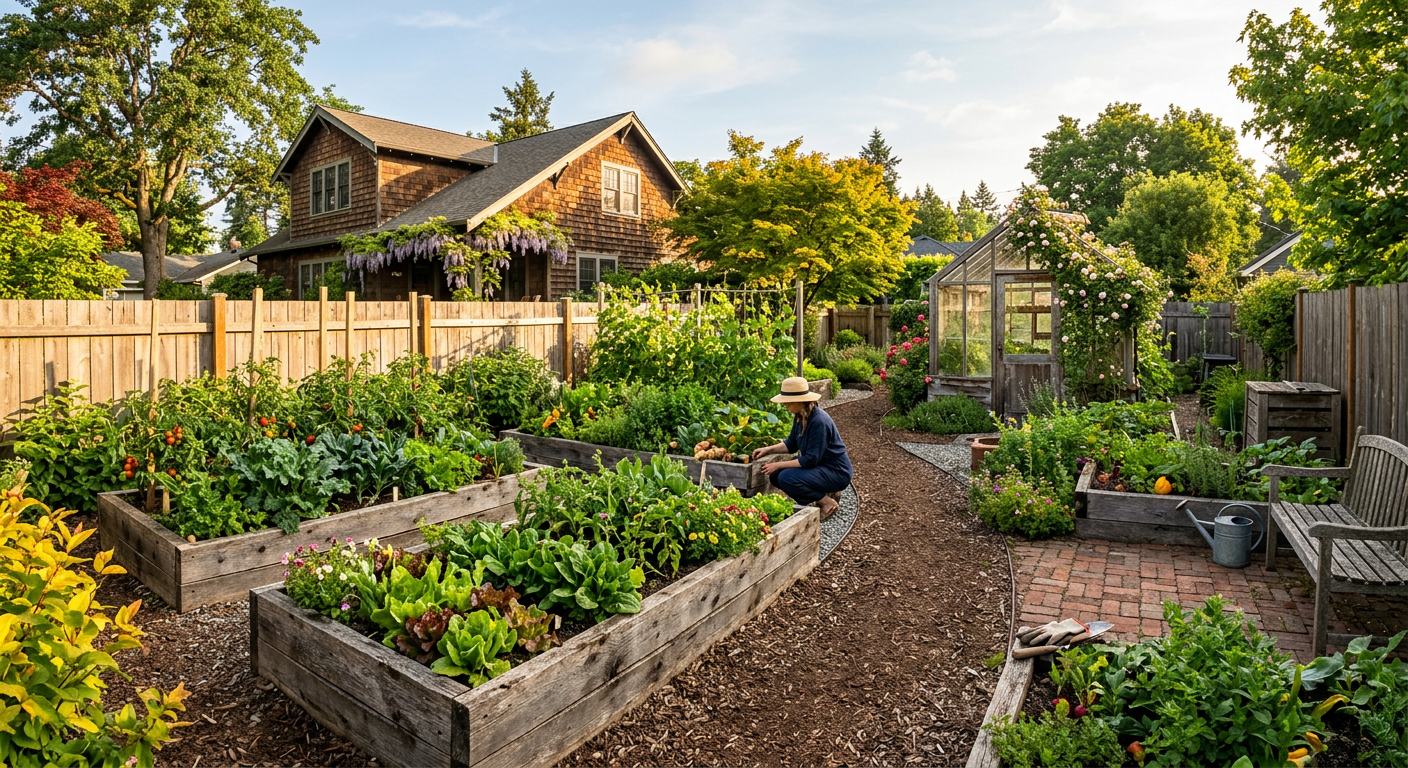
    !A thriving [backyard farm showing how to make money from a small homestead with raised garden beds.](https://xlvvlujsctgiorcwbtkv.supabase.co/storage/v1/object/public/blog-images/how-to-make-money-from-a-small-homestead/featured-1776530900600.png)

    Most people think you need 100 acres and a tractor the size of a house to turn a profit, but I’ve seen families clear five figures from a literal backyard. The truth is, your small plot of land is a goldmine waiting to be tapped if you stop thinking like a hobbyist and start thinking like a micro-entrepreneur.

    🎯 Quick Answer: The fastest way how to make money from a small homestead is to focus on high-margin, fast-turnaround products like microgreens, heirloom seedlings, or value-added goods like herbal salves rather than bulk commodities. By niche-marketing to your local community through CSAs or farm stands, you can turn a half-acre into a meaningful revenue stream.

    🌱 Build Your Profitable Homestead Strategy →

    🔑 Key Takeaways

    • Focus on High-Value Crops: Learn why leafy greens and herbs beat corn and potatoes every time.
    • Diversification is King: How to layer multiple income streams so you aren’t reliant on one harvest.
    • Value-Added Secret: Why a $2 jar of jam is worth more than the $0.50 worth of berries inside it.
    • Local Marketing: How to find customers who will pay premium prices for your hard work.
    • Scalability: Starting small ensures you don’t burn out before the profit starts rolling in.

    !Local produce at a farm stand, a great way how to make money from a small homestead.

    The High-Margin Garden: Microgreens and Specialty Herbs

    When you are learning how to make money from a small homestead, space is your most limited resource. You simply cannot compete with industrial farms on volume, so you have to compete on quality and specialty. This is where microgreens and rare culinary herbs come in.

    Microgreens can be grown on vertical racks in a spare room or a small shed. They go from seed to harvest in about 10 to 14 days, allowing for a weekly paycheck. Local chefs rave about fresh pea shoots and radish greens because the grocery store versions are usually wilted and flavorless. If you can deliver them within hours of cutting, you can charge a premium.

    Don’t forget about perennial herbs like rosemary, lavender, and mint. Once these are established, they require almost zero effort but sell for $3-$5 per small bundle at a Saturday market.

    Now that you’ve mastered the soil, let’s talk about the feathered employees that can double your income.

    Keep reading — this next part is where most people skip the math and lose money.

    Ethical Egg Sales and Poultry Profits

    Everyone loves farm-fresh eggs, but if you want to know how to make money from a small homestead with chickens, you have to look beyond the carton. Selling eating eggs usually just covers your feed bill. To actually see a profit, you need to think about “breeding sets” or “hatching eggs.”

    High-end heritage breeds like Marans (who lay chocolate-colored eggs) or Ameraucanas (who lay blue eggs) are in high demand. A dozen eating eggs might sell for $5, but a dozen fertile hatching eggs from a rare breed can fetch $40 to $60.

    If you have the space, consider “chicken tractors” to raise meat birds. Pasture-raised poultry is a completely different product than what is found in a plastic wrap at the store. Your customers will taste the difference, and they’ll be happy to pay for the transparency of knowing how that animal was raised.

    📋 Get the Small Farm Profitability Checklist →

    But wait, what if you don’t want to sell raw products at all? There’s a way to triple your margins through “value-added” goods.

    The Power of Value-Added Products

    This is the secret sauce of successful small-scale farming. A “value-added” product is simply taking a raw material—like a tomato—and turning it into something else—like salsa.

    Think about it: a pound of tomatoes might sell for $3. But a small jar of organic, home-grown sun-dried tomato pesto can sell for $12. You are selling your time and your brand, not just the produce.

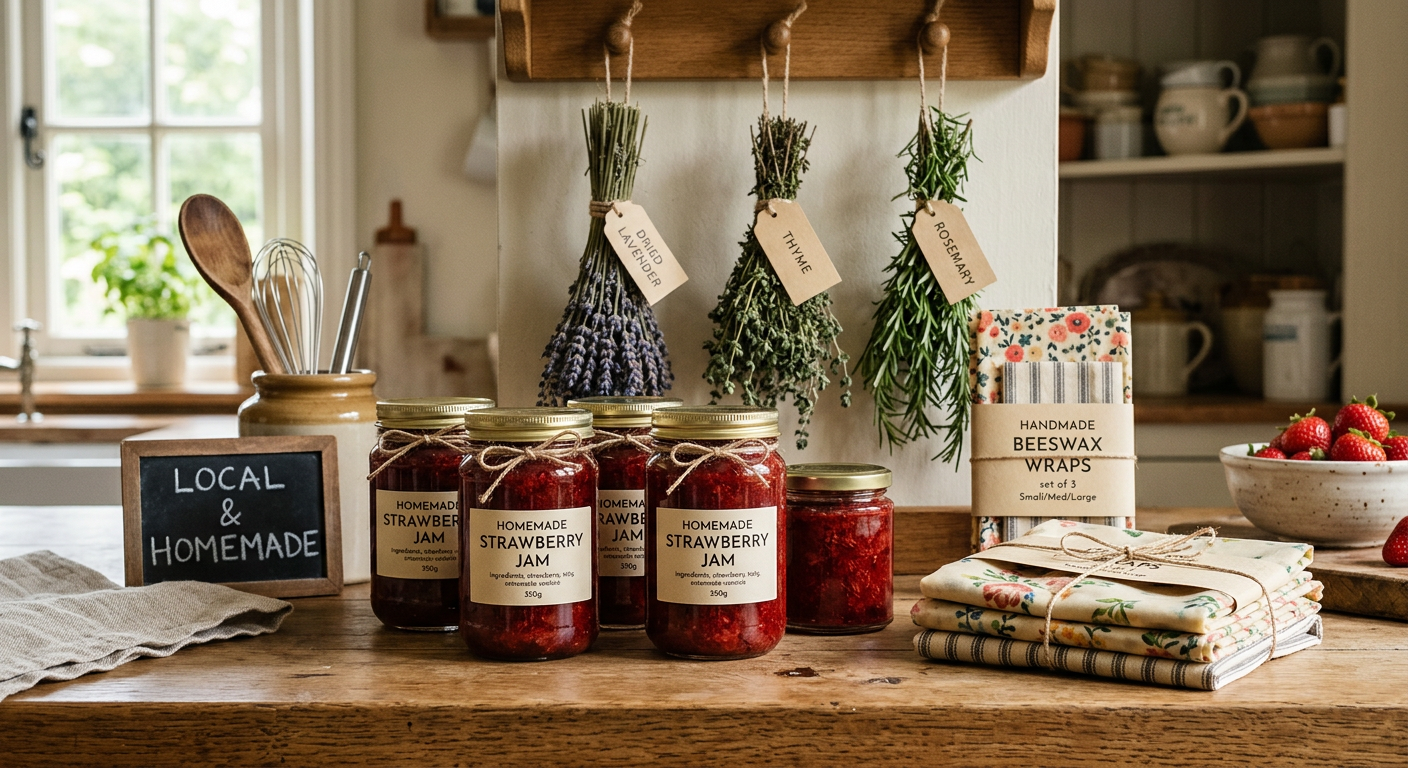
    Pro-tip: Check your local “Cottage Food Laws.” In many places, you can sell baked goods, jams, and dried herbs directly from your kitchen without a commercial license. This allows you to turn a surplus of summer berries into a shelf-stable product you can sell all winter long.

    This next part? Nobody talks about it, but it changed everything for our neighbors.

    !Growing microgreens as a high-margin method for how to make money from a small homestead.

    Agritourism: Selling the Experience

    You don’t just have to sell things; you can sell access. People living in the city are hungry for a connection to the land. They want to show their kids where food comes from. This is a massive opportunity for the small homesteader.

    Consider hosting “U-Pick” days for strawberries or pumpkins. You save on the labor of harvesting, and families pay you for the privilege of doing the work for you. Or, try hosting a workshop. If you know how to bake sourdough, make soap, or prune apple trees, you can charge $50 per person for a two-hour class.

    Your homestead isn’t just a farm; it’s a classroom and a sanctuary. Leveraging that atmosphere is a high-profit way to diversify your income without needing more acreage.

    But before you start, there’s one mistake that ruins everything — I’ll cover it next.

    💡 Pro Tips

    • Master Your Packaging: People eat with their eyes first; a professional label makes a $5 product look like a $15 product. ✅
    • Build a Mailing List: Don’t rely on Facebook algorithms. Get your customers’ emails so you can tell them exactly when the tomatoes are ripe. 🔥
    • Track Your Hours: If a product takes 20 hours to make but only profits $10, it’s a hobby, not a business. 💡
    • Focus on One Thing First: Don’t try to sell eggs, honey, soap, and veggies all in year one. Master one, then add the next. 🚀

    ⚠️ Beginner Mistakes to Avoid

    • Underpricing: Don’t try to match grocery store prices. Your quality is higher, so your price should be too.
    • Ignoring Local Laws: Always check zoning and health department rules before selling processed items.
    • Spending Before Earning: Avoid buying that brand-new expensive poultry plucker until you’ve actually sold your first batch of birds.

    !Value-added products like jam and herbs show how to make money from a small homestead.

    Frequently Asked Questions

    Can I really make money on just one acre?

    Absolutely. One acre is plenty for high-intensity vegetable production or a specialized flower farm. Many profitable market gardens operate on less than half an acre.

    What is the most profitable animal for a small homestead?

    Usually, rabbits or honeybees have the best ROI (Return on Investment) for small spaces because they require very little land and produce high-value products like meat, pelts, or honey and wax.

    Do I need a business license to sell at a farmers market?

    It depends on your state and what you are selling. Generally, raw produce requires less paperwork than processed foods or meat. Always check with your local Department of Agriculture.

    How do I find customers for my homestead products?

    Start with local Facebook groups, the Nextdoor app, and your local farmers market. Word of mouth is your most powerful tool in a small community.

    Turning your backyard into a business is one of the most rewarding things you’ll ever do. It turns a “cost center” into a “profit center” and helps you build a more resilient life for your family. Start small, stay consistent, and don’t be afraid to ask for what your hard work is worth.

    What’s your biggest challenge with knowing how to make money from a small homestead? Are you worried about the marketing or the physical work? I’d love to hear your story in the comments!

    🔧 See Our Recommended Homestead Tools →


    📚 More From Our Homestead

    Ready to Start Your Homestead Journey?

    Free guides, checklists, and tools to help you build your dream homestead.

    Explore Free Resources →

  • 10 Beginner Homesteading Tips to Start Your Self-Sufficient Journey Today

    10 Beginner Homesteading Tips to Start Your Self-Sufficient Journey Today

    Starting a homestead can feel overwhelming, but it doesn’t have to be. Whether you have a sprawling rural property or a small suburban backyard, the journey toward self-sufficiency begins with a single step. In this guide, we’ll walk through ten practical, beginner-friendly tips that will help you build confidence and momentum on your homesteading path.

    1. Start Small and Build Momentum

    One of the biggest mistakes new homesteaders make is trying to do everything at once. Instead of buying livestock, planting a massive garden, and building a root cellar all in the same month, pick one project and master it before moving on.

    Start with a small raised bed garden or a few container plants. Learn how soil works, how to water properly, and how to deal with pests naturally. Once you’ve harvested your first crop, you’ll have the confidence to scale up.

    2. Learn to Preserve Your Harvest

    Growing food is only half the equation. Learning to preserve what you grow ensures nothing goes to waste and extends your food supply through the off-season.

    • Canning – Great for tomatoes, jams, pickles, and sauces
    • Dehydrating – Perfect for herbs, fruits, and jerky
    • Freezing – The easiest method for most vegetables
    • Fermenting – Adds probiotics and extends shelf life naturally

    Invest in a quality pressure canner and start with simple water-bath recipes. The National Center for Home Food Preservation is an excellent resource for safe preservation methods.

    3. Raise Chickens First

    If you’re considering livestock, chickens are the ideal starting point. They’re relatively low-maintenance, provide fresh eggs daily, and help control garden pests.

    A small flock of 4-6 hens is perfect for beginners. You’ll need a secure coop, a reliable water source, and quality feed. Many homesteaders find that their chickens quickly become one of the most rewarding parts of their homestead.

    4. Build a Composting System

    Compost is the foundation of a healthy homestead. It reduces waste, enriches your soil, and saves money on fertilizers. Start with a simple three-bin system or even a basic pile in a corner of your yard.

    Layer green materials (kitchen scraps, grass clippings) with brown materials (leaves, cardboard, straw) and turn regularly. In a few months, you’ll have rich, dark compost that your garden will thrive on.

    5. Invest in Quality Tools

    You don’t need every tool on the market, but investing in a few high-quality essentials will save you time, frustration, and money in the long run.

    Essential homesteading tools include:

    • A sturdy garden fork and spade
    • Quality pruning shears
    • A reliable wheelbarrow
    • A good hose with adjustable nozzle
    • Hand tools for weeding

    6. Learn Water Management

    Water is one of your most valuable resources on a homestead. Understanding how to collect, store, and efficiently use water will save you money and make your homestead more resilient.

    Consider installing rain barrels to collect runoff from your roof. A single rainfall can fill multiple barrels, providing free irrigation water for your garden. Drip irrigation systems are another smart investment that delivers water directly to plant roots with minimal waste.

    7. Connect with Your Local Homesteading Community

    You don’t have to figure everything out alone. Local homesteading groups, farmers markets, and agricultural extension offices are incredible resources for region-specific advice.

    Join local Facebook groups, attend farm swaps, and visit nearby homesteads. The knowledge you gain from experienced homesteaders in your area is invaluable — they understand your climate, soil, and growing seasons better than any book.

    8. Plan for Passive Income Streams

    A homestead can be more than a lifestyle — it can also generate income. Think about what you can produce and sell locally:

    • Fresh eggs from your chickens
    • Honey from beekeeping
    • Seedlings and plant starts in spring
    • Handmade soaps or candles
    • Preserved goods at farmers markets

    Starting small with one income stream allows you to test the market without overcommitting. Many homesteaders find that their hobby eventually pays for itself.

    9. Embrace Seasonal Living

    Homesteading teaches you to work with nature’s rhythms rather than against them. Each season brings its own tasks and rewards:

    • Spring – Planting, starting seedlings, preparing beds
    • Summer – Growing, harvesting, preserving
    • Fall – Final harvest, preparing for winter, planting cover crops
    • Winter – Planning, repairing tools, studying new skills

    Keeping a homestead journal helps you track what worked, what didn’t, and what to try next year.

    10. Be Patient with Yourself

    Homesteading is a marathon, not a sprint. You will make mistakes — plants will die, projects will fail, and some days will feel discouraging. That’s completely normal.

    Every experienced homesteader started exactly where you are now. The key is to keep learning, stay curious, and celebrate small wins along the way.

    Frequently Asked Questions

    How much land do I need to start homesteading?

    You can start homesteading on as little as a quarter acre. Many self-sufficiency skills like container gardening, food preservation, and composting work even in suburban settings.

    What animals are best for beginner homesteaders?

    Chickens are the most beginner-friendly livestock. They require minimal space, are inexpensive to feed, and provide eggs almost daily. Rabbits are another excellent low-maintenance option.

    How much does it cost to start a homestead?

    You can start with as little as $100-200 for a basic garden setup. Costs scale with ambition — adding chickens might cost $300-500 for a coop and initial flock.

    Can I homestead while working a full-time job?

    Absolutely. Many homesteaders start while working full-time. The key is starting small and gradually adding projects as your schedule allows.

    Start Your Homesteading Journey Today

    The path to self-sufficiency doesn’t require perfection — it requires action. Pick one tip from this list and start this weekend. Whether it’s planting your first seeds or researching chicken breeds, every small step brings you closer to the homestead life you’re dreaming of.

    Ready to take the next step? Visit UseHomesteados.com for more guides, tools, and resources to accelerate your homesteading journey.


    📚 More From Our Homestead

    Ready to Start Your Homestead Journey?

    Free guides, checklists, and tools to help you build your dream homestead.
    Explore Free Resources →

  • How to Make Money From a Small Homestead

    !A thriving [backyard farm showing how to make money from a small homestead with raised garden beds.](https://xlvvlujsctgiorcwbtkv.supabase.co/storage/v1/object/public/blog-images/how-to-make-money-from-a-small-homestead/featured-1776530900600.png)

    Most people think you need 100 acres and a tractor the size of a house to turn a profit, but I’ve seen families clear five figures from a literal backyard. The truth is, your small plot of land is a goldmine waiting to be tapped if you stop thinking like a hobbyist and start thinking like a micro-entrepreneur.

    🎯 Quick Answer: The fastest way how to make money from a small homestead is to focus on high-margin, fast-turnaround products like microgreens, heirloom seedlings, or value-added goods like herbal salves rather than bulk commodities. By niche-marketing to your local community through CSAs or farm stands, you can turn a half-acre into a meaningful revenue stream.

    🌱 Build Your Profitable Homestead Strategy →

    🔑 Key Takeaways

    • Focus on High-Value Crops: Learn why leafy greens and herbs beat corn and potatoes every time.
    • Diversification is King: How to layer multiple income streams so you aren’t reliant on one harvest.
    • Value-Added Secret: Why a $2 jar of jam is worth more than the $0.50 worth of berries inside it.
    • Local Marketing: How to find customers who will pay premium prices for your hard work.
    • Scalability: Starting small ensures you don’t burn out before the profit starts rolling in.

    !Local produce at a farm stand, a great way how to make money from a small homestead.

    The High-Margin Garden: Microgreens and Specialty Herbs

    When you are learning how to make money from a small homestead, space is your most limited resource. You simply cannot compete with industrial farms on volume, so you have to compete on quality and specialty. This is where microgreens and rare culinary herbs come in.

    Microgreens can be grown on vertical racks in a spare room or a small shed. They go from seed to harvest in about 10 to 14 days, allowing for a weekly paycheck. Local chefs rave about fresh pea shoots and radish greens because the grocery store versions are usually wilted and flavorless. If you can deliver them within hours of cutting, you can charge a premium.

    Don’t forget about perennial herbs like rosemary, lavender, and mint. Once these are established, they require almost zero effort but sell for $3-$5 per small bundle at a Saturday market.

    Now that you’ve mastered the soil, let’s talk about the feathered employees that can double your income.

    Keep reading — this next part is where most people skip the math and lose money.

    Ethical Egg Sales and Poultry Profits

    Everyone loves farm-fresh eggs, but if you want to know how to make money from a small homestead with chickens, you have to look beyond the carton. Selling eating eggs usually just covers your feed bill. To actually see a profit, you need to think about “breeding sets” or “hatching eggs.”

    High-end heritage breeds like Marans (who lay chocolate-colored eggs) or Ameraucanas (who lay blue eggs) are in high demand. A dozen eating eggs might sell for $5, but a dozen fertile hatching eggs from a rare breed can fetch $40 to $60.

    If you have the space, consider “chicken tractors” to raise meat birds. Pasture-raised poultry is a completely different product than what is found in a plastic wrap at the store. Your customers will taste the difference, and they’ll be happy to pay for the transparency of knowing how that animal was raised.

    📋 Get the Small Farm Profitability Checklist →

    But wait, what if you don’t want to sell raw products at all? There’s a way to triple your margins through “value-added” goods.

    The Power of Value-Added Products

    This is the secret sauce of successful small-scale farming. A “value-added” product is simply taking a raw material—like a tomato—and turning it into something else—like salsa.

    Think about it: a pound of tomatoes might sell for $3. But a small jar of organic, home-grown sun-dried tomato pesto can sell for $12. You are selling your time and your brand, not just the produce.

    Pro-tip: Check your local “Cottage Food Laws.” In many places, you can sell baked goods, jams, and dried herbs directly from your kitchen without a commercial license. This allows you to turn a surplus of summer berries into a shelf-stable product you can sell all winter long.

    This next part? Nobody talks about it, but it changed everything for our neighbors.

    !Growing microgreens as a high-margin method for how to make money from a small homestead.

    Agritourism: Selling the Experience

    You don’t just have to sell things; you can sell access. People living in the city are hungry for a connection to the land. They want to show their kids where food comes from. This is a massive opportunity for the small homesteader.

    Consider hosting “U-Pick” days for strawberries or pumpkins. You save on the labor of harvesting, and families pay you for the privilege of doing the work for you. Or, try hosting a workshop. If you know how to bake sourdough, make soap, or prune apple trees, you can charge $50 per person for a two-hour class.

    Your homestead isn’t just a farm; it’s a classroom and a sanctuary. Leveraging that atmosphere is a high-profit way to diversify your income without needing more acreage.

    But before you start, there’s one mistake that ruins everything — I’ll cover it next.

    💡 Pro Tips

    • Master Your Packaging: People eat with their eyes first; a professional label makes a $5 product look like a $15 product. ✅
    • Build a Mailing List: Don’t rely on Facebook algorithms. Get your customers’ emails so you can tell them exactly when the tomatoes are ripe. 🔥
    • Track Your Hours: If a product takes 20 hours to make but only profits $10, it’s a hobby, not a business. 💡
    • Focus on One Thing First: Don’t try to sell eggs, honey, soap, and veggies all in year one. Master one, then add the next. 🚀

    ⚠️ Beginner Mistakes to Avoid

    • Underpricing: Don’t try to match grocery store prices. Your quality is higher, so your price should be too.
    • Ignoring Local Laws: Always check zoning and health department rules before selling processed items.
    • Spending Before Earning: Avoid buying that brand-new expensive poultry plucker until you’ve actually sold your first batch of birds.

    !Value-added products like jam and herbs show how to make money from a small homestead.

    Frequently Asked Questions

    Can I really make money on just one acre?

    Absolutely. One acre is plenty for high-intensity vegetable production or a specialized flower farm. Many profitable market gardens operate on less than half an acre.

    What is the most profitable animal for a small homestead?

    Usually, rabbits or honeybees have the best ROI (Return on Investment) for small spaces because they require very little land and produce high-value products like meat, pelts, or honey and wax.

    Do I need a business license to sell at a farmers market?

    It depends on your state and what you are selling. Generally, raw produce requires less paperwork than processed foods or meat. Always check with your local Department of Agriculture.

    How do I find customers for my homestead products?

    Start with local Facebook groups, the Nextdoor app, and your local farmers market. Word of mouth is your most powerful tool in a small community.

    Turning your backyard into a business is one of the most rewarding things you’ll ever do. It turns a “cost center” into a “profit center” and helps you build a more resilient life for your family. Start small, stay consistent, and don’t be afraid to ask for what your hard work is worth.

    What’s your biggest challenge with knowing how to make money from a small homestead? Are you worried about the marketing or the physical work? I’d love to hear your story in the comments!

    🔧 See Our Recommended Homestead Tools →


    📚 More From Our Homestead

    Ready to Start Your Homestead Journey?

    Free guides, checklists, and tools to help you build your dream homestead.
    Explore Free Resources →


    👉 Related: Homesteading Hacks: Save Serious Money on Groceries!

    👉 Related: Basic Food Preservation for Beginners: Our Family’s Go-To Methods

  • Quail Farming Income Guide: Profitable Small-Scale Farming

    The Ultimate Quail Farming Income Guide: From Backyard Hobby to Profitable Enterprise

    Quail farming represents one of the most accessible and high-margin opportunities in the modern homesteading and small-scale agricultural sectors. Due to their rapid growth cycles, minimal space requirements, and high demand for gourmet eggs and meat, a well-managed quail operation can generate significant secondary or primary income in under eight weeks.

    Getting Started: Requirements and Initial Setup

    To launch a successful quail income project, you don’t need a massive acreage. In fact, many successful farmers begin in a garage, shed, or small backyard corner. However, you must prioritize efficiency to ensure profitability.

    Initial Requirements

    • Housing: Vertical cage systems (battery cages) are the most space-efficient for production. Coturnix quail need approximately 0.5 to 1 square foot per bird.
    • Climate Control: Quail are hardy but suffer in extreme heat or drafts. Proper ventilation and a temperature range of 65-75°F (18-24°C) optimize egg production.
    • Lighting: To maintain year-round laying, you require a lighting setup that provides 14-16 hours of light per day.
    • Watering/Feeding Systems: Automatic nipple waterers prevent mess and reduce labor, while gravity feeders minimize feed waste.

    Estimated Startup Costs (Example for 100 Birds)

    • Hatching Eggs or Chicks: $100 – $200
    • Brooder Setup: $50 – $80 (Heat lamp, container, bedding)
    • Vertical Caging System: $250 – $400
    • Initial Feed (High Protein): $50
    • Incubator (for scaling): $100 – $300
    • Total Estimated Startup: $550 – $1,030

    Income Potential: Realistic Revenue Scenarios

    Your income depends heavily on your local market and your ability to sell direct-to-consumer versus wholesale. Coturnix quail begin laying at 6-7 weeks, meaning your ROI (Return on Investment) happens faster than with chickens.

    | Scenario | Number of Birds | Primary Product | Monthly Est. Revenue | Annual Est. Profit (After Feed) |

    | :— | :— | :— | :— | :— |

    | Low (Backyard) | 50 | Eggs & Whole Meat | $200 – $350 | $1,800 – $2,500 |

    | Medium (Urban Farm) | 250 | Eggs, Meat, Chicks | $1,200 – $1,800 | $10,000 – $14,000 |

    | High (Commercial) | 1,000+ | Value-Added & Live Sales | $5,000 – $8,000 | $45,000+ |

    Note: High-end scenarios often include selling fertile hatching eggs online, which command a much higher price than eating eggs ($1.00+ per egg vs $0.30 per egg).

    Comprehensive Cost Breakdown

    To maintain a profitable margin, you must track every cent. Feed is your largest recurring expense, typically accounting for 60-70% of total operating costs.

  • Feed (Game Bird Crumble): Approximately $0.60 – $0.80 per bird per month. High protein (24-30%) is essential for growth and egg production.
  • Bedding/Waste Management: $15 – $30 per month. Using pine shavings or a sand-base under cages.
  • Electricity: $10 – $25 per month (LED lighting and seasonal brooder heat).
  • Packaging: $0.15 per egg carton or $0.30 per shrink-wrap bag for meat. Bulk purchasing reduces this cost.
  • Replacement Stock: If you aren’t hatching your own, budget for $1-$2 per day-old chick.
  • Step-by-Step Process to Launching your Farm

    Step 1: Market Research

    Before buying birds, contact local high-end restaurants, Asian markets, and health food stores. Quail eggs are a delicacy in many cultures and a staple for Paleo/Keto enthusiasts. Determine if there is a demand for “Pasture Raised,” “Organic Feed,” or “Heritage” labels.

    Step 2: Choose Your Primary Breed

    For income, the Coturnix (Japanese Quail) is the industry standard. They grow the fastest, lay the most eggs (up to 300/year), and have the best meat-to-bone ratio. Bobwhite quail are popular for flight-ready hunting preserves but take twice as long to mature.

    Step 3: Setup and Brooding

    Start with day-old chicks if you want to save money, or 3-week-old “started” birds to bypass the fragile brooding phase. Maintain a temperature of 95°F for the first week, dropping it by 5 degrees each week until they are fully feathered.

    Step 4: Maintenance and Collection

    Collect eggs daily. Quail eggs are fragile; handle with care. Clean cages at least twice a week to prevent ammonia buildup, which can damage the birds’ respiratory systems and lower production levels.

    Step 5: Processing and Sales

    If selling meat, birds are reach peak weight at 8 weeks. Learn to process efficiently; with practice, a single bird can be dressed in under two minutes. For eggs, focus on branding. Clean, clear cartons with a professional label can double your asking price.

    Scaling Your Operation

    Once your first 50-100 birds are profitable, scaling is the only way to reach a full-time income.

    • In-House Hatching: Buy a high-quality cabinet incubator. By hatching your own eggs, you eliminate the cost of buying chicks and can sell the surplus chicks to other hobbyists (typically $2-$5 each).
    • Value-Added Products: Pickled quail eggs are a high-margin item found in gift shops and bars. They have a long shelf life and can be sold for $10-$15 per jar.
    • Fertilizer Sales: Quail manure is extremely high in nitrogen. Dried and bagged, it is a goldmine for organic gardeners.
    • Niche Feathers: Sell feathers to fly-tying enthusiasts or craft suppliers.

    Legal & Regulatory Compliance

    Quail regulations are generally more relaxed than chicken or turkey regulations, but they vary by region.

    • Agricultural Zoning: Check if your property is zoned for “small livestock.” In many cities, quail are categorized as “songbirds” or “pets,” allowing you to bypass chicken bans.
    • Meat Processing (USA): Under the 1,000-bird exemption, many states allow farmers to process and sell a limited number of poultry directly to consumers without a USDA-inspected facility. Always verify your state’s Department of Agriculture guidelines.
    • Egg Sales: Most states require an “Egg Handler’s License” or specific “Candling” standards if selling to grocery stores. Farm-gate sales usually have fewer restrictions.
    • Wildlife Permits: Some states require a permit for Bobwhite quail because they are native game birds. Coturnix rarely require this.

    Success Stories

    Scenario A: The Side-Hustle Pro

    Sarah, an urban gardener, started with 60 Coturnix quail in her garage using a 5-tier rack. She sells 30 dozen eggs a week to a local coffee shop and several neighbors. After feed and bedding costs, Sarah nets $320 per month, which covers her own groceries and gardening supplies.

    Scenario B: The Full-Time Expansion

    Marcus transitioned from a corporate job to a small-scale farm. He manages 1,500 birds. By selling fertile hatching eggs on eBay and shipping them nationwide, he generates $4,000 a month. He supplements this by selling meat to three local farm-to-table restaurants, bringing his total monthly net profit to over $6,500.

    Frequently Asked Questions (FAQ)

    1. Are quail more profitable than chickens?

    Per square foot, yes. Quail mature in 6 weeks compared to 20 weeks for chickens, and they require significantly less feed and space. Their eggs also command a premium price in specialty markets.

    2. How many eggs does a single quail lay?

    A healthy Coturnix hen will lay 250 to 300 eggs per year. Production usually peaks in the first year and declines in the second.

    3. Do I need a rooster to get eggs?

    No. Hens will lay eggs without a male present. However, you will need a rooster (usually 1 male per 4-5 females) if you want to produce fertile eggs for hatching.

    4. Is quail meat in high demand?

    Yes, particularly in the fine-dining industry and among health-conscious consumers. It is seen as a lean, high-protein alternative to chicken with a richer flavor.

    5. Can I keep quail on the ground?

    You can, but for commercial income, wire-floor cages are generally preferred. Ground-raised quail are more susceptible to parasites (coccidiosis) and it is much harder to keep the eggs clean for sale.


    📚 More From Our Homestead

    Ready to Start Your Homestead Journey?

    Free guides, checklists, and tools to help you build your dream homestead.
    Explore Free Resources →


  • Quail Farming Income Guide: Profitable Small-Scale Farming

    The Ultimate Quail Farming Income Guide: From Backyard Hobby to Profitable Enterprise

    Quail farming represents one of the most accessible and high-margin opportunities in the modern homesteading and small-scale agricultural sectors. Due to their rapid growth cycles, minimal space requirements, and high demand for gourmet eggs and meat, a well-managed quail operation can generate significant secondary or primary income in under eight weeks.

    Getting Started: Requirements and Initial Setup

    To launch a successful quail income project, you don’t need a massive acreage. In fact, many successful farmers begin in a garage, shed, or small backyard corner. However, you must prioritize efficiency to ensure profitability.

    Initial Requirements

    • Housing: Vertical cage systems (battery cages) are the most space-efficient for production. Coturnix quail need approximately 0.5 to 1 square foot per bird.
    • Climate Control: Quail are hardy but suffer in extreme heat or drafts. Proper ventilation and a temperature range of 65-75°F (18-24°C) optimize egg production.
    • Lighting: To maintain year-round laying, you require a lighting setup that provides 14-16 hours of light per day.
    • Watering/Feeding Systems: Automatic nipple waterers prevent mess and reduce labor, while gravity feeders minimize feed waste.

    Estimated Startup Costs (Example for 100 Birds)

    • Hatching Eggs or Chicks: $100 – $200
    • Brooder Setup: $50 – $80 (Heat lamp, container, bedding)
    • Vertical Caging System: $250 – $400
    • Initial Feed (High Protein): $50
    • Incubator (for scaling): $100 – $300
    • Total Estimated Startup: $550 – $1,030

    Income Potential: Realistic Revenue Scenarios

    Your income depends heavily on your local market and your ability to sell direct-to-consumer versus wholesale. Coturnix quail begin laying at 6-7 weeks, meaning your ROI (Return on Investment) happens faster than with chickens.

    | Scenario | Number of Birds | Primary Product | Monthly Est. Revenue | Annual Est. Profit (After Feed) |

    | :— | :— | :— | :— | :— |

    | Low (Backyard) | 50 | Eggs & Whole Meat | $200 – $350 | $1,800 – $2,500 |

    | Medium (Urban Farm) | 250 | Eggs, Meat, Chicks | $1,200 – $1,800 | $10,000 – $14,000 |

    | High (Commercial) | 1,000+ | Value-Added & Live Sales | $5,000 – $8,000 | $45,000+ |

    Note: High-end scenarios often include selling fertile hatching eggs online, which command a much higher price than eating eggs ($1.00+ per egg vs $0.30 per egg).

    Comprehensive Cost Breakdown

    To maintain a profitable margin, you must track every cent. Feed is your largest recurring expense, typically accounting for 60-70% of total operating costs.

  • Feed (Game Bird Crumble): Approximately $0.60 – $0.80 per bird per month. High protein (24-30%) is essential for growth and egg production.
  • Bedding/Waste Management: $15 – $30 per month. Using pine shavings or a sand-base under cages.
  • Electricity: $10 – $25 per month (LED lighting and seasonal brooder heat).
  • Packaging: $0.15 per egg carton or $0.30 per shrink-wrap bag for meat. Bulk purchasing reduces this cost.
  • Replacement Stock: If you aren’t hatching your own, budget for $1-$2 per day-old chick.
  • Step-by-Step Process to Launching your Farm

    Step 1: Market Research

    Before buying birds, contact local high-end restaurants, Asian markets, and health food stores. Quail eggs are a delicacy in many cultures and a staple for Paleo/Keto enthusiasts. Determine if there is a demand for “Pasture Raised,” “Organic Feed,” or “Heritage” labels.

    Step 2: Choose Your Primary Breed

    For income, the Coturnix (Japanese Quail) is the industry standard. They grow the fastest, lay the most eggs (up to 300/year), and have the best meat-to-bone ratio. Bobwhite quail are popular for flight-ready hunting preserves but take twice as long to mature.

    Step 3: Setup and Brooding

    Start with day-old chicks if you want to save money, or 3-week-old “started” birds to bypass the fragile brooding phase. Maintain a temperature of 95°F for the first week, dropping it by 5 degrees each week until they are fully feathered.

    Step 4: Maintenance and Collection

    Collect eggs daily. Quail eggs are fragile; handle with care. Clean cages at least twice a week to prevent ammonia buildup, which can damage the birds’ respiratory systems and lower production levels.

    Step 5: Processing and Sales

    If selling meat, birds are reach peak weight at 8 weeks. Learn to process efficiently; with practice, a single bird can be dressed in under two minutes. For eggs, focus on branding. Clean, clear cartons with a professional label can double your asking price.

    Scaling Your Operation

    Once your first 50-100 birds are profitable, scaling is the only way to reach a full-time income.

    Legal & Regulatory Compliance

    Quail regulations are generally more relaxed than chicken or turkey regulations, but they vary by region.

    Success Stories

    Scenario A: The Side-Hustle Pro

    Sarah, an urban gardener, started with 60 Coturnix quail in her garage using a 5-tier rack. She sells 30 dozen eggs a week to a local coffee shop and several neighbors. After feed and bedding costs, Sarah nets $320 per month, which covers her own groceries and gardening supplies.

    Scenario B: The Full-Time Expansion

    Marcus transitioned from a corporate job to a small-scale farm. He manages 1,500 birds. By selling fertile hatching eggs on eBay and shipping them nationwide, he generates $4,000 a month. He supplements this by selling meat to three local farm-to-table restaurants, bringing his total monthly net profit to over $6,500.

    Frequently Asked Questions (FAQ)

    1. Are quail more profitable than chickens?

    Per square foot, yes. Quail mature in 6 weeks compared to 20 weeks for chickens, and they require significantly less feed and space. Their eggs also command a premium price in specialty markets.

    2. How many eggs does a single quail lay?

    A healthy Coturnix hen will lay 250 to 300 eggs per year. Production usually peaks in the first year and declines in the second.

    3. Do I need a rooster to get eggs?

    No. Hens will lay eggs without a male present. However, you will need a rooster (usually 1 male per 4-5 females) if you want to produce fertile eggs for hatching.

    4. Is quail meat in high demand?

    Yes, particularly in the fine-dining industry and among health-conscious consumers. It is seen as a lean, high-protein alternative to chicken with a richer flavor.

    5. Can I keep quail on the ground?

    You can, but for commercial income, wire-floor cages are generally preferred. Ground-raised quail are more susceptible to parasites (coccidiosis) and it is much harder to keep the eggs clean for sale.


    📚 More From Our Homestead

    Ready to Start Your Homestead Journey?

    Free guides, checklists, and tools to help you build your dream homestead.
    Explore Free Resources →


  • Vegetable Garden Profit Calculator & ROI Guide

    The Ultimate Vegetable Garden Profit Calculator and ROI Guide

    Turning a small plot of land into a source of income is one of the most rewarding aspects of homesteading. This guide and calculator framework help you move beyond guesswork by identifying your exact input costs versus your potential market returns, ensuring your garden is a financial asset rather than a hobby expense.

    How to Calculate Your Garden Profit: Step-by-Step

    Calculating your profit requires tracking both the tangible money spent and the potential value of the harvest. Follow these steps to build your own calculation model:

  • Determine Your Growing Area: Measure the actual square footage of your planting beds. Do not include walkways. For example, if you have ten 4’x10′ beds, your growing area is 400 square feet.
  • Select Your Crops: Choose the vegetables you intend to grow. High-value crops like salad greens, heirloom tomatoes, and garlic generally offer a higher return per square foot than low-value crops like field corn or pumpkins.
  • Estimate Yield per Square Foot: Use historical data or gardening charts to estimate how many pounds of produce each foot will provide. For instance, a well-managed square foot of leaf lettuce can yield 0.5 to 1 pound per harvest.
  • Calculate Total Revenue: Multiply your estimated total yield (in pounds) by the current market price per pound. Use prices from local farmers’ markets rather than wholesale grocery prices for a more accurate reflection of direct-to-consumer sales.
  • Direct Costs (Inputs): Subtract the cost of seeds, transplants, fertilizers, compost, water, and specialized packaging (like clamshells or bio-degradable bags).
  • Subtract Indirect Costs (Overhead): Account for tool depreciation, fencing, irrigation hardware, and land taxes or lease payments.
  • Calculate Net Profit: The formula is: `(Total Yield × Price per Unit) – (Direct Costs + Indirect Costs) = Net Profit`.
  • Key Factors Influencing Your Results

    * Succession Planting: One of the biggest variables in a profit calculator is how many times you use the same patch of soil. By planting radishes in early spring followed by peppers in summer and greens in fall, you triple the revenue potential of that specific square foot.

    * Market Channel: Where you sell dictates your price Point. Selling to a restaurant might yield $4/lb for greens, while a boutique farmers’ market could fetch $8/lb. Home delivery or CSA models often have higher margins but higher labor costs.

    * Input Efficiency: Bulk-buying compost or starting your own seeds instead of buying starts significantly lowers your “Cost per Unit,” directly increasing profit margins.

    * Local Climate & Season Extension: Using low tunnels or row covers can extend your harvest window by 4–8 weeks, allowing you to sell when supply is low and prices are at their peak.

    * Yield Consistency: Factors like pest pressure, irrigation consistency, and soil health determine whether you hit the high end of yield estimates or the low end.

    Example Calculation: The Salad Green Bed

    Let’s look at a realistic example for a single 50-square-foot bed dedicated to a “Gourmet Salad Mix.”

    * Growing Area: 50 sq. ft.

    * Estimated Yield: 0.75 lbs per sq. ft. per harvest.

    * Number of Harvests: 3 (Spring, Early Summer, Late Fall).

    Total Annual Yield: 112.5 lbs (50 0.75 * 3).

    * Market Price: $12.00 per lb (average for organic, washed mix).

    * Total Revenue: $1,350.00.

    Total Expenses:

    * Seeds (Bulk): $45.00

    * Compost/Organic Fertilizer: $60.00

    * Watering: $15.00

    * Packaging (100 bags): $30.00

    * Total Costs: $150.00.

    The Result:

    * Net Profit: $1,200.00 per year from one bed.

    * Profit per Sq. Ft.: $24.00.

    Tips to Maximize Your Profit

  • Focus on Customization: Instead of selling plain carrots, sell “Rainbow Carrots” or “Baby Carrots with Tops.” Value-added aesthetic choices allow for a 20-30% price premium.
  • Vertical Gardening: Use trellises for peas, cucumbers, and vining tomatoes. This effectively doubles or triples your square footage without increasing your footprint.
  • Soil Testing: Spending $20 on a professional soil test can save you hundreds in unnecessary fertilizers and prevent crop failure due to nutrient imbalances.
  • Master the Harvest Window: Pick crops at their peak. Overripe vegetables are often unsellable, and under-ripe produce lacks the flavor that brings customers back.
  • Automate Irrigation: Drip irrigation reduces water waste and labor time, ensuring consistent growth even during dry spells, which maximizes total weight per bed.
  • Common Mistakes to Avoid

    * Ignoring Labor Costs: Beginners often forget to value their own time. Even if you aren’t paying yourself a wage yet, track your hours to ensure your “hourly rate” makes sense compared to other work.

    * Over-planting One Variety: If you plant 500 tomato plants that all ripen in the same two weeks, much of your potential profit will rot before you can sell it. Use staggered planting.

    * Neglecting Post-Harvest Handling: A beautiful vegetable can wilt in 30 minutes in the sun. If you don’t have a plan for cooling and storage, your “Estimated Yield” will be much higher than your “Actual Sales.”

    Quick Reference: High-Value vs. Low-Value Crops

    | Crop Type | Avg. Profit Potential | Space Required | Days to Harvest |

    | :— | :— | :— | :— |

    | Microgreens | Very High | Minimal (Shelving) | 7-14 Days |

    | Salad Greens | High | Medium | 30-45 Days |

    | Garlic | Medium/High | Low (Overwintered) | 240 Days |

    | Tomatoes | High | Vertical Space | 70-90 Days |

    | Potatoes | Low/Medium | High | 90-120 Days |

    | Pumpkins | Low | Very High | 100+ Days |

    Frequently Asked Questions (FAQ)

    Q: Is it better to grow many types of vegetables or just one?

    A: For beginners, a “niche” approach (3-5 high-value crops) is usually more profitable. It allows you to master the specific needs of those plants and streamline your harvesting and packaging tools.

    Q: How much land do I need to make a living?

    A: With intensive techniques (high-density planting and succession), some market gardeners make a full-time income on as little as 0.5 to 1 acre. However, this requires significant expertise and established market channels.

    Q: Does organic certification help profit?

    A: Yes and no. While you can charge a higher price, the certification process is expensive and time-consuming. Many small growers use “organic practices” and build trust with customers directly without the formal label to save on costs.

    Q: What is the most profitable vegetable to grow?

    A: Microgreens and salad mixes generally have the highest turnover and profit margin per square foot because they grow quickly and require very little space.

    Q: Should I include the cost of tools in my first-year profit calculation?

    A: Tools are “Capital Expenses.” It is better to “depreciate” them over 5 years. If a broadfork costs $200, count $40 per year toward your expenses rather than the full $200 in year one, which would skew your ROI perception.


    📚 More From Our Homestead

    Ready to Start Your Homestead Journey?

    Free guides, checklists, and tools to help you build your dream homestead.
    Explore Free Resources →


  • Profitability Guide: Your Chicken Egg Profit Calculator

    The Ultimate Chicken Egg Profit Calculator & Financial Guide

    Turning a backyard hobby into a profitable venture requires more than just happy hens; it requires a clear understanding of your overhead, production rates, and profit margins. This guide provides a comprehensive framework to act as your manual chicken egg profit calculator, helping you determine exactly how much it costs to produce a dozen eggs and how much you can expect to earn.

    Running a small-scale egg business is a balancing act between feed costs, hen longevity, and market pricing. By the end of this guide, you will be able to look at your flock as both a passion project and a sustainable economic unit.

    How to Calculate Your Egg Profits: Step-by-Step

    To calculate your net profit, you must subtract your Total Operating Expenses from your Gross Revenue. Follow these steps to get an accurate picture of your monthly finances.

  • Calculate Monthly Feed Costs: Take the price of a bag of feed (e.g., $25) and divide it by the weight (50 lbs) to get the cost per pound ($0.50). Multiply this by the amount your flock eats daily. A standard hen eats about 0.25 lbs per day.
  • Determine Monthly Production: Track how many eggs you collect daily over a 30-day period. (Example: 20 hens at an 80% lay rate = 16 eggs/day, or 480 eggs per month).
  • Account for Packaging and Supplies: Don’t forget the cost of egg cartons, labels, and washing supplies. If a carton costs $0.50 and you sell 40 dozen a month, that is $20 in packaging.
  • Set Your Sales Price: Research local prices. Are you selling at $4.00, $6.00, or $8.00 per dozen?
  • The Master Formula:
  • Gross Monthly Revenue* = (Total Dozens Sold) x (Price Per Dozen)

    Total Monthly Costs* = (Feed + Packaging + Electricity + Water + Bedding)

    Net Profit* = Gross Revenue – Total Monthly Costs

    Key Factors Affecting Your Profitability

    Several variables can fluctuate, significantly impacting your bottom line. Keep a close eye on these five areas:

    * Feed Conversion Ratio (FCR): This is the amount of feed required to produce one dozen eggs. High-quality legacy breeds might have a worse FCR than industrial hybrids like ISA Browns, which are bred specifically to turn feed into eggs efficiently.

    * The Molting Cycle: Once a year, hens stop laying to regrow feathers. During this 4-12 week period, your revenue drops to zero while your feed costs remain constant.

    * Daylight Hours: Modern hens need 14-16 hours of light to maintain peak production. Without supplemental light in winter, production can drop by 50-70%.

    * Mortality and Replacement Costs: Hens are most productive in their first two years. You must factor in the cost of buying or hatching new chicks every 24 months to maintain a steady output.

    * Market Positioning: Selling “Farm Fresh” is basic. Selling “Pasture-Raised, Non-GMO, Soy-Free” can allow you to double your asking price, even if your production costs only increase slightly.

    Example Calculation: The 20-Hen Backyard Flock

    Let’s look at a realistic scenario for a homesteader with 20 high-output hens (like Rhode Island Reds) during the peak spring season.

    Assumptions:

    * Feed Cost: $0.55/lb ($27.50 for a 50lb bag).

    * Consumption: 5 lbs of feed per day for the flock (0.25 lbs per bird).

    * Lay Rate: 85% (approx. 17 eggs per day / 42.5 dozen per month).

    * Sales Price: $6.00 per dozen.

    * Packaging: $0.45 per recycled-pulp carton.

    The Math:

    * Revenue: 42.5 dozen x $6.00 = $255.00

    * Feed Cost: 5 lbs x 30 days = 150 lbs. 150 lbs x $0.55 = $82.50

    * Carton Cost: 43 cartons x $0.45 = $19.35

    * Miscellaneous (Water/Bedding): $10.00

    Total Profit: $255.00 – ($82.50 + $19.35 + $10.00) = $143.15 per month.

    Tips to Maximize Your Egg Profits

  • Buy Feed in Bulk: Moving from 50lb bags to a 1,000lb or 2,000lb bulk delivery from a local mill can slash your feed costs by 30-50%.
  • Ferment Your Feed: Soaking grain in water for 2-3 days makes it more digestible. This improves gut health and allows hens to get more nutrients from less volume, effectively lowering your FCR.
  • Utilize Pasture Rotation: If your hens get 30% of their diet from bugs and grass, your grain bill drops. It also produces the dark orange yolks that customers pay a premium for.
  • Sell the “Story”: Use social media to show your happy chickens. People aren’t just buying eggs; they are buying the idea of a healthy, transparent food source. This allows for “Boutique Pricing.”
  • Minimize Waste: Ensure your feeders are at the height of the birds’ backs to prevent “flicking.” Rats and wild birds can also steal up to 10% of your feed if your coop isn’t secure.
  • Common Mistakes to Avoid

    * Underestimating Hidden Costs: Many beginners forget to track the electricity for the brooder lamp, the fuel to drive to the farmers’ market, or the cost of the initial coop construction depreciation.

    * Keeping “Freeloaders”: It is hard to cull or rehome a pet, but from a business perspective, keeping a 4-year-old hen that lays one egg a week is a guaranteed way to lose money.

    * Setting Prices Too Low: Don’t try to compete with grocery store prices. You cannot win a price war with industrial factory farms. Focus on quality and value instead.

    Quick Reference: Costs vs. Earnings Table

    | Expense/Income Item | Estimated Cost (Small Scale) | Estimated Cost (Commercial Hybrid) |

    | :— | :— | :— |

    | Feed per Hen/Day | 0.25 – 0.30 lbs | 0.22 – 0.25 lbs |

    | Feed Cost per lb | $0.50 – $0.80 | $0.25 – $0.40 (Bulk) |

    | Annual Egg Production | 180 – 220 (Heritage) | 280 – 320 (Leghorn/ISA) |

    | Carton Cost (per unit) | $0.40 – $0.60 | $0.15 – $0.25 (Bulk) |

    | Average Selling Price | $5.00 – $9.00 | $3.00 – $5.00 |

    Frequently Asked Questions (FAQ)

    Q: How many chickens do I need to make a profit?
    A: For a small side-income, 20-50 chickens is the “sweet spot.” Below 20, the overhead costs (time, delivery, equipment) often outweigh the revenue. Above 50, you may need better infrastructure and potentially a business license.

    Q: What is the best breed for profit?
    A: If you want pure volume, ISA Browns or White Leghorns are the gold standard. If you want a niche market, Marans (chocolate brown eggs) or Ameraucanas (blue eggs) allow you to charge a premium for “rainbow dozens.”

    Q: At what age should I replace my laying hens?
    A: Most profit-focused farms replace hens at 18-24 months. At this age, egg shell quality declines and the frequency of laying drops by about 20% each year.

    Q: Can I sell eggs for more if they are organic?
    A: Yes, but only if you are certified. However, you can use the term “raised with organic practices” or “no-spray pasture” to command a higher price without the formal (and expensive) USDA certification.

    Q: Should I wash my eggs before selling?
    A: In the US, most states require eggs sold at retail to be washed and refrigerated. However, washing removes the “bloom” (a protective coating), so local laws and your specific market (e.g., neighbors vs. stores) will dictate this. Always check your local Department of Agriculture guidelines.


    📚 More From Our Homestead

    Ready to Start Your Homestead Journey?

    Free guides, checklists, and tools to help you build your dream homestead.
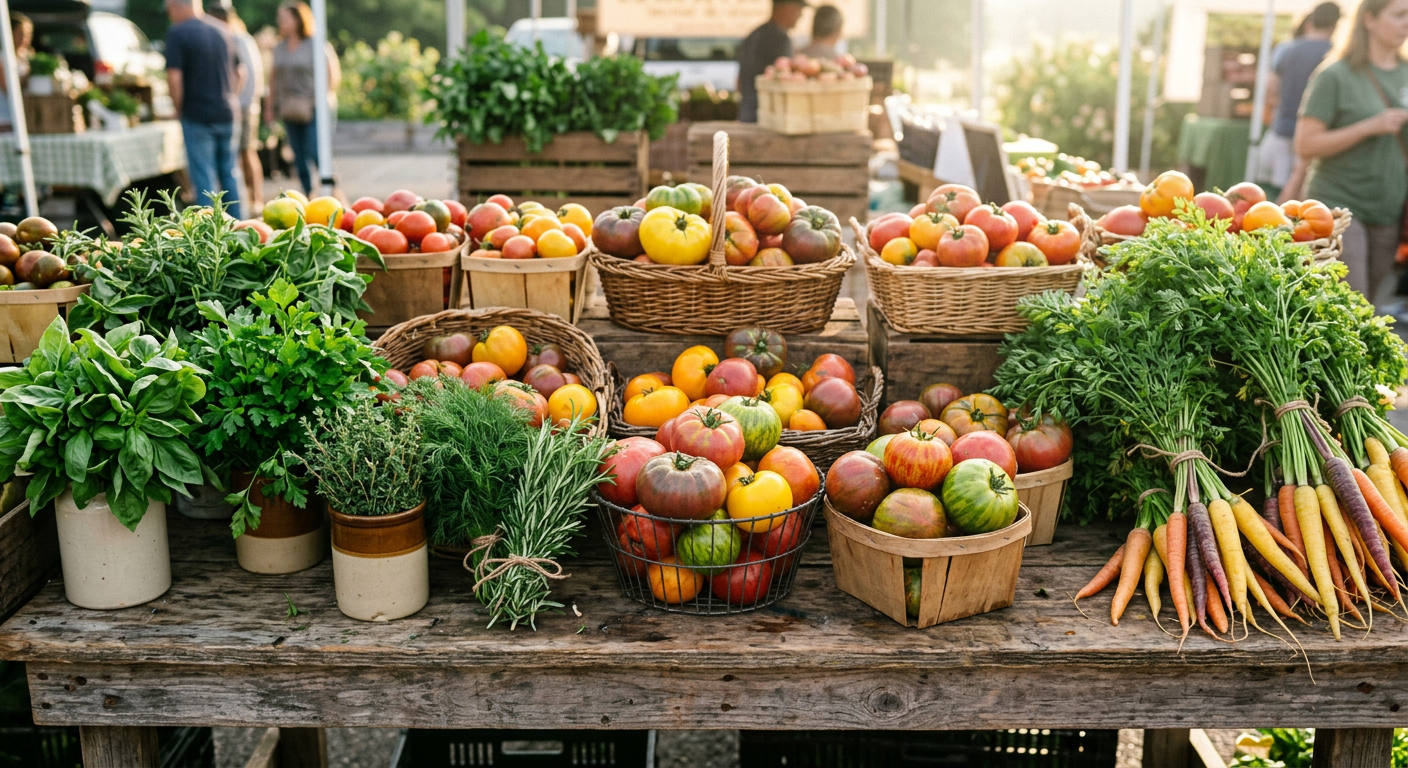
    Explore Free Resources →


  • Goat Milk Income Guide: Profitable Small-Scale Farming

    The Ultimate Guide to Profitable Goat Milk Farming

    Starting a goat milk enterprise is one of the most rewarding and scalable ways to monetize a small homestead or rural property. Unlike large-scale dairy cattle operations, dairy goats require less land, smaller initial investment, and produce a high-value product that is increasingly in demand among health-conscious consumers and boutique processors.

    Getting Started: Initial Requirements and Setup

    Launching a goat milk business requires careful planning and a commitment to animal welfare. You cannot simply buy a goat and start selling; you need a structured environment that ensures milk safety and animal health.

    1. Land and Infrastructure

    You don’t need hundreds of acres. A general rule of thumb is 6 to 8 goats per acre. At a minimum, you will need:

    • Secure Fencing: Goats are notorious escape artists. High-tensile woven wire (4-5 feet high) is the industry standard.
    • Shelter: A dry, draft-free barn or three-sided shed is essential. Each goat needs approximately 15-20 square feet of indoor space.
    • The Milking Parlor: This must be a separate, clean area from the living quarters to prevent contamination. It should have a raised milking stand and washable surfaces.

    2. Choosing Your Breed

    Not all goats are created equal in terms of milk production.

    • Alpine: High volume, dependable.
    • Nubian: Famous for high butterfat content (great for soap and cheese).
    • Saanen: The “Holsteins” of the goat world; highest producers of milk volume.
    • LaMancha: Known for a long lactation cycle and high production.

    3. Equipment Costs

    Initial equipment includes stainless steel milking pails (approx. $50), a strip cup ($15), filtration systems, and cooling tanks. For beginners, a manual or small vacuum pump milker ($500 – $1,200) is often the first major investment.

    Income Potential

    Your revenue depends on whether you sell raw milk (where legal), pasteurized milk, or value-added products like cheese and caramel (cajeta).

    | Scenario | Herd Size | Primary Product | Estimated Annual Revenue |

    | :— | :— | :— | :— |

    | Low (Hobbyist) | 3-5 Does | Raw Milk / Herd Shares | $3,000 – $6,000 |

    | Medium (Commercial)| 15-20 Does | Fluid Milk & Basic Cheese | $18,000 – $35,000 |

    | High (Boutique)| 40+ Does | Specialty Cheese & Skincare | $75,000 – $150,000+ |

    Note: These figures assume a mix of direct-to-consumer sales and retail partnerships.

    Cost Breakdown: Ongoing Expenses

    Profitability is determined by how well you manage your “input costs.” Here are the estimated annual expenses per goat:

    • Feed & Hay: $300 – $450. Grass hay is the staple, supplemented with high-protein grain during lactation.
    • Veterinary & Meds: $50 – $100. Covers vaccinations, deworming, and emergency calls.
    • Supplies: $75. Includes teat dip, filters, cleaning agents, and bedding (straw/shavings).
    • Marketing & Utilities: $100. Electricity for cooling and water, plus social media ads or farmers’ market fees.

    Total Estimated Operating Cost per Doe: $525 – $725 per year.

    Step-by-Step Process to Launching Your Business

    Step 1: Market Research

    Before buying animals, find out who is buying. Visit local farmers’ markets. Is there a demand for raw milk (herd shares) or is the market saturated? High-end chefs often look for local chèvre (goat cheese), which can fetch $20-$30 per pound.

    Step 2: Acquire Quality Stock

    Buy from a CAE (Caprine Arthritis Encephalitis) and Johnes-free tested herd. Buy “second fresheners” (goats on their second kidding) if you are a beginner, as they are already trained to the milk stand.

    Step 3: Implement a Milking Routine

    Consistency is key. Milk at the exact same times every day (e.g., 6:00 AM and 6:00 PM). Fast cooling is the secret to “sweet” tasting milk; the temperature must drop below 40°F within two hours of milking.

    Step 4: Packaging and Branding

    Modern consumers buy with their eyes. Invest in professional labels and glass bottles if doing direct sales. Highlight that your goats are pasture-raised or non-GMO fed to justify a premium price point.

    Scaling Your Operation

    Once you have mastered the care of a small herd, scaling requires moving from “labor-intensive” to “system-intensive.”

  • Automated Systems: Transition from hand milking or single-bucket milkers to a pipeline system that carries milk directly to a bulk cooling tank.
  • Value-Added Processing: The real money is in processing. Converting 10 gallons of milk into 10 lbs of aged goat cheese can triple your profit margin compared to selling fluid milk.
  • Breeding Sales: High-quality, registered dairy goats can be sold as breeding stock. A registered buckling from a high-production line can sell for $500 – $1,500.
  • Agritourism: Host “goat yoga” or farm tours. This creates a secondary income stream that uses the same assets (the goats) without increasing milk production work.
  • Legal & Regulatory Compliance

    The dairy industry is one of the most regulated in the world.

    Success Stories

    Scenario A: The Herd Share Success

    Sarah in Ohio started with 4 Nubian goats. Because Ohio prohibits direct raw milk sales, she used a “Herd Share” model. 20 families pay her $40/month as a “boarding fee” to care for their shares of the goats. She nets roughly $800/month after expenses with only a 1-hour daily time commitment.

    Scenario B: The Value-Added Creamery

    In Vermont, Thomas and Elena grew their herd to 30 Saanens. They built a licensed creamery and focused entirely on feta and chèvre. By selling to five local co-ops and three high-end restaurants, they generate over $90,000 in gross revenue annually.

    Frequently Asked Questions (FAQ)

    Q: How much milk does a goat produce per day?

    A: A healthy dairy goat averages 3 to 4 quarts (0.75 to 1 gallon) per day during her peak lactation, which lasts about 10 months.

    Q: Can I make a living with just 10 goats?

    A: As a standalone income, it is difficult unless you are making high-end value-added products like soap or skincare. However, it functions perfectly as a significant supplemental income.

    Q: Is goat milk soap more profitable than milk?

    A: Yes, in terms of shelf life. Milk is perishable and must be sold immediately. Soap can be made in large batches, stored, and shipped nationwide, which removes the geographical limit of your customer base.

    Q: What is the biggest challenge in goat farming?

    A: Parasite management and the 365-day-a-year commitment. Goats must be milked every single day without fail unless you use a “share-milking” approach with the kids.

    Q: Do I need a bull (buck) on the farm?

    A: No. Many small farmers use Artificial Insemination (AI) or “drive-way breeding” services to avoid the expense and smell of keeping a buck on-site.


    📚 More From Our Homestead

    Ready to Start Your Homestead Journey?

    Free guides, checklists, and tools to help you build your dream homestead.
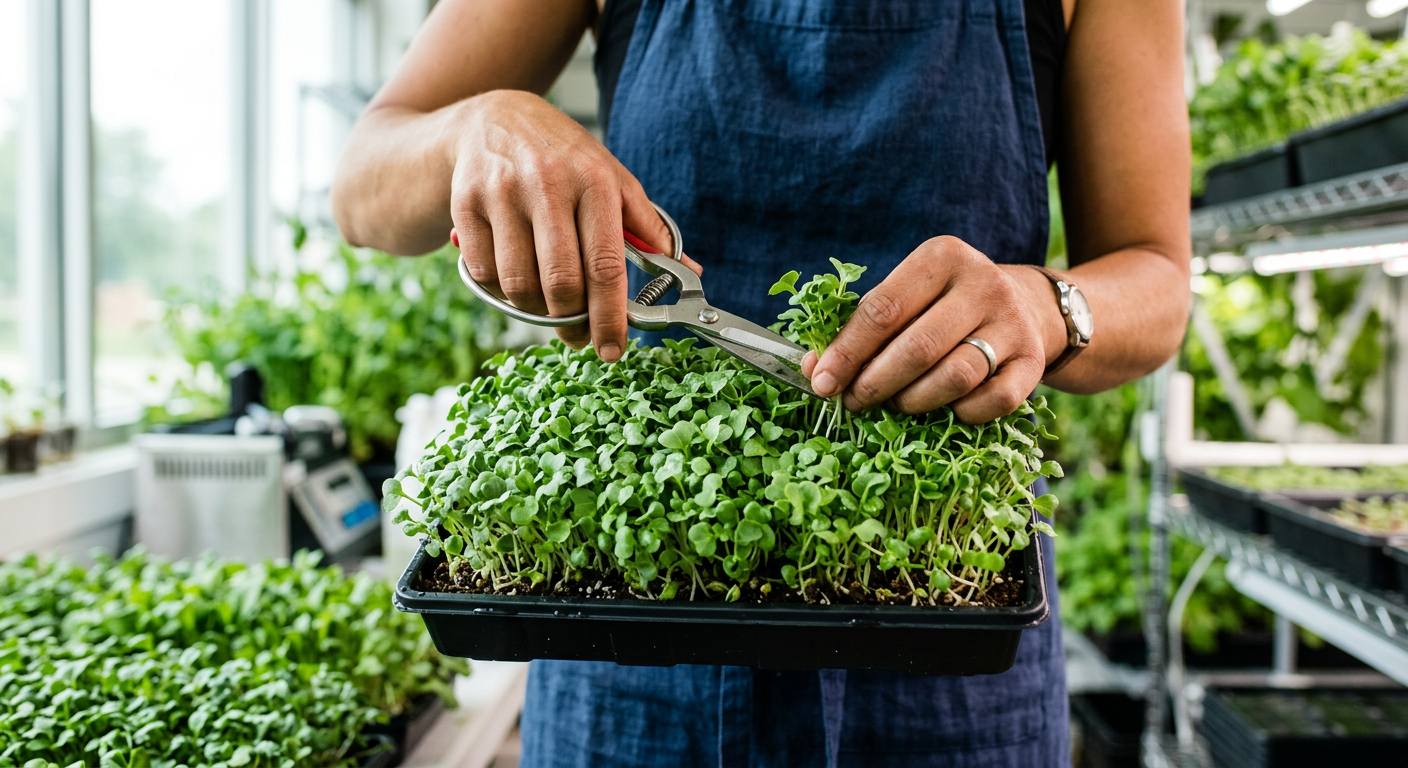
    Explore Free Resources →