Tag: budgeting

  • Homestead Budget: Plan From Scratch & Thrive!

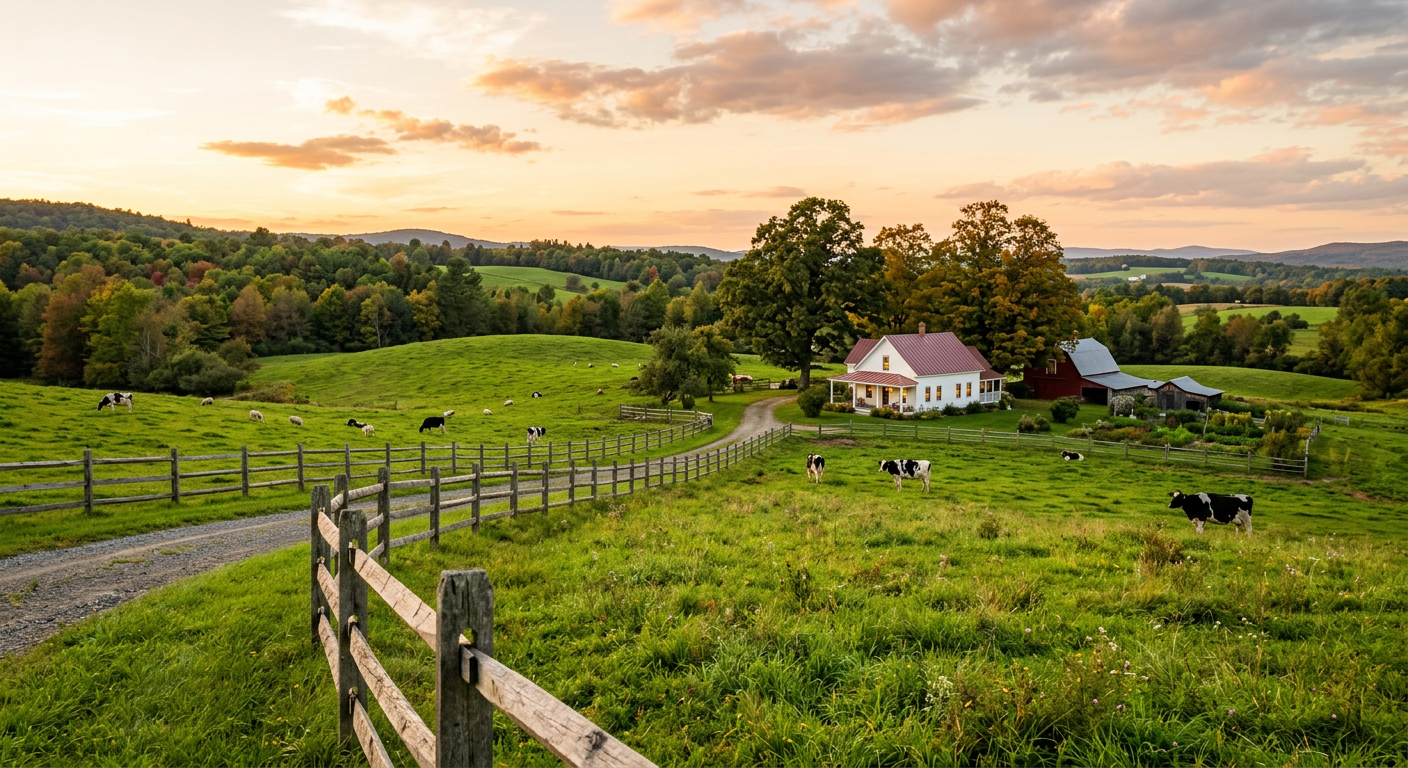
    !A thriving small farm showing how to plan a homestead budget from scratch for long-term success.
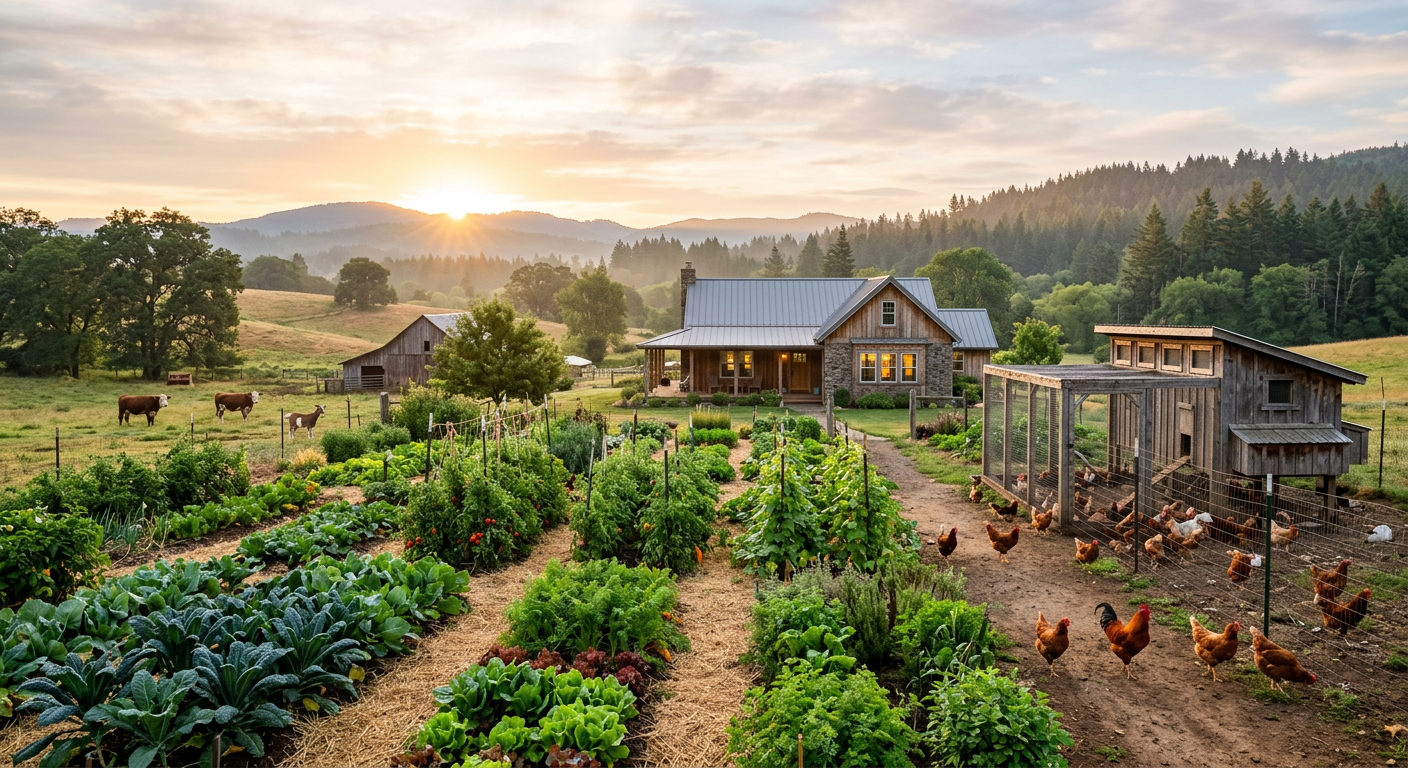
    When we first started dreaming of our homestead, visions of overflowing gardens and happy chickens danced in our heads. What didn’t dance? The numbers. We quickly learned that a homestead, while eventually saving you money, requires a thoughtful financial plan upfront. Without knowing how to plan a homestead budget from scratch, we would have been in a world of trouble.

    🎯 Quick Answer: Planning a homestead budget from scratch involves tracking current expenses, projecting start-up and ongoing costs for specific projects (like chickens or a garden), identifying income sources, and continually adjusting with a 12-24 month outlook. It’s about realistic expectations and living within your means to achieve long-term self-sufficiency.

    🌱 Start Your Homestead Plan →

    🔑 Key Takeaways

    * Start with your ‘why’: Your homestead goals dictate your budget priorities.

    * Track everything: Understand your current spending before projecting future costs.

    * Categorize ruthlessly: Separate essential homestead costs from ‘wants’.

    * Research relentlessly: Get real-world costs for seeds, tools, animals, and infrastructure.

    * Build in a buffer: Unexpected costs are a homesteading guarantee.

    * Revisit regularly: Your budget is a living document, not a set-it-and-forget-it plan.

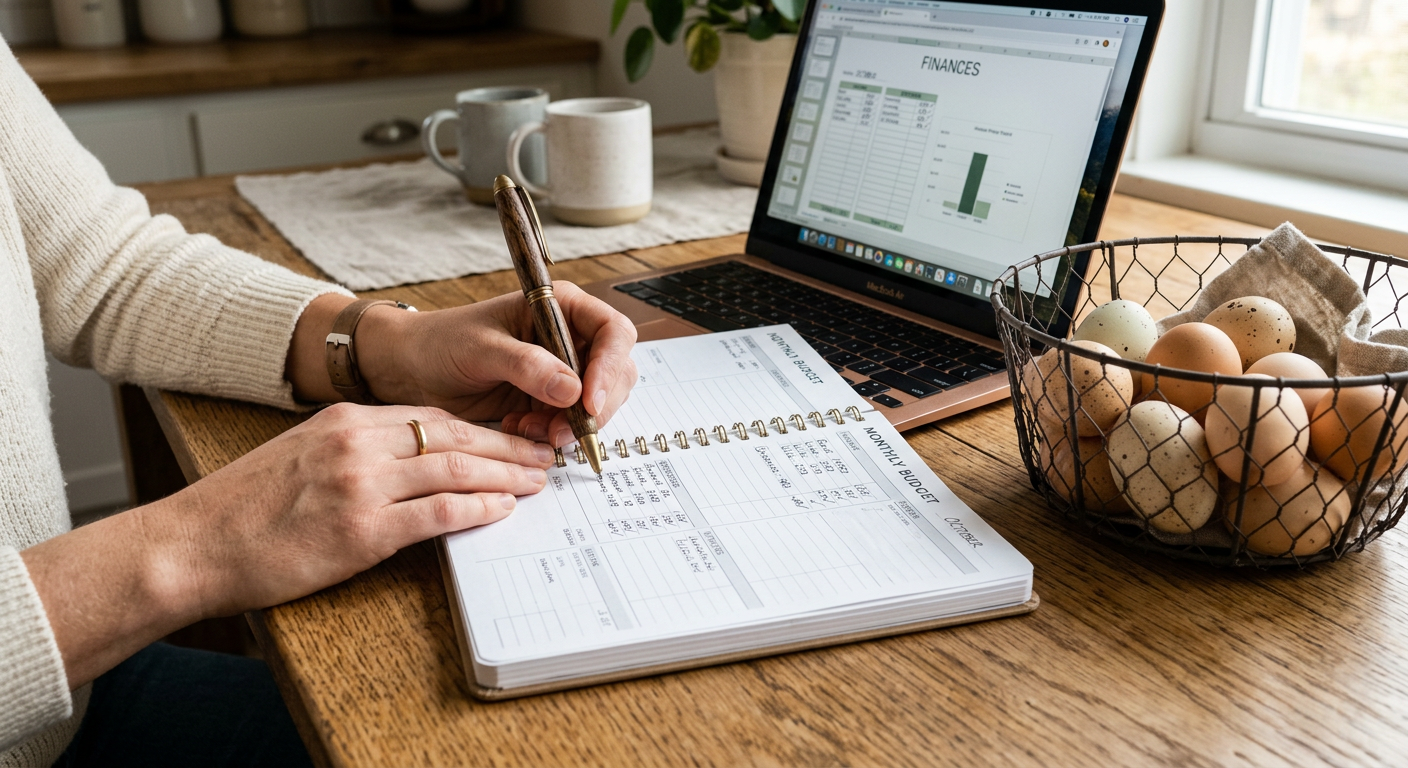
    !A person learning how to plan a homestead budget from scratch using a notebook and laptop.
    Understanding Your Current Financial Landscape

    Before you can plan for future homestead expenses, you absolutely have to know where your money is going right now. This was a huge eye-opener for us when we first sat down with our bank statements. We thought we were frugal, but boy, were there some surprises!

    Where is Your Money Going?

    Take a good hard look at your last 3-6 months of spending. Don’t just glance; print it out or export it to a spreadsheet. We use a simple spreadsheet to categorize every single transaction.

    * Fixed Expenses: Rent/mortgage, car payments, insurance, utilities (average these out).

    * Variable Expenses: Groceries, dining out, entertainment, gas, clothing, subscriptions.

    * Surprise Expenses: Medical bills, car repairs, house maintenance (again, average these over a year if possible).

    You might find that you’re spending $300 a month on takeout, or $75 on streaming services you barely watch. Every dollar counted when we were dreaming of our first flock of chickens and a decent garden.

    Identifying Savings & Debt

    Once you know your outflow, compare it to your income. Are you saving anything? Are you accumulating debt? This isn’t just about homestead spending; it’s about your overall financial health. We made a commitment to pay off consumer debt before taking on any big homestead projects, as that monthly payment was a direct drain on funds we could use for seeds or fencing. Think of it this way: every dollar freed from debt is a dollar that can grow your homestead. We also started a dedicated ‘homestead savings’ pot.

    Keep reading — this is where most people mess up.

    Projecting Homestead Start-Up Costs

    This is where the rubber meets the road. Knowing how to plan a homestead budget from scratch means breaking down those big dreams into tangible, costed projects. When we started, we wanted everything at once: chickens, a huge garden, fruit trees, maybe even a goat! We quickly realized that’s a recipe for financial disaster and burnout.

    Prioritizing Your First Projects

    We decided to start small. Our first year focus was a basic vegetable garden and a small flock of laying hens. This allowed us to keep start-up costs manageable. What are your absolute must-have first steps?

    * Garden: Seeds, soil amendments, tools (check out our list of Essential Homesteading Tools to Buy First!), fencing, watering system. A 4×8 raised bed could cost $100-$300 in materials alone, plus seeds/soil.

    * Chickens: Coop, feeder, waterer, chicks, feed, bedding. Our first small coop cost around $400 in materials, and chicks were about $4 each. For more on this, read our post on Raising Backyard Chickens: Pros, Cons & What to Expect.

    * Land: If you don’t have it yet, this will be your single largest expense. Don’t forget closing costs, surveys, and potential utility hookups. This is a whole budget in itself! Our guide on Finding Your Homestead: A Beginner’s Property Guide can help.

    Researching and Estimating Costs

    This isn’t a one-and-done task. We spent hours comparing prices online, calling local suppliers, and asking experienced homesteaders about their costs. For example, a basic chicken coop might cost $200 if you build it from reclaimed materials, or $800+ for a pre-fab kit. Always get multiple quotes or price points. Don’t forget the ‘little’ things — garden gloves, twine, a good watering can, electrical wiring, lumber for raised beds… these add up quickly!

    This next part? Nobody talks about it, but it changed everything for us.

    Planning for Ongoing Homestead Expenses

    It’s easy to focus on the big initial buy-in, but the day-to-day and season-to-season costs are what really shape your long-term homestead budget. We learned this the hard way with chicken feed!

    Monthly & Seasonal Operating Costs

    These are the expenses that keep your homestead running. They might seem small individually, but they are relentless.

    * Animal Feed: This is a big one. Our 6 laying hens eat about 15-20 lbs of feed a week, costing us roughly $15-$20 a month (feed prices fluctuate!). This adds up to $180-$240 annually just for feed.

    * Garden Supplies: Seeds, compost, fertilizer, pest control, row covers. We budget about $100-$200 annually for these for our 1/4 acre garden.

    * Utilities: Even if you’re aiming for off-grid, you’ll likely have some utility costs – well pump electricity, propane for heating/cooking, internet. Average these over the year.

    * Maintenance & Repairs: Fencing breaks, tools wear out, irrigation needs fixing. We set aside a small monthly ‘homestead repair’ fund, even if it’s just $25. This covers things like a broken shovel handle or new chicken wire.

    Factoring in Unexpected Expenses

    Oh, the unexpected! A sick animal, a sudden tool breakdown, or a late-season frost that necessitates buying pricey seedlings. We learned fast that a buffer is essential. We try to keep a separate emergency fund of at least $500 for homestead-specific issues. This isn’t just a good idea; it’s practically a necessity to avoid dipping into your personal savings or going into debt when things inevitably go wrong.

    📋 Get the Beginner Checklist →

    Considering Homestead Income & Savings

    One of the most exciting parts of homesteading is the potential for self-sufficiency and even generating a little income. When you plan a homestead budget from scratch, it’s crucial to be realistic about this. Don’t count your chickens before they hatch, literally!

    Potential Revenue Streams

    Harking back to our earlier days, we always hoped to sell extra eggs or produce. While it’s possible, it’s rarely a get-rich-quick scheme. Focus on offsetting costs first.

    * Selling produce: Excess vegetables, fruits, herbs. We sell a few extra tomatoes and cucumbers at a roadside stand, bringing in perhaps $50-$100 over the summer.

    * Eggs: Selling a dozen eggs for $4-$6 can help cover feed costs. If you have 12 hens, that’s potentially 6-8 dozen a week, maybe $100-$200 a month in sales.

    * Value-added products: Jams, jellies, baked goods, soaps. These require more time and often local permits.

    * Breeding animals: Selling chicks, piglets, or kids can be lucrative but also requires significant investment and knowledge.

    Cost Savings from Self-Sufficiency

    This is where homesteading truly shines. Every vegetable you grow, every egg you collect, the less you have to buy at the grocery store. We track our grocery bill rigorously, and seeing it drop year over year is incredibly motivating.

    * Food Savings: For a family of four, growing a significant portion of your vegetables can save hundreds of dollars a month. We estimate we save at least $200-$300 on produce, herbs, and eggs each month compared to buying organic at the store.

    * Reduced Waste: Composting scraps, reusing materials, and mending instead of replacing all contribute to savings.

    * Skills-based Savings: Learning to fix things, basic carpentry, or preserving food reduces reliance on outside services or expensive packaged goods. For example, learning Cracking the Code: Preserving Eggs Long-Term (No Fridge Needed!) means less waste.

    Don’t skip this — it’ll save you hours (and money).

    !Reviewing financial statements to understand how to plan a homestead budget from scratch.
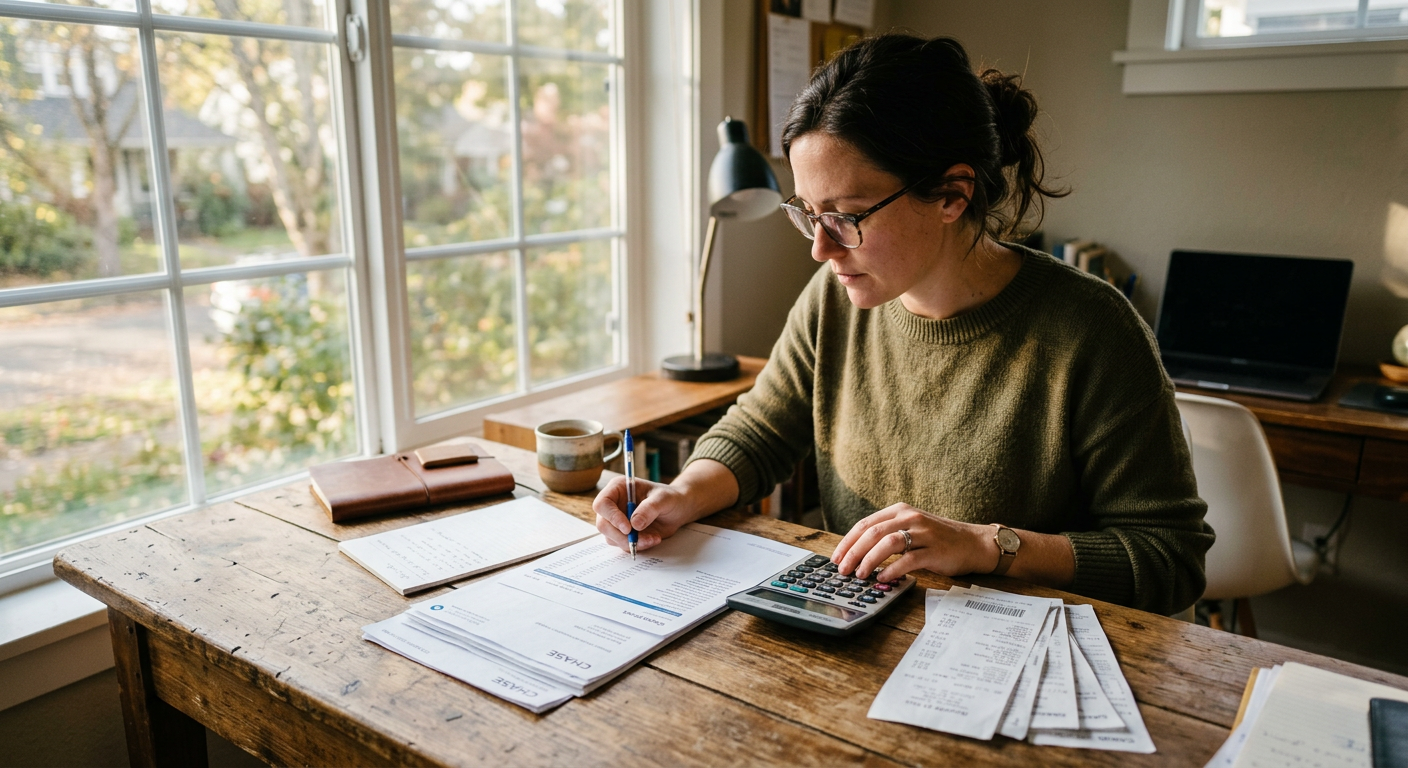
    Monitoring and Adjusting Your Homestead Budget

    Your homestead budget isn’t a static document; it’s a living, breathing guide that needs regular attention. We review ours quarterly, sometimes even monthly when we’re working on a new project or facing unexpected costs. This transparency is key to homesteading successfully long-term.

    Regular Review Schedule

    Set a reminder! We sit down every three months, usually at the start of a new season, to go over our budget. This is valuable as seasons directly impact homestead expenses and income.

    * Annually: Big picture review. Compare actual spending to budget for the entire year. What worked? What didn’t? Where did we overspend or underspend?

    * Quarterly: More detailed review. How are current projects tracking financially? Are we on target for our savings goals?

    * Monthly: Quick check of income vs. expenses. Are we staying within our variable spending limits? Is there any unexpected spending we need to adjust for next month?

    Adapting to Changes and Unexpected Events

    Life on a homestead is never predictable. A severe drought might mean higher water bills or buying more feed. A bumper crop might mean investing in more canning supplies. Be flexible and willing to adjust.

    * Flexibility is Key: If a new fence becomes an urgent safety need, you might need to temporarily defer a different, less critical expense.

    * Embrace ‘Lean Homesteading’: This means re-evaluating if something is a ‘need’ or a ‘want’ when funds are tight. Can you build it yourself instead of buying? Can you find it used? We’ve found so many treasures on local classifieds and at yard sales rather than buying new.

    💡 Pro Tips

    * Start a ‘Homestead Dream’ fund: Even if it’s just $5 a week, consistently contributing to a dedicated fund for future projects (like a greenhouse or tractor) keeps your motivation high.

    * Utilize free resources: Libraries for books, YouTube for tutorials, local extension offices for advice and soil testing – all can save you money. The USDA provides excellent resources on small farm planning.

    * DIY where safe and feasible: Building a chicken run can save hundreds. Learning basic plumbing can save a plumber’s visit. Just be honest about your skill level!

    * Barter and trade with neighbors: Have extra eggs? Trade for some fresh milk or help with a project. Community is a huge asset on a homestead. This is one of the best Beginner Homesteading Tips we ever got.

    * Track your time: Time is money, especially on a homestead. Knowing how much time you spend on each project helps balance your efforts and budget.

    ⚠️ Beginner Mistakes to Avoid

    * Not budgeting for tools: We initially forgot about the cost of good quality shovels, wheelbarrows, and specialized garden tools. They add up! Our guide on Essential Homesteading Tools to Buy First! helps here.

    * Underestimating feed costs: Animal feed is a continuous, significant expense. Don’t just budget for the initial animals.

    * Ignoring a buffer: New homesteaders often budget down to the penny and then crumble when the inevitable happens (like a predator attack requiring better fencing).

    * Trying to do too much too soon: This leads to burnout and overspending. Start small, succeed, then expand.

    Not tracking actual spending: If you don’t know where your money actually* went, your budget is just a pretty piece of paper. You need to verify it.

    Frequently Asked Questions

    ### How much does it cost to start a small homestead?

    This varies wildly, but for a small, suburban homestead focused on gardening and a few chickens (no land purchase), you could start with $500 – $2,000 for initial setup (raised beds, seeds, basic tools, a small coop, chicks). If you include land, the costs skyrocket into the tens or hundreds of thousands, depending on location and acreage.

    ### Can I homestead with no money?

    Starting a homestead with absolutely no money is extremely challenging, but not impossible. You’d need to leverage skills, community, bartering, and upcycling. Focus on micro-homesteading, foraging, and extremely low-cost food production like container gardening. We have a lot of tips on Homesteading on a Budget.

    ### How do I budget for unexpected homestead expenses?

    Allocate a specific line item in your monthly or quarterly budget for ‘Homestead Contingency’ or ‘Emergency Fund’. Start with $25-$50 a month and build it up to at least $500-$1000. This fund is specifically for things like urgent animal vet bills, critical equipment breakdowns, or unforeseen project costs.

    ### Should I include my time in my homestead budget?

    While you might not assign a monetary value to your time, it’s wise to budget your time as a resource. Knowing how many hours a project will take helps you prioritize. If you have to spend 20 hours fixing a fence, that’s 20 hours you’re not doing something else, or potentially earning outside income. It’s a key part of resource allocation.

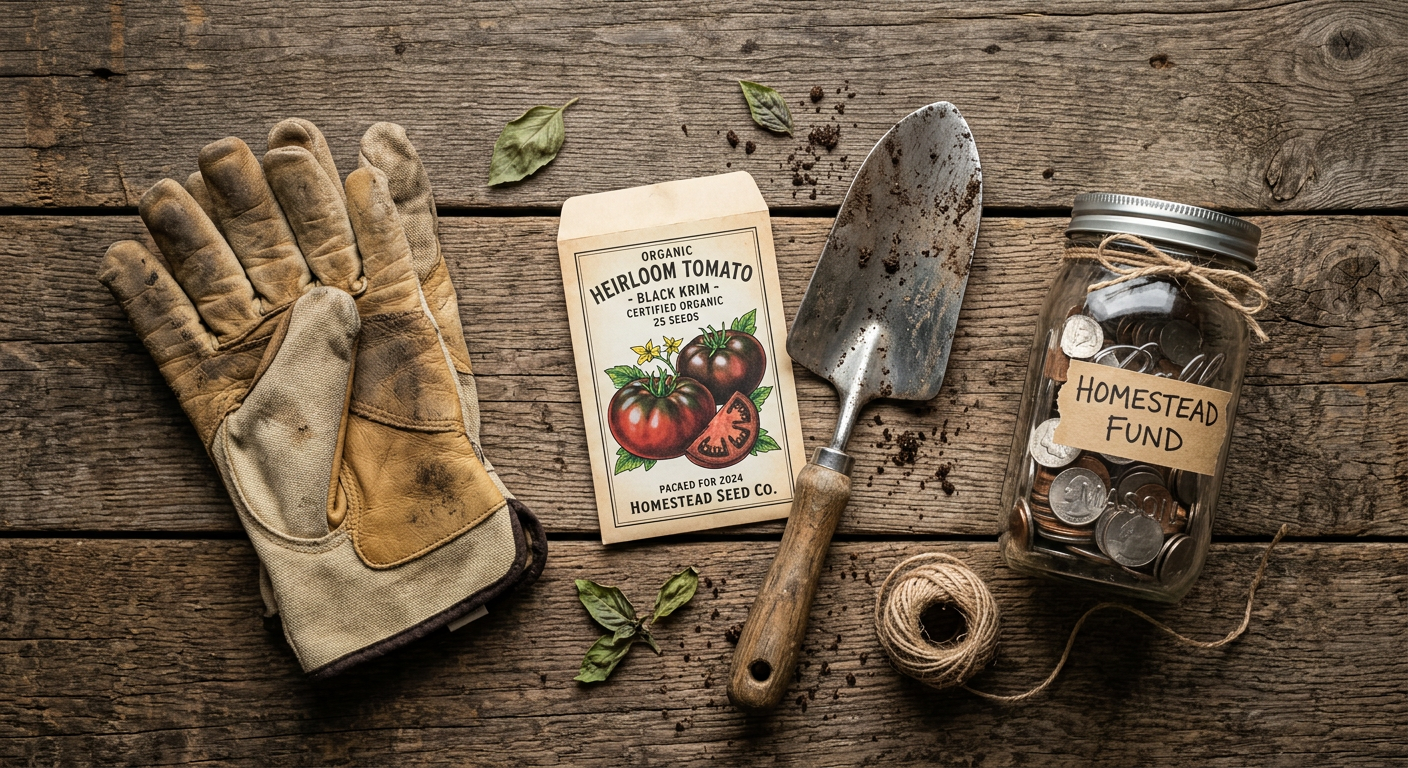
    !Seed packets and tools representing the initial steps of how to plan a homestead budget from scratch.

    Conclusion

    Learning how to plan a homestead budget from scratch was one of the most foundational steps we took on our journey. It wasn’t the most glamorous part, but it has saved us from financial headaches and allowed us to grow our homestead sustainably, year after year. It’s about being intentional, realistic, and always willing to learn and adapt. We started small, made mistakes, and learned from every single one, and you can too!

    What’s your biggest challenge with homestead finances? I’d love to hear your story in the comments!

    🔧 See Recommended Tools →


    📚 More From Our Homestead

    Ready to Start Your Homestead Journey?

    Free guides, checklists, and tools to help you build your dream homestead.
    Explore Free Resources →

  • Finding Your Homestead: A Beginner’s Property Guide

    !A scenic farm landscape showing how to choose a homestead property for beginners with ideal acreage and views.

    When we first started dreaming of homesteading, the idea of finding our perfect patch of land felt like searching for a unicorn – magical, elusive, and maybe a little impossible. We spent countless evenings poring over property listings, our heads swimming with zoning laws, well depths, and septic systems. It was overwhelming, to say the least, but also incredibly exciting to imagine our future on that land.

    🎯 Quick Answer: Choosing a homestead property requires balancing your dreams with practical realities like water access, soil quality, zoning, and budget. For beginners, start by defining your homesteading goals, then prioritize features that support those goals, always keeping an eye on accessibility and infrastructure.

    🌱 Start Your Homestead Plan →

    🔑 Key Takeaways

    * Define Your Vision: Before looking at properties, clarify your homesteading goals (gardening, livestock, off-grid, etc.).

    * Location, Location, Location: Consider climate, community, and proximity to resources you might still need.

    * Water is Life: Assess water sources like wells, springs, or municipal hook-ups – this is non-negotiable!

    * Soil Matters: Good soil is the foundation of a productive garden; poor soil can be remediated but takes time and money.

    * Zoning & Regulations: Understand local laws regarding animals, structures, and land use to avoid costly surprises.

    * Beyond the Price Tag: Factor in infrastructure costs (well, septic, power) and potential land improvements.

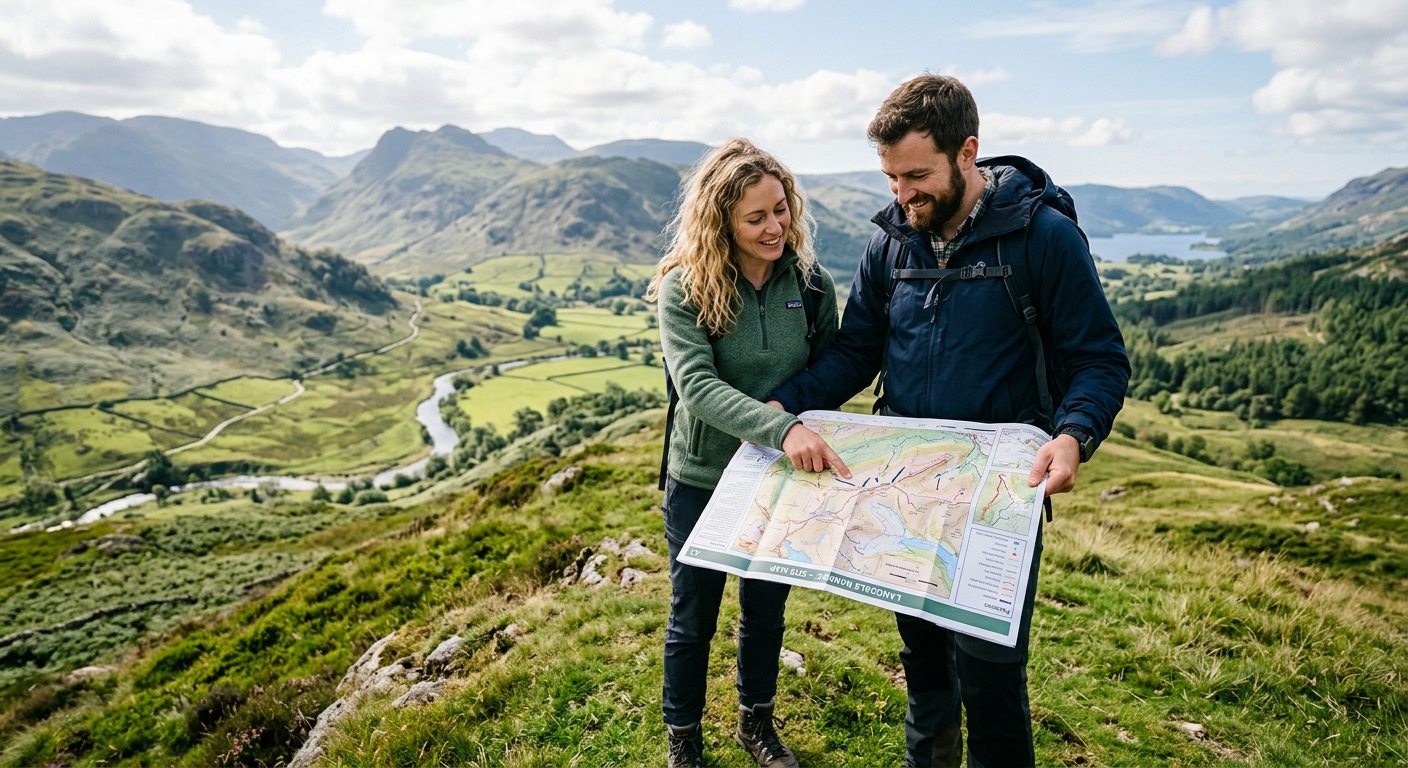
    !A couple planning land use while learning how to choose a homestead property for beginners.

    Understanding Your Homesteading Dreams First

    Before you even glance at a real estate listing, we found it crucial to sit down and honestly answer some big questions about our homesteading dreams. What do you really want to do on your land? This isn’t just about fun, it’s about practicalities that will dictate the size, location, and features you need when you’re asking how to choose a homestead property for beginners.

    What are Your Homesteading Goals?

    For us, our initial goal was to grow most of our family’s vegetables, raise a small flock of chickens for eggs, and eventually add a couple of dairy goats. This meant we needed ample garden space, secure fencing potential, and enough acreage to keep animals happily (and legally). If your dream is a sprawling orchard, you’ll need healthy soil and good drainage. If you envision a small-scale cattle operation, pasture quality and water access become paramount. Conversely, if you’re thinking urban homesteading with kids, your property needs will look very different.

    Desired Level of Self-Sufficiency

    Are you aiming for completely off-grid living, or do you just want to supplement your groceries? Off-grid will demand specific features like south-facing slopes for solar, reliable water sources, and potentially a location further from infrastructure. We decided early on to stay connected to grid power for convenience, but with plans for solar backup down the road. This decision significantly impacted the types of properties we considered.

    * Deep Self-Sufficiency: Expect to prioritize natural resources, isolation, and larger acreage.

    * Partial Self-Sufficiency: A smaller plot with good soil and municipal access might be perfect.

    * Budgeting for Self-Sufficiency: Remember, going off-grid can involve substantial upfront costs for systems like solar panels, well drilling, or rainwater harvesting.

    Knowing your ‘why’ will save you countless headaches down the line when you start property hunting. But before you dive in, let’s talk about the single most critical resource.

    The Non-Negotiable: Water, Water, Water

    Seriously, we cannot stress this enough. Water isn’t just nice to have; it’s absolutely essential for a thriving homestead. Whether you’re watering your backyard vegetable garden, hydrating your livestock, or simply living comfortably, reliable water access is paramount when considering how to choose a homestead property for beginners.

    Identifying Water Sources

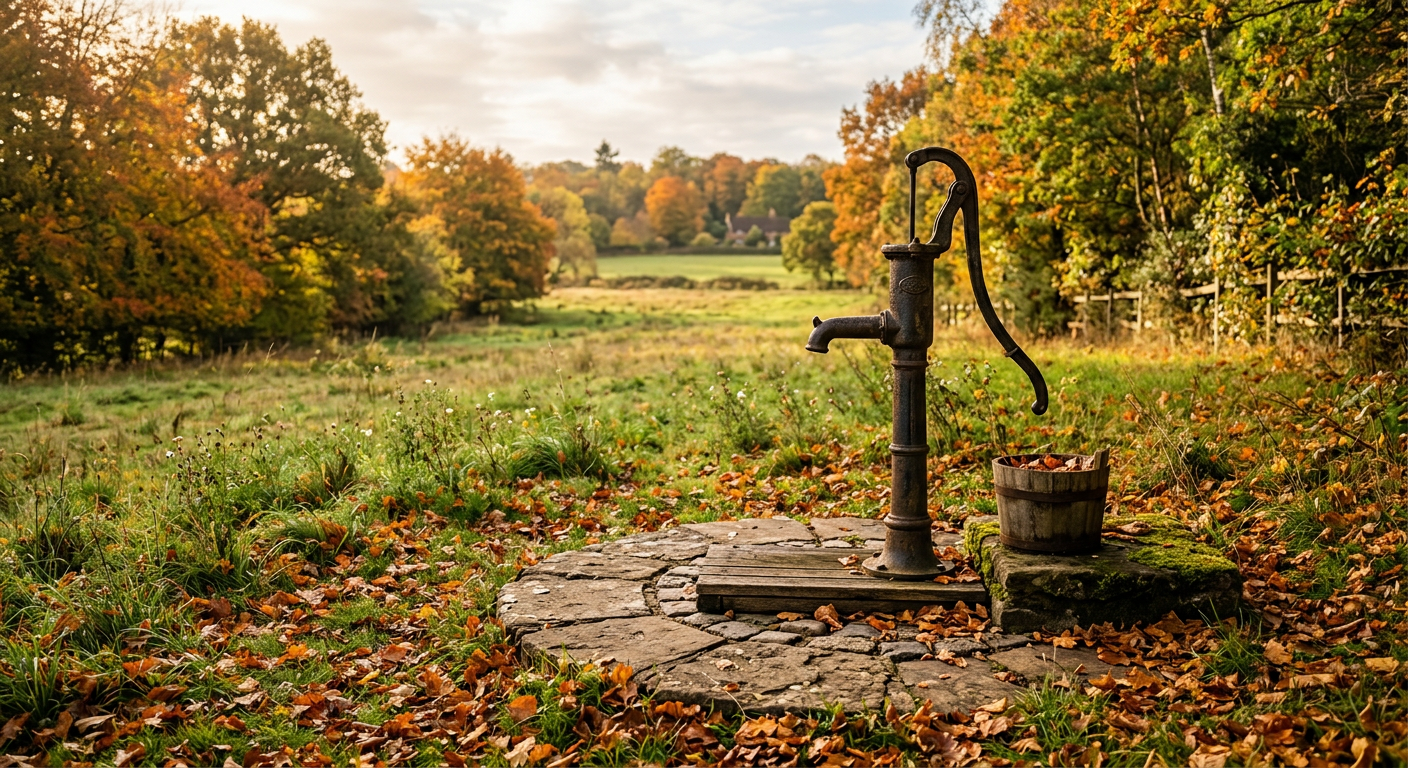
    When we looked at properties, the first question we asked was always about water. Is there a well? How deep is it? What’s the yield? Is it a shared well? For us, a reliable, private well was a must-have. Asking for well logs and testing the water quality is non-negotiable.

    * Private Wells: Often the most desirable for homesteaders. Inquire about depth, pump age, and historical water levels.

    * Natural Springs/Creeks: Fantastic assets, but check for seasonal fluctuations and potential contamination from upstream sources.

    * Municipal Water: Convenient, but limits self-sufficiency and comes with monthly bills.

    * Rainwater Harvesting: An excellent supplement, but rarely sufficient as a sole source for a full homestead, especially in arid regions.

    Water Rights and Quality

    Many states have complex water rights laws. Make sure you understand what rights come with the property, especially if it includes a stream or shared well. We once looked at a beautiful piece of land with a shared well, but the agreement was so vague and complex that we walked away. Plus, get that water tested! Our local extension office offered affordable water testing for common contaminants like coliform bacteria and nitrates. You don’t want to dig in for years only to find your water is unsafe.

    Keep reading — this is where most people mess up.

    Soil, Topography, and Microclimates

    After water, the ground beneath your feet is your next biggest asset (or liability!). Thinking about how to choose a homestead property for beginners often overlooks the actual composition of the land itself. Our first garden on our current homestead taught us a lot about what good soil isn’t.

    Soil Quality: A Gardener’s Best Friend

    We naively bought our first property assuming all ‘farm land’ was good land. Turns out, our initial soil was heavy clay, compacted, and nutrient-depleted. Building it up took years of adding compost, cover crops, and amendments. If you can get a soil test done before buying, do it! If not, observe native plants – do they look healthy and robust? Are there large swaths of invasive weeds that indicate poor soil? Or, even better, look at what the current owners are growing. Lush, healthy gardens are a good sign.

    * Ideal Soil: Loamy, well-draining, rich in organic matter (dark and crumbly).

    * Challenging Soils: Heavy clay (poor drainage), sandy (dries quickly, nutrient leaching), rocky (limits root growth).

    * Remediation: All soils can be improved, but it’s a long-term investment in time, labor, and materials.

    📋 Get the Beginner Checklist →

    Topography and Drainage

    Is the land flat, gently sloped, or steep? Gentle slopes are often ideal for drainage and passive solar design. Flat land can be prone to standing water if drainage isn’t good. Steep slopes, while offering great views, can be challenging for gardening, building, and even driving equipment. We learned to look for natural contours that could be used for things like swales or terracing.

    Understanding Microclimates

    Every piece of land has its own unique microclimates. Where does the sun hit strongest? Which areas are sheltered from prevailing winds? Are there frost pockets? On our homestead, we have a low-lying area that reliably gets frost two weeks earlier and lasts two weeks longer than other parts of our property. This affects where we plant tender crops or choose to locate certain animal shelters. Observing how current owners have laid out their property can offer valuable clues.

    This next part? Nobody talks about it, but it changed everything for us.

    Zoning, Regulations, and Neighborhood Vibe

    This is the dry, unglamorous part of homesteading, but it’s absolutely critical. Ignoring zoning and local regulations can turn your dream into a nightmare, fast. When we were learning how to choose a homestead property for beginners, we almost made a huge mistake by not digging deep enough into these details.

    Decoding Zoning Laws

    Every county and sometimes even specific townships have zoning laws that dictate what you can and can’t do on your land. Can you have livestock? If so, what kind and how many per acre? Are there restrictions on building new structures like a barn or a greenhouse? What about home-based businesses? These rules are usually available through the county planning department or online. Don’t take a realtor’s word for it; verify everything yourself.

    * Agricultural Zoning: Generally most flexible for homesteaders, but still check specific animal limits.

    * Rural Residential: Often allows some animals and gardening, but can have tighter restrictions on types or numbers.

    * Conservation/Flood Zones: Can severely limit building and land use.

    * HOAs (Homeowners Associations): A HUGE red flag for homesteaders, as they often have very restrictive rules about animals, outbuildings, and even front yard gardens.

    Permitting and Regulations

    Beyond zoning, there are permits for everything from new wells and septic systems to adding a chicken coop (believe it or not!). Understand what local building codes and health department regulations might affect your plans. Some areas have specific rules about minimum setbacks from property lines for animal enclosures or compost piles.

    The Importance of Neighbors and Community

    While finding your slice of heaven, don’t forget the human element. Drive through the neighborhood at different times of day. Are there other homesteaders or farmers around who could be a resource? Or are your potential neighbors hostile to things like roosters crowing at dawn? We made sure to introduce ourselves to a few neighbors before closing on our current property. Their insights were invaluable, and we’ve since built strong friendships.

    Don’t skip this — it’ll save you hours (and money).

    !A rustic water well on a rural lot, a key factor in how to choose a homestead property for beginners.

    Budgeting Beyond the Purchase Price

    It’s easy to get caught up in the listed price of the land, but the true cost of setting up a homestead goes far beyond that initial mortgage payment. When thinking about how to choose a homestead property for beginners, remember that the cheapest land isn’t always the least expensive in the long run. Our family learned this lesson the hard way.

    Infrastructure Costs

    If the property doesn’t have a well, septic system, or power hookup, you’ll need to budget for those. We looked at one property that seemed like a steal, but digging a new well was estimated at $15,000 and installing a septic system another $10,000-$20,000 – suddenly, it wasn’t such a bargain! Get quotes for these major projects before making an offer.

    * Well Drilling: Can range from $5,000 to $25,000+ depending on depth and location.

    * Septic System: Installation averages $10,000-$30,000, varying greatly by system type and soil conditions.

    * Utility Hookups: Bringing power or internet to a remote property can be surprisingly expensive, sometimes tens of thousands of dollars per pole.

    * Fencing: Essential for animals and gardens; costs add up quickly for hundreds or thousands of feet.

    Land Improvements and Tools

    Once you own the land, the work (and spending) really begins. You’ll need tools: a good tractor or four-wheeler, chainsaws, gardening implements, maybe even a small backhoe. There’s also the cost of amending soil, clearing brush, building outbuildings, and establishing gardens or pastures. We initially estimated about 15-20% of our property purchase price for initial setup costs in the first two years, and we still went over!

    * Land Clearing: Removing trees, brush, or old structures.

    * Soil Amendment: Truckloads of compost, manure, or other organic matter.

    * Outbuildings: Chicken coops, sheds, barns.

    * Access Roads/Driveways: If the property lacks good access.

    💡 Pro Tips

    * Walk the Property (Multiple Times!): Visit in different seasons if possible. See how water drains after a rain. Check for shade patterns in summer and winter.

    * Talk to the Locals: Chat with neighbors, post office staff, or folks at the local feed store. They often have invaluable insights about the area, microclimates, and community.

    * Hire a Homestead-Savvy Realtor: Finding a realtor who understands rural properties and homesteading needs can make a huge difference. They’ll know what questions to ask and what pitfalls to look for.

    * Check Cell Service & Internet: Don’t assume. Many rural areas have spotty service, which can be tough if you work from home or need emergency access.

    * Future-Proof Your Purchase: Think 5, 10, even 20 years down the line. Will this property still meet your evolving homesteading goals?

    ⚠️ Beginner Mistakes to Avoid

    * Buying Blindly: Don’t fall in love with the pretty pictures online. Always visit the property in person, multiple times if possible.

    * Ignoring Soil Tests: Planting in poor soil will lead to frustration and wasted effort. At least do a basic home test kit or dig a few holes to inspect the soil structure.

    * Underestimating Water Needs: Water isn’t just for drinking; it’s for animals, gardens, and general homestead operations. Assume you’ll need more than you think.

    * Overlooking Zoning/HOA Rules: These can kill your homesteading dreams before they even start. Verify everything with local authorities.

    * Budgeting Only for Purchase Price: This is probably the biggest mistake. Always factor in significant costs for infrastructure, tools, and land development.

    Frequently Asked Questions

    Is 1 acre enough for a homestead?

    The answer really depends on your goals! For intensive gardening, a small flock of chickens, and perhaps a few fruit trees, 1 acre can be very productive. For grazing larger animals like cows or going completely off-grid with extensive solar arrays, you’ll likely need more. For some inspiration on maximizing small spaces, you could check out this post on homestead layouts for beginners.

    What are the most important things to look for in a homestead property?

    When learning how to choose a homestead property for beginners, the absolute must-haves are reliable water access, decent soil, and favorable zoning. After that, look for defensible space, good sun exposure for gardening, and practical access to infrastructure or community when needed. Your personal goals will help prioritize the rest.

    How much does it cost to start a homestead from scratch?

    Ah, the million-dollar question! Starting a homestead from scratch can range from tens of thousands for a small, developed property to hundreds of thousands or even millions for raw land that needs all new infrastructure. We spent about $150,000 on our 5-acre property and then another $50,000+ in the first three years on well, septic upgrades, fencing, garden beds, and tools. Starting on a budget is possible, but prepare for ongoing expenses!

    Should I buy raw land or a property with existing infrastructure?

    For beginners, a property with existing (and functional!) infrastructure like a well, septic system, and a habitable dwelling is often much easier and faster to get started on. While raw land can be cheaper upfront, the costs and time to develop it can quickly surpass the savings. We opted for a property with a fixer-upper house and a working well/septic, which allowed us to move in and start gardening immediately.

    How do I check for flood zones or other environmental hazards?

    You can typically check federal flood maps (FEMA maps) online for any property address. Your local county planning department can also provide information on environmental overlays, wetlands, or other hazard zones. It’s smart to also visually inspect the land for signs of past flooding or erosion, especially after heavy rains.

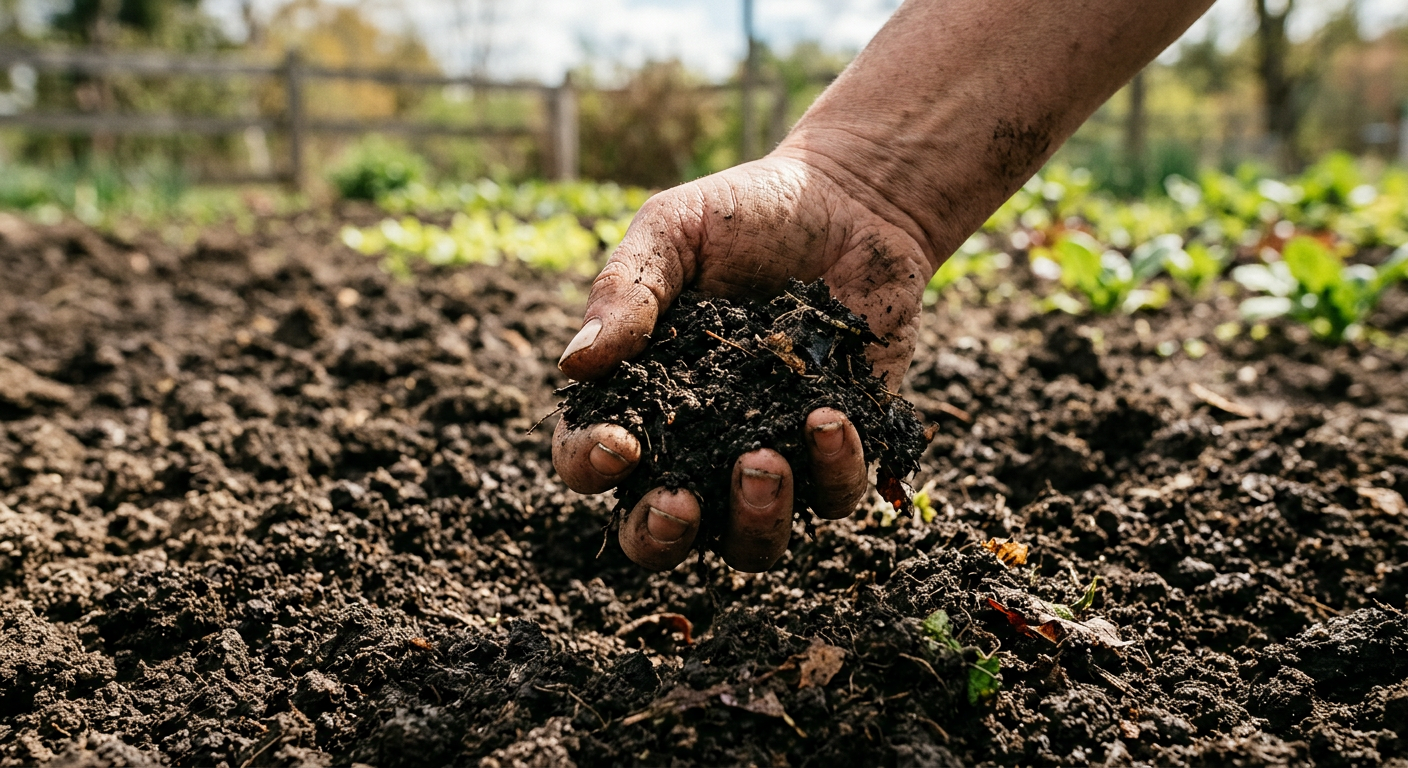
    !Rich fertile soil in a hand, illustrating how to choose a homestead property for beginners with good land.

    Finding Your Place Under the Sun

    Choosing a homestead property is one of the most significant decisions you’ll make on your self-sufficiency journey. It’s exhilarating, daunting, and incredibly rewarding when you finally find ‘the one.’ Remember that no property is perfect, and every piece of land comes with its own set of challenges and opportunities. Our advice? Be patient, do your homework, and prioritize the foundational elements like water and soil. With a clear vision and a practical mindset, you’ll be well on your way to breaking ground on your own piece of paradise.

    What’s your biggest challenge with finding the perfect homestead property? I’d love to hear your story in the comments!

    🔧 See Recommended Tools →


    📚 More From Our Homestead

    Ready to Start Your Homestead Journey?

    Free guides, checklists, and tools to help you build your dream homestead.
    Explore Free Resources →

  • Finding Your Homestead: A Beginner’s Property Guide

    !A scenic farm landscape showing how to choose a homestead property for beginners with ideal acreage and views.

    When we first started dreaming of homesteading, the idea of finding our perfect patch of land felt like searching for a unicorn – magical, elusive, and maybe a little impossible. We spent countless evenings poring over property listings, our heads swimming with zoning laws, well depths, and septic systems. It was overwhelming, to say the least, but also incredibly exciting to imagine our future on that land.

    🎯 Quick Answer: Choosing a homestead property requires balancing your dreams with practical realities like water access, soil quality, zoning, and budget. For beginners, start by defining your homesteading goals, then prioritize features that support those goals, always keeping an eye on accessibility and infrastructure.

    🌱 Start Your Homestead Plan →

    🔑 Key Takeaways

    * Define Your Vision: Before looking at properties, clarify your homesteading goals (gardening, livestock, off-grid, etc.).

    * Location, Location, Location: Consider climate, community, and proximity to resources you might still need.

    * Water is Life: Assess water sources like wells, springs, or municipal hook-ups – this is non-negotiable!

    * Soil Matters: Good soil is the foundation of a productive garden; poor soil can be remediated but takes time and money.

    * Zoning & Regulations: Understand local laws regarding animals, structures, and land use to avoid costly surprises.

    * Beyond the Price Tag: Factor in infrastructure costs (well, septic, power) and potential land improvements.

    !A couple planning land use while learning how to choose a homestead property for beginners.

    Understanding Your Homesteading Dreams First

    Before you even glance at a real estate listing, we found it crucial to sit down and honestly answer some big questions about our homesteading dreams. What do you really want to do on your land? This isn’t just about fun, it’s about practicalities that will dictate the size, location, and features you need when you’re asking how to choose a homestead property for beginners.

    What are Your Homesteading Goals?

    For us, our initial goal was to grow most of our family’s vegetables, raise a small flock of chickens for eggs, and eventually add a couple of dairy goats. This meant we needed ample garden space, secure fencing potential, and enough acreage to keep animals happily (and legally). If your dream is a sprawling orchard, you’ll need healthy soil and good drainage. If you envision a small-scale cattle operation, pasture quality and water access become paramount. Conversely, if you’re thinking urban homesteading with kids, your property needs will look very different.

    Desired Level of Self-Sufficiency

    Are you aiming for completely off-grid living, or do you just want to supplement your groceries? Off-grid will demand specific features like south-facing slopes for solar, reliable water sources, and potentially a location further from infrastructure. We decided early on to stay connected to grid power for convenience, but with plans for solar backup down the road. This decision significantly impacted the types of properties we considered.

    * Deep Self-Sufficiency: Expect to prioritize natural resources, isolation, and larger acreage.

    * Partial Self-Sufficiency: A smaller plot with good soil and municipal access might be perfect.

    * Budgeting for Self-Sufficiency: Remember, going off-grid can involve substantial upfront costs for systems like solar panels, well drilling, or rainwater harvesting.

    Knowing your ‘why’ will save you countless headaches down the line when you start property hunting. But before you dive in, let’s talk about the single most critical resource.

    The Non-Negotiable: Water, Water, Water

    Seriously, we cannot stress this enough. Water isn’t just nice to have; it’s absolutely essential for a thriving homestead. Whether you’re watering your backyard vegetable garden, hydrating your livestock, or simply living comfortably, reliable water access is paramount when considering how to choose a homestead property for beginners.

    Identifying Water Sources

    When we looked at properties, the first question we asked was always about water. Is there a well? How deep is it? What’s the yield? Is it a shared well? For us, a reliable, private well was a must-have. Asking for well logs and testing the water quality is non-negotiable.

    * Private Wells: Often the most desirable for homesteaders. Inquire about depth, pump age, and historical water levels.

    * Natural Springs/Creeks: Fantastic assets, but check for seasonal fluctuations and potential contamination from upstream sources.

    * Municipal Water: Convenient, but limits self-sufficiency and comes with monthly bills.

    * Rainwater Harvesting: An excellent supplement, but rarely sufficient as a sole source for a full homestead, especially in arid regions.

    Water Rights and Quality

    Many states have complex water rights laws. Make sure you understand what rights come with the property, especially if it includes a stream or shared well. We once looked at a beautiful piece of land with a shared well, but the agreement was so vague and complex that we walked away. Plus, get that water tested! Our local extension office offered affordable water testing for common contaminants like coliform bacteria and nitrates. You don’t want to dig in for years only to find your water is unsafe.

    Keep reading — this is where most people mess up.

    Soil, Topography, and Microclimates

    After water, the ground beneath your feet is your next biggest asset (or liability!). Thinking about how to choose a homestead property for beginners often overlooks the actual composition of the land itself. Our first garden on our current homestead taught us a lot about what good soil isn’t.

    Soil Quality: A Gardener’s Best Friend

    We naively bought our first property assuming all ‘farm land’ was good land. Turns out, our initial soil was heavy clay, compacted, and nutrient-depleted. Building it up took years of adding compost, cover crops, and amendments. If you can get a soil test done before buying, do it! If not, observe native plants – do they look healthy and robust? Are there large swaths of invasive weeds that indicate poor soil? Or, even better, look at what the current owners are growing. Lush, healthy gardens are a good sign.

    * Ideal Soil: Loamy, well-draining, rich in organic matter (dark and crumbly).

    * Challenging Soils: Heavy clay (poor drainage), sandy (dries quickly, nutrient leaching), rocky (limits root growth).

    * Remediation: All soils can be improved, but it’s a long-term investment in time, labor, and materials.

    📋 Get the Beginner Checklist →

    Topography and Drainage

    Is the land flat, gently sloped, or steep? Gentle slopes are often ideal for drainage and passive solar design. Flat land can be prone to standing water if drainage isn’t good. Steep slopes, while offering great views, can be challenging for gardening, building, and even driving equipment. We learned to look for natural contours that could be used for things like swales or terracing.

    Understanding Microclimates

    Every piece of land has its own unique microclimates. Where does the sun hit strongest? Which areas are sheltered from prevailing winds? Are there frost pockets? On our homestead, we have a low-lying area that reliably gets frost two weeks earlier and lasts two weeks longer than other parts of our property. This affects where we plant tender crops or choose to locate certain animal shelters. Observing how current owners have laid out their property can offer valuable clues.

    This next part? Nobody talks about it, but it changed everything for us.

    Zoning, Regulations, and Neighborhood Vibe

    This is the dry, unglamorous part of homesteading, but it’s absolutely critical. Ignoring zoning and local regulations can turn your dream into a nightmare, fast. When we were learning how to choose a homestead property for beginners, we almost made a huge mistake by not digging deep enough into these details.

    Decoding Zoning Laws

    Every county and sometimes even specific townships have zoning laws that dictate what you can and can’t do on your land. Can you have livestock? If so, what kind and how many per acre? Are there restrictions on building new structures like a barn or a greenhouse? What about home-based businesses? These rules are usually available through the county planning department or online. Don’t take a realtor’s word for it; verify everything yourself.

    * Agricultural Zoning: Generally most flexible for homesteaders, but still check specific animal limits.

    * Rural Residential: Often allows some animals and gardening, but can have tighter restrictions on types or numbers.

    * Conservation/Flood Zones: Can severely limit building and land use.

    * HOAs (Homeowners Associations): A HUGE red flag for homesteaders, as they often have very restrictive rules about animals, outbuildings, and even front yard gardens.

    Permitting and Regulations

    Beyond zoning, there are permits for everything from new wells and septic systems to adding a chicken coop (believe it or not!). Understand what local building codes and health department regulations might affect your plans. Some areas have specific rules about minimum setbacks from property lines for animal enclosures or compost piles.

    The Importance of Neighbors and Community

    While finding your slice of heaven, don’t forget the human element. Drive through the neighborhood at different times of day. Are there other homesteaders or farmers around who could be a resource? Or are your potential neighbors hostile to things like roosters crowing at dawn? We made sure to introduce ourselves to a few neighbors before closing on our current property. Their insights were invaluable, and we’ve since built strong friendships.

    Don’t skip this — it’ll save you hours (and money).

    !A rustic water well on a rural lot, a key factor in how to choose a homestead property for beginners.

    Budgeting Beyond the Purchase Price

    It’s easy to get caught up in the listed price of the land, but the true cost of setting up a homestead goes far beyond that initial mortgage payment. When thinking about how to choose a homestead property for beginners, remember that the cheapest land isn’t always the least expensive in the long run. Our family learned this lesson the hard way.

    Infrastructure Costs

    If the property doesn’t have a well, septic system, or power hookup, you’ll need to budget for those. We looked at one property that seemed like a steal, but digging a new well was estimated at $15,000 and installing a septic system another $10,000-$20,000 – suddenly, it wasn’t such a bargain! Get quotes for these major projects before making an offer.

    * Well Drilling: Can range from $5,000 to $25,000+ depending on depth and location.

    * Septic System: Installation averages $10,000-$30,000, varying greatly by system type and soil conditions.

    * Utility Hookups: Bringing power or internet to a remote property can be surprisingly expensive, sometimes tens of thousands of dollars per pole.

    * Fencing: Essential for animals and gardens; costs add up quickly for hundreds or thousands of feet.

    Land Improvements and Tools

    Once you own the land, the work (and spending) really begins. You’ll need tools: a good tractor or four-wheeler, chainsaws, gardening implements, maybe even a small backhoe. There’s also the cost of amending soil, clearing brush, building outbuildings, and establishing gardens or pastures. We initially estimated about 15-20% of our property purchase price for initial setup costs in the first two years, and we still went over!

    * Land Clearing: Removing trees, brush, or old structures.

    * Soil Amendment: Truckloads of compost, manure, or other organic matter.

    * Outbuildings: Chicken coops, sheds, barns.

    * Access Roads/Driveways: If the property lacks good access.

    💡 Pro Tips

    * Walk the Property (Multiple Times!): Visit in different seasons if possible. See how water drains after a rain. Check for shade patterns in summer and winter.

    * Talk to the Locals: Chat with neighbors, post office staff, or folks at the local feed store. They often have invaluable insights about the area, microclimates, and community.

    * Hire a Homestead-Savvy Realtor: Finding a realtor who understands rural properties and homesteading needs can make a huge difference. They’ll know what questions to ask and what pitfalls to look for.

    * Check Cell Service & Internet: Don’t assume. Many rural areas have spotty service, which can be tough if you work from home or need emergency access.

    * Future-Proof Your Purchase: Think 5, 10, even 20 years down the line. Will this property still meet your evolving homesteading goals?

    ⚠️ Beginner Mistakes to Avoid

    * Buying Blindly: Don’t fall in love with the pretty pictures online. Always visit the property in person, multiple times if possible.

    * Ignoring Soil Tests: Planting in poor soil will lead to frustration and wasted effort. At least do a basic home test kit or dig a few holes to inspect the soil structure.

    * Underestimating Water Needs: Water isn’t just for drinking; it’s for animals, gardens, and general homestead operations. Assume you’ll need more than you think.

    * Overlooking Zoning/HOA Rules: These can kill your homesteading dreams before they even start. Verify everything with local authorities.

    * Budgeting Only for Purchase Price: This is probably the biggest mistake. Always factor in significant costs for infrastructure, tools, and land development.

    Frequently Asked Questions

    Is 1 acre enough for a homestead?

    The answer really depends on your goals! For intensive gardening, a small flock of chickens, and perhaps a few fruit trees, 1 acre can be very productive. For grazing larger animals like cows or going completely off-grid with extensive solar arrays, you’ll likely need more. For some inspiration on maximizing small spaces, you could check out this post on homestead layouts for beginners.

    What are the most important things to look for in a homestead property?

    When learning how to choose a homestead property for beginners, the absolute must-haves are reliable water access, decent soil, and favorable zoning. After that, look for defensible space, good sun exposure for gardening, and practical access to infrastructure or community when needed. Your personal goals will help prioritize the rest.

    How much does it cost to start a homestead from scratch?

    Ah, the million-dollar question! Starting a homestead from scratch can range from tens of thousands for a small, developed property to hundreds of thousands or even millions for raw land that needs all new infrastructure. We spent about $150,000 on our 5-acre property and then another $50,000+ in the first three years on well, septic upgrades, fencing, garden beds, and tools. Starting on a budget is possible, but prepare for ongoing expenses!

    Should I buy raw land or a property with existing infrastructure?

    For beginners, a property with existing (and functional!) infrastructure like a well, septic system, and a habitable dwelling is often much easier and faster to get started on. While raw land can be cheaper upfront, the costs and time to develop it can quickly surpass the savings. We opted for a property with a fixer-upper house and a working well/septic, which allowed us to move in and start gardening immediately.

    How do I check for flood zones or other environmental hazards?

    You can typically check federal flood maps (FEMA maps) online for any property address. Your local county planning department can also provide information on environmental overlays, wetlands, or other hazard zones. It’s smart to also visually inspect the land for signs of past flooding or erosion, especially after heavy rains.

    !Rich fertile soil in a hand, illustrating how to choose a homestead property for beginners with good land.

    Finding Your Place Under the Sun

    Choosing a homestead property is one of the most significant decisions you’ll make on your self-sufficiency journey. It’s exhilarating, daunting, and incredibly rewarding when you finally find ‘the one.’ Remember that no property is perfect, and every piece of land comes with its own set of challenges and opportunities. Our advice? Be patient, do your homework, and prioritize the foundational elements like water and soil. With a clear vision and a practical mindset, you’ll be well on your way to breaking ground on your own piece of paradise.

    What’s your biggest challenge with finding the perfect homestead property? I’d love to hear your story in the comments!

    🔧 See Recommended Tools →


    📚 More From Our Homestead

    Ready to Start Your Homestead Journey?

    Free guides, checklists, and tools to help you build your dream homestead.
    Explore Free Resources →


    👉 Related: Easiest Homesteading Animals to Raise? Here’s Our Story

    👉 Related: Homesteading Without Land? Get Experience Now!

    👉 Related: Maintaining Off-Grid Appliances and Systems for Longevity