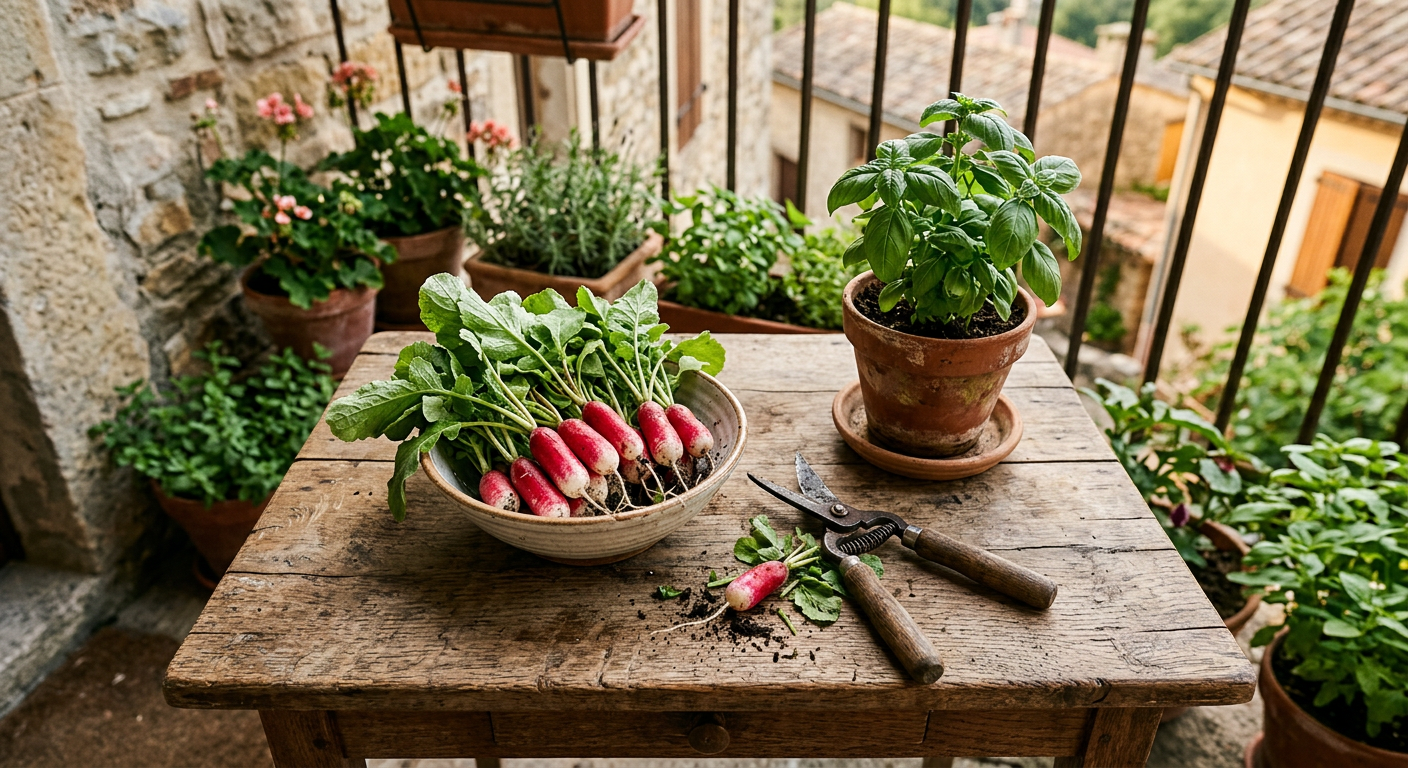
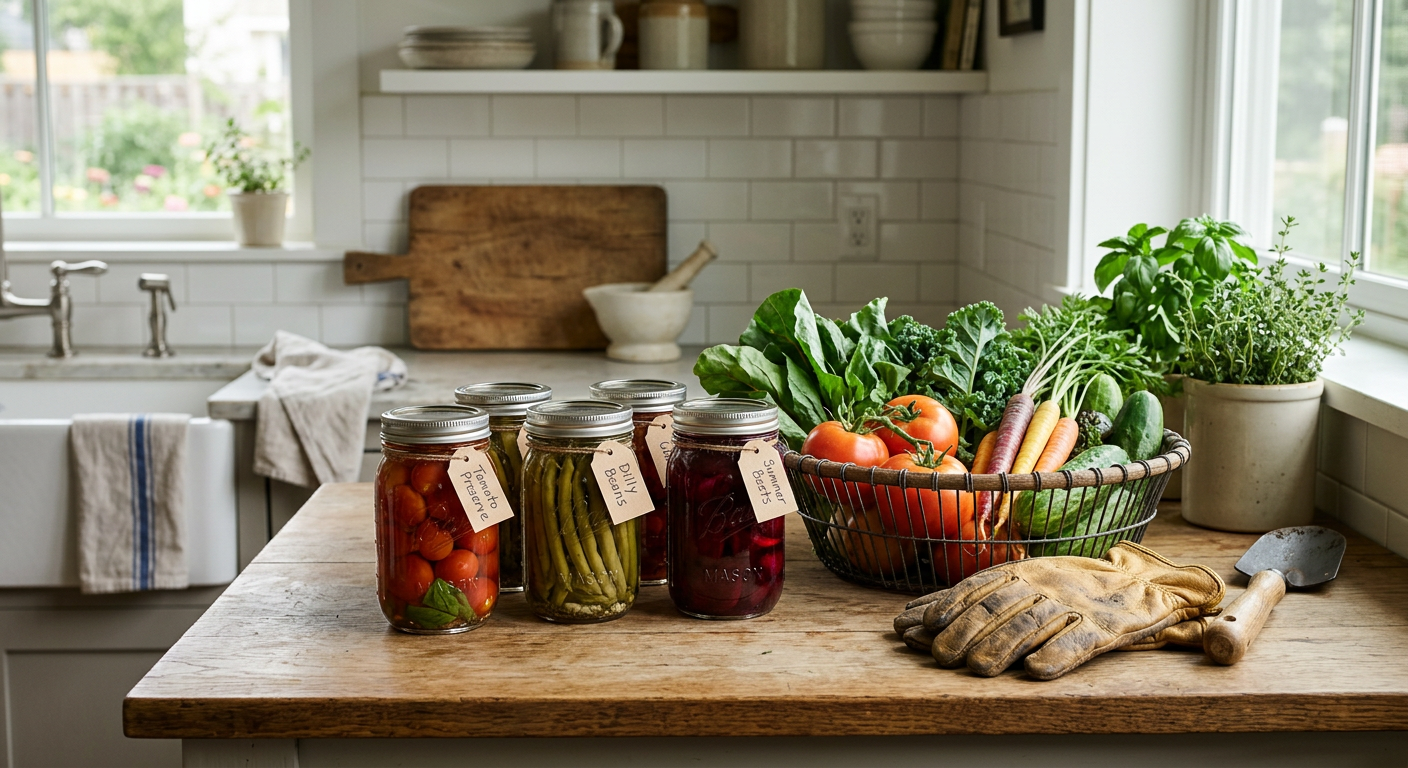
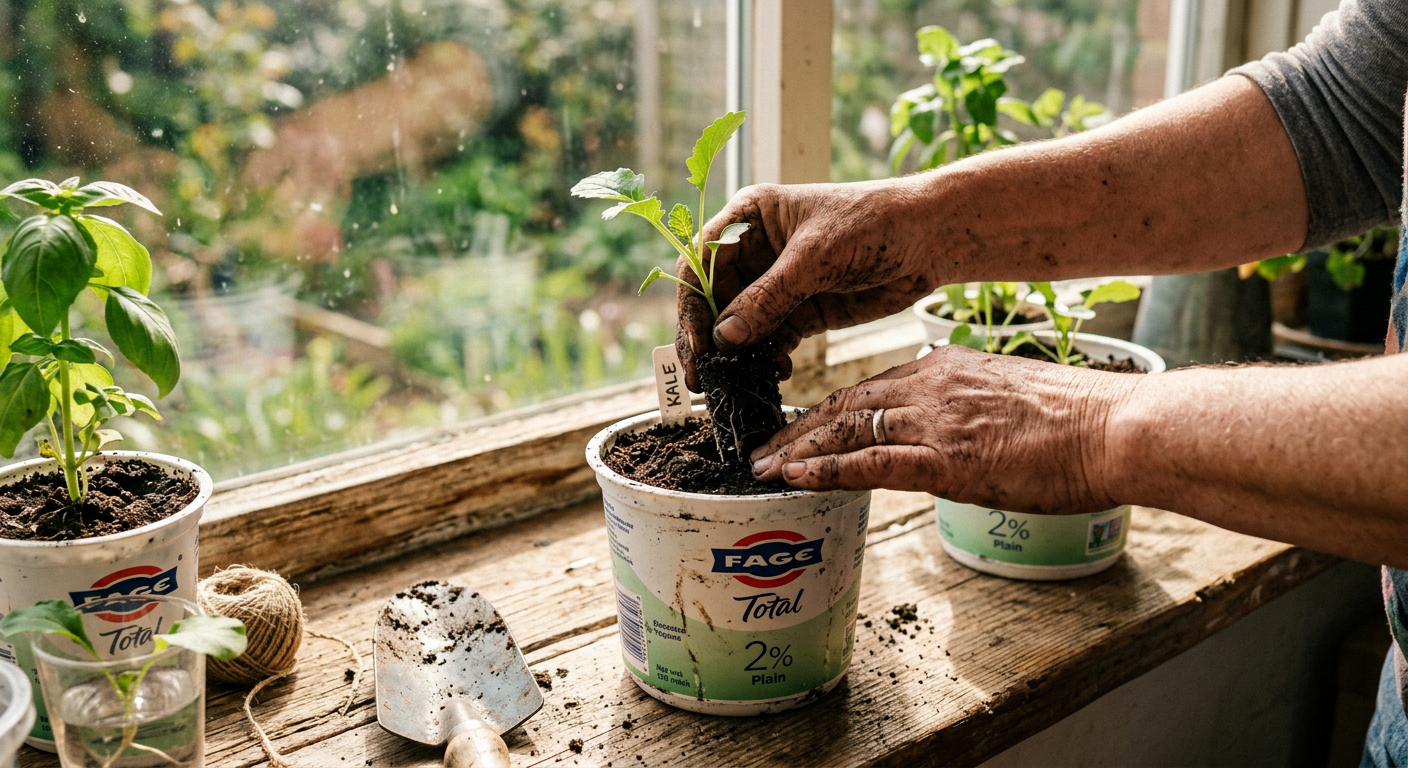
!A clean setup for starting worm compost bin small apartment under a kitchen sink.
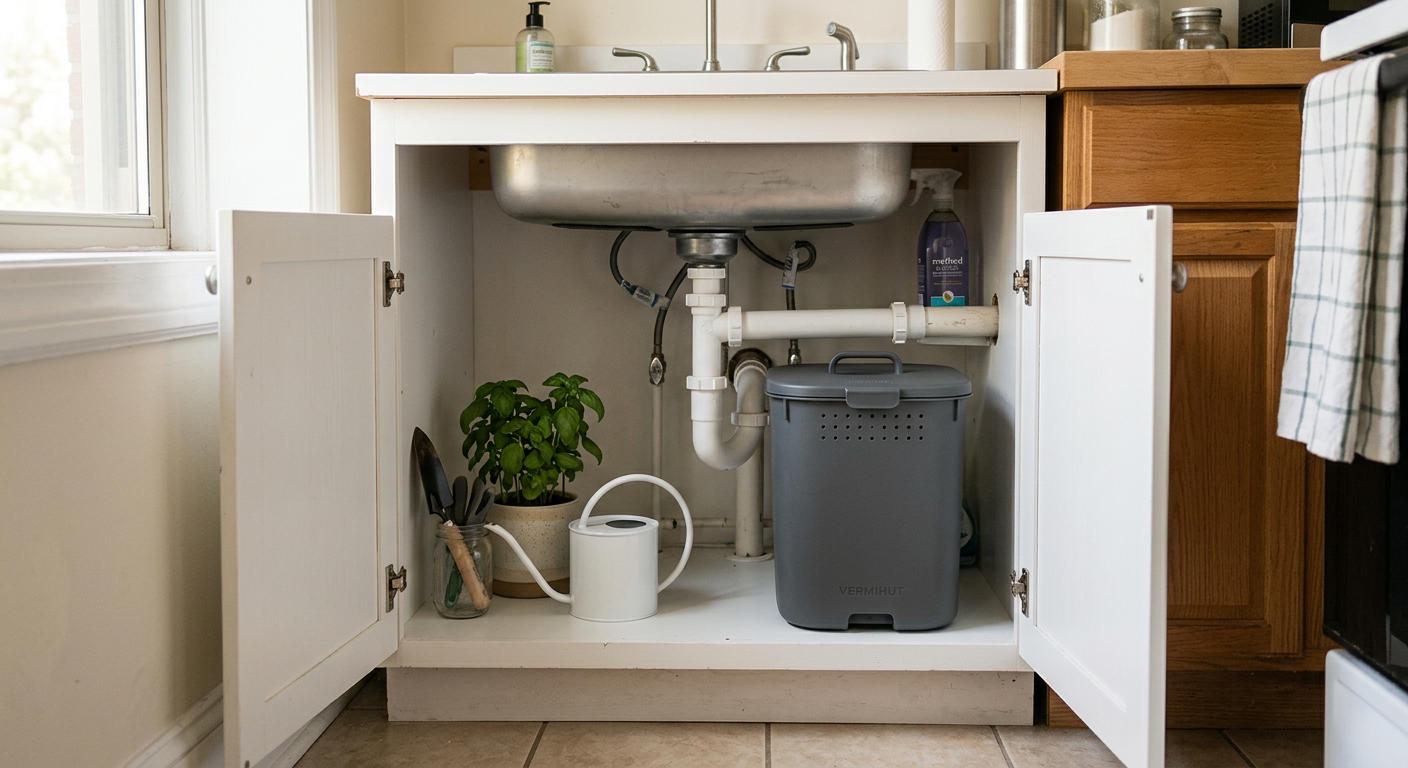
I still remember the guilt. We were in a 600-square-foot apartment, dreaming of land, and every single day I’d scrape coffee grounds, carrot peels, and apple cores into the trash can. It felt so wrong, like throwing away pure potential. That little plastic bin under the sink was a constant reminder of the life we wanted and the disconnect from the earth we felt, even three stories up.
🎯 Quick Answer: Yes, you can absolutely start a worm compost bin in a small apartment. All you need is a ventilated container, proper bedding like shredded cardboard, the right kind of worms (Red Wigglers), and your kitchen scraps. It’s a clean, odorless, and incredibly rewarding way to create nutrient-rich compost for your houseplants or balcony garden.
🔑 Key Takeaways
* It Doesn’t Smell: A properly managed worm bin smells like fresh earth, not rotting garbage. If it stinks, something is wrong, and it’s usually an easy fix.
* Size Doesn’t Matter: You don’t need a huge setup. A simple 10-gallon tote or a stacked system can fit in a closet, under a sink, or on a small balcony.
Worm Choice is CRITICAL: You need composting worms like Red Wigglers (Eisenia fetida*), not earthworms from your garden. They are surface dwellers and thrive on kitchen scraps.
* Cost is Minimal: A DIY bin can cost less than $20 to set up. It’s one of the most budget-friendly homesteading projects you can do.
* The Output is Pure Gold: The finished compost, called castings, is one of the richest natural fertilizers on the planet. Your plants will thank you.
* It’s a Gateway to Homesteading: This small act connects you to the food cycle and teaches fundamental lessons about decomposition and soil health, core urban homesteading skills.
—
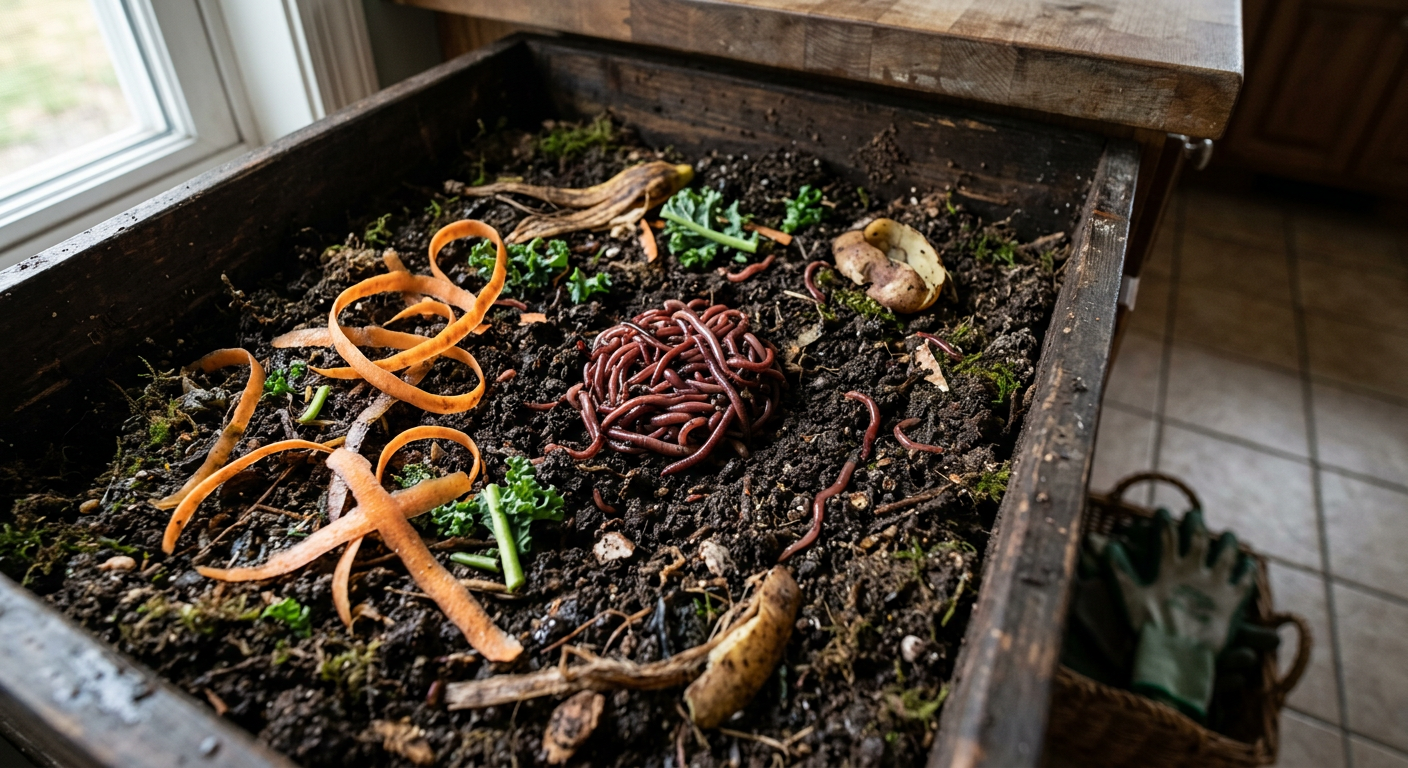
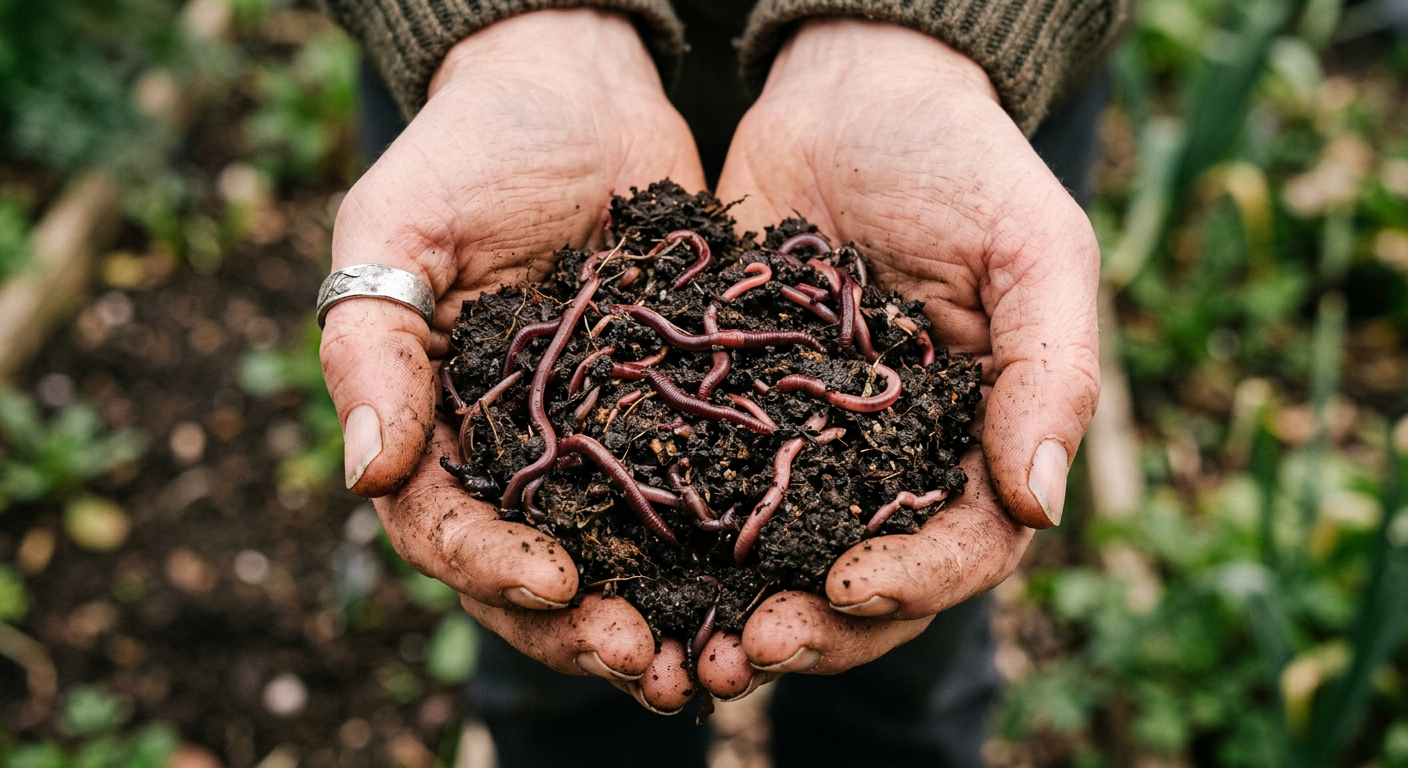
!Red Wiggler worms in rich soil when starting worm compost bin small apartment.
Why Even Bother with a Worm Bin in an Apartment?
Before we had acres, we had a fire escape. And on that fire escape, we had a single, struggling tomato plant in a pot. The first time we amended its soil with our own, homemade worm castings, the change was dramatic. The leaves got greener, the stem got thicker, and we actually got three ripe tomatoes that summer. Three! It felt like a massive victory.
That’s the ‘why’. It’s not just about reducing landfill waste, which is a great bonus. It’s about closing a loop. It’s about taking something you would throw away and transforming it into life-giving food for your plants. This is the heart of homesteading, and you can start right now.
Even if you don’t garden, someone you know does. A baggie of worm castings is the best gift you can give a fellow plant lover. It’s a tangible piece of your self-sufficiency journey, a story in a handful of dark, rich soil.
We found that starting with small, manageable projects like this built our confidence for the bigger challenges to come. Now, let’s get you set up.
Keep reading — this is where most people mess up.
Starting Your Worm Compost Bin in a Small Apartment: DIY vs. Store-Bought
You have two main paths here: build it yourself or buy a ready-made system. We’ve done both.
The DIY Bucket Method (Our First Bin)
This is the cheapest and, in my opinion, the best way to start. It’s a low-risk way to see if vermicomposting is for you. It’s a perfect project when you’re homesteading on a budget.
* Cost: Around $18.
* Materials: Two identical, opaque 5-gallon buckets ($10), one lid ($2), and a drill with a 1/4″ bit.
* The Build (15 minutes):
1. Take one bucket (the “inner” bucket). Drill 15-20 holes in the bottom for drainage. Drill another 10-15 holes around the upper rim for air circulation.
2. Take the lid. Drill 10-15 holes in it for more airflow.
3. Place the drilled bucket inside the undrilled bucket. The bottom bucket will catch the liquid compost, or “worm tea.”
4. Put the lid on top. Done.
It’s not pretty, but it’s brutally effective. This exact setup lived in the coat closet of our second-floor apartment for a year.
The Store-Bought Option
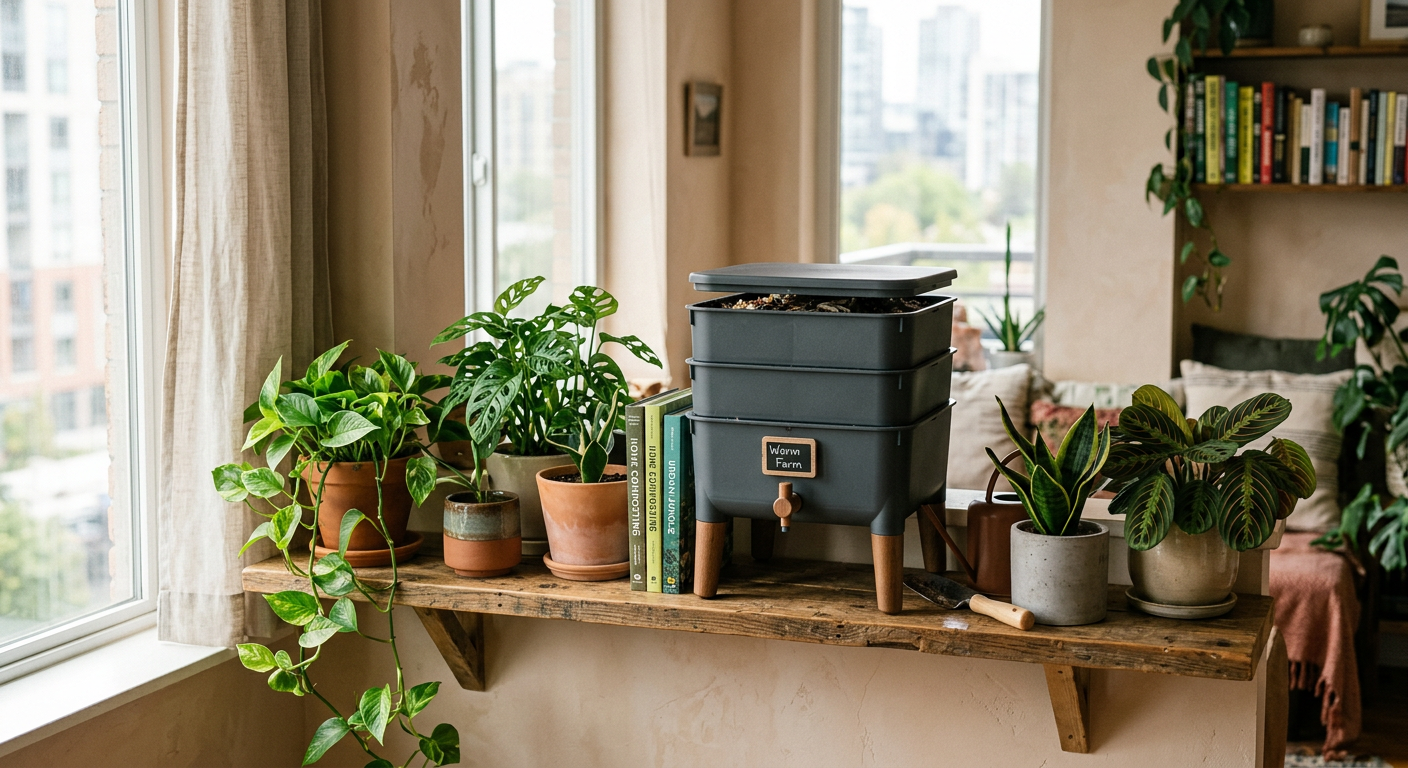
After a year, we upgraded to a Worm Factory 360. These are tiered systems that are a bit more efficient and easier to harvest from. They look cleaner, which might be a factor if your bin has to be visible.
* Cost: $120 – $180.
* Pros: Easy harvesting (you just add a new tray on top and the worms migrate up), built-in spigot for worm tea, looks much neater.
* Cons: The price. It’s a significant investment when you’re just starting.
My advice? Start with the DIY bucket. If you love it and stick with it for six months, treat yourself to an upgrade.
Next, we’ll fill that bin with the right stuff to make your worms feel at home.
—
Getting Your Worms & Perfecting the Bedding
This is the most critical step in starting a worm compost bin in a small apartment. You can’t just go dig up worms in a park. It won’t work.
The Right Worms
You need composting worms. The gold standard is the Red Wiggler (Eisenia fetida). They live in decaying organic matter, not deep soil, and they have voracious appetites. A pound of Red Wigglers can eat about half a pound of food scraps per day.
* Where to buy: We ordered our first pound online from Uncle Jim’s Worm Farm. They arrived in a cloth bag, alive and wriggling. You can also find them at local garden centers or sometimes on Craigslist or Facebook Marketplace from other composters.
* How many: For a small apartment, one pound (about 1000 worms) is plenty to start. They will regulate their population based on the space and food you provide.
Creating the Bedding
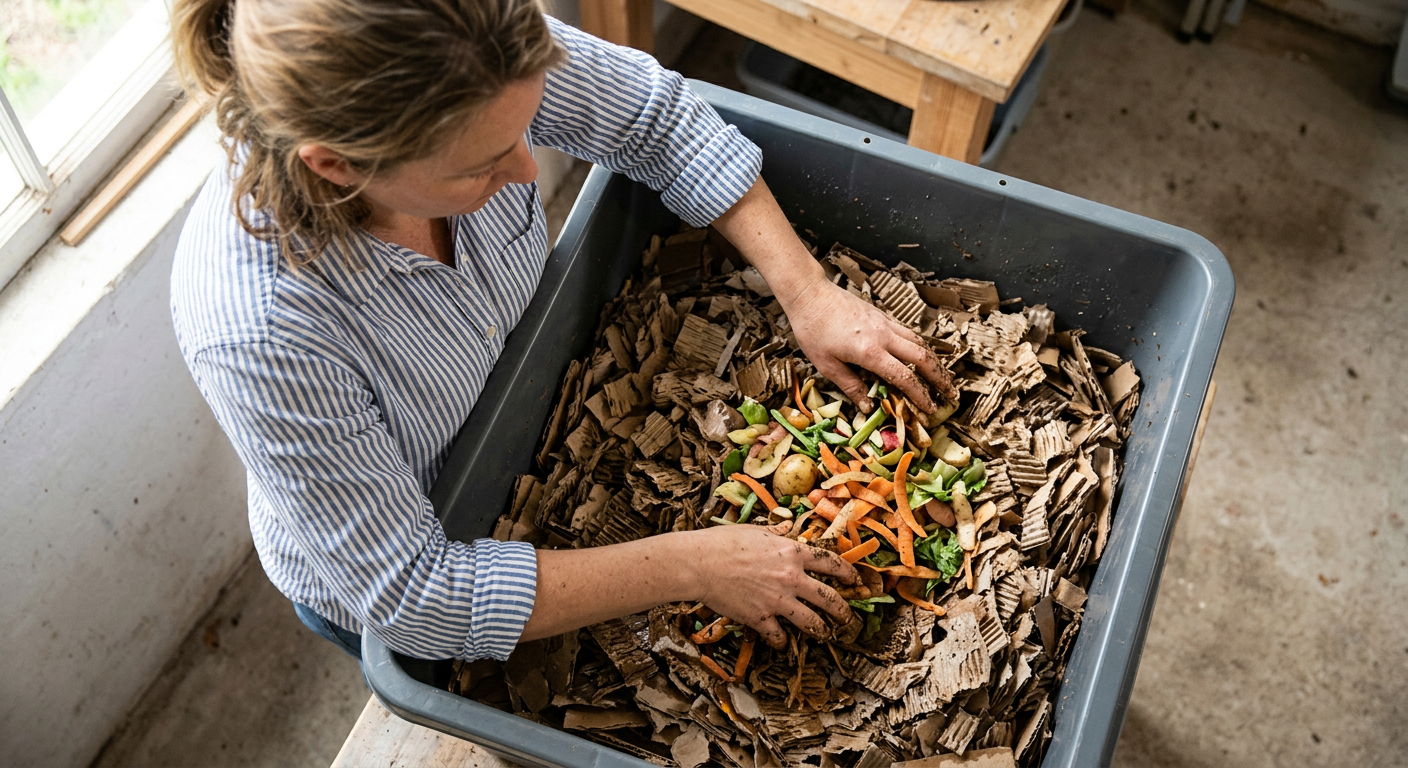
The bedding is your worms’ home. It needs to be fluffy, moist, and carbon-rich. Your goal is to mimic their natural habitat: a pile of damp leaves on the forest floor.
Once the bedding is in, gently place your new worms on top. They’ll likely burrow down immediately to escape the light. Leave them alone for a few days to acclimate before you start feeding them.
Now for the fun part: feeding your new pets.
—
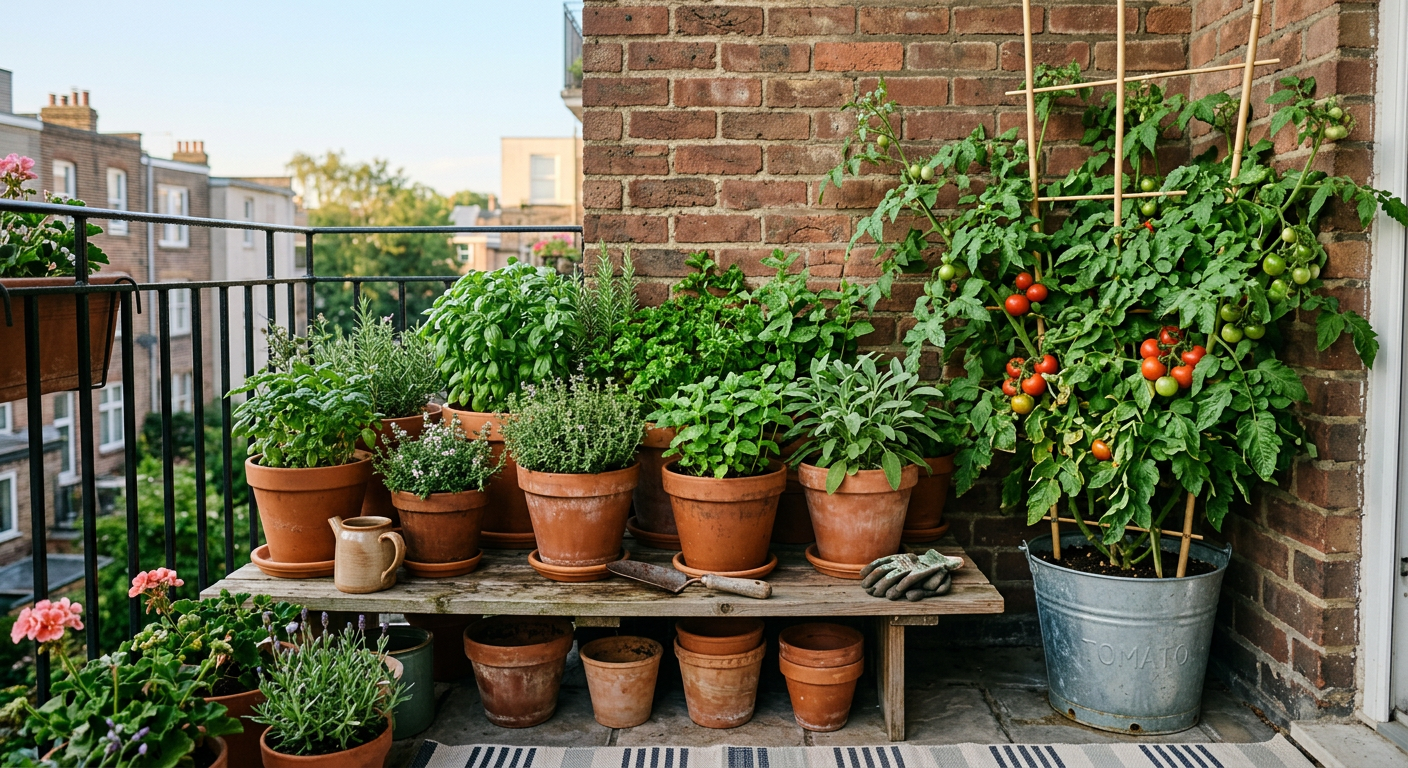
!A stylish vertical system for starting worm compost bin small apartment next to indoor plants.
What to Feed (and What KILLS) Your Worms
I’ll never forget the smell. We thought we could compost anything. We threw in some leftover orange peels and a spoonful of oily pasta. Within three days, the bin smelled sour and acrid, and we had a full-blown fruit fly invasion. Lesson learned.
Your worms are living creatures, not a garbage disposal. Stick to a simple diet and they will be happy and productive.
The Good List (Feed Liberally) ✅
* Vegetable Scraps: Carrot peels, lettuce cores, potato peels, celery ends. (Chop them up to speed up decomposition).
* Fruit Scraps (in moderation): Apple cores, banana peels, strawberry tops. Avoid too much citrus as it’s acidic.
* Coffee Grounds & Tea Bags: Worms LOVE coffee grounds. We saved ours in a yogurt container all week.
* Crushed Eggshells: A fantastic source of calcium that helps with worm reproduction and balances pH.
* Stale Bread & Grains: In small amounts.
The Bad List (Never Feed This) ⚠️
* Meat, Poultry, Fish: These will rot, smell horrific, and attract pests.
* Dairy Products: Cheese, yogurt, milk. Same as above.
* Oily or Greasy Foods: Oil coats the worms’ skin, and they breathe through their skin. You’re essentially suffocating them.
* Citrus & Onions (in large amounts): Too acidic and can create a smelly, hostile environment. A little bit is okay, but don’t dump a whole bag of orange peels in there.
* Pet Waste: Can contain pathogens that you don’t want in your compost.
When you feed them, bury the food scraps under the bedding. This prevents smells and discourages fruit flies. Don’t just dump it on top.
—
💡 Pro Tips
* We learned the hard way that over-watering is the #1 killer. Your food scraps add a lot of moisture. Only add water (a spray bottle works best) if the bedding feels dry to the touch.
* Don’t overfeed! Especially in the first month. Start with a small handful of scraps once a week. If they eat it all in a few days, you can add a bit more. If food is piling up, back off.
* Harvesting the ‘black gold’ is easier than you think. When the bin is mostly dark, rich castings, just move all the contents to one side. Add fresh, damp bedding to the empty side. For the next few weeks, only feed on the new side. Most of the worms will migrate over, and you can scoop out the finished compost, worm-free. That finished compost was a game-changer for our container garden, a topic we cover in our guide on Essential Homesteading Tools which includes good trowels and pots.
* Crush your eggshells. We keep a mortar and pestle by the sink, but a rolling pin and a plastic bag work too. The finer the powder, the faster they can use it. This simple step made our bin so much healthier.
—
⚠️ Beginner Mistakes to Avoid
* Forgetting about it. I did this. Went on a week’s vacation, came back, and the bin was bone dry. I had to spend an hour carefully re-moistening everything. Check your bin at least twice a week. Just lift the lid and take a peek.
* Panicking over other critters. Sometimes you’ll see tiny white mites or springtails. They are harmless decomposers and a sign of a healthy ecosystem. The only bugs you need to worry about are flies (a sign of exposed food) or maggots (a sign you added meat/dairy). We even found that our system for managing pests sustainably on the farm started with lessons from this little worm bin.
* Using the wrong worms. A friend tried to start a bin with worms from his lawn. They all died or tried to escape within a week. Nightcrawlers are burrowers; Red Wigglers are surface feeders. Use the right tool for the job.
* Harvesting too soon. Be patient. It takes 3-4 months for a new bin to produce a significant amount of finished castings. It’s not an instant process.
—
Frequently Asked Questions
H3: Will my apartment smell bad if I have a worm compost bin?
Absolutely not. A healthy, well-maintained worm bin smells like damp earth or a forest after it rains. If it smells bad (sour, rotten, or like ammonia), it means something is off balance – usually too much food, the wrong kind of food, or too much moisture.
H3: How many worms do I need to start a bin in my small apartment?
For a typical apartment household (1-2 people), starting with one pound of Red Wigglers (about 1,000 worms) is perfect. This is enough to process a few pounds of food scraps per week once they are established. They will multiply over time to match the amount of food you provide.
H3: What is ‘worm tea’ and what do I do with it?
‘Worm tea,’ or leachate, is the liquid that drains to the bottom of your bin. It’s packed with nutrients. We used to dilute it (1 part leachate to 10 parts water) and use it to water our houseplants once every couple of weeks. Be aware, as the University of Florida Extension points out, true ‘worm tea’ is actively brewed, while leachate is just drainage. Still, it’s a great liquid fertilizer!
H3: Can I go on vacation? What will happen to my worms?
Yes! This is one of the best parts. Worms are incredibly low-maintenance. If you’re gone for 1-2 weeks, just give them a good feeding before you leave and make sure the bedding is properly moist. They will be perfectly fine. For longer trips (3-4 weeks), a larger feeding of things that break down slowly (like a whole pumpkin top) will keep them happy.
—
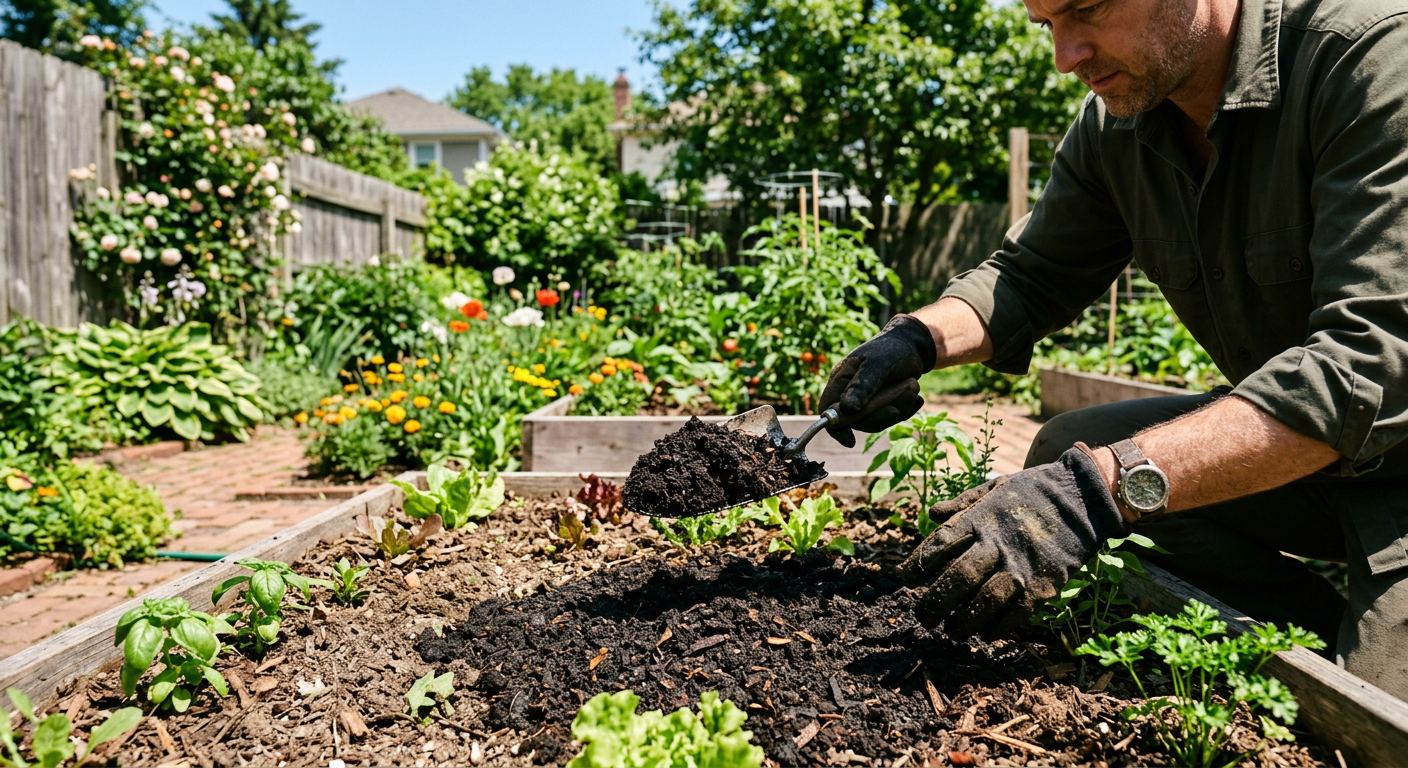
!Preparing bedding and scraps for starting worm compost bin small apartment.
You Can Do This. Start Today.
Starting that first worm bin was about more than just compost. It was a declaration. It was us, in our tiny apartment, choosing to participate in the cycle of life instead of just being consumers. It was our first real ‘homestead’ project, long before we had a single acre to our name.
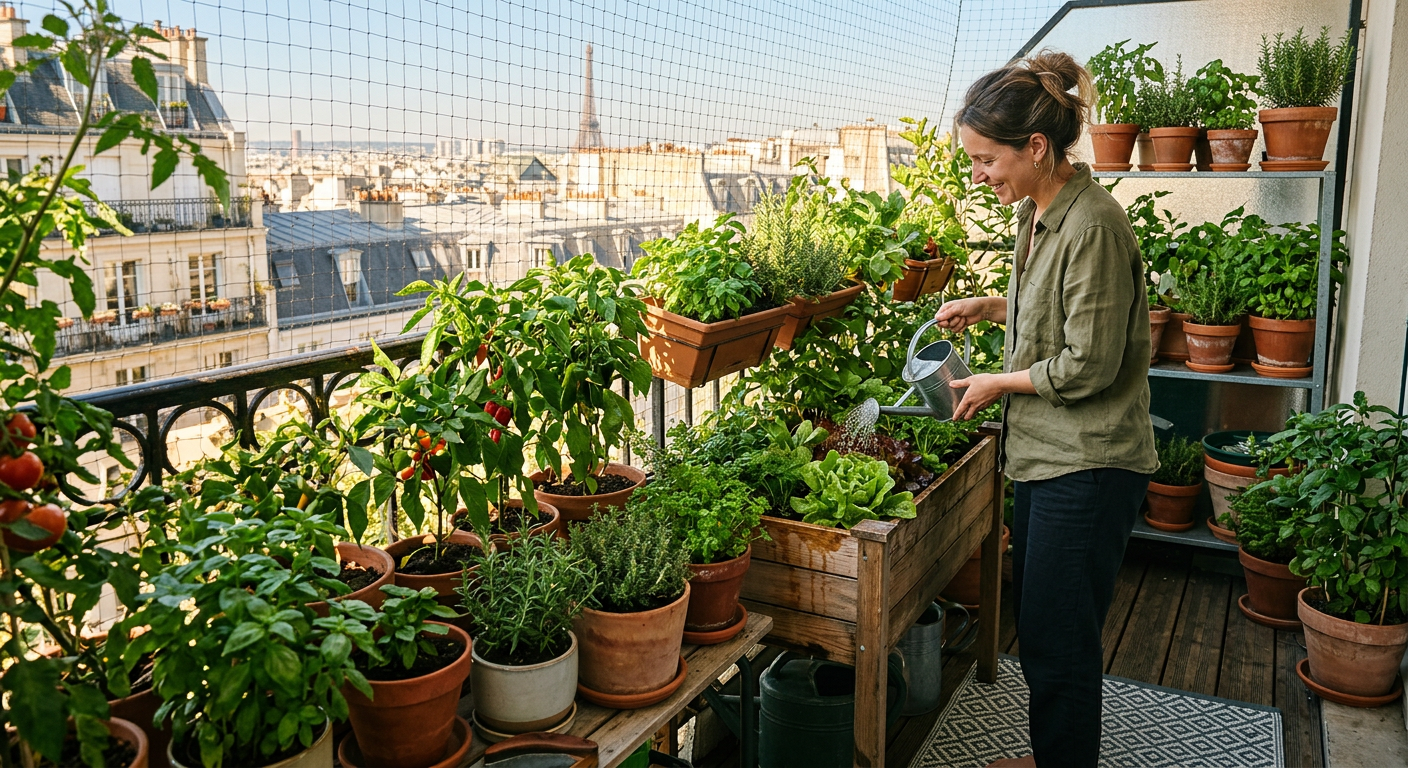
It taught us patience and observation, two of the most critical homesteading skills. And the feeling of using your own, homemade compost to grow even a single cherry tomato on a balcony is a pride that’s hard to describe.
If you want more day-to-day peeks into our (now much larger) composting systems and other homestead projects, be sure to follow us on Facebook!
What’s the first thing you’d want to grow using your own black gold? Drop a comment below and let us know!
📚 More From Our Homestead
- Low Cost Off-Grid Heating: Our Honest Guide
- Our Sourdough Cottage Industry: Selling Bread From Home
- 5 Essential Skills for a Self-Sufficient Homestead
- Breeding Rabbits for Meat Production: Our Max Yield Guide
- Introduce New Chickens to Your Flock Peacefully
Ready to Start Your Homestead Journey?
Free guides, checklists, and tools to help you build your dream homestead.