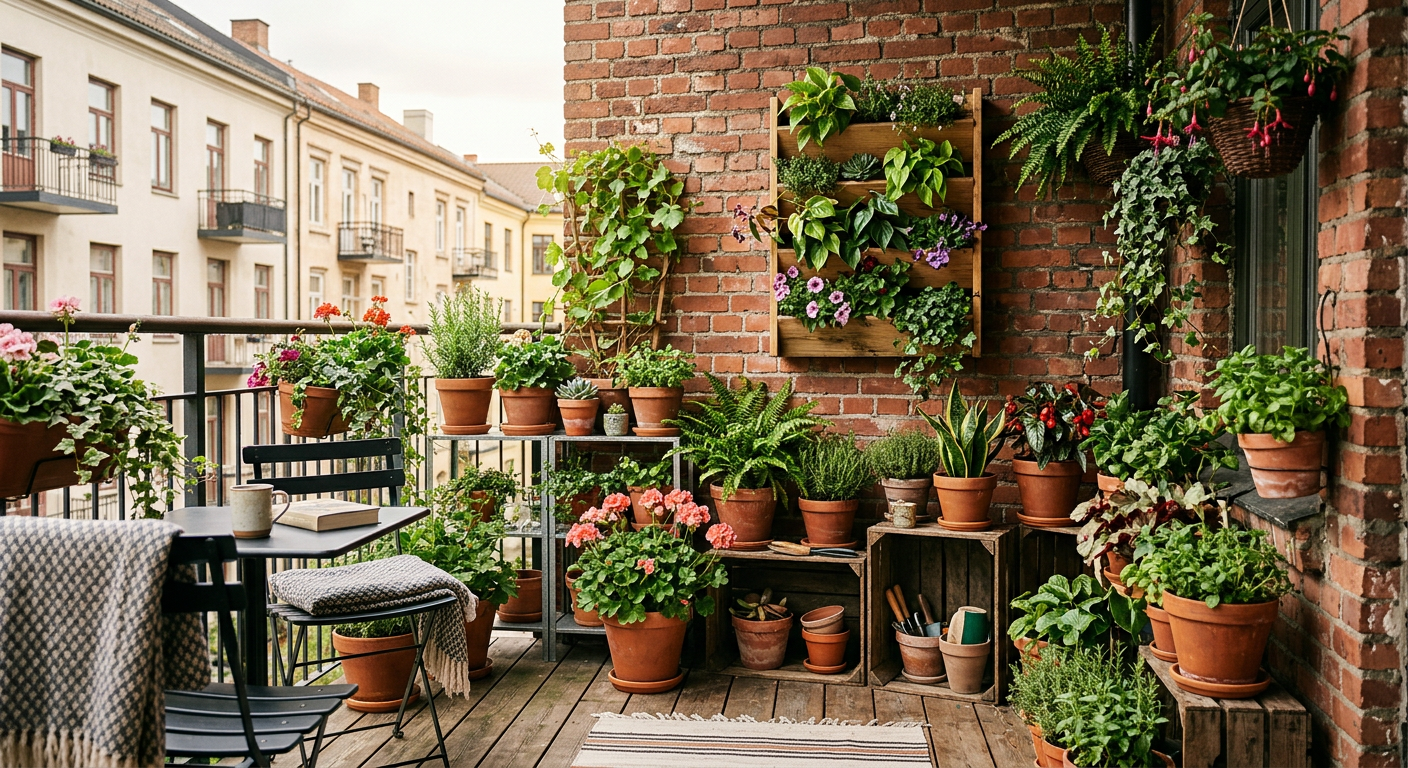
You don’t need a 100-acre ranch to call yourself a homesteader; sometimes, all you need is a couple of pots and a sunny railing. I remember staring at my tiny third-floor concrete slab thinking it was impossible to grow anything, but six months later, I was harvesting fresh salads every single night. The truth is, self-sufficiency isn’t about the size of your land, it’s about the size of your ambition.
🎯 Quick Answer: To learn how to start urban homesteading small balcony spaces, focus on vertical gardening, high-yield container crops like greens and herbs, and small-scale solutions like worm composting. Start with just three pots and expand as you master the unique microclimate of your balcony.
—
🔑 Key Takeaways
* Maximize Vertical Space: Use walls and railings to double your growing area.
* Choose High-Value Crops: Focus on plants that are expensive at the store but easy to grow.
* Master the Microclimate: Understand how wind, sun, and heat reflect off your apartment walls.
* Scale Sustainably: Learn why starting with two plants is better than starting with twenty.
* Circular Systems: Incorporate small-scale composting to eliminate waste and feed your soil.
—
Assess Your Balcony’s Unique Microclimate
Before you buy a single bag of soil, you have to play detective. Urban balconies are strange beasts—they are often significantly hotter than the ground level because concrete and brick soak up solar heat all day and radiate it back at night.
First, track your sun exposure. Most vegetables need at least 6 hours of direct sunlight, but if you have a north-facing balcony, don’t panic! You can still thrive with leafy greens and herbs like mint or parsley that tolerate shade.
Keep reading — this is where most people mess up.
Wind is the silent killer of the urban garden. On higher floors, the wind can dry out a pot in a matter of hours or even snap delicate stems. If you’re on a high floor, consider installing a mesh windbreak or choosing sturdier, low-profile plants.
Now that you know your environment, let’s talk about the gear that actually fits in a 4×8 space.
Choosing the Right Containers and Soil
When you’re learning how to start urban homesteading small balcony gardens, weight is a major factor. You can’t just throw heavy clay pots and farm dirt onto a balcony without considering structural limits and drainage.
Go for lightweight materials like resin, fabric grow bags, or high-quality plastic. Fabric bags are a personal favorite because they prevent ‘root circling’ and allow the soil to breathe, which is vital in humid city summers.
Never use ‘topsoil’ from the ground. It’s too heavy and doesn’t drain well in pots. Instead, invest in a high-quality organic potting mix. Look for ingredients like coco coir or peat moss, perlite for drainage, and a bit of compost for nutrients.
But here’s the secret: even the best soil won’t help if your water runs straight onto your neighbor’s patio below. Always use saucers or a self-watering system to keep the peace with the folks downstairs.
Vertical Gardening: The Ultimate Space Hack
If you only grow on the floor, you’re missing out on 70% of your potential harvest. Vertical gardening is the backbone of the urban homestead. Look at your walls and railings as prime real estate.
Wall-mounted planters, pockets, and trellises allow you to grow ‘up’ instead of ‘out.’ You can grow cucumbers, snap peas, and even small melons on a sturdy trellis leaning against the building wall.
Don’t skip this — it’ll save you hours (and money).
Railings are perfect for ‘saddlebags’ or hanging planters. I love using these for strawberries and trailing herbs like thyme. Just make sure everything is securely fastened; a falling pot is a homesteader’s worst nightmare.
Once your plants are climbing the walls, you’ll need a way to keep them fed without buying chemical fertilizers. That’s where the ‘hidden’ homesteading comes in.
Small-Scale Composting and Sustainability
Yes, you can compost on a balcony without the smell! A traditional pile won’t work, but a worm bin (vermicomposting) or a Bokashi bucket is perfect for apartment dwellers.
Vermicomposting uses red wiggler worms to turn your kitchen scraps into ‘black gold.’ A small, ventilated plastic bin under a bench can process several pounds of scraps a week. It’s silent, odorless when done right, and provides the best fertilizer on earth.
Bokashi is another great option. It’s a fermentation process that allows you to compost almost anything—including meat and dairy—which aren’t usually allowed in standard composting. It happens in a sealed bucket, making it a dream for small spaces.
This next part? Nobody talks about it, but it changed everything for us.
By closing the loop and turning your waste into soil, you’re creating a miniature ecosystem. You’re no longer just a consumer; you’re a producer. Now, let’s make sure you don’t fall into the common traps that break most beginners.
—
💡 Pro Tips
* Use ‘Cut and Come Again’ Greens: Instead of harvesting a whole head of lettuce, snip the outer leaves. The plant will keep growing, providing food for months.
* Automate Your Watering: A simple drip irrigation kit with a battery-powered timer is a lifesaver if you travel or get busy.
* Pot in Groups: Putting pots closer together creates a humid ‘micro-microclimate’ that helps plants survive extreme heat waves.
* Label Everything: You think you’ll remember what kind of tomato that is, but three months later, it’s a mystery. Use permanent markers on wooden stakes.
—
⚠️ Beginner Mistakes to Avoid
* Overwatering: More balcony plants die from ‘kindness’ (too much water) than from neglect. Wait until the top inch of soil is dry.
* Buying ‘Big’ Varieties: Look for ‘Bush’ or ‘Patio’ labels on seeds. Growing a standard 8-foot beefsteak tomato on a balcony is a recipe for frustration.
* Ignoring Pests: Aphids and spider mites love city balconies. Check the undersides of leaves once a week so you can catch issues early.
* Forgetting the Bees: If you’re high up, pollinators might not find you. Plant some lavender or marigolds to invite them to the party.
—
Frequently Asked Questions
Can I really grow enough food to make a difference?
While you likely won’t grow 100% of your calories, you can absolutely grow 100% of your herbs and a significant portion of your fresh greens. The nutritional value of ‘picked 5 minutes ago’ produce is also much higher than store-bought.
Is it expensive to start a balcony homestead?
It doesn’t have to be! You can upcycle food-grade buckets, start plants from seeds instead of buying starts, and make your own fertilizer with a worm bin. Start small and reinvest your savings into better gear over time.
How do I handle the wind on a high-floor balcony?
Use heavy pots (like glazed ceramic) for the base and secure lightweight pots to the railing with zip ties. Use ‘living windbreaks’ like tall, sturdy grasses to protect more delicate herbs.
Do I need to worry about the weight on my balcony?
Generally, modern balconies can handle about 50-100 lbs per square foot. Use lightweight potting soil and plastic/fabric pots to stay safe. Avoid heavy stone statuary or massive wooden raised beds.
—
Your balcony is a blank canvas waiting to be turned into a lush, productive sanctuary. There is a deep, quiet thrill in eating a sandwich with tomatoes and basil you grew just three feet from your kitchen door. Don’t wait for ‘someday’ when you have land—start where you are.
What’s your biggest challenge with starting an urban garden? I’d love to hear your story in the comments!
📚 More From Our Homestead
- Zero Budget Homestead: How to Begin Homesteading with No Money
- Mastering Practical Skills for Self-Sufficiency at Home
- Basic Food Preservation for Beginners: Our Family’s Go-To Methods
- Homesteading Hacks: Save Serious Money on Groceries!
- How to Make Money From a Small Homestead
Ready to Start Your Homestead Journey?
Free guides, checklists, and tools to help you build your dream homestead.
Leave a Reply