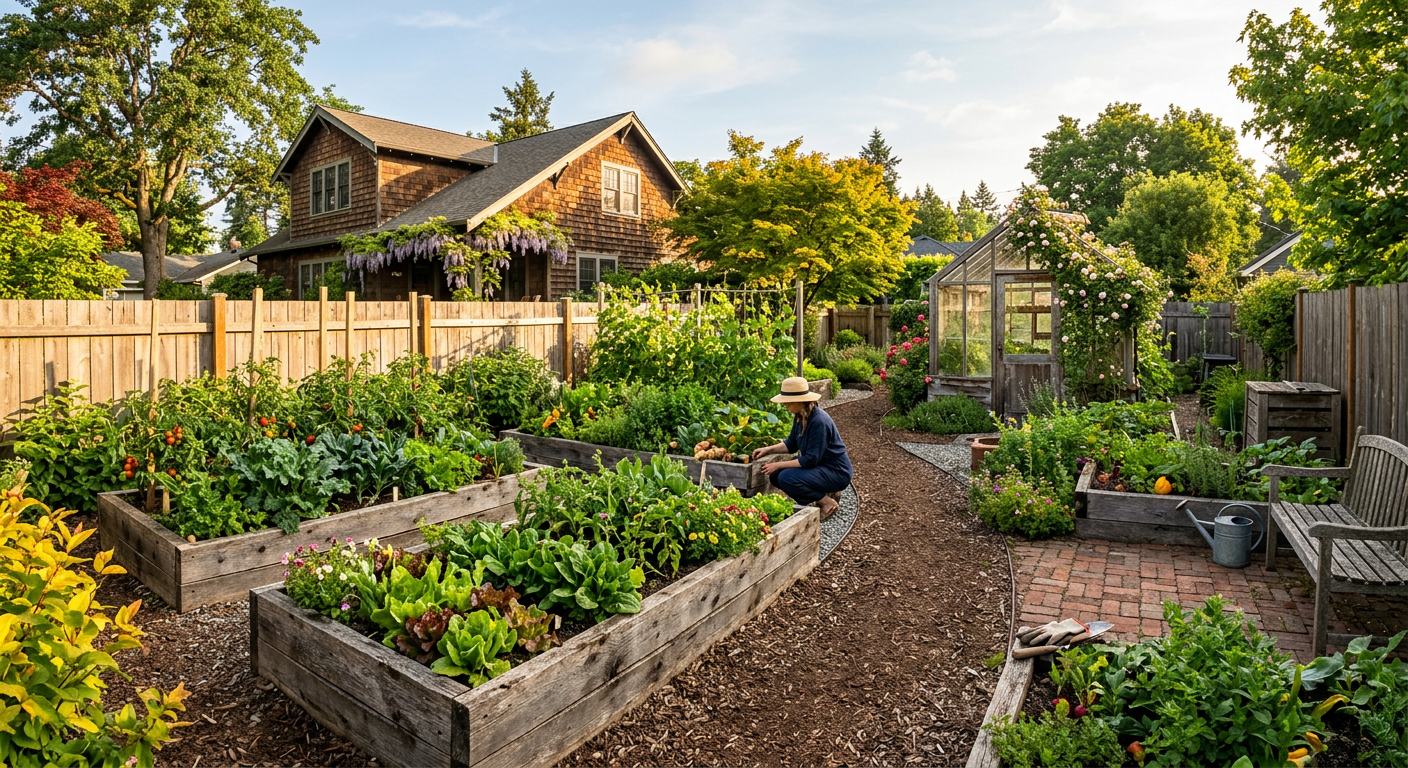
When we first started dreaming of a more self-sufficient life, we pictured sprawling acres, expensive livestock, and fancy equipment. The reality? We had next to nothing in savings, two hungry kids, and a tiny backyard in the suburbs. We truly wondered how to begin homesteading with no money.
Then we realized something profound: homesteading isn’t about buying a farm; it’s about a mindset of resourcefulness and self-reliance, no matter your starting point. Our journey proved that you absolutely can homestead without a big budget. It just takes creativity, sweat equity, and a willingness to learn.
🎯 Quick Answer: You can indeed begin homesteading with no money by focusing on free resources, skill-building, scavenging, bartering, and maximizing your current space. Start small, cultivate a resilient mindset, and let your journey evolve as you gain experience and resources.
—
🔑 Key Takeaways
* Embrace Resourcefulness: Learn to see waste as potential and transform discards into assets.
* Skill Over Spend: Prioritize acquiring practical skills like gardening, preserving, and foraging over buying expensive tools initially.
* Start Small & Local: Focus on what you can achieve in your current space, even an apartment balcony or small yard.
* Barter & Network: Connect with your community; trade skills, excess produce, or labor instead of cash.
* Free Education is Key: Utilize libraries, free online courses, and local workshops to gain knowledge.
* “No Money” Doesn’t Mean “No Effort”: This path requires significant time, dedication, and problem-solving.
—
Rethinking What “Homesteading” Means
For many folks, the image of a homesteader is someone living on 40 acres with a barn full of animals and a pantry overflowing with homegrown food. While that’s certainly a beautiful vision, it often comes with a hefty price tag that can be discouraging. We certainly felt that pressure early on.
But for us, and for many others we’ve met along the way, homesteading is about actively reducing our reliance on external systems – whether that’s the grocery store, the power company, or even the municipal water supply. This can happen anywhere, and importantly, it can start with very little capital. Our first “homestead” was a rented house in the city with a tiny patch of dirt.
Defining Your “Zero Budget” Start
When we talk about how to begin homesteading with no money, we’re really talking about prioritizing skills, leveraging existing resources, and being incredibly creative. Your starting point might be a few pots on a patio, learning to bake your own bread, or figuring out how to fix things instead of buying new ones. It’s about self-sufficiency at its core, not a property size or a bank account balance.
Keep reading — this is where most people mess up.
Our initial steps were all about small wins that built confidence and saved us pennies. We learned to make our own cleaning supplies, mend clothes, and grow a few herbs in pots. These tiny victories were incredibly empowering and didn’t cost a dime. Next, let’s dive into some practical ways to get started without opening your wallet.
—
Cultivating a Garden from Scratch (for Free!)
Growing your own food is arguably the cornerstone of homesteading, and it’s one of the best areas to begin with no money. We literally started ours with scavenged materials and free seeds.
Scavenging for Supplies
Forget fancy raised beds! Our first garden beds were made from old tires we found curbside, discarded wooden pallets, and even old bathtubs. Look on local community groups (like Facebook Marketplace’s “Free Stuff” sections) for people giving away broken pots, concrete blocks, or even old lumber. Construction sites often have scrap wood they’d be happy for you to haul away.
Compost is Gold: Start a compost pile immediately*. Food scraps, yard waste, even newspaper – it all breaks down into rich soil. This is absolutely free and will save you from buying bags of soil down the line. We collected coffee grounds from local cafes for years.
* Seed Saving & Swaps: Don’t buy new seeds. Save seeds from produce you eat (tomatoes, peppers, squash). Connect with local gardening groups; experienced gardeners often have excess seeds they’ll gladly share. Libraries sometimes even have seed libraries now! We actually sourced about 80% of our first garden’s seeds through swaps.
Propagating and Foraging for Food
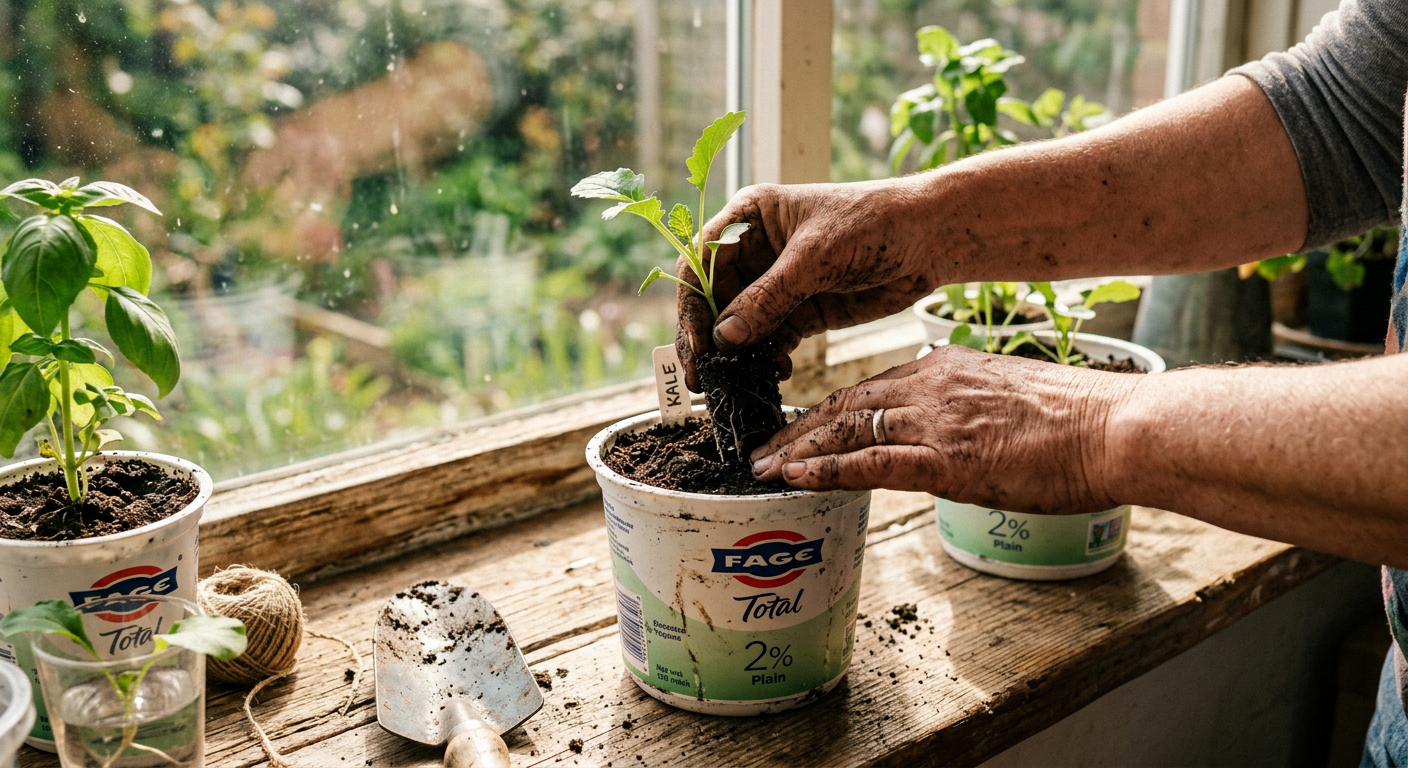
Many plants can be grown from cuttings, not just seeds. Potatoes can sprout from old spuds, and herbs like mint, basil, and rosemary root easily in water. We’ve even grown pineapple from the top of a store-bought fruit!
Foraging for edible wild plants is another fantastic, free way to supplement your diet. Dandelions, clover, plantain, and wild berries grow in many areas. Just be absolutely certain of your identification before consuming anything. Invest in a good local foraging guide from your library. Check out resources like your local university extension office for guides on edible plants in your region (e.g., USDA Plants Database).
This next part? Nobody talks about it, but it changed everything for us.
Once you begin to create your garden, you’ll want to think about how to manage pests without chemicals or costly solutions. Our experience taught us that a movable chicken tractor can work wonders for pest control and soil fertilization, without needing a permanent coop. You can even build a movable chicken tractor for sustainable pest control from scavenged materials.
—
Building Skills and Knowledge (Free Resources)
Money might be tight, but time is an investment you can make. The most valuable assets on a homestead aren’t necessarily bought; they are learned. Your hands and your brain are your most powerful tools when you try to begin homesteading with no money.
Library Powerhouse
Our local library was, and still is, an absolute treasure trove. We borrowed countless books on gardening, food preservation, basic carpentry, animal husbandry, and even foraging. They often have free workshops on topics like canning or even knitting. Don’t underestimate this resource!
Online Learning Freeness
The internet is brimming with free knowledge. YouTube tutorials on everything from building a compost bin to basic plumbing repairs are invaluable. Look for university extension sites, government agricultural departments (like USDA National Agricultural Library for research), and experienced homesteading blogs (like usehomesteados.com!) for reliable information. We spent many evenings watching videos and reading articles, turning that knowledge into action the next day.
—
Bartering, Community, and Side Hustles
When cash isn’t an option, creativity and connection become your currency. We learned that very quickly when we were first trying to figure out how to begin homesteading with no money.
The Art of Bartering
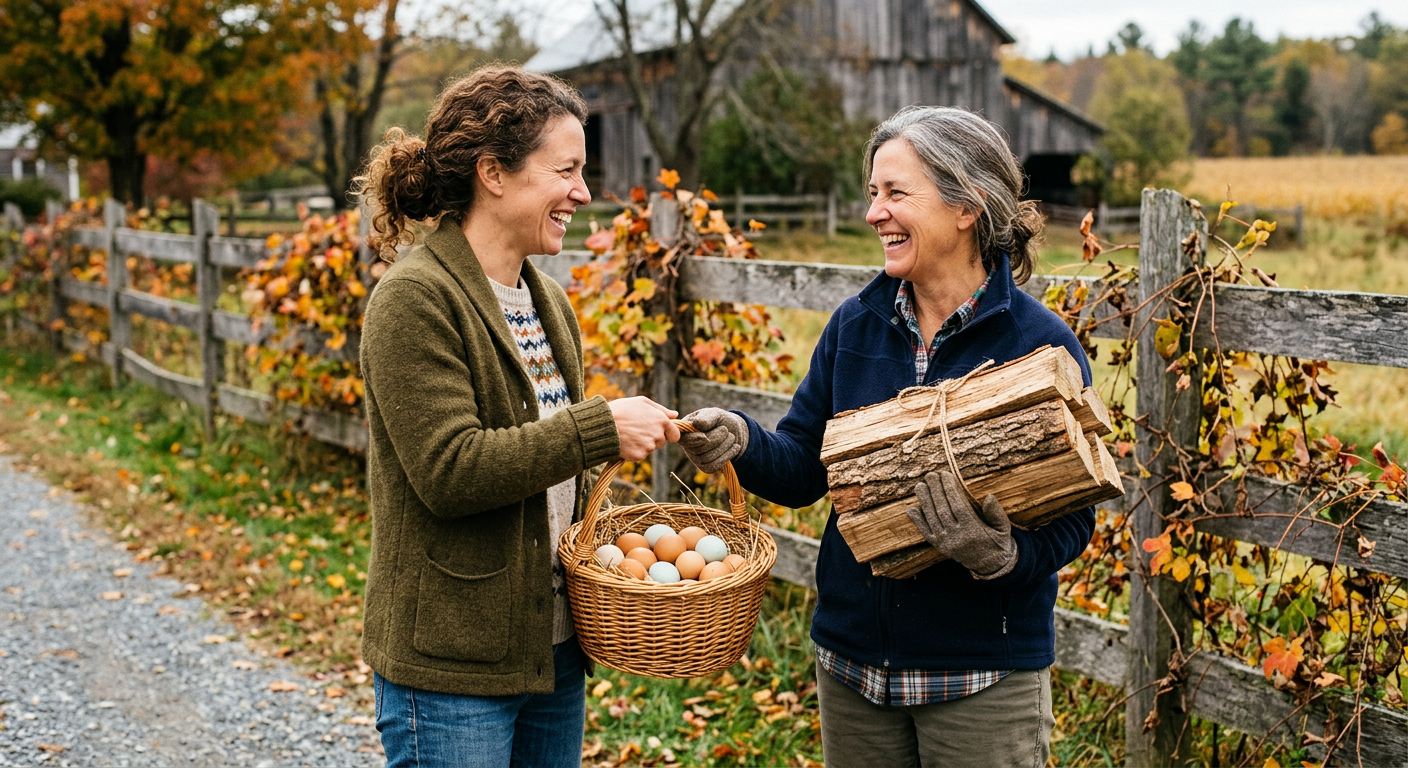
Bartering is ancient, effective, and completely free. Do you have a skill you can offer? Maybe you’re good at mending clothes, baking bread, or pet-sitting. Offer your services in exchange for something you need. We’ve traded homemade sourdough for fresh eggs, garden surplus for help with fence repairs, and our mechanic skills for a pile of seasoned firewood.
* Local Co-ops & Groups: Seek out local food co-ops, community gardens, or homesteading groups. These are ripe with opportunities for collaboration and trading. We found amazing mentors and friends through our local produce swap.
Earning Small Amounts for Big Wins
While the goal is to begin with no initial money, a little bit of income generated through homesteading itself can kickstart bigger projects. Can you sell excess produce from your garden at a farmer’s market? Offer an extra dozen eggs if you get backyard chickens (they practically pay for themselves!). Even selling simple crafts or performing odd jobs for neighbors can generate enough cash for a crucial tool or a bag of chicken feed.
Embracing a “Use It Up, Wear It Out, Make Do, or Do Without” Mentality
This old adage became our family motto. We learned to repair instead of replace, to reuse everything possible, and to be content without luxuries. This mindset shift is powerful. We extended the life of tools, refurbished old furniture, and found new purposes for items others discarded. It’s a key part of how to begin homesteading with no money.
Don’t skip this — it’ll save you hours (and money).
Next, let’s talk about the common pitfalls that can trip up even the most enthusiastic no-money homesteader.
—
Starting Small & Scaling Up
Don’t overwhelm yourself with grand visions right away. Our journey taught us that consistent, small steps lead to big changes over time. Thinking about how to begin homesteading with no money and imagining a vast self-sufficient farm usually leads to burnout.
Maximize Your Current Space
Even in an apartment, you can homestead! Think vertical gardening, growing herbs on windowsills, sprouting seeds, or making kombucha. If you have a small backyard, focus on high-yield crops like tomatoes, bush beans, and leafy greens. We started with just two 4×4 raised beds (made from free pallet wood) and were amazed at how much food we harvested.
* Consider a Container Garden: Old five-gallon buckets (often free from bakeries or restaurants if you ask) make excellent containers for many vegetables.
* Start with Easy Wins: Choose plants that are known to be hardy and productive, like zucchinis, radishes, or lettuce. Success builds confidence!
Phased Introduction of Animals (If Desired)
If your goal eventually includes animals, start small and consider their inputs. Chickens are often a great starting point for beginners, providing eggs and pest control, and their manure enriches your garden. You can even build a movable chicken tractor for sustainable pest control from free or low-cost materials.
However, carefully research local ordinances and the true cost of their feed before acquiring any animals. A local feed store might be willing to trade feed for labor or excess produce down the line. We started with three rescue hens we got for free; their coop was made entirely of scrap wood.
💡 Pro Tips
* Document Everything: Keep a journal of what you plant, what works, what doesn’t, and how much you harvest. This becomes an invaluable free resource.
* Connect Locally: Join local gardening groups, homesteading meetups, or online forums. Sharing knowledge and resources is crucial.
* Learn to Can/Preserve: Even small harvests can be preserved to stretch your food budget. Basic food preservation for beginners can often be learned with minimal equipment.
* Master a Few Skills Deeply: Instead of trying to do everything at once, pick 2-3 core homesteading skills (e.g., gardening, basic repairs, food preservation) and become proficient.
* “Pay It Forward”: As you acquire skills and resources, look for ways to help others in your community. This builds goodwill and strengthens your local network.
—
⚠️ Beginner Mistakes to Avoid
* Buying Everything at Once: This is the easiest way to drain your nonexistent budget. Learn to scavenge, borrow, or make before you buy.
* Trying to Do Too Much, Too Soon: Starting with too many projects leads to burnout. Pick one or two small, achievable goals.
Ignoring Local Regulations: Check zoning laws, HOA rules, and any city ordinances regarding gardening, animals, or composting before* you start to avoid costly fines.
* Neglecting Skill Development: Believing you need expensive tools instead of learning the corresponding skills is a common trap. Your hands are your primary tools.
* Not Asking for Help: Many experienced homesteaders love sharing their knowledge. Don’t be afraid to ask for advice or even discarded materials.
—
Frequently Asked Questions
### Can you really homestead without any money at all?
Yes, but it’s important to understand the definition. While you might not spend cash on land or fancy equipment, you’ll be investing heavily in time, effort, and creativity. You’re trading money for resilience, skill, and resourcefulness. It means starting with what’s free: seeds from produce scraps, found materials, and your own labor.
### What’s the cheapest way to get started with homegrown food?
Start with a small container garden using free pots (like 5-gallon buckets), grow from saved seeds or free cuttings, and build rich soil from a homemade compost pile. Focus on high-yield, easy-to-grow crops like lettuce, radishes, bush beans, and cherry tomatoes. Also, consider learning about urban homesteading with kids for inspiration if you have a family.
### How do I get homesteading land if I have no money?
This is the big one, and it’s tough but not impossible. Options include house-sitting or caretaking on a property in exchange for housing and garden space, leasing land with an option to buy (start with a very long lease), or even seeking out homesteading mentorship programs where you live and work on someone else’s land to gain experience and potentially build equity. Some may even allow you to live there in exchange for labor. We know folks who started by moving onto a relative’s unused property as well.
### What skills are most important to learn first when starting with no money?
Gardening (especially seed saving and composting), basic hand tool use, food preservation (like dehydrating or fermenting), repairing things, and perhaps a simple craft that can be bartered or sold (like baking or soap making). These skills directly reduce expenses and provide valuable trading goods.
### Where can I find free homesteading supplies?
Keep an eye on local curb alerts, Facebook Marketplace “Free” sections, Craigslist, and freecycle networks. Ask local businesses (bakeries for buckets, coffee shops for grounds). Visit construction sites for scrap wood (ask permission!). Connect with community gardens or experienced gardeners for seed and plant swaps. Libraries and community centers often have free resources and workshops.
—
Alright, friends, our journey from zero dollars to a thriving homestead wasn’t always easy, but it was incredibly rewarding. It taught us that true wealth isn’t measured in dollars, but in resilience, resourcefulness, and the bounty of your own two hands. You don’t need a lot of money to start homesteading; you just need to start.
What’s your biggest challenge with starting a homestead with no money? I’d love to hear your story.
📚 More From Our Homestead
- Mastering Practical Skills for Self-Sufficiency at Home
- Basic Food Preservation for Beginners: Our Family’s Go-To Methods
- Homesteading Hacks: Save Serious Money on Groceries!
- How to Make Money From a Small Homestead
- Homesteading Supplies List for Beginners: The Essentials
Ready to Start Your Homestead Journey?
Free guides, checklists, and tools to help you build your dream homestead.
Leave a Reply