!A remote cabin illustrating the importance of maintaining off-grid appliances and systems.

Imagine the sun setting over your homestead, the quiet of the wilderness settling in, and suddenly—click. Your fridge goes silent, or your water pump refuses to kick on. In an off-grid world, these systems aren’t just conveniences; they are your actual lifelines.
🎯 Quick Answer: Maintaining off-grid appliances and systems requires a proactive schedule of cleaning solar arrays, monitoring battery depths of discharge, and descaling water components. By catching small issues like sediment buildup or loose terminals early, you can double the lifespan of your expensive equipment and avoid mid-winter failures.
—
🔑 Key Takeaways
* Battery Health is King: Deep-cycle batteries require strict voltage monitoring to avoid permanent capacity loss.
* Clear the Path: Dirt and debris on solar panels can reduce efficiency by up to 30%, straining your entire system.
* Water Quality Matters: Hard water is the silent killer of off-grid washing machines and tankless heaters.
* The Power of Sound: Learning to listen for unusual hums or clicks can save you thousands in replacement costs.
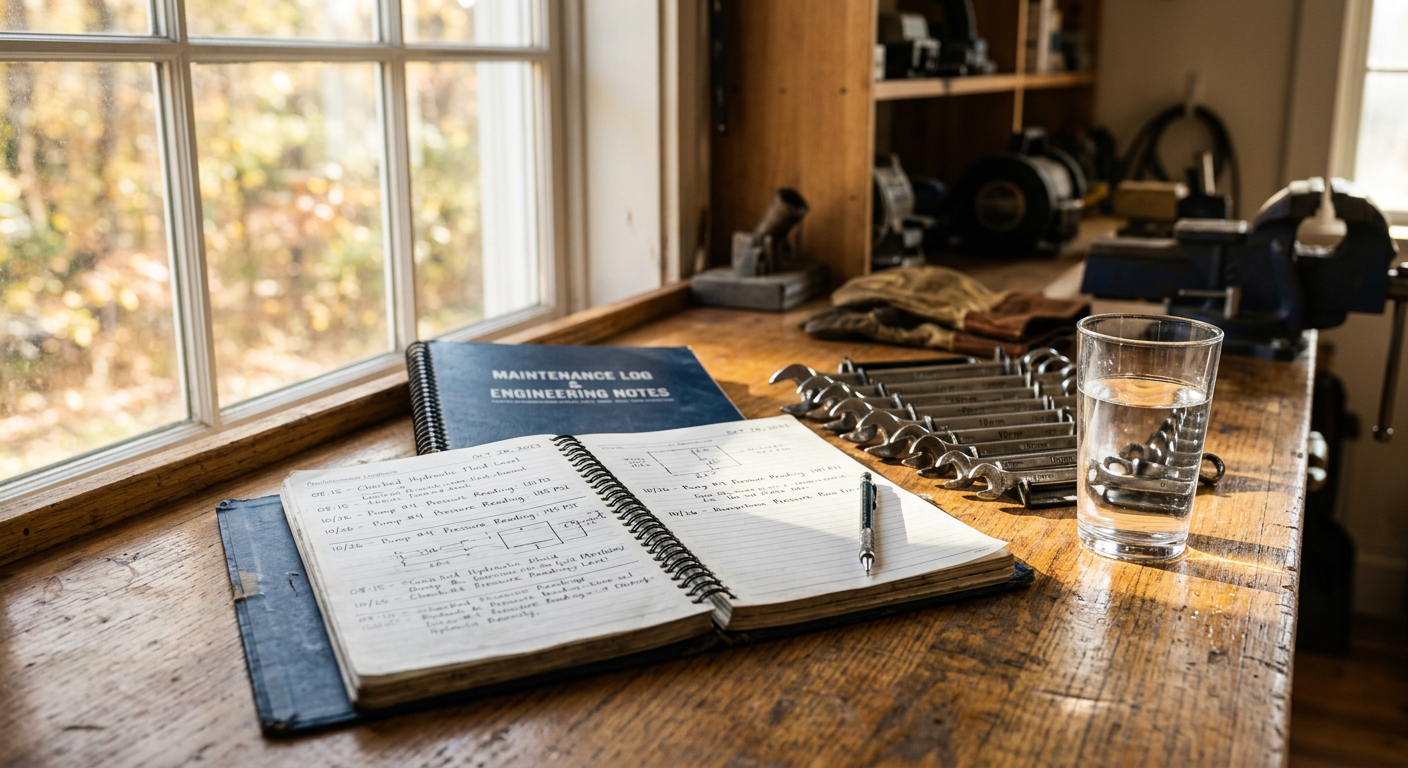
* Documentation: Keeping a logbook of maintenance tasks is the only way to track system trends over time.
—
!Man checking battery health while maintaining off-grid appliances and systems in a utility room.
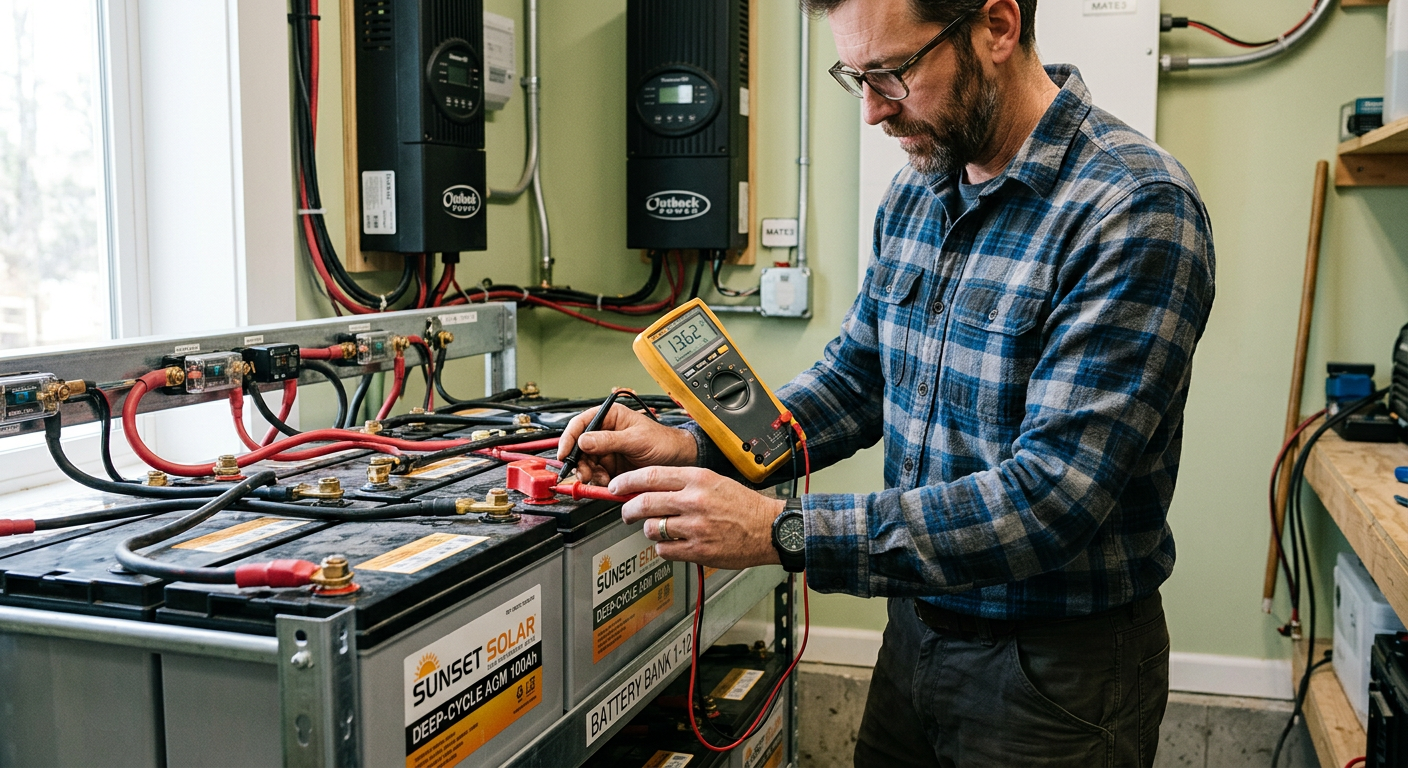
The Heartbeat of Your Home: Maintaining Batteries and Power Inverters
Your battery bank is the most expensive part of your setup, and it’s also the most sensitive. Whether you’re running Lead-Acid or Lithium (LiFePO4), temperature is your biggest enemy. Lead-acid batteries need to be kept in a ventilated, climate-controlled space to prevent gassing or freezing, while Lithium needs to stay above freezing to take a charge.
For those with flooded lead-acid batteries, check your electrolyte levels monthly. Only use distilled water to top them off—tap water contains minerals that will short out your plates faster than you can say “blackout.” Clean your terminals with a mix of baking soda and water to prevent corrosion, which creates resistance and heat.
Inverters need love too. These boxes work hard to convert DC to AC power and generate significant heat. Vacuum the dust from the cooling fans every few months. If those fans fail, the internal components will bake, leading to an expensive internal short.
Keep reading — this is where most people mess up.
But power is nothing if you can’t generate it, so let’s look at the roof.
—
Maximizing Solar Efficiency: Panels and Charge Controllers
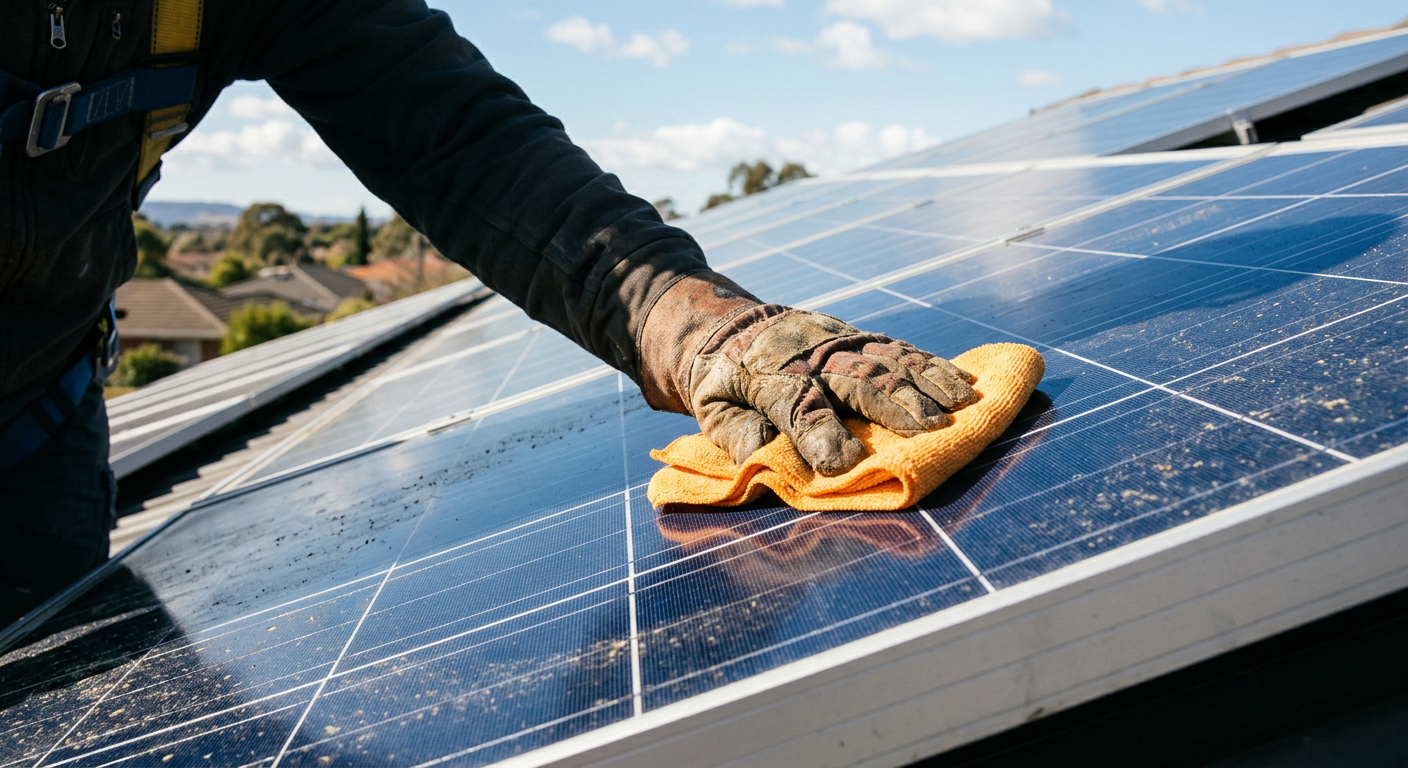
Maintaining off-grid appliances and systems starts with the source: your solar panels. Most people think rain cleans their panels, but it often just moves the dust around, creating a sticky film. Every quarter, take a soft microfiber mop and some plain water to wipe them down. Avoid abrasive soaps that can scratch the glass and catch the morning light.
Check your mounting hardware after every major windstorm. Vibrations can loosen bolts, and a loose panel is a sail waiting to take flight. While you’re up there, look for “hot spots”—discolored cells on the panels that indicate internal damage.
Downstairs, your charge controller is the brains of the operation. Modern controllers often have firmware updates. Just like your smartphone, these updates improve efficiency and add support for new battery types. Skipping these means you might be leaving 5-10% of your potential energy on the table.
Now that the power is flowing, we need to talk about the system that actually keeps you hydrated and clean.
—
Protecting Your Plumbing: Water Pumps and Filtration Systems
Off-grid water systems usually rely on a pressure tank and a 12V or 24V pump. The #1 cause of pump failure isn’t age—it’s debris. Always install a pre-filter before the pump to catch sand or sediment from your well or cistern. If the pump starts “cycling” (turning on and off rapidly when no water is running), your pressure tank likely has a ruptured bladder or needs more air.
If you use a tankless propane water heater—a favorite for off-grid living—you must descale it once a year. Minerals from your well water build up inside the copper heat exchanger. A simple pump and a bucket of food-grade white vinegar can flush those lines and keep your showers hot.
Don’t skip this — it’ll save you hours (and money).
Speaking of propane, how you manage your thermal appliances determines how much fuel you’ll be hauling in the winter.
—
!Cleaning solar panels as part of maintaining off-grid appliances and systems for efficiency.
Propane and Direct-DC Appliance Care
Off-grid fridges are different beasts. If you have a propane fridge, it must be perfectly level to function. If it’s even slightly tilted, the ammonia solution can pool and cause a permanent blockage in the cooling coils. Check the burner flame annually; it should be a crisp blue. A yellow flame means carbon buildup, which is a fire hazard and a sign of inefficiency.
For DC appliances, keep an eye on your wire connections. Because DC runs at lower voltages, any loose screw or slightly frayed wire causes a massive “voltage drop.” This makes your fridge motor work twice as hard to get the same cooling effect. Tighten every terminal once a year with a torque screwdriver.
This next part? Nobody talks about it, but it changed everything for us.
—
Seasonality: Preparing for the Extremes
Maintaining off-grid appliances and systems changes with the weather. In the winter, your primary goal is preventing freezing. Wrapped pipes and heat tape (if your battery bank can handle the load) are non-negotiable. If you leave your cabin for the winter, drain every line and use RV antifreeze in the traps.
In the summer, it’s all about ventilation. Appliances like chest freezers or inverters will fail if the ambient room temperature crosses 90°F (32°C). High-efficiency DC fans can help pull cool air from the floor or a crawlspace to keep your mechanical room from becoming an oven.
—
💡 Pro Tips
* Thermal Camera Magic: Use a cheap thermal camera attachment for your phone to find hot wires or leaking seals in your fridge.
* The Vinegar Flush: Use white vinegar to clean your off-grid dishwasher or washing machine monthly to prevent hard water buildup.
* Listen to the Hum: If your inverter starts humming louder than usual, it’s often a sign of a “phantom load”—an appliance drawing power when you think it’s off.
* Log Everything: Write down your daily battery voltage at sunrise and sunset in a notebook. It’s the best way to see a battery bank starting to fail months before it actually dies.
—
⚠️ Beginner Mistakes to Avoid
* Ignoring the Air Filter: Whether it’s a backup generator or a wood stove, restricted airflow kills performance and lifespan.
* Mixing Battery Types: Never add a new battery to an old bank; the old batteries will drag the new one down to their level in weeks.
* Over-discharging: Taking lead-acid batteries below 50% SOC (State of Charge) regularly will kill them in a single season.
* Skipping the Pre-Filter: Trusting your well water is “clean” is a recipe for a dead water pump and clogged faucets.
—
!A maintenance logbook used for maintaining off-grid appliances and systems for longevity.
Frequently Asked Questions
How often should I clean my solar panels?
For most homesteads, twice a year is sufficient. However, if you live in a dusty area or have heavy pollen seasons, checking them once a month is better to ensure peak efficiency.
Can I use regular appliances on a solar system?
Yes, but it’s often more efficient to use appliances designed for off-grid life (DC-native) or those with high Energy Star ratings to avoid wasting your precious battery capacity on inverter losses.
Why is my off-grid fridge not staying cold?
If it’s a propane fridge, check that it’s level. If it’s DC, check for voltage drop in the wiring or dust-clogged condenser coils behind the unit.
How long do off-grid batteries usually last?
Lead-acid typically lasts 3-5 years if treated well, while Lithium (LiFePO4) can last 10-15 years or thousands of cycles, making them a better long-term investment.
—
Living beyond the power lines is the ultimate freedom, but it comes with the responsibility of being your own utility company. By taking a few minutes each month to inspect, clean, and monitor your gear, you ensure that your homestead remains a place of comfort rather than a source of stress.
What’s your biggest challenge with maintaining off-grid appliances and systems? I’d love to hear your story in the comments!
📚 More From Our Homestead
- Homesteading Without Land? Get Experience Now!
- Easiest Homesteading Animals to Raise? Here’s Our Story
- Finding Your Homestead: A Beginner’s Property Guide
- Mastering: What Essential Homesteading Skills Beginners Need
- Homesteading on a Budget: Our Smart Start Guide
Ready to Start Your Homestead Journey?
Free guides, checklists, and tools to help you build your dream homestead.
👉 Related: Cheap Food Preservation for Beginners: Our Top Budget Hacks
👉 Related: Homesteading Supplies List for Beginners: The Essentials
Leave a Reply