Tag: family

  • Homesteading Without Land? Get Experience Now!

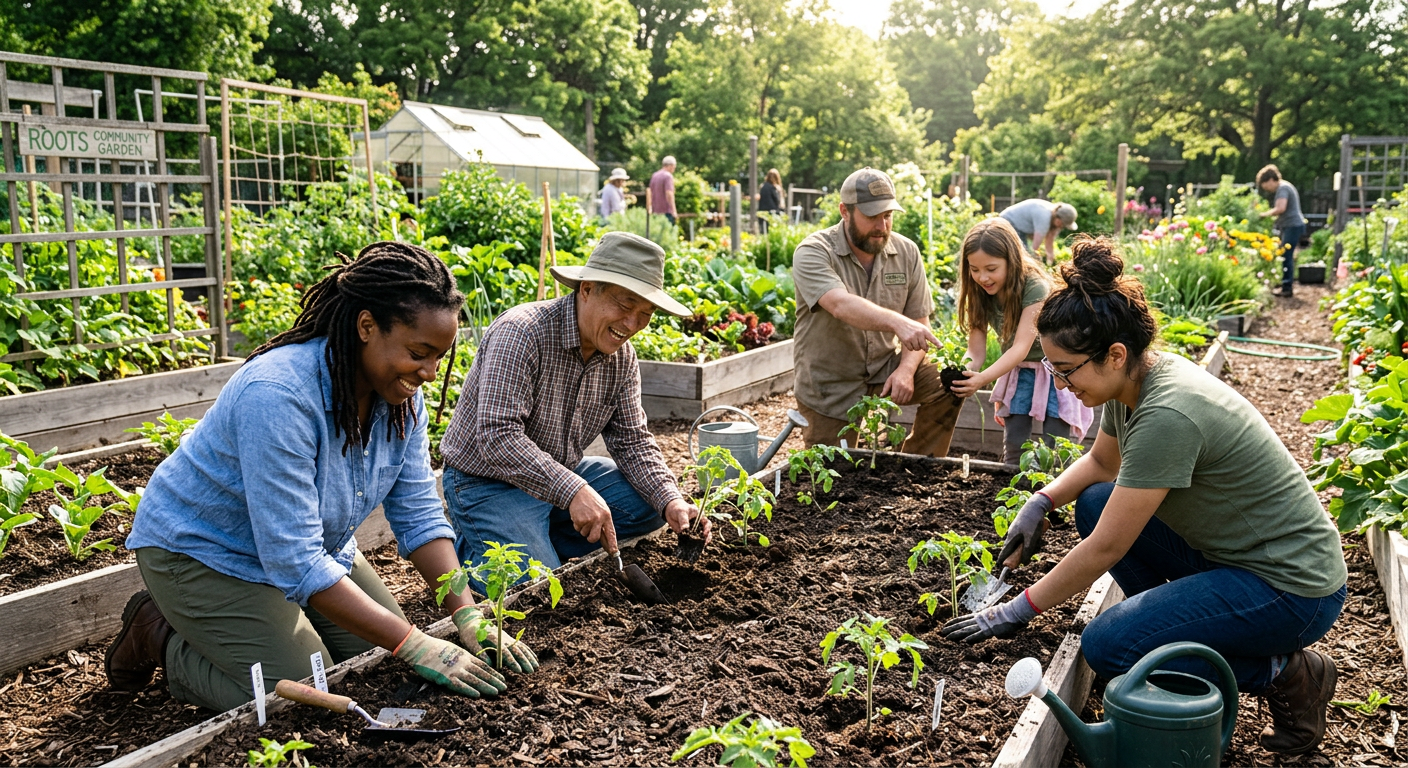
    !People gaining hands-on gardening skills to learn how to get homesteading experience without owning land.

    When we first started dreaming about our homestead, we didn’t have a single acre to our name. We were living in a small city apartment, watching YouTube videos and devouring books, feeling like we were a million miles away from our goal. But then we realized something crucial: you don’t need a farm to start farming in a small way.

    🎯 Quick Answer: You can absolutely get homesteading experience without owning land by actively seeking out opportunities like WWOOFing, volunteering at local farms, joining community gardens, participating in skill-share groups, and even practicing micro-homesteading in your current space. It’s all about getting your hands dirty and building practical skills.

    🌱 Start Your Homestead Plan →

    🔑 Key Takeaways

    * WWOOFing & Farm Stays: Immerse yourself in a working homestead environment, learning directly from experienced farmers, often in exchange for room and board.

    * Volunteer Locally: Reach out to nearby farms, community gardens, or even permaculture projects for hands-on experience without a long-term commitment.

    * Community Gardens: Gain gardening skills, connect with like-minded individuals, and learn about local growing conditions in a shared space.

    * Skill-Share & Workshops: Look for local workshops on canning, preserving, animal husbandry, foraging, or carpentry to build specific skills.

    * Micro-Homesteading: Start small in your current home – grow herbs on a windowsill, learn to preserve, bake bread, or raise small livestock like quail, if allowed.

    * Network Relentlessly: The homesteading community is incredibly supportive. Go to farmers markets, join online groups, and make connections.

    Why Hands-On Experience is Non-Negotiable

    Books, blogs, and documentaries are fantastic resources, and believe me, we’ve consumed our fair share! But there’s a world of difference between reading about raising chickens and actually catching a flapping hen, or between watching a video on canning tomatoes and feeling the heat of the boiling water bath, smelling the sweet aroma, and realizing you forgot to sterilize your jars. That’s real-life learning, and it’s priceless.

    The Value of Making Mistakes (Safely)

    We learned more from our first batch of failed sourdough and our first wilted tomato plants than from a dozen perfect recipes. When you’re trying to get homesteading experience without owning land, you have the huge advantage of making those beginner mistakes on someone else’s dime and watch. This lowers the stakes and builds your confidence gradually. Imagine trying to grow your family’s food on your brand-new, expensive land, only to then discover you don’t know a weed from a crop! Trust us, it’s better to learn the hard way on a small scale first.

    Building Your Skill Stack

    Homesteading isn’t one skill; it’s a whole stack of them. From gardening and animal care to food preservation, basic carpentry, and even financial planning, they all interconnect. Each piece of experience you gain, no matter how small, adds to your overall capability. We always tell people, and we truly believe it, that mastering essential homesteading skills beginners need is a marathon, not a sprint.

    Ready to dive into the nitty-gritty of how we built our experience? Let’s get started!

    Keep reading — this is where most people mess up.

    WWOOFing and Farm Apprenticeships

    “World Wide Opportunities on Organic Farms,” or WWOOF, was one of the first avenues we explored. It’s a global network where volunteers (WWOOFers) live and work on organic farms for a few weeks to several months, usually in exchange for food and accommodation. We didn’t do a full WWOOFing stint ourselves due to young kids at the time, but some friends of ours did, and they rave about the experience.

    #### What to Expect from WWOOFing

    * Work Schedule: Typically 4-6 hours a day, 5-6 days a week. It varies wildly from farm to farm.

    * Tasks: Everything from planting, weeding, harvesting, animal care (chickens, goats, cows), fencing, mucking stalls, cooking, and even building projects.

    * Cost: You typically pay for your travel to and from the farm, and sometimes a small membership fee to access the WWOOF network. Food and lodging are usually provided by the host.

    * Timeframe: From a single weekend to several months or even a year.

    We even looked into specific farm apprenticeships. These are often more structured, sometimes paid, and offer deeper dives into specific areas like dairy farming or market gardening. They usually require a longer commitment, often a full growing season, and can be an incredible way to learn if you’re serious about a specific niche.

    But what if you can’t pick up and move for weeks at a time? There are plenty of local options.

    Local Volunteer Opportunities & Community Gardens

    This is where we really started to gain traction back when we were still in our suburban home. We knew we needed to figure out how to get homesteading experience without owning land close to home, and local volunteering was the perfect fit. We started by simply Googling “community garden near me” and “volunteer farm [my city]”.

    Volunteering at Local Farms

    Many small, local farms – especially those focused on organic or sustainable practices – are often thrilled to have an extra set of hands. We started by reaching out to a small CSA (Community Supported Agriculture) farm about 20 minutes from us. We offered to help out 4 hours every Saturday morning, just to learn.

    #### Our Experience & What We Learned:

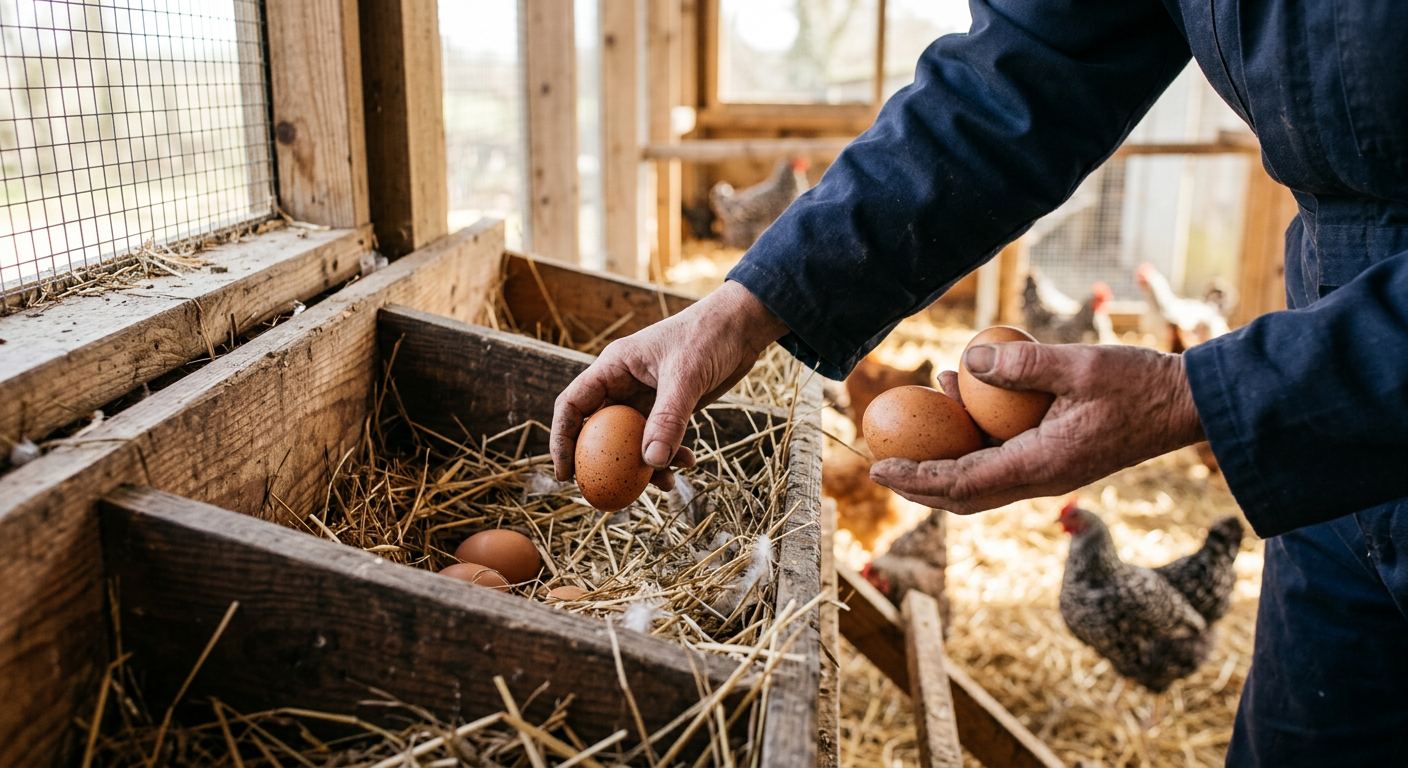
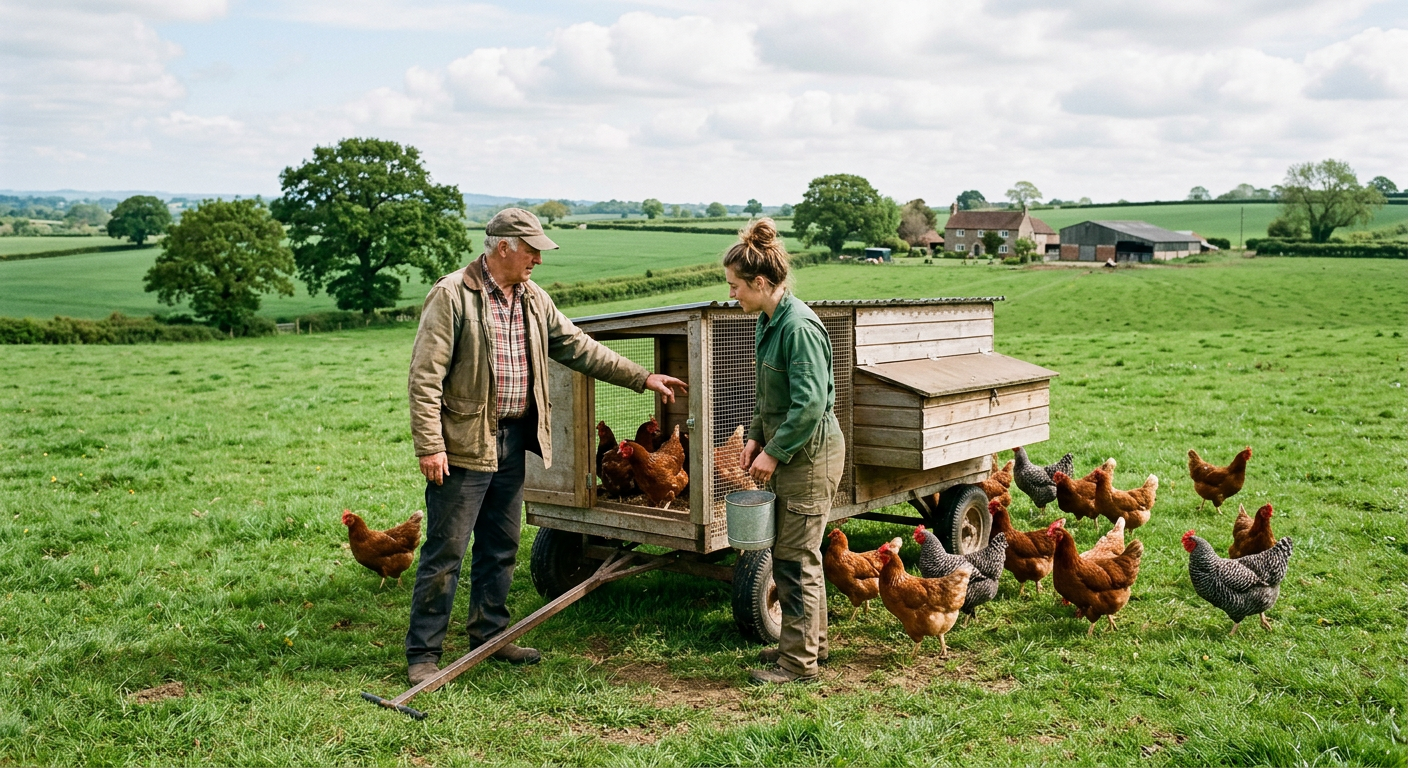
    * Hands-On Learning: We learned to properly transplant seedlings, weed rows efficiently, identify common pests, and even help with small animal chores like feeding chickens and collecting eggs. We got great insight into raising backyard chickens: pros, cons & what to expect before we even committed to our own flock!

    * Networking: We met other aspiring homesteaders, farm owners, and seasoned gardeners. These connections were invaluable.

    * Realistic Expectations: We quickly realized that farming is hard work, physically demanding, and full of unexpected challenges. It’s not just idyllic harvesting photos!

    * Cost: Zero, besides our time and gas money. We often went home with a bag of fresh veggies as a thank you, which was an amazing bonus!

    Embracing Community Gardens

    If a full-on farm seems daunting, a community garden is a fantastic stepping stone. We had a small plot (about 10×10 feet) assigned to us for a nominal annual fee, around $50, which covered water and basic tools.

    #### Community Garden Benefits:

    * Grow Your Own Food: You get a dedicated space to grow vegetables, herbs, and flowers, even without your own yard. This was our first real attempt at a small backyard vegetable garden.

    * Mentorship: You’re surrounded by experienced gardeners who are usually eager to share their knowledge. We learned so much from our plot neighbors!

    * Shared Resources: Tools, sometimes even seeds or seedlings, are often shared among members.

    * Pest & Disease Learning: You’ll face real-world challenges like powdery mildew or squash bugs, and learn how to manage them, often with advice from more seasoned gardeners.

    This is a great option to explore if you want to learn how to start a small backyard vegetable garden: beginner guide style but are limited on space.

    This next part? Nobody talks about it, but it changed everything for us.

    📋 Get the Beginner Checklist →

    Skill-Shares, Workshops, and Micro-Homesteading at Home

    While getting out on the land is crucial, don’t underestimate the power of learning and practicing skills right where you are. This is a huge part of how to get homesteading experience without owning land.

    Local Workshops and Skill-Shares

    We sought out local workshops on specific skills we knew we’d need. We found classes at our local extension office, community colleges, and even independent homesteaders offering their expertise.

    #### What We Hunted Down:

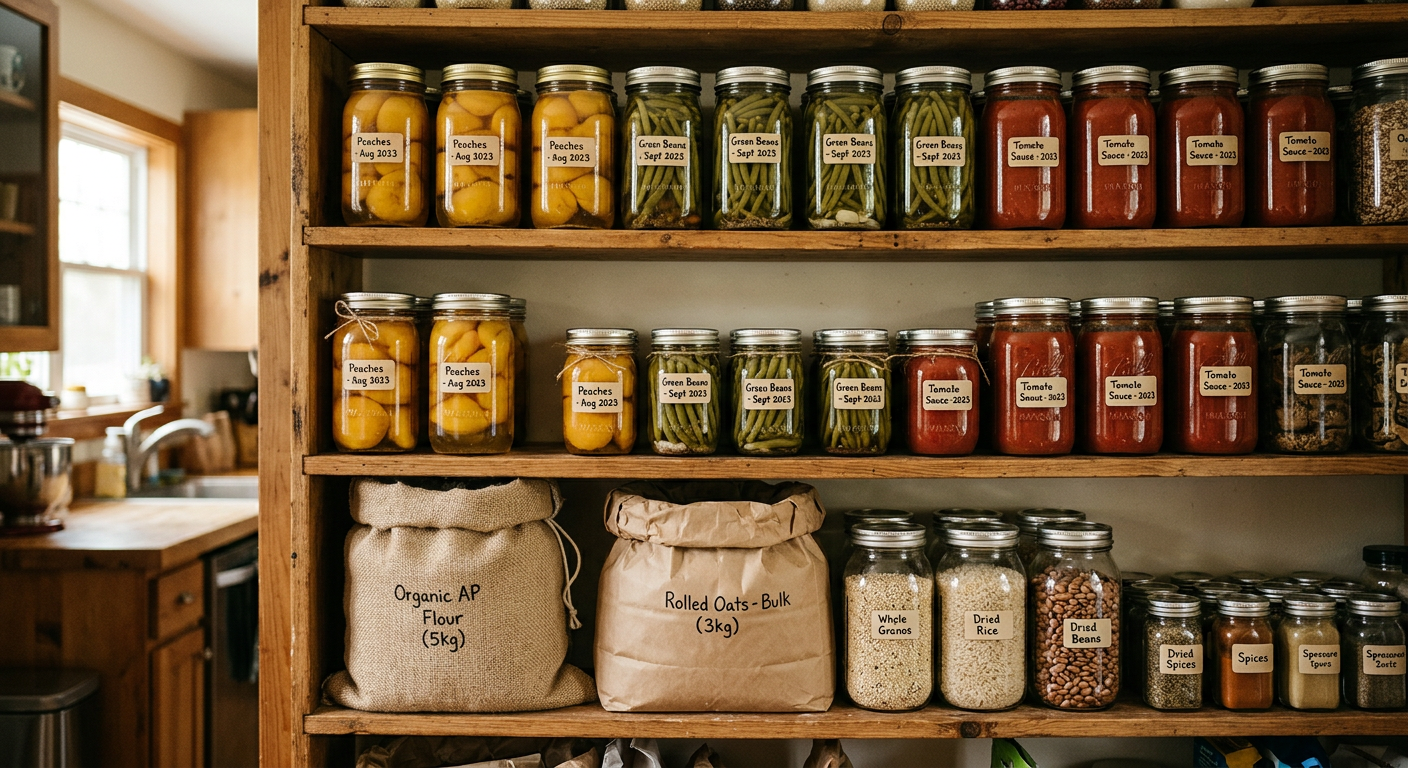
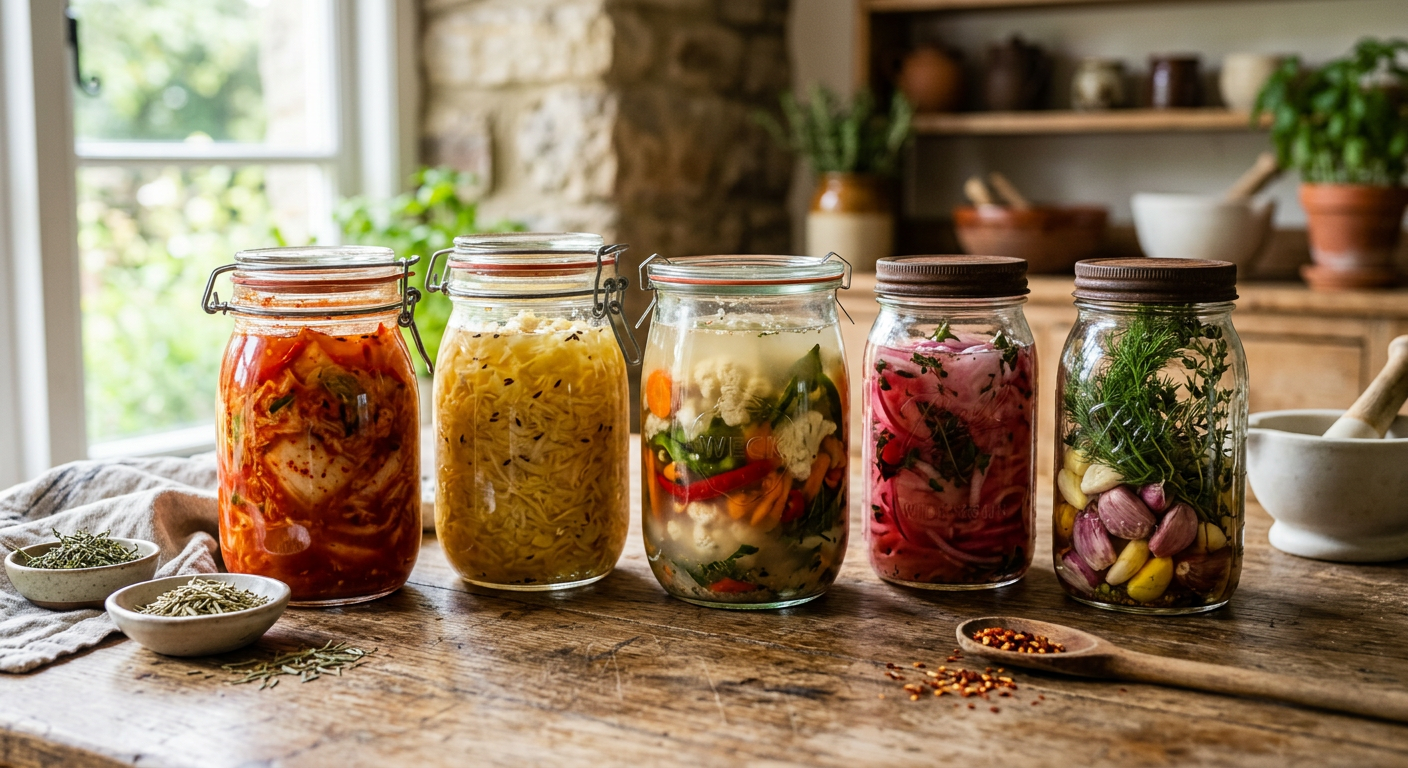
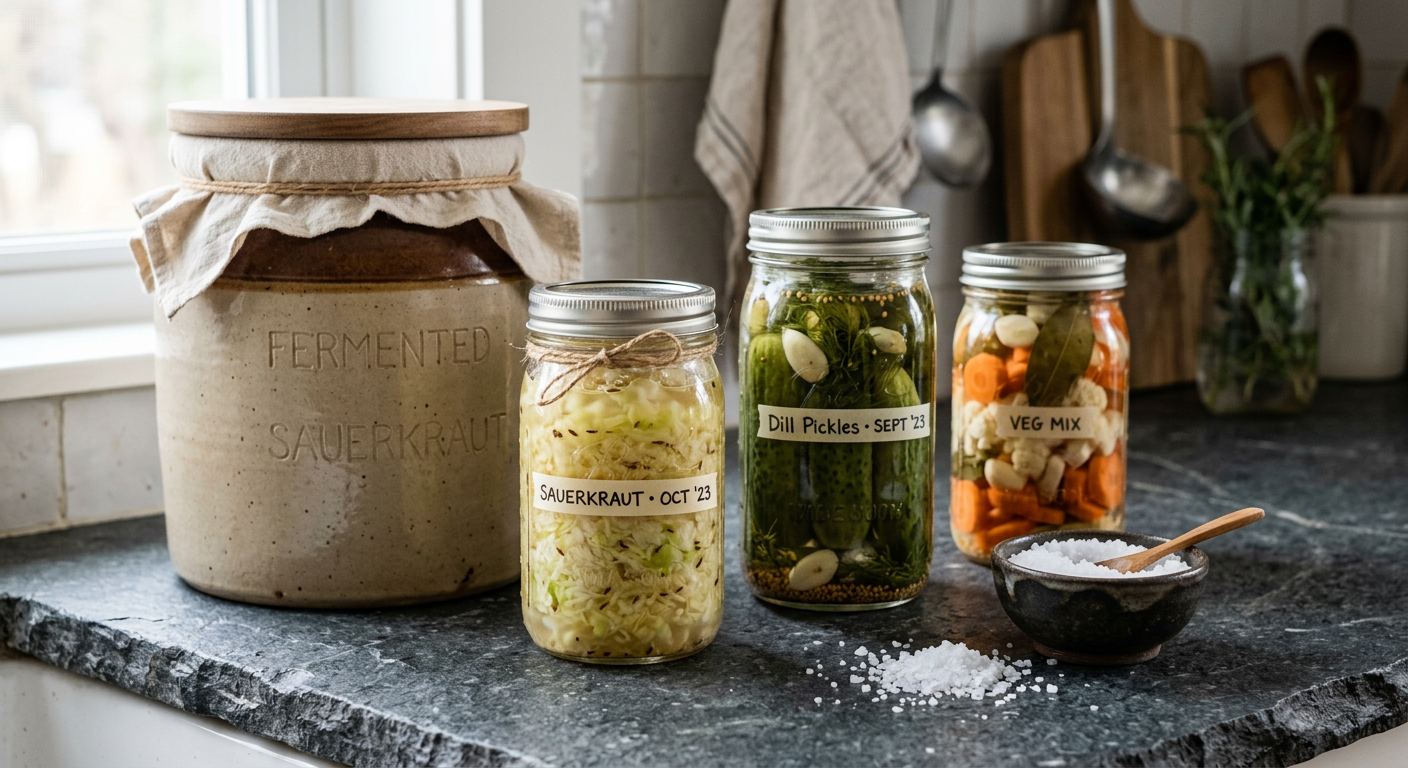
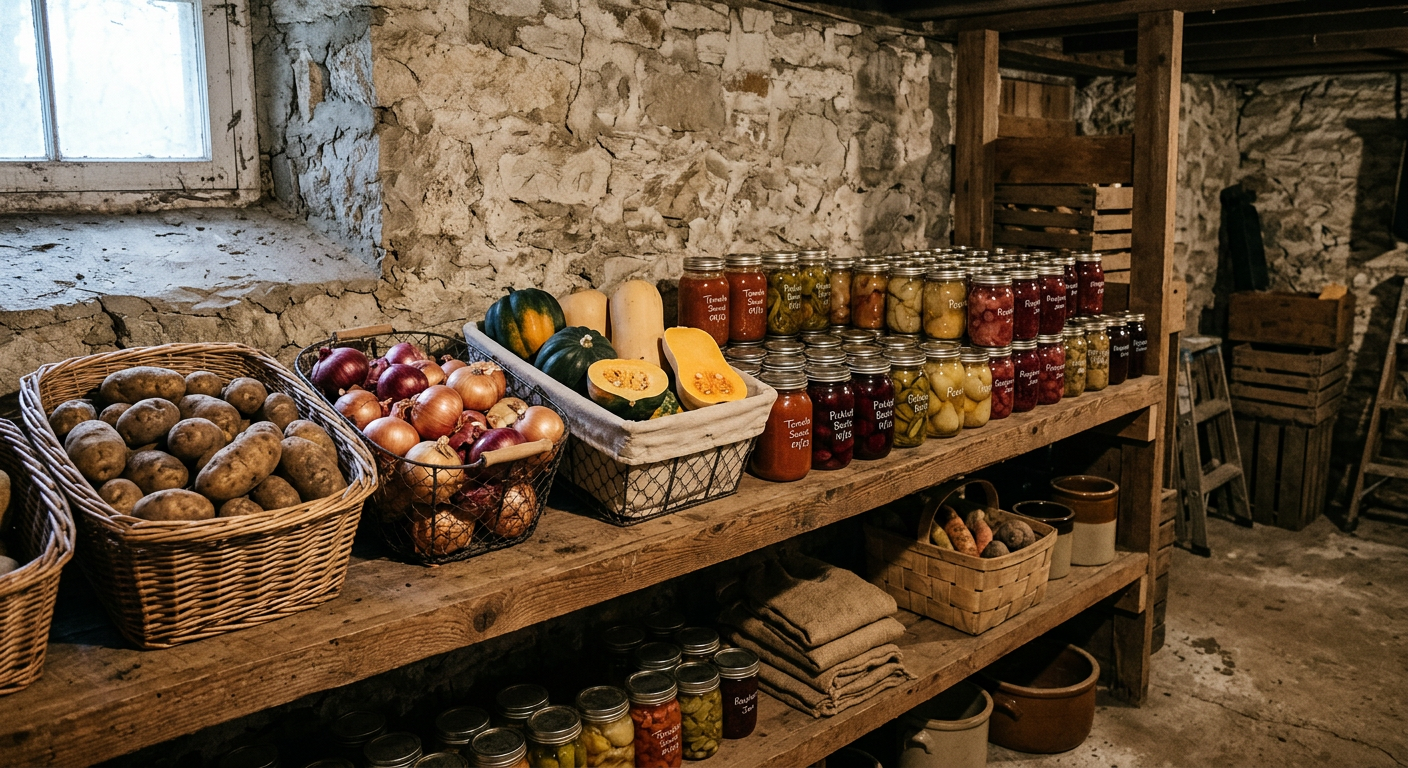
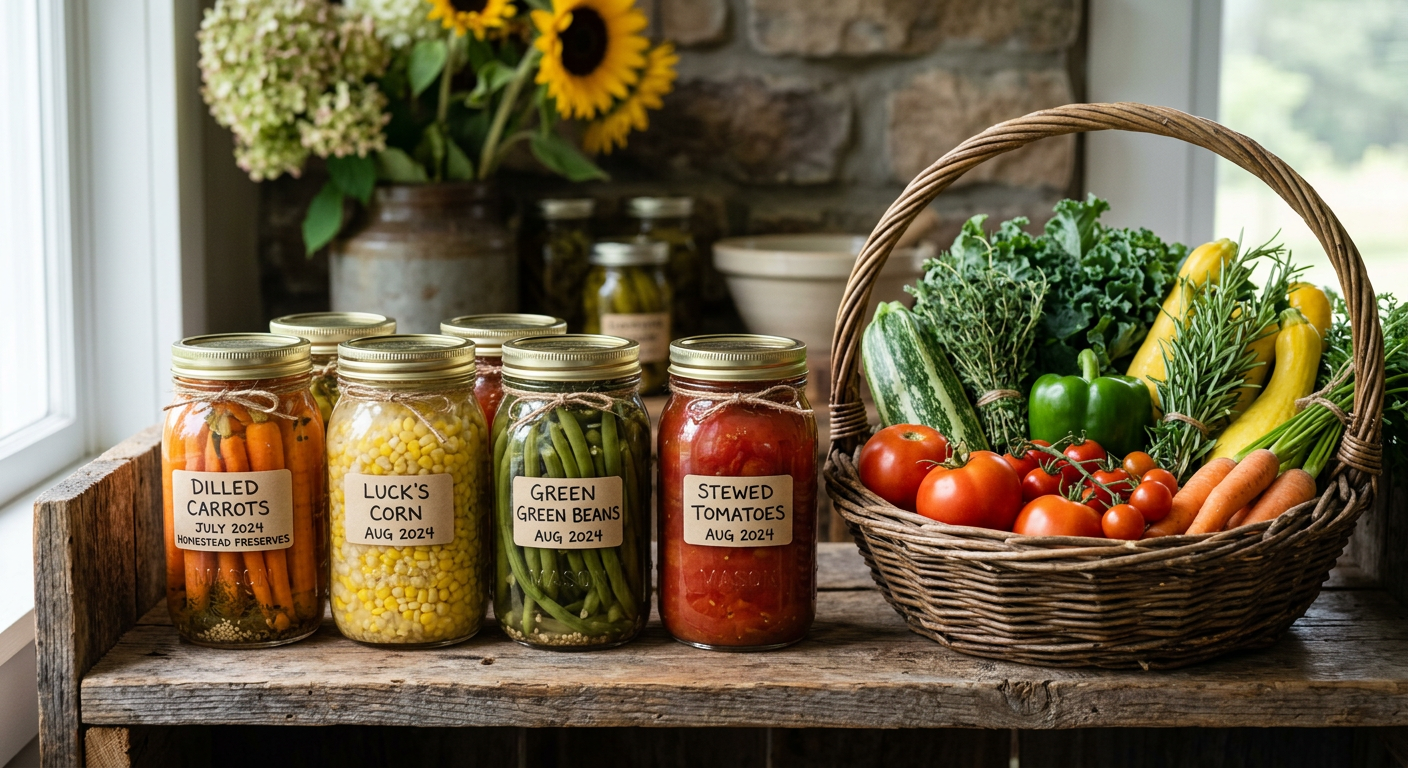
    * Food Preservation: We took classes on canning (water bath and pressure canning) and fermenting. Learning to preserve eggs long-term (no fridge needed!) was a game-changer for our future plans, even if we only had store-bought eggs to practice with at the time.

    * Animal Husbandry Basics: A local farm offered a one-day workshop on chicken care, covering everything from coop setup to common diseases. While we didn’t have chickens yet, the knowledge was invaluable.

    * Soap Making & Bread Baking: These aren’t just hobbies; they are true homesteading skills that reduce reliance on store-bought goods.

    * Carpentry Basics: Even just learning how to use a saw and drill safely can save you a ton later when building coops, fences, or raised beds. This directly relates to the essential homesteading tools to buy first.

    We probably spent a few hundred dollars total on these workshops over a couple of years, but the knowledge gained was worth thousands in avoided mistakes and future self-sufficiency.

    Micro-Homesteading in Your Current Space

    This is where the magic really happens without an acre to your name. We started small, right in our tiny backyard and even indoors.

    #### Our Micro-Homesteading Journey:

    * Container Gardening: Our patio became a mini-farm. Tomatoes, peppers, herbs, and even small potatoes thrived in large pots. This was excellent practice for understanding soil, watering, and pest identification.

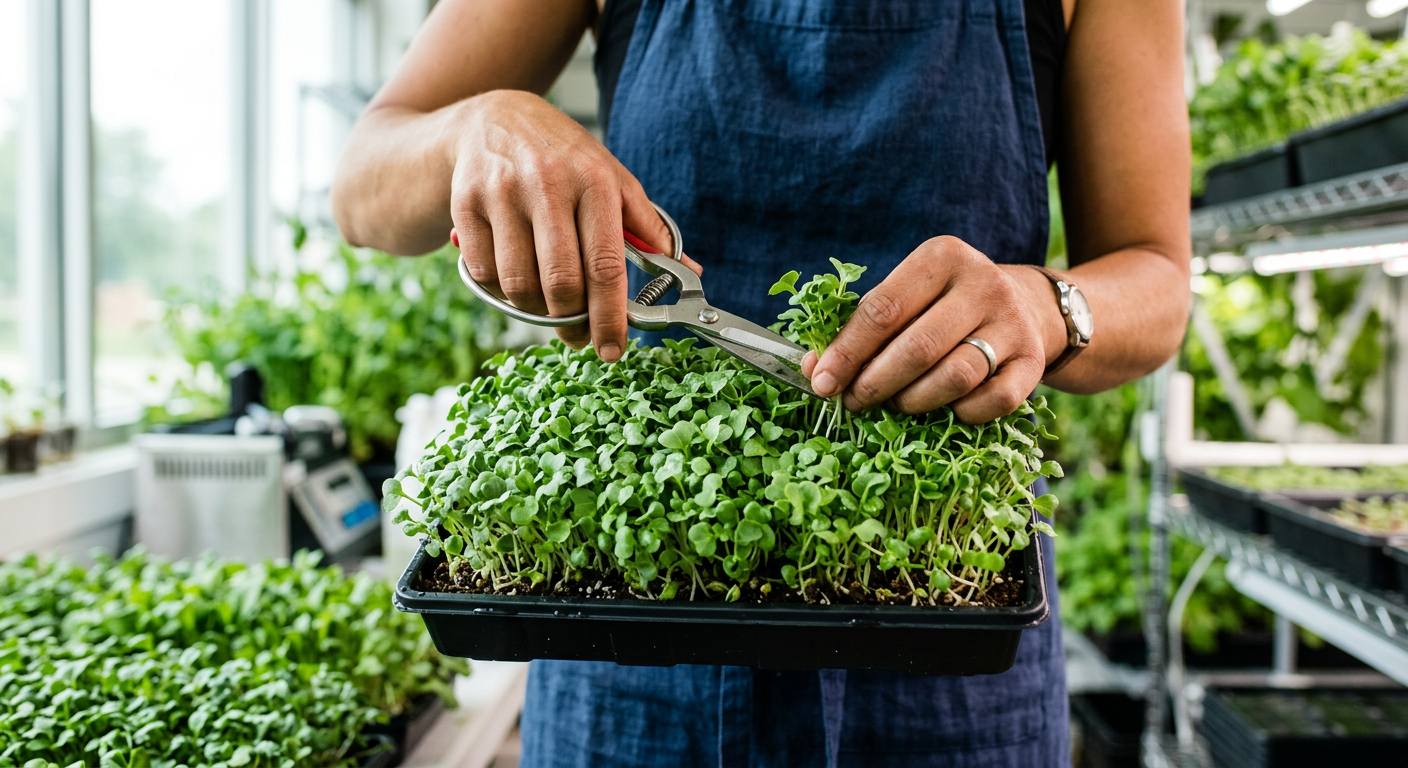
    * Indoor Growing: We grew herbs on our windowsill and even experimented with a small indoor grow light for salad greens in the winter. Talk about tiny space, big harvest!

    * Composting: Even in our small yard, we started a worm compost bin (vermicomposting) for kitchen scraps. It was gross at first, but incredibly rewarding to turn waste into rich soil.

    * Scratch Cooking & Preserving: We became avid sourdough bakers, made our own condiments, fermented vegetables, and learned to cook from whole ingredients. We canned anything we could get our hands on from the farmers’ market. This was a direct application of the skills learned in workshops.

    * Small Livestock (where permitted): We weren’t allowed chickens in our suburb, but some friends of ours started raising quail for eggs and meat in a small hutch, which they could keep in their shed. Always check local ordinances, but if allowed, quail or even certain rabbit breeds can be excellent ways to gain best low maintenance farm animals experience without vast acreage.

    Don’t skip this — it’ll save you hours (and money).

    !A volunteer on a farm learning how to get homesteading experience without owning land through WWOOFing.

    Connecting with the Homesteading Community

    One of the most valuable resources you have is other people. The homesteading community, both online and in real life, is generally incredibly generous with their knowledge and support. We’ve learned as much from casual conversations as we have from formal classes.

    Online Forums & Social Media Groups

    Join Facebook groups, Reddit communities, and online forums dedicated to homesteading, permaculture, or specific skills like gardening or animal husbandry. Ask questions, share your small wins, and learn from others’ mistakes and successes. We found some amazing local groups this way that helped us find volunteer opportunities.

    Farmers Markets and Local Gatherings

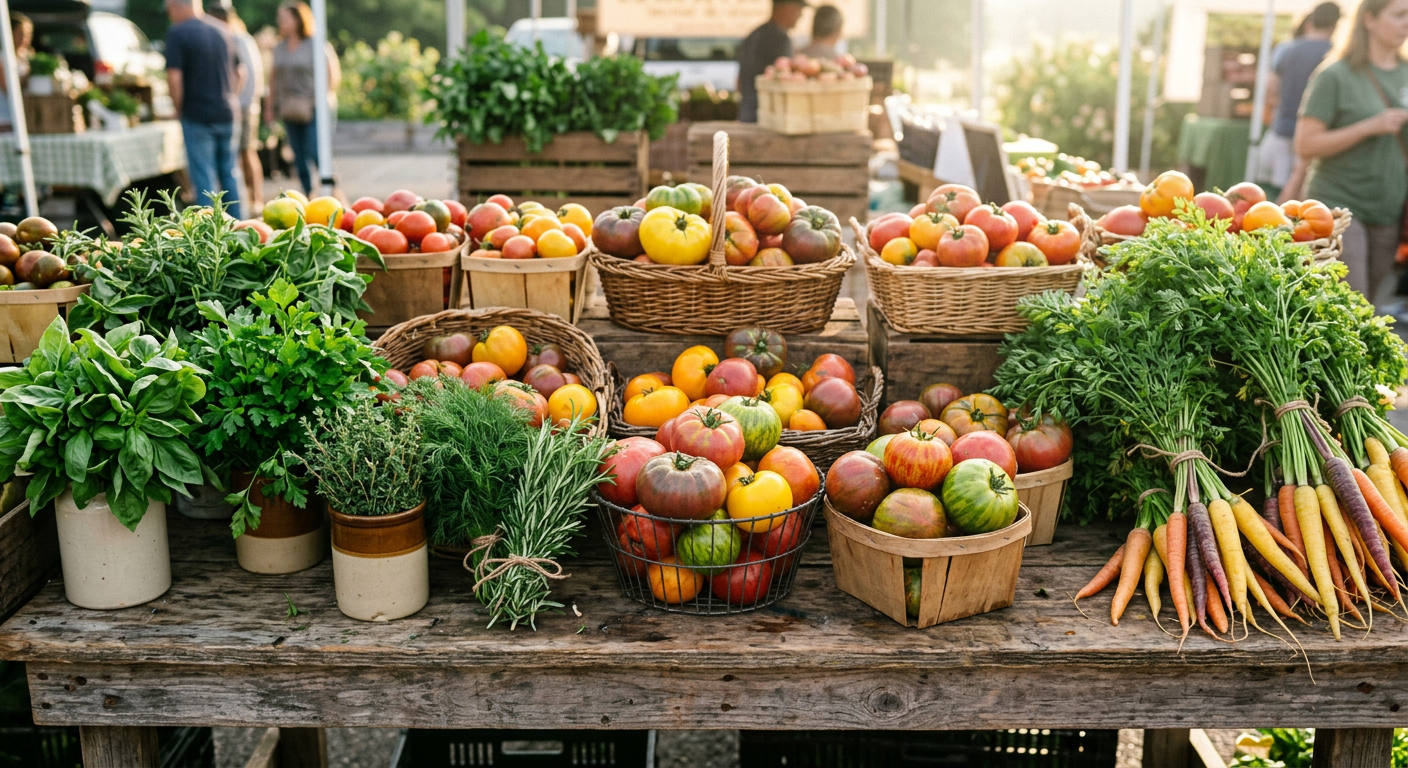
    Farmers’ markets aren’t just for buying produce; they’re excellent networking hubs. Talk to the farmers and vendors – many of them are homesteaders! Ask about their methods, challenges, and if they ever need help. We built relationships this way that led to invitations to farm tours and even help with a harvest day.

    Additionally, look for local events: seed swaps, garden tours, permaculture meetups, or fairs focusing on sustainable living. These are fantastic places to connect with people who share your passion and can offer advice or opportunities.

    💡 Pro Tips

    * Start Small, Start Now: Don’t wait for the perfect plot of land. Every skill you practice today, no matter how minor, builds your homesteading foundation.

    * Document Your Learning: Keep a journal of your gardening successes and failures, recipes you try, and skills you learn. This becomes an invaluable reference later.

    * Be Proactive & Offer Value: When seeking volunteer opportunities, don’t just ask to learn. Offer specific help. “I can help weed for 3 hours every Sunday,” or “I’m handy with tools and could help with a building project.” Farm owners are busy people.

    * Safety First: Always prioritize safety, especially when working with tools, animals, or food preservation. Take workshops seriously and ask questions.

    * Embrace the Journey: Homesteading is a lifestyle, not a destination. Enjoy the process of learning and growing.

    ⚠️ Beginner Mistakes to Avoid

    * Waiting for the “Perfect Land”: This is the biggest trap! Don’t put off learning because you don’t have your ideal homestead yet. Start gaining experience today.

    * Over-Committing: Don’t sign up for a 6-month farm apprenticeship if you’re not sure you can handle the physical demands or time commitment. Start with shorter volunteer stints.

    Not Asking Questions: When you’re volunteering or in a community garden, ask everything*. Most experienced homesteaders love to share what they know. There’s no such thing as a stupid question (well, almost).

    * Ignoring Local Ordinances: Before you start raising any animals or even building certain structures in a community garden, always check local rules and regulations. This saved us a headache with compost bin placement!

    * Isolating Yourself: Homesteading can be tough. Don’t try to go it alone. Connect with others, share your struggles, and celebrate your successes.

    !Learning food preservation as a way for how to get homesteading experience without owning land.

    Frequently Asked Questions

    ### Can I really learn homesteading skills if I live in an apartment?

    Absolutely! We started in a small apartment ourselves. You can practice food preservation, make sourdough, grow herbs and microgreens on windowsills, learn to sew, knit, mend, make natural cleaners, and research extensively. These are all vital homesteading skills!

    ### How much does it cost to get homesteading experience without owning land?

    It can range from completely free if you volunteer your time, to a few hundred dollars for WWOOFing fees (plus travel), or specific workshops. Community garden plots usually have a small annual fee (around $25-$100). Compared to the cost of buying land and making big mistakes, it’s a very affordable way to learn.

    ### How long should I volunteer or WWOOF before buying land?

    There’s no set timeline. Some people volunteer for a few weekends, others for several years. It depends on your learning style, available time, and how much confidence you want to build. We spent about two years actively volunteering and micro-homesteading before we felt ready for our own small acreage.

    ### What kind of local farms should I look for?

    Focus on small, family-owned farms, organic farms, U-pick operations, CSAs, or educational farms. These are often more open to volunteers and sharing knowledge than large commercial operations. Also, check with your local university extension office; they often have lists of farms or programs.

    ### Is urban homesteading a good way to get experience without land?

    Yes, absolutely! Urban homesteading with kids or just by yourself is a fantastic way to develop essential skills like intensive gardening, composting, food preservation, and even small-scale animal husbandry (like chickens or rabbits, where permitted). It teaches you how to maximize limited space and resources, which is a core homesteading principle.

    Getting started on your homesteading journey doesn’t require waiting for the perfect piece of land. It requires a willingness to learn, get your hands dirty, and connect with others. We know this firsthand. Every small step you take today builds the foundation for the homestead of your dreams tomorrow. So go ahead, find that community garden, sign up for a workshop, or start that container garden on your patio!

    What’s your biggest challenge with learning homesteading skills without land? I’d love to hear your story in the comments!

    🔧 See Recommended Tools →


    📚 More From Our Homestead

    Ready to Start Your Homestead Journey?

    Free guides, checklists, and tools to help you build your dream homestead.
    Explore Free Resources →


    👉 Related: Cheap Food Preservation for Beginners: Our Top Budget Hacks

    👉 Related: Homesteading Supplies List for Beginners: The Essentials

    👉 Related: How to Make Money From a Small Homestead

  • Homesteading Without Land? Get Experience Now!

    !People gaining hands-on gardening skills to learn how to get homesteading experience without owning land.

    When we first started dreaming about our homestead, we didn’t have a single acre to our name. We were living in a small city apartment, watching YouTube videos and devouring books, feeling like we were a million miles away from our goal. But then we realized something crucial: you don’t need a farm to start farming in a small way.

    🎯 Quick Answer: You can absolutely get homesteading experience without owning land by actively seeking out opportunities like WWOOFing, volunteering at local farms, joining community gardens, participating in skill-share groups, and even practicing micro-homesteading in your current space. It’s all about getting your hands dirty and building practical skills.

    🌱 Start Your Homestead Plan →

    🔑 Key Takeaways

    * WWOOFing & Farm Stays: Immerse yourself in a working homestead environment, learning directly from experienced farmers, often in exchange for room and board.

    * Volunteer Locally: Reach out to nearby farms, community gardens, or even permaculture projects for hands-on experience without a long-term commitment.

    * Community Gardens: Gain gardening skills, connect with like-minded individuals, and learn about local growing conditions in a shared space.

    * Skill-Share & Workshops: Look for local workshops on canning, preserving, animal husbandry, foraging, or carpentry to build specific skills.

    * Micro-Homesteading: Start small in your current home – grow herbs on a windowsill, learn to preserve, bake bread, or raise small livestock like quail, if allowed.

    * Network Relentlessly: The homesteading community is incredibly supportive. Go to farmers markets, join online groups, and make connections.

    Why Hands-On Experience is Non-Negotiable

    Books, blogs, and documentaries are fantastic resources, and believe me, we’ve consumed our fair share! But there’s a world of difference between reading about raising chickens and actually catching a flapping hen, or between watching a video on canning tomatoes and feeling the heat of the boiling water bath, smelling the sweet aroma, and realizing you forgot to sterilize your jars. That’s real-life learning, and it’s priceless.

    The Value of Making Mistakes (Safely)

    We learned more from our first batch of failed sourdough and our first wilted tomato plants than from a dozen perfect recipes. When you’re trying to get homesteading experience without owning land, you have the huge advantage of making those beginner mistakes on someone else’s dime and watch. This lowers the stakes and builds your confidence gradually. Imagine trying to grow your family’s food on your brand-new, expensive land, only to then discover you don’t know a weed from a crop! Trust us, it’s better to learn the hard way on a small scale first.

    Building Your Skill Stack

    Homesteading isn’t one skill; it’s a whole stack of them. From gardening and animal care to food preservation, basic carpentry, and even financial planning, they all interconnect. Each piece of experience you gain, no matter how small, adds to your overall capability. We always tell people, and we truly believe it, that mastering essential homesteading skills beginners need is a marathon, not a sprint.

    Ready to dive into the nitty-gritty of how we built our experience? Let’s get started!

    Keep reading — this is where most people mess up.

    WWOOFing and Farm Apprenticeships

    “World Wide Opportunities on Organic Farms,” or WWOOF, was one of the first avenues we explored. It’s a global network where volunteers (WWOOFers) live and work on organic farms for a few weeks to several months, usually in exchange for food and accommodation. We didn’t do a full WWOOFing stint ourselves due to young kids at the time, but some friends of ours did, and they rave about the experience.

    #### What to Expect from WWOOFing

    * Work Schedule: Typically 4-6 hours a day, 5-6 days a week. It varies wildly from farm to farm.

    * Tasks: Everything from planting, weeding, harvesting, animal care (chickens, goats, cows), fencing, mucking stalls, cooking, and even building projects.

    * Cost: You typically pay for your travel to and from the farm, and sometimes a small membership fee to access the WWOOF network. Food and lodging are usually provided by the host.

    * Timeframe: From a single weekend to several months or even a year.

    We even looked into specific farm apprenticeships. These are often more structured, sometimes paid, and offer deeper dives into specific areas like dairy farming or market gardening. They usually require a longer commitment, often a full growing season, and can be an incredible way to learn if you’re serious about a specific niche.

    But what if you can’t pick up and move for weeks at a time? There are plenty of local options.

    Local Volunteer Opportunities & Community Gardens

    This is where we really started to gain traction back when we were still in our suburban home. We knew we needed to figure out how to get homesteading experience without owning land close to home, and local volunteering was the perfect fit. We started by simply Googling “community garden near me” and “volunteer farm [my city]”.

    Volunteering at Local Farms

    Many small, local farms – especially those focused on organic or sustainable practices – are often thrilled to have an extra set of hands. We started by reaching out to a small CSA (Community Supported Agriculture) farm about 20 minutes from us. We offered to help out 4 hours every Saturday morning, just to learn.

    #### Our Experience & What We Learned:

    * Hands-On Learning: We learned to properly transplant seedlings, weed rows efficiently, identify common pests, and even help with small animal chores like feeding chickens and collecting eggs. We got great insight into raising backyard chickens: pros, cons & what to expect before we even committed to our own flock!

    * Networking: We met other aspiring homesteaders, farm owners, and seasoned gardeners. These connections were invaluable.

    * Realistic Expectations: We quickly realized that farming is hard work, physically demanding, and full of unexpected challenges. It’s not just idyllic harvesting photos!

    * Cost: Zero, besides our time and gas money. We often went home with a bag of fresh veggies as a thank you, which was an amazing bonus!

    Embracing Community Gardens

    If a full-on farm seems daunting, a community garden is a fantastic stepping stone. We had a small plot (about 10×10 feet) assigned to us for a nominal annual fee, around $50, which covered water and basic tools.

    #### Community Garden Benefits:

    * Grow Your Own Food: You get a dedicated space to grow vegetables, herbs, and flowers, even without your own yard. This was our first real attempt at a small backyard vegetable garden.

    * Mentorship: You’re surrounded by experienced gardeners who are usually eager to share their knowledge. We learned so much from our plot neighbors!

    * Shared Resources: Tools, sometimes even seeds or seedlings, are often shared among members.

    * Pest & Disease Learning: You’ll face real-world challenges like powdery mildew or squash bugs, and learn how to manage them, often with advice from more seasoned gardeners.

    This is a great option to explore if you want to learn how to start a small backyard vegetable garden: beginner guide style but are limited on space.

    This next part? Nobody talks about it, but it changed everything for us.

    📋 Get the Beginner Checklist →

    Skill-Shares, Workshops, and Micro-Homesteading at Home

    While getting out on the land is crucial, don’t underestimate the power of learning and practicing skills right where you are. This is a huge part of how to get homesteading experience without owning land.

    Local Workshops and Skill-Shares

    We sought out local workshops on specific skills we knew we’d need. We found classes at our local extension office, community colleges, and even independent homesteaders offering their expertise.

    #### What We Hunted Down:

    * Food Preservation: We took classes on canning (water bath and pressure canning) and fermenting. Learning to preserve eggs long-term (no fridge needed!) was a game-changer for our future plans, even if we only had store-bought eggs to practice with at the time.

    * Animal Husbandry Basics: A local farm offered a one-day workshop on chicken care, covering everything from coop setup to common diseases. While we didn’t have chickens yet, the knowledge was invaluable.

    * Soap Making & Bread Baking: These aren’t just hobbies; they are true homesteading skills that reduce reliance on store-bought goods.

    * Carpentry Basics: Even just learning how to use a saw and drill safely can save you a ton later when building coops, fences, or raised beds. This directly relates to the essential homesteading tools to buy first.

    We probably spent a few hundred dollars total on these workshops over a couple of years, but the knowledge gained was worth thousands in avoided mistakes and future self-sufficiency.

    Micro-Homesteading in Your Current Space

    This is where the magic really happens without an acre to your name. We started small, right in our tiny backyard and even indoors.

    #### Our Micro-Homesteading Journey:

    * Container Gardening: Our patio became a mini-farm. Tomatoes, peppers, herbs, and even small potatoes thrived in large pots. This was excellent practice for understanding soil, watering, and pest identification.

    * Indoor Growing: We grew herbs on our windowsill and even experimented with a small indoor grow light for salad greens in the winter. Talk about tiny space, big harvest!

    * Composting: Even in our small yard, we started a worm compost bin (vermicomposting) for kitchen scraps. It was gross at first, but incredibly rewarding to turn waste into rich soil.

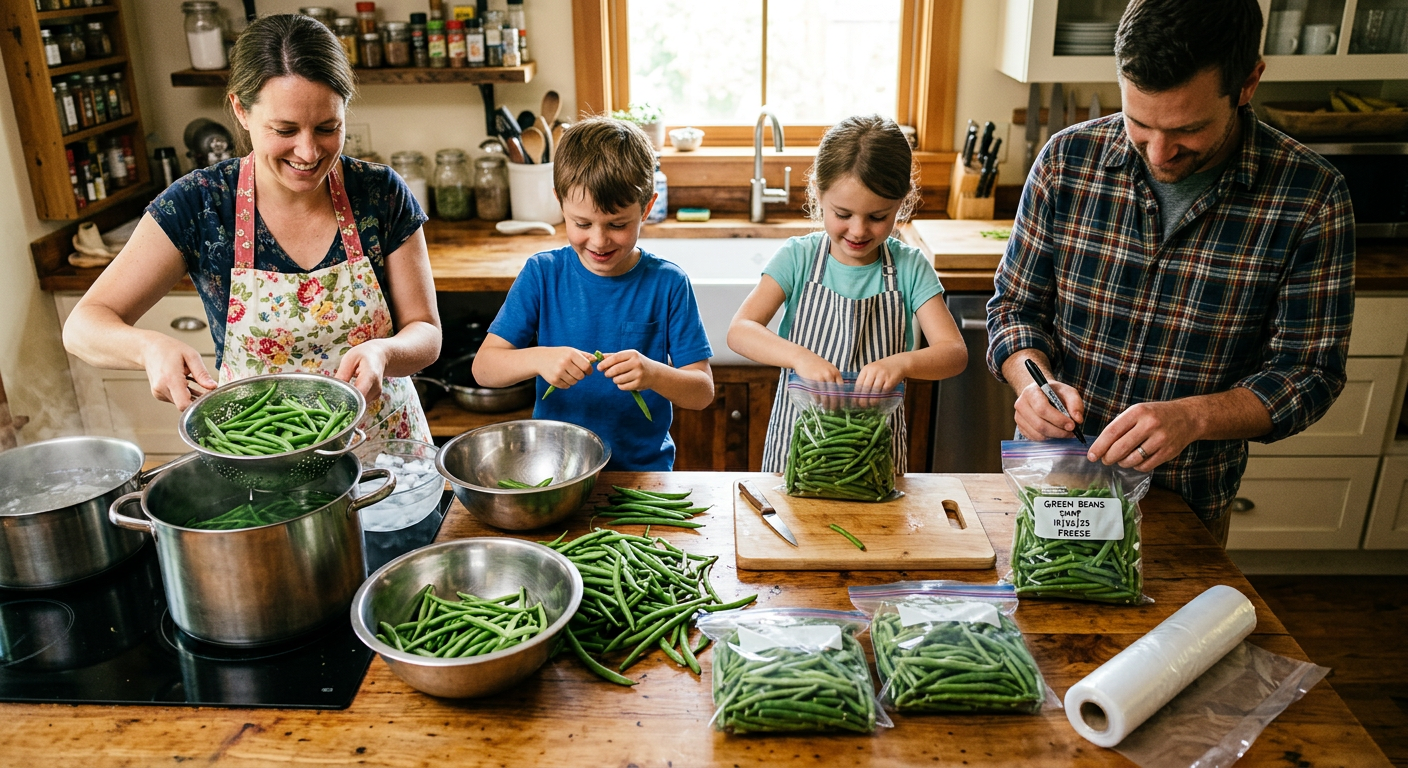
    * Scratch Cooking & Preserving: We became avid sourdough bakers, made our own condiments, fermented vegetables, and learned to cook from whole ingredients. We canned anything we could get our hands on from the farmers’ market. This was a direct application of the skills learned in workshops.

    * Small Livestock (where permitted): We weren’t allowed chickens in our suburb, but some friends of ours started raising quail for eggs and meat in a small hutch, which they could keep in their shed. Always check local ordinances, but if allowed, quail or even certain rabbit breeds can be excellent ways to gain best low maintenance farm animals experience without vast acreage.

    Don’t skip this — it’ll save you hours (and money).

    !A volunteer on a farm learning how to get homesteading experience without owning land through WWOOFing.

    Connecting with the Homesteading Community

    One of the most valuable resources you have is other people. The homesteading community, both online and in real life, is generally incredibly generous with their knowledge and support. We’ve learned as much from casual conversations as we have from formal classes.

    Online Forums & Social Media Groups

    Join Facebook groups, Reddit communities, and online forums dedicated to homesteading, permaculture, or specific skills like gardening or animal husbandry. Ask questions, share your small wins, and learn from others’ mistakes and successes. We found some amazing local groups this way that helped us find volunteer opportunities.

    Farmers Markets and Local Gatherings

    Farmers’ markets aren’t just for buying produce; they’re excellent networking hubs. Talk to the farmers and vendors – many of them are homesteaders! Ask about their methods, challenges, and if they ever need help. We built relationships this way that led to invitations to farm tours and even help with a harvest day.

    Additionally, look for local events: seed swaps, garden tours, permaculture meetups, or fairs focusing on sustainable living. These are fantastic places to connect with people who share your passion and can offer advice or opportunities.

    💡 Pro Tips

    * Start Small, Start Now: Don’t wait for the perfect plot of land. Every skill you practice today, no matter how minor, builds your homesteading foundation.

    * Document Your Learning: Keep a journal of your gardening successes and failures, recipes you try, and skills you learn. This becomes an invaluable reference later.

    * Be Proactive & Offer Value: When seeking volunteer opportunities, don’t just ask to learn. Offer specific help. “I can help weed for 3 hours every Sunday,” or “I’m handy with tools and could help with a building project.” Farm owners are busy people.

    * Safety First: Always prioritize safety, especially when working with tools, animals, or food preservation. Take workshops seriously and ask questions.

    * Embrace the Journey: Homesteading is a lifestyle, not a destination. Enjoy the process of learning and growing.

    ⚠️ Beginner Mistakes to Avoid

    * Waiting for the “Perfect Land”: This is the biggest trap! Don’t put off learning because you don’t have your ideal homestead yet. Start gaining experience today.

    * Over-Committing: Don’t sign up for a 6-month farm apprenticeship if you’re not sure you can handle the physical demands or time commitment. Start with shorter volunteer stints.

    Not Asking Questions: When you’re volunteering or in a community garden, ask everything*. Most experienced homesteaders love to share what they know. There’s no such thing as a stupid question (well, almost).

    * Ignoring Local Ordinances: Before you start raising any animals or even building certain structures in a community garden, always check local rules and regulations. This saved us a headache with compost bin placement!

    * Isolating Yourself: Homesteading can be tough. Don’t try to go it alone. Connect with others, share your struggles, and celebrate your successes.

    !Learning food preservation as a way for how to get homesteading experience without owning land.

    Frequently Asked Questions

    ### Can I really learn homesteading skills if I live in an apartment?

    Absolutely! We started in a small apartment ourselves. You can practice food preservation, make sourdough, grow herbs and microgreens on windowsills, learn to sew, knit, mend, make natural cleaners, and research extensively. These are all vital homesteading skills!

    ### How much does it cost to get homesteading experience without owning land?

    It can range from completely free if you volunteer your time, to a few hundred dollars for WWOOFing fees (plus travel), or specific workshops. Community garden plots usually have a small annual fee (around $25-$100). Compared to the cost of buying land and making big mistakes, it’s a very affordable way to learn.

    ### How long should I volunteer or WWOOF before buying land?

    There’s no set timeline. Some people volunteer for a few weekends, others for several years. It depends on your learning style, available time, and how much confidence you want to build. We spent about two years actively volunteering and micro-homesteading before we felt ready for our own small acreage.

    ### What kind of local farms should I look for?

    Focus on small, family-owned farms, organic farms, U-pick operations, CSAs, or educational farms. These are often more open to volunteers and sharing knowledge than large commercial operations. Also, check with your local university extension office; they often have lists of farms or programs.

    ### Is urban homesteading a good way to get experience without land?

    Yes, absolutely! Urban homesteading with kids or just by yourself is a fantastic way to develop essential skills like intensive gardening, composting, food preservation, and even small-scale animal husbandry (like chickens or rabbits, where permitted). It teaches you how to maximize limited space and resources, which is a core homesteading principle.

    Getting started on your homesteading journey doesn’t require waiting for the perfect piece of land. It requires a willingness to learn, get your hands dirty, and connect with others. We know this firsthand. Every small step you take today builds the foundation for the homestead of your dreams tomorrow. So go ahead, find that community garden, sign up for a workshop, or start that container garden on your patio!

    What’s your biggest challenge with learning homesteading skills without land? I’d love to hear your story in the comments!

    🔧 See Recommended Tools →


    📚 More From Our Homestead

    Ready to Start Your Homestead Journey?

    Free guides, checklists, and tools to help you build your dream homestead.
    Explore Free Resources →


    👉 Related: Maintaining Off-Grid Appliances and Systems for Longevity

  • Finding Your Homestead: A Beginner’s Property Guide

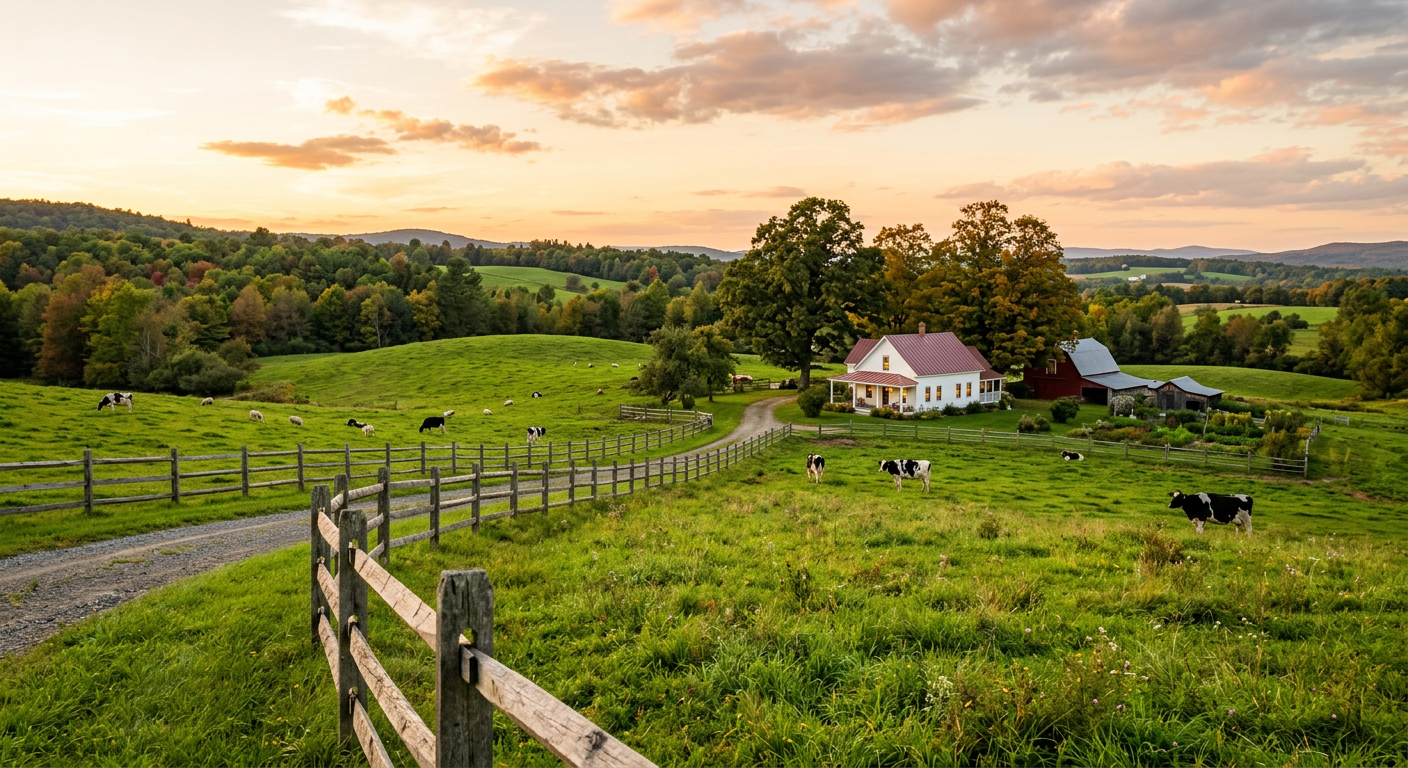
    !A scenic farm landscape showing how to choose a homestead property for beginners with ideal acreage and views.

    When we first started dreaming of homesteading, the idea of finding our perfect patch of land felt like searching for a unicorn – magical, elusive, and maybe a little impossible. We spent countless evenings poring over property listings, our heads swimming with zoning laws, well depths, and septic systems. It was overwhelming, to say the least, but also incredibly exciting to imagine our future on that land.

    🎯 Quick Answer: Choosing a homestead property requires balancing your dreams with practical realities like water access, soil quality, zoning, and budget. For beginners, start by defining your homesteading goals, then prioritize features that support those goals, always keeping an eye on accessibility and infrastructure.

    🌱 Start Your Homestead Plan →

    🔑 Key Takeaways

    * Define Your Vision: Before looking at properties, clarify your homesteading goals (gardening, livestock, off-grid, etc.).

    * Location, Location, Location: Consider climate, community, and proximity to resources you might still need.

    * Water is Life: Assess water sources like wells, springs, or municipal hook-ups – this is non-negotiable!

    * Soil Matters: Good soil is the foundation of a productive garden; poor soil can be remediated but takes time and money.

    * Zoning & Regulations: Understand local laws regarding animals, structures, and land use to avoid costly surprises.

    * Beyond the Price Tag: Factor in infrastructure costs (well, septic, power) and potential land improvements.

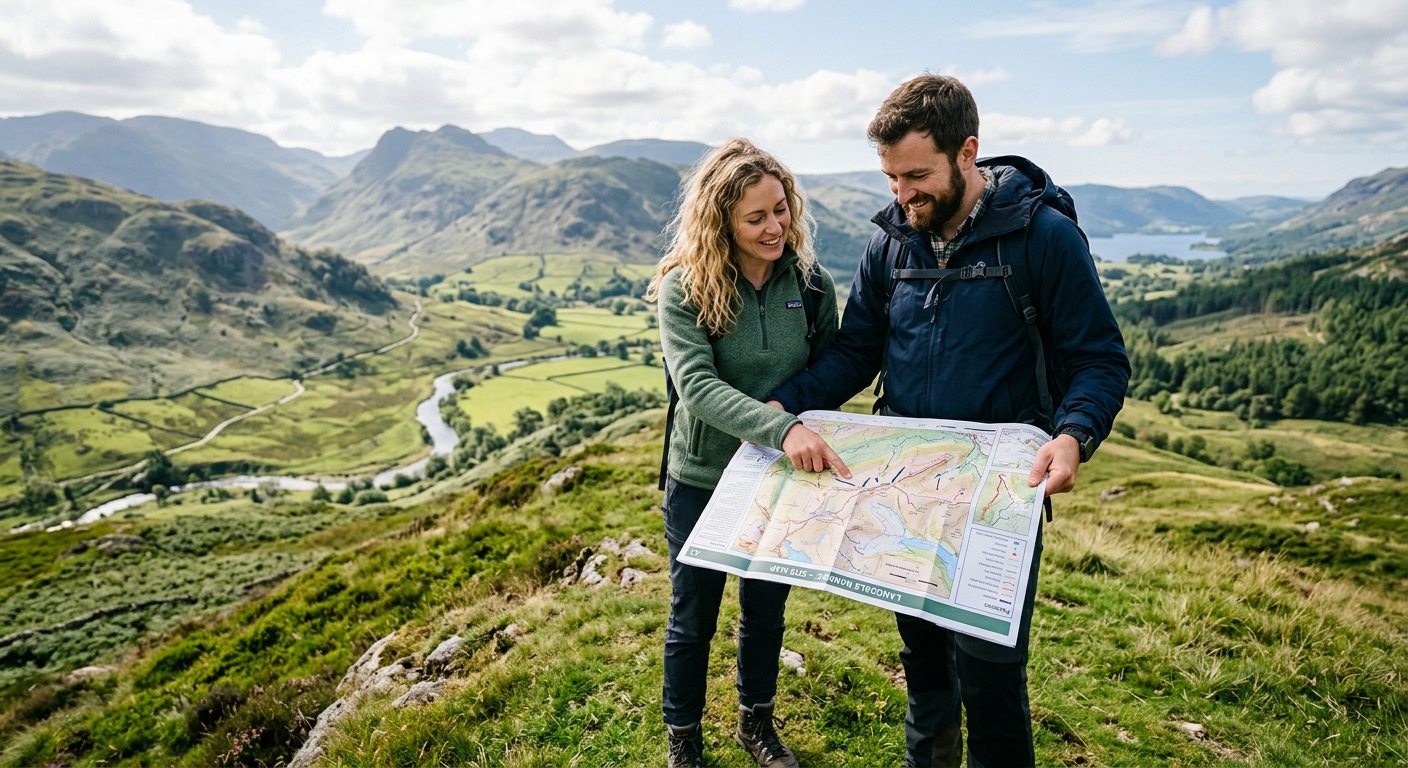
    !A couple planning land use while learning how to choose a homestead property for beginners.

    Understanding Your Homesteading Dreams First

    Before you even glance at a real estate listing, we found it crucial to sit down and honestly answer some big questions about our homesteading dreams. What do you really want to do on your land? This isn’t just about fun, it’s about practicalities that will dictate the size, location, and features you need when you’re asking how to choose a homestead property for beginners.

    What are Your Homesteading Goals?

    For us, our initial goal was to grow most of our family’s vegetables, raise a small flock of chickens for eggs, and eventually add a couple of dairy goats. This meant we needed ample garden space, secure fencing potential, and enough acreage to keep animals happily (and legally). If your dream is a sprawling orchard, you’ll need healthy soil and good drainage. If you envision a small-scale cattle operation, pasture quality and water access become paramount. Conversely, if you’re thinking urban homesteading with kids, your property needs will look very different.

    Desired Level of Self-Sufficiency

    Are you aiming for completely off-grid living, or do you just want to supplement your groceries? Off-grid will demand specific features like south-facing slopes for solar, reliable water sources, and potentially a location further from infrastructure. We decided early on to stay connected to grid power for convenience, but with plans for solar backup down the road. This decision significantly impacted the types of properties we considered.

    * Deep Self-Sufficiency: Expect to prioritize natural resources, isolation, and larger acreage.

    * Partial Self-Sufficiency: A smaller plot with good soil and municipal access might be perfect.

    * Budgeting for Self-Sufficiency: Remember, going off-grid can involve substantial upfront costs for systems like solar panels, well drilling, or rainwater harvesting.

    Knowing your ‘why’ will save you countless headaches down the line when you start property hunting. But before you dive in, let’s talk about the single most critical resource.

    The Non-Negotiable: Water, Water, Water

    Seriously, we cannot stress this enough. Water isn’t just nice to have; it’s absolutely essential for a thriving homestead. Whether you’re watering your backyard vegetable garden, hydrating your livestock, or simply living comfortably, reliable water access is paramount when considering how to choose a homestead property for beginners.

    Identifying Water Sources

    When we looked at properties, the first question we asked was always about water. Is there a well? How deep is it? What’s the yield? Is it a shared well? For us, a reliable, private well was a must-have. Asking for well logs and testing the water quality is non-negotiable.

    * Private Wells: Often the most desirable for homesteaders. Inquire about depth, pump age, and historical water levels.

    * Natural Springs/Creeks: Fantastic assets, but check for seasonal fluctuations and potential contamination from upstream sources.

    * Municipal Water: Convenient, but limits self-sufficiency and comes with monthly bills.

    * Rainwater Harvesting: An excellent supplement, but rarely sufficient as a sole source for a full homestead, especially in arid regions.

    Water Rights and Quality

    Many states have complex water rights laws. Make sure you understand what rights come with the property, especially if it includes a stream or shared well. We once looked at a beautiful piece of land with a shared well, but the agreement was so vague and complex that we walked away. Plus, get that water tested! Our local extension office offered affordable water testing for common contaminants like coliform bacteria and nitrates. You don’t want to dig in for years only to find your water is unsafe.

    Keep reading — this is where most people mess up.

    Soil, Topography, and Microclimates

    After water, the ground beneath your feet is your next biggest asset (or liability!). Thinking about how to choose a homestead property for beginners often overlooks the actual composition of the land itself. Our first garden on our current homestead taught us a lot about what good soil isn’t.

    Soil Quality: A Gardener’s Best Friend

    We naively bought our first property assuming all ‘farm land’ was good land. Turns out, our initial soil was heavy clay, compacted, and nutrient-depleted. Building it up took years of adding compost, cover crops, and amendments. If you can get a soil test done before buying, do it! If not, observe native plants – do they look healthy and robust? Are there large swaths of invasive weeds that indicate poor soil? Or, even better, look at what the current owners are growing. Lush, healthy gardens are a good sign.

    * Ideal Soil: Loamy, well-draining, rich in organic matter (dark and crumbly).

    * Challenging Soils: Heavy clay (poor drainage), sandy (dries quickly, nutrient leaching), rocky (limits root growth).

    * Remediation: All soils can be improved, but it’s a long-term investment in time, labor, and materials.

    📋 Get the Beginner Checklist →

    Topography and Drainage

    Is the land flat, gently sloped, or steep? Gentle slopes are often ideal for drainage and passive solar design. Flat land can be prone to standing water if drainage isn’t good. Steep slopes, while offering great views, can be challenging for gardening, building, and even driving equipment. We learned to look for natural contours that could be used for things like swales or terracing.

    Understanding Microclimates

    Every piece of land has its own unique microclimates. Where does the sun hit strongest? Which areas are sheltered from prevailing winds? Are there frost pockets? On our homestead, we have a low-lying area that reliably gets frost two weeks earlier and lasts two weeks longer than other parts of our property. This affects where we plant tender crops or choose to locate certain animal shelters. Observing how current owners have laid out their property can offer valuable clues.

    This next part? Nobody talks about it, but it changed everything for us.

    Zoning, Regulations, and Neighborhood Vibe

    This is the dry, unglamorous part of homesteading, but it’s absolutely critical. Ignoring zoning and local regulations can turn your dream into a nightmare, fast. When we were learning how to choose a homestead property for beginners, we almost made a huge mistake by not digging deep enough into these details.

    Decoding Zoning Laws

    Every county and sometimes even specific townships have zoning laws that dictate what you can and can’t do on your land. Can you have livestock? If so, what kind and how many per acre? Are there restrictions on building new structures like a barn or a greenhouse? What about home-based businesses? These rules are usually available through the county planning department or online. Don’t take a realtor’s word for it; verify everything yourself.

    * Agricultural Zoning: Generally most flexible for homesteaders, but still check specific animal limits.

    * Rural Residential: Often allows some animals and gardening, but can have tighter restrictions on types or numbers.

    * Conservation/Flood Zones: Can severely limit building and land use.

    * HOAs (Homeowners Associations): A HUGE red flag for homesteaders, as they often have very restrictive rules about animals, outbuildings, and even front yard gardens.

    Permitting and Regulations

    Beyond zoning, there are permits for everything from new wells and septic systems to adding a chicken coop (believe it or not!). Understand what local building codes and health department regulations might affect your plans. Some areas have specific rules about minimum setbacks from property lines for animal enclosures or compost piles.

    The Importance of Neighbors and Community

    While finding your slice of heaven, don’t forget the human element. Drive through the neighborhood at different times of day. Are there other homesteaders or farmers around who could be a resource? Or are your potential neighbors hostile to things like roosters crowing at dawn? We made sure to introduce ourselves to a few neighbors before closing on our current property. Their insights were invaluable, and we’ve since built strong friendships.

    Don’t skip this — it’ll save you hours (and money).

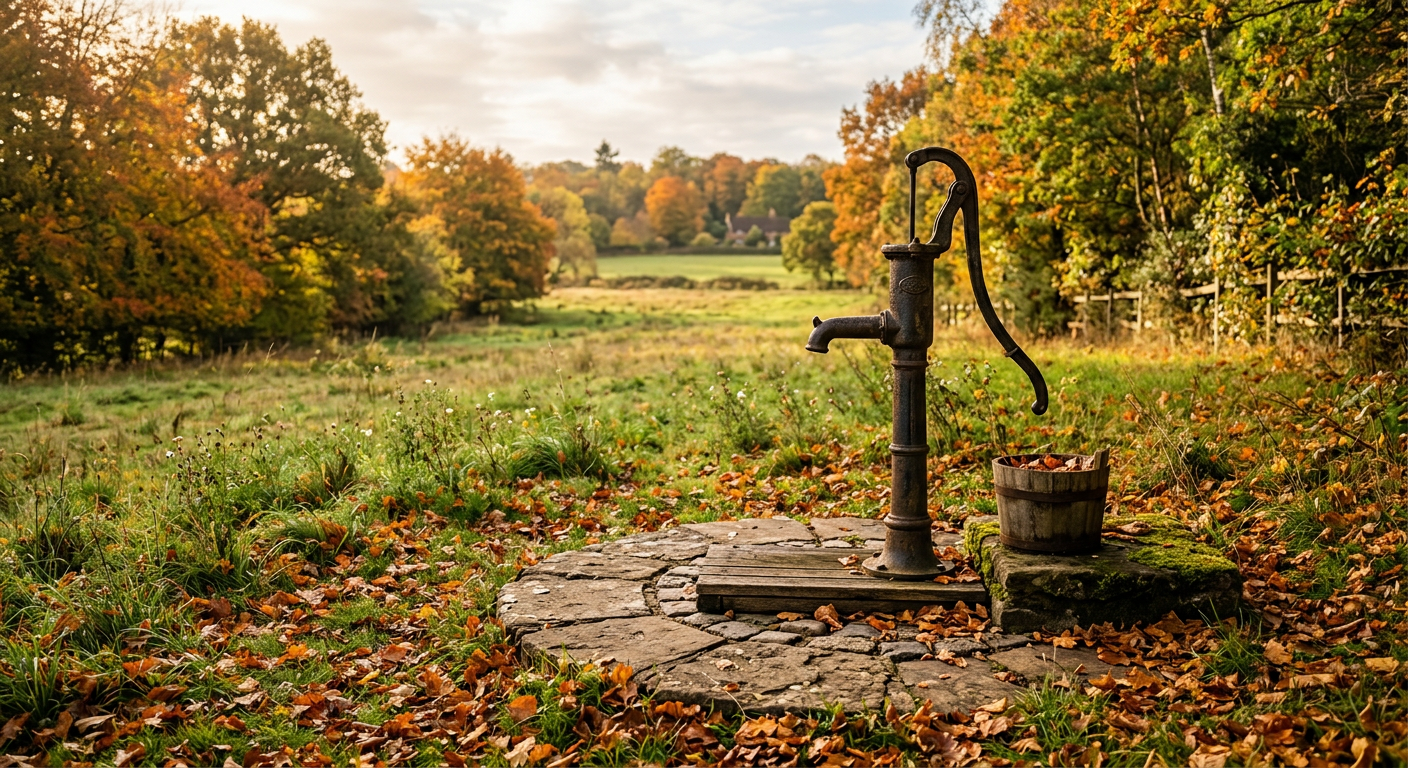
    !A rustic water well on a rural lot, a key factor in how to choose a homestead property for beginners.

    Budgeting Beyond the Purchase Price

    It’s easy to get caught up in the listed price of the land, but the true cost of setting up a homestead goes far beyond that initial mortgage payment. When thinking about how to choose a homestead property for beginners, remember that the cheapest land isn’t always the least expensive in the long run. Our family learned this lesson the hard way.

    Infrastructure Costs

    If the property doesn’t have a well, septic system, or power hookup, you’ll need to budget for those. We looked at one property that seemed like a steal, but digging a new well was estimated at $15,000 and installing a septic system another $10,000-$20,000 – suddenly, it wasn’t such a bargain! Get quotes for these major projects before making an offer.

    * Well Drilling: Can range from $5,000 to $25,000+ depending on depth and location.

    * Septic System: Installation averages $10,000-$30,000, varying greatly by system type and soil conditions.

    * Utility Hookups: Bringing power or internet to a remote property can be surprisingly expensive, sometimes tens of thousands of dollars per pole.

    * Fencing: Essential for animals and gardens; costs add up quickly for hundreds or thousands of feet.

    Land Improvements and Tools

    Once you own the land, the work (and spending) really begins. You’ll need tools: a good tractor or four-wheeler, chainsaws, gardening implements, maybe even a small backhoe. There’s also the cost of amending soil, clearing brush, building outbuildings, and establishing gardens or pastures. We initially estimated about 15-20% of our property purchase price for initial setup costs in the first two years, and we still went over!

    * Land Clearing: Removing trees, brush, or old structures.

    * Soil Amendment: Truckloads of compost, manure, or other organic matter.

    * Outbuildings: Chicken coops, sheds, barns.

    * Access Roads/Driveways: If the property lacks good access.

    💡 Pro Tips

    * Walk the Property (Multiple Times!): Visit in different seasons if possible. See how water drains after a rain. Check for shade patterns in summer and winter.

    * Talk to the Locals: Chat with neighbors, post office staff, or folks at the local feed store. They often have invaluable insights about the area, microclimates, and community.

    * Hire a Homestead-Savvy Realtor: Finding a realtor who understands rural properties and homesteading needs can make a huge difference. They’ll know what questions to ask and what pitfalls to look for.

    * Check Cell Service & Internet: Don’t assume. Many rural areas have spotty service, which can be tough if you work from home or need emergency access.

    * Future-Proof Your Purchase: Think 5, 10, even 20 years down the line. Will this property still meet your evolving homesteading goals?

    ⚠️ Beginner Mistakes to Avoid

    * Buying Blindly: Don’t fall in love with the pretty pictures online. Always visit the property in person, multiple times if possible.

    * Ignoring Soil Tests: Planting in poor soil will lead to frustration and wasted effort. At least do a basic home test kit or dig a few holes to inspect the soil structure.

    * Underestimating Water Needs: Water isn’t just for drinking; it’s for animals, gardens, and general homestead operations. Assume you’ll need more than you think.

    * Overlooking Zoning/HOA Rules: These can kill your homesteading dreams before they even start. Verify everything with local authorities.

    * Budgeting Only for Purchase Price: This is probably the biggest mistake. Always factor in significant costs for infrastructure, tools, and land development.

    Frequently Asked Questions

    Is 1 acre enough for a homestead?

    The answer really depends on your goals! For intensive gardening, a small flock of chickens, and perhaps a few fruit trees, 1 acre can be very productive. For grazing larger animals like cows or going completely off-grid with extensive solar arrays, you’ll likely need more. For some inspiration on maximizing small spaces, you could check out this post on homestead layouts for beginners.

    What are the most important things to look for in a homestead property?

    When learning how to choose a homestead property for beginners, the absolute must-haves are reliable water access, decent soil, and favorable zoning. After that, look for defensible space, good sun exposure for gardening, and practical access to infrastructure or community when needed. Your personal goals will help prioritize the rest.

    How much does it cost to start a homestead from scratch?

    Ah, the million-dollar question! Starting a homestead from scratch can range from tens of thousands for a small, developed property to hundreds of thousands or even millions for raw land that needs all new infrastructure. We spent about $150,000 on our 5-acre property and then another $50,000+ in the first three years on well, septic upgrades, fencing, garden beds, and tools. Starting on a budget is possible, but prepare for ongoing expenses!

    Should I buy raw land or a property with existing infrastructure?

    For beginners, a property with existing (and functional!) infrastructure like a well, septic system, and a habitable dwelling is often much easier and faster to get started on. While raw land can be cheaper upfront, the costs and time to develop it can quickly surpass the savings. We opted for a property with a fixer-upper house and a working well/septic, which allowed us to move in and start gardening immediately.

    How do I check for flood zones or other environmental hazards?

    You can typically check federal flood maps (FEMA maps) online for any property address. Your local county planning department can also provide information on environmental overlays, wetlands, or other hazard zones. It’s smart to also visually inspect the land for signs of past flooding or erosion, especially after heavy rains.

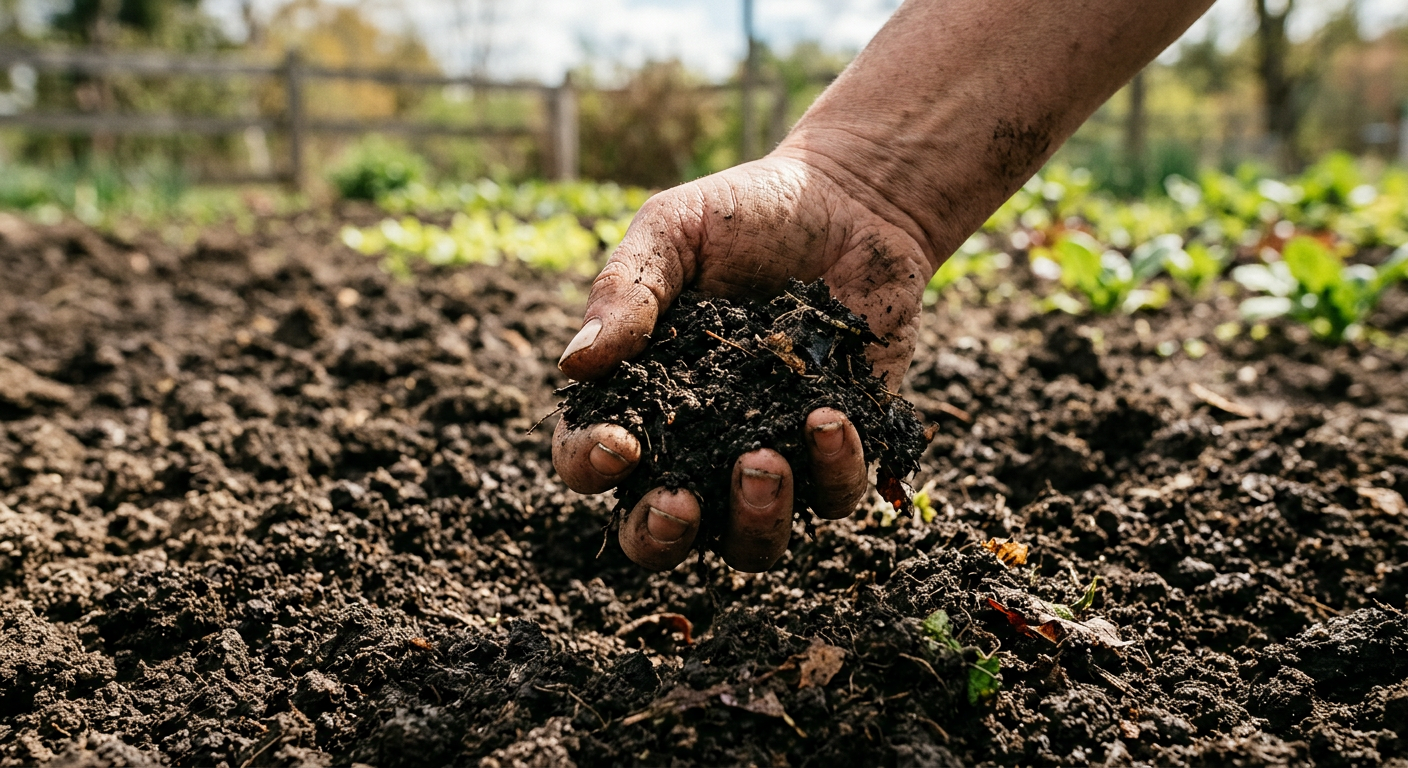
    !Rich fertile soil in a hand, illustrating how to choose a homestead property for beginners with good land.

    Finding Your Place Under the Sun

    Choosing a homestead property is one of the most significant decisions you’ll make on your self-sufficiency journey. It’s exhilarating, daunting, and incredibly rewarding when you finally find ‘the one.’ Remember that no property is perfect, and every piece of land comes with its own set of challenges and opportunities. Our advice? Be patient, do your homework, and prioritize the foundational elements like water and soil. With a clear vision and a practical mindset, you’ll be well on your way to breaking ground on your own piece of paradise.

    What’s your biggest challenge with finding the perfect homestead property? I’d love to hear your story in the comments!

    🔧 See Recommended Tools →


    📚 More From Our Homestead

    Ready to Start Your Homestead Journey?

    Free guides, checklists, and tools to help you build your dream homestead.
    Explore Free Resources →


    👉 Related: Easiest Homesteading Animals to Raise? Here’s Our Story

    👉 Related: Homesteading Without Land? Get Experience Now!

    👉 Related: Maintaining Off-Grid Appliances and Systems for Longevity

  • Raising Backyard Chickens: Pros, Cons & What to Expect

    !A flock of hens grazing in a garden, highlighting raising backyard chickens for eggs pros cons.

    When we first moved to our homestead, one of the very first things my partner and I talked about was getting chickens. Fresh eggs every morning? The idea was just so appealing! We pictured happy hens clucking around, scratching in the dirt, and providing us with breakfast — it sounded like a dream. And in many ways, it truly has been, but it wasn’t without its steep learning curve and a few unexpected realities.

    🎯 Quick Answer: Raising backyard chickens for eggs offers incredibly fresh, nutritious food and a rewarding connection to your food source, but it also comes with daily responsibilities, potential costs, and the need to protect them from predators. It’s a commitment, but one that many homesteaders find incredibly worthwhile for the consistent supply of fresh eggs.

    🌱 Start Your Homestead Plan →

    🔑 Key Takeaways

    * Fresh Eggs are Unbeatable: The taste and nutrition of homegrown eggs far surpass store-bought.

    * Daily Commitment: Chickens require daily feeding, watering, and coop maintenance, rain or shine.

    * Upfront Costs: Expect initial expenses for chicks, coop, feed, and supplies – we spent about $500 to get started with 6 hens.

    * Predator Protection is Key: Raccoons, fox, and even hawks are always a threat; secure housing is non-negotiable.

    * Local Ordinance Check: Always verify local laws regarding backyard poultry before investing.

    * Educational for Families: It’s a fantastic way for kids to learn about food systems and animal care.

    !A basket of fresh colorful eggs showing the benefits of raising backyard chickens for eggs pros cons.

    The Unbeatable Pros of Raising Backyard Chickens for Eggs

    There’s a reason homesteaders and backyard enthusiasts alike rave about their flock. For us, the benefits quickly outweighed the initial effort. Here’s why we love our hens.

    Fresh, Nutritious, and Delicious Eggs

    Let’s be honest, this is usually the number one draw, and for good reason! The eggs you’ll get from your own hens are in a league of their own. We noticed a difference immediately, especially in the vibrant orange yolks. Our kids, who were initially skeptical, now swear by “homestead eggs.”

    * Taste: They simply taste better. Richer, fuller flavor. It’s hard to go back to store-bought once you’ve experienced fresh.

    * Nutrition: Studies suggest backyard eggs can have higher levels of Omega-3 fatty acids, Vitamin D, and lower cholesterol, especially if your hens free-range. Our flock gets to forage for bugs and greens, which we believe makes a big difference.

    * Availability: No more running to the store just for eggs! We usually have more than enough for our family of four, plus some to share with neighbors.

    This next part? Nobody talks about it, but it changed everything for us.

    Pest Control and Garden Helpers

    When we first tried growing a small vegetable garden, the slugs and grasshoppers were relentless. This is where our chickens became invaluable! We trained them to respect our raised beds (mostly!) and they feast on garden pests.

    * Bug Exterminators: They’re fantastic at controlling insects like grasshoppers, slugs, and grubs without chemicals. Just remember to supervise them around delicate seedlings. We let ours free-range in the garden area for an hour or so each evening after harvest, and it’s a game-changer.

    * Weed Control: Chickens love to scratch and peck at weeds, effectively tilling and clearing areas. We’ve used them to clear out patches before planting our fall cover crops.

    * Fertilizer Producers: Chicken manure is a rich source of nitrogen, perfect for composting and enriching your garden soil. We collect it from the coop and add it directly to our compost piles. It’s a key ingredient in our how to start a vegetable garden in a small backyard.

    Curious about the flip side? It’s not all sunshine and perfectly laid eggs! I’ll cover the real cons next.

    The Real Cons of Raising Backyard Chickens for Eggs

    Before you dive headfirst into chicken ownership, it’s crucial to understand the challenges. We certainly faced a few surprises! It’s not always the idyllic farm life depicted in magazines.

    Daily Commitment and Responsibility

    Chickens, like any pet or livestock, require consistent care. This isn’t a set it and forget it kind of deal. Even on vacation, we need reliable sitters.

    * Daily Chores: Feed, fresh water, and egg collection need to happen every single day. We spend about 15-20 minutes daily on basic chicken care.

    * Coop Maintenance: Their coop needs regular cleaning. We deep clean our coop monthly, and spot clean bedding weekly to keep things sanitary and minimize odors. A clean coop is crucial for healthy hens and disease prevention.

    * Weather Challenges: Whether it’s scorching summer heat or frigid winter snow, you’ll need to ensure they have adequate shelter, ventilation, and unfrozen water. Winter for us means checking water multiple times a day.

    Keep reading — this is where most people mess up.

    Upfront Costs and Ongoing Expenses

    Getting started with chickens isn’t free. We budgeted, but some things still popped up!

    * Initial Setup: You’ll need to buy chicks (we spent $45 for 6 chicks), a brooder setup (heat lamp, feeder, waterer – about $75), a coop (we built ours for around $300 in materials, but a pre-made coop can easily be $500-$1500), and fencing.

    * Feed Costs: This is the biggest ongoing expense. A 50lb bag of layer feed costs us about $20-$25 and lasts our 6 hens about 3-4 weeks. Factor in treats, grit, and oyster shell too.

    * Health and Supplies: While usually hardy, chickens can get sick. Vet bills for chickens are rare, but you might need remedies, wormers, or mite treatments. We also keep diatomaceous earth on hand for pest control, which adds a few dollars here and there.

    Here’s an important point: not every chicken lays forever. I’ll get into that next!

    📋 Get the Beginner Checklist →

    Predators and Pest Attractions

    This is a big one. Nature wants your chickens, and trust me, they’re relentless! We learned this the hard way when a raccoon got into our first, less secure coop.

    * Constant Threat: Raccoons, foxes, hawks, owls, weasels, stray dogs, and even neighborhood cats are all potential predators. A secure coop is paramount. We use hardware cloth, not chicken wire, for all openings and bury our fence line to prevent digging predators.

    * Rodents: Chicken feed can attract mice and rats. Store feed in airtight metal containers and keep the coop clean to deter them. We actually use a movable chicken tractor some seasons to keep them moving off the same ground.

    Egg Production Naturally Declines

    When we got our first hens, they were egg-laying machines! But like all things, it doesn’t last forever.

    * Peak Production: Most hens lay best for their first 2-3 years. After that, production typically declines. Some breeds lay longer than others.

    * Winter Slowdown: Shorter daylight hours in winter mean fewer eggs, sometimes none at all, without supplemental lighting. This is completely normal.

    * Molting: Once a year, hens will stop laying to regrow their feathers. This can last 6-12 weeks, and it’s a time to make sure they get extra protein!

    Don’t skip this — it’ll save you hours (and money).

    !A secure wooden coop illustrating the setup for raising backyard chickens for eggs pros cons.

    💡 Pro Tips

    * Start Small: Begin with 3-6 hens. This allows you to learn the ropes without being overwhelmed. We started with six and it felt just right.

    * Research Breeds: Choose breeds known for good egg production, docile temperaments, and suitability for your climate. For beginners, breeds like Rhode Island Reds, Plymouth Rocks, or Orpingtons are fantastic choices. We have a mix, and our Wyandottes are incredibly friendly!

    * Build Predator-Proof from Day One: Don’t skimp on coop security. Bury hardware cloth, use sturdy latches, and inspect regularly. It’s much easier to do it right the first time than to fix it after a loss.

    * Compost Everything: Use your chicken coop clean-out material (straw, shavings, manure) directly into your compost pile. It’s a fantastic nitrogen source and reduces waste.

    * Observe Your Flock: Spend a few minutes each day just watching your chickens. You’ll quickly learn their normal behaviors, making it easier to spot when something is off, like an illness or bullying.

    ⚠️ Beginner Mistakes to Avoid

    * Not checking local ordinances: This is huge! Many cities have rules about the number of chickens, roosters, and coop setbacks. Check your HOA too. We have friends who had to rehome their flock because they didn’t do their homework.

    Using chicken wire for security: Chicken wire keeps chickens in, but it doesn’t keep predators out*. Raccoons can tear right through it. Invest in 1/2″ hardware cloth for secure coops.

    * Overfeeding treats: While chickens love treats, too many can lead to obesity and reduced egg production. Stick to 10% or less of their daily intake, focusing on healthy options like kitchen scraps or scratch grains.

    * Ignoring ventilation: A lack of proper airflow in the coop can lead to respiratory issues. Ensure there are vents high up for hot air to escape, but still protect from drafts in winter.

    Buying roosters unintentionally: Unless you want* fertile eggs and baby chicks, avoid roosters. They can be noisy, aggressive, and aren’t necessary for egg production. Most hatcheries will specify whether chicks are sexed hens or straight run (unsexed).

    !Child feeding a chicken, an educational benefit of raising backyard chickens for eggs pros cons.

    Frequently Asked Questions

    🥚 How many eggs will a backyard chicken lay?

    Most healthy laying hens will produce 4-6 eggs per week during their peak laying years (ages 1-3). This can vary greatly by breed, feed quality, daylight hours, and the individual hen’s health. We average about 4-5 eggs per day from our 6 hens during spring and summer.

    💰 What’s the cost of raising backyard chickens for eggs?

    Initial costs can range from $200 (for a very DIY setup) to $1,500+ (for a fancy pre-built coop and equipment). Ongoing costs for feed, grit, and oyster shell average about $20-$30 per month for a small flock of 4-6 hens. So, while you get those fresh eggs, it’s generally not cheaper than store-bought eggs if you factor in all costs.

    ⚖️ Do I need a rooster for my hens to lay eggs?

    No, absolutely not! Hens will lay eggs whether a rooster is present or not. The only difference is that eggs laid by hens without a rooster will be unfertilized and will never develop into chicks. If you want consistently delicious eating eggs, a rooster is unnecessary.

    🏡 How much space do chickens need?

    Inside the coop, each standard-sized hen needs about 3-4 square feet. For a run or outdoor space, plan on 8-10 square feet per bird if they won’t be free-ranging. More space is always better to prevent boredom and pecking issues. We aim for closer to 10-15 sq ft per bird in our run because we don’t always have time for full free-range.

    🕰 How long do chickens live?

    With good care, backyard chickens can live for 5-10 years. However, their peak egg-laying years are typically the first 2-3 years. After that, production usually tapers off, though many will continue to lay periodically for several more years.

    Honestly, bringing chickens onto our homestead has been one of the most rewarding decisions we’ve made. Yes, there are chores, unexpected costs, and a constant battle against predators, but the joy of collecting warm, fresh eggs every morning, and watching our happy flock scratch around, makes it all worth it. It’s a tangible connection to our food and a constant source of entertainment (and sometimes exasperation!).

    What’s your biggest challenge with raising backyard chickens for eggs? I’d love to hear your story.

    🔧 See Recommended Tools →


    📚 More From Our Homestead

    Ready to Start Your Homestead Journey?

    Free guides, checklists, and tools to help you build your dream homestead.
    Explore Free Resources →


    👉 Related: Homesteading on a Budget: Our Smart Start Guide

    👉 Related: Mastering: What Essential Homesteading Skills Beginners Need

    👉 Related: Finding Your Homestead: A Beginner’s Property Guide

  • How to Start a Small Backyard Vegetable Garden: Beginner Guide

    How to Start a Vegetable Garden in a Small Backyard: A Beginner’s Guide

    You don’t need a 40-acre farm to grow your own healthy, organic food. In fact, some of the most productive gardens in the world are tucked away in small suburban backyards. If you have at least 100 square feet of space—or even just a sunny patio—you can cultivate a high-yield vegetable garden that reduces your grocery bill and provides fresh flavors you can’t find at the store.

    This guide will walk you through exactly how to start a vegetable garden in a small backyard, focusing on actionable steps, specific measurements, and beginner-friendly techniques.

    1. Plan Your Space: The Power of the Sunny Spot

    Success in a small garden starts with location. Most vegetables require “full sun,” which means a minimum of 6 to 8 hours of direct sunlight per day.

    Assessing Your Backyard

    * Observe the Light: Spend a Saturday tracking the sun. Notice where shadows from your house, fences, or trees fall at 9:00 AM, 12:00 PM, and 4:00 PM.

    * Proximity to Water: Don’t put your garden at the far edge of your yard if your hose doesn’t reach. You are more likely to maintain a garden that is convenient to access.

    * Level Ground: While you can terrace a slope, beginners should aim for the flattest area possible to prevent water runoff and soil erosion.

    2. Choose Your Gardening Method

    In a small backyard, traditional row gardening (like you see on large farms) is inefficient because it wastes space on walking paths. Instead, choose one of these high-intensity methods:

    Raised Beds

    Raised beds are frames (usually 4×4 or 4×8 feet) filled with high-quality soil.

    * Pros: Better drainage, fewer weeds, and the soil warms up faster in spring.

    * Cost: Approximately $50–$150 per bed depending on materials (cedar is best for longevity).

    Vertical Gardening

    When you run out of horizontal space, grow up. Use trellises, cattle panels, or wall-mounted planters.

    * Best Crops for Verticality: Pole beans, cucumbers, peas, and small vining squash.

    Container Gardening

    If your backyard is mostly a concrete patio, use pots.

    * Size Matters: A standard tomato plant needs at least a 5-gallon bucket to thrive. Leafy greens can grow in 6-inch deep window boxes.

    3. Prepare the Soil: The Secret to High Yields

    Your garden is only as good as its soil. In a small space, you cannot afford poor soil quality because every square inch needs to be nutrient-dense.

    The Perfect Soil Mix for Small Gardens

    If using raised beds, avoid using “topsoil” from your yard, which is often heavy and full of weed seeds. Instead, use the “Mel’s Mix” ratio:

    * 1/3 Peat Moss or Coconut Coir (for moisture retention)

    * 1/3 Vermiculite (for aeration)

    * 1/3 Blended Compost (for nutrients—try to mix 3-4 different types of compost)

    4. Selecting Beginner-Friendly, Space-Efficient Crops

    Not all vegetables are suited for small backyards. Avoid “space hogs” like corn, pumpkins, or standard watermelons unless you have a specific vertical plan. Focus on these high-value crops:

    | Vegetable | Recommended Variety | Planting Distance | Why it’s Great for Beginners |

    | :— | :— | :— | :— |

    | Cherry Tomatoes | Sun Gold or Black Cherry | 18-24 inches | Produces hundreds of fruits on one plant. |

    | Leaf Lettuce | Black Seeded Simpson | 4 inches | Can be harvested “cut and come again.” |

    | Zucchini | Raven or Dunja | 24 inches | Extremely prolific; one plant feeds a family. |

    | Bush Beans | Blue Lake 274 | 3 inches | No trellis needed; fast 50-day maturity. |

    | Radishes | Cherry Belle | 2 inches | Ready to eat in just 25 days. |

    5. Layout and Design: The 4×4 Square Foot Method

    For beginners, I highly recommend the Square Foot Gardening (SFG) method. Divide your garden bed into 1×1 foot squares using string or wood lath. This prevents overplanting and helps you visualize exactly how much room each plant needs.

    * 1 per square: Cabbage, Broccoli, Peppers, Tomatoes (staked).

    * 4 per square: Leaf lettuce, Chard, Parsley.

    * 9 per square: Bush beans, Spinach.

    * 16 per square: Carrots, Radishes, Onions.

    6. How to Plant: Seeds vs. Transplants

    When to Buy Seedlings (Transplants)

    Purchase young plants from a nursery if you are starting late in the season or if you want to grow “long season” crops like Tomatoes, Peppers, and Eggplants. This gives you a 6-eight week head start.

    When to Direct Sow (Seeds)

    Plant seeds directly into the garden soil for crops that don’t like their roots disturbed:

    * Root vegetables (Carrots, Radishes, Beets)

    * Beans and Peas

    * Cucumbers and Squash

    7. Essential Maintenance for Small Gardens

    Because plants are packed closer together in a small garden, maintenance is vital to prevent disease and nutrient depletion.

    Watering Right

    * Consistency is Key: Aim for 1 inch of water per week. In the heat of summer, containers may need watering twice a day.

    * Water at the Base: Avoid wetting the leaves, which can lead to fungal issues like powdery mildew.

    Mulching

    Cover the bare soil around your plants with 2 inches of weed-free straw or shredded leaves. This suppresses weeds and keeps the soil moist.

    Fertilizing

    In a high-intensity small garden, plants use up nutrients quickly. Feed your plants with an organic, water-soluble fertilizer every 2-4 weeks during the peak growing season.

    8. Common Beginner Mistakes to Avoid

  • Over-planting: It’s tempting to buy every seed packet in the store. Start with 3–5 of your favorite vegetables to avoid becoming overwhelmed.
  • Ignoring Pests: Check your plants daily. It is much easier to hand-pick five cabbage worms today than to deal with an infestation of 500 next week.
  • Forgetting to Harvest: Many vegetables (like zucchini and beans) stop producing if the fruit is left to grow too large. Harvest early and often to encourage the plant to keep producing.
  • 9. Timeline for Success

    * 6 Weeks Before Frost: Plan layout, build raised beds, and buy seeds.

    * 2 Weeks Before Frost: Amend soil with compost; plant “cool weather” crops like peas and spinach.

    * After Last Frost: Plant “warm weather” crops like tomatoes, peppers, and cucumbers.

    * Mid-Summer: Harvest early crops and replant the empty squares with fall crops like kale or carrots.

    Conclusion

    Starting a vegetable garden in a small backyard is one of the most rewarding projects you can undertake. By focusing on soil health, maximizing vertical space, and choosing high-yield varieties, you can produce a surprising amount of food in a tiny footprint.

    Remember: gardening is a skill learned through practice. Don’t be discouraged if a plant dies—every garden failure is just a lesson for next season. Grip your trowel, get your hands in the dirt, and start growing today!


    📚 More From Our Homestead

    Ready to Start Your Homestead Journey?

    Free guides, checklists, and tools to help you build your dream homestead.
    Explore Free Resources →


    👉 Related: Top Homesteading Books for Beginners 2026: Start Today

    👉 Related: Raising Backyard Chickens: Pros, Cons & What to Expect

    👉 Related: Homesteading on a Budget: Our Smart Start Guide

  • Tiny Farm, Big Rewards: Best Low Maintenance Farm Animals

    Hey there, fellow homestead dreamers! When we first started our journey, the thought of adding animals to our small homestead was exciting, but also… well, a little intimidating. There’s so much conflicting advice out there, and frankly, some of it makes it sound like you need a full-time staff just to keep a chicken alive. But after years of learning, living, and a few comical (and sometimes frustrating) adventures, we’ve discovered that it’s absolutely possible to integrate a bustling farm life into a small footprint without burning yourself out.

    We’ve dedicated ourselves to finding the best low maintenance farm animals for small homesteads – creatures that contribute to our family’s self-sufficiency without demanding every waking hour. Because let’s be real, most of us aren’t quitting our day jobs to become full-time farmers from day one! Our goal was to find animals that fit into our busy lives, providing eggs, meat, milk, or garden helpers, while still leaving us time to enjoy our evenings and weekends.

    🌱 Ready to start your homestead journey? Explore our free guides and tools →

    Today, I want to share our hard-won wisdom and introduce you to the animals that have truly made a difference on our homestead. We’ll talk about what makes an animal “low maintenance,” why they’re perfect for smaller spaces, and give you a realistic peek into what to expect from each one.

    What Makes an Animal “Low Maintenance” for a Small Homestead?

    Before we dive into specific animals, let’s define what we mean by “low maintenance” in the homesteading world. It’s not about ignoring them – no animal is zero maintenance! For us, it boils down to a few key factors:

    * Minimal Daily Input: Can they largely care for themselves, or do they require constant supervision? We’re talking less daily feeding, fewer health issues, and less intricate housing.

    * Space Efficiency: How much land do they actually need? Small homesteads often mean limited acreage, so animals that don’t need vast pastures are key.

    * Foraging Ability: Do they prefer to graze or forage for a significant portion of their food? This reduces feed costs and workload.

    * Hardiness & Health: Are they prone to disease or easily stressed? Robust animals mean fewer vet calls and less worry.

    * Temperament: Are they generally calm and easy to handle? This is especially important if you have kids around or are new to animal husbandry.

    * Return on Investment (Time & Effort): What do you get back for your effort? Eggs, meat, milk, pest control, fertilizer? The more benefits, the better!

    Our Top Picks: The Best Low Maintenance Farm Animals for Small Homesteads

    After years of trial and error (and a few escaped chickens!), these are the animals that have proven their worth on our small, busy homestead.

    #### 1. Chickens: The Homestead Gateway Drug (and Egg Layers!)

    I don’t think there’s a homesteader out there who didn’t start with chickens. And for good reason! They are, hands down, one of the best low maintenance farm animals for small homesteads, especially for beginners.

    * Why we love them: Fresh eggs every day! They are natural pest controllers, turning bugs and kitchen scraps into valuable protein. Their manure is fantastic for the garden (just make sure it composts first!). Plus, they’re just plain entertaining to watch.

    * Maintenance Level: Moderate-Low. Once their coop is set up securely (critter-proof is crucial!), daily tasks are simple: feed, water, egg collection. We spend about 15-20 minutes a day on our flock of 10 hens. Cleaning the coop is a weekly to bi-weekly chore, taking about an hour.

    * Space Needs: Surprisingly little. A good rule of thumb is 3-4 sq ft per bird inside the coop and 8-10 sq ft per bird in the run. We free-range ours whenever possible, but a secure run is essential for safety. Read more about how to build a movable chicken tractor for sustainable pest control to see how we managed space efficiently.

    * Costs: Chicks cost $3-$5 each. A basic coop can be built for a few hundred dollars or bought for $500-$1500+. Feed runs about $20-$30 for a 50lb bag, lasting our small flock a couple of weeks.

    * Our Experience: We started with 6 hens, and quickly realized how much we loved fresh eggs. We’ve found breeds like lớp (Orpingtons, Rhode Island Reds, Wyandottes) to be exceptionally docile and cold-hardy. They lay consistently for 2-3 years, then production tapers off, but they’ll still lay!

    #### 2. Ducks: The Unsung Heroes of Pest Control

    Many new homesteaders overlook ducks, but they really are fantastic, especially if you have a slightly wetter area on your property or struggle with slugs and snails. They’re another strong contender for the best low maintenance farm animals for small homesteads.

    * Why we love them: Ducks are phenomenal foragers, eating tons of slugs, snails, and other garden pests. Their eggs are richer and larger than chicken eggs, fantastic for baking. They are generally more disease-resistant than chickens and less prone to scratching up garden beds (they ‘dab’ rather than scratch).

    * Maintenance Level: Low. Similar to chickens, but they need a water source deeper than just a bowl for dipping their heads. A kiddie pool works perfectly. They also tend to keep their bedding cleaner than chickens!

    * Space Needs: Similar to chickens, but they appreciate having access to a pond or a large tub of water. We dedicate a small, fenced-off corner of our property for their personal spa area.

    * Costs: Ducklings are often $5-$10 each. Housing can be a modified chicken coop, or a simple, secure shed.

    * Our Experience: Our five Embden ducks are hilarious and industrious. They gobble up pests that chickens ignore, and their eggs are a prized commodity! They do make a bit more mud around their water source, but it’s a small price to pay for pest control and delicious eggs.

    #### 3. Rabbits: Meat, Manure, and Mirth

    If you’re interested in a sustainable meat source or high-quality fertilizer, rabbits are hard to beat for a small footprint. They’re quiet, clean, and incredibly efficient.

    * Why we love them: They multiply quickly, providing a sustainable meat source (if that’s your goal) with a small feed input. Their “bunny berries” are cold manure, meaning you can put it directly on your garden beds without composting, enriching your soil immediately. They’re also relatively quiet and don’t take up much space.

    * Maintenance Level: Moderate-Low. Daily feeding and watering, plus weekly cage cleaning. The biggest chore is keeping their cages clean to prevent ammonia buildup and health issues.

    * Space Needs: Very little. A comfortable hutch can house 1-2 rabbits. For breeding, you’ll need multiple hutches. We use stacked cages to save space.

    * Costs: Breeding stock can range from $30-$100 per rabbit depending on the breed. Hutches can be homemade or purchased for $50-$200 each. Feed costs are low, as they munch on hay and a small amount of pellets.

    * Our Experience: We raised New Zealand Whites for a few years and found them to be incredibly efficient. The fresh manure was a game-changer for our raised beds – talk about a nutrient boost! It perfectly complemented our small backyard vegetable garden. We harvested about 30 rabbits a year from 2 does and 1 buck, providing a significant portion of our family’s meat.

    📋 Free Download: Get our Small Homestead Animal Starter Checklist →

    #### 4. Quail: Compact Egg Machines

    If you’re really tight on space, quail are your answer. These tiny birds are phenomenal egg layers and can even provide meat in a surprisingly small footprint.

    * Why we love them: They take up minimal space – you can house a flock of 20-30 quail in the same area as 2-3 chickens. They mature and start laying eggs incredibly fast (around 6-8 weeks!). Their eggs are small but delicious and packed with nutrients. They’re also very quiet, making them ideal for urban or suburban homesteads.

    * Maintenance Level: Low. Daily feeding and watering. Their small size makes cleaning their cages a bit quicker than larger birds.

    * Space Needs: Minimal. A 2’x3’ cage can comfortably house 10-15 Coturnix quail. They thrive in secure, enclosed aviaries or cages.

    * Costs: Quail chicks are inexpensive ($1-$3 each), or you can buy fertile eggs and hatch them yourself. Cages are relatively cheap to build or buy.

    * Our Experience: We currently have a small flock of Bobwhite quail and they are awesome! They lay an egg almost every day, and their chirping is quite soothing. We keep them in a large converted rabbit hutch, and it’s been fantastic for fresh eggs without needing much land. We even harvest some for meat in the fall – a delicate, tasty treat.

    #### 5. Goats: The Energetic Land Clearers (Choose Wisely!)

    Now, goats typically wouldn’t make a “low maintenance” list for everyone, but if you choose the right breed and have issues with brush or weeds, they can actually be a huge asset to a small homestead. We’re specifically talking about smaller, dairy or fiber breeds, not full-sized meat goats.

    * Why we love them: Dairy goats provide fresh milk, which can be turned into cheese, yogurt, and soap. Fiber goats (like Angoras or Cashmeres) offer luxurious wool. They are also fantastic at clearing brush, acting as living lawnmowers and weed-eaters.

    * Maintenance Level: Moderate. They do require more daily attention than chickens or rabbits. Daily milking for dairy goats, secure fencing (goats are escape artists!), and hoof trimming are regular tasks. They are very social and need companionship.

    * Space Needs: More than other animals on this list, but miniature breeds like Nigerian Dwarfs or Pygmies can thrive on 1/4 to 1/2 acre with good browsing. We have two Nigerian Dwarfs on about half an acre, and they keep the overgrowth at bay nicely.

    * Costs: Breeding stock varies widely, from $200-$500+ per animal. Fencing can be a significant investment ($500-$2000 for good goat fence). Feed is primarily hay, with supplemental grain for milking does.

    * Our Experience: Our two Nigerian Dwarf does, Buttercup and Daisy, are a chaotic joy. They supply us with plenty of delicious milk for our family, and their antics keep us laughing. Yes, they require more effort than our chickens – especially the daily milking and constant fence checks – but the fresh milk products make it worth it for us. They’ve also cleared out so much invasive brush on the edge of our property that would have taken us weeks of manual labor!

    Setting Up for Success: Essential Tips for Small Homestead Animals

    No matter which of the best low maintenance farm animals for small homesteads you choose, a good setup is paramount for keeping them low-maintenance in the long run.

    * Secure Housing: This is non-negotiable. Predators are everywhere, and a well-built, predator-proof coop or hutch saves endless heartache. When we were first setting up our chicken coop, we spent a solid weekend making sure every crack and crevice was secured, and it’s paid off for years.

    * Water, Water, Water: Fresh, clean water is essential, and often overlooked. Bigger waterers mean less frequent refilling. Consider automated water systems if feasible.

    * Nutritional Feed: Don’t skimp on quality feed. Healthy animals are low-maintenance animals. Supplement with kitchen scraps and garden produce where appropriate.

    * Pasture/Foraging Management: If your animals forage, rotate them to fresh ground to prevent overgrazing, parasite buildup, and mud pits. This also helps regenerate your soil and reduce feed costs.

    * Know Your Local Regulations: Check with your municipality about animal restrictions, especially if you’re in an urban or suburban area. You don’t want to get attached to a flock only to find out you have to rehome them!

    * Emergency Plan: Have a vet’s number on hand, and know basic first aid for your animals. Things happen, and being prepared minimizes stress.

    FAQ: Your Burning Questions About Small Homestead Animals

    Got questions? We’ve heard them all! Here are some common ones about keeping the best low maintenance farm animals for small homesteads.

    Q: How much land do I really need for animals?

    A: Less than you think! For chickens or rabbits, you can start with a backyard-sized space. Ducks and quail also don’t need acres. Goats require more space, typically a quarter-acre minimum for two miniatures, but they’re great at utilizing brushy areas. The key is efficient design and rotation.

    Q: What about winter care? Do low-maintenance animals become high-maintenance then?

    A: Winter does increase the workload slightly, mostly around keeping water from freezing and ensuring adequate ventilation without drafts. However, hardy breeds of the animals mentioned (like cold-tolerant chickens or goats with good shelter) remain relatively low-maintenance. We use heated dog bowls for water and deep litter method in the coop to reduce winter chores.

    Q: Can I mix different types of animals on a small homestead?

    A: Yes, carefully! We successfully keep chickens and ducks together. They generally coexist well, though ducks need extra water access. Mixing species like goats with chickens can work but requires watchful eyes and separate housing/feeding areas to prevent bullying or disease transmission. Research specific animal compatibilities thoroughly.

    Q: Is it expensive to get started with farm animals?

    A: The initial setup can be, but it doesn’t have to break the bank. You can often find used coops or hutches, or build them yourself. Chicks or ducklings are cheap, and adult animals can sometimes be found for free or low cost from other homesteaders reducing their stock. Our first chicken coop was built almost entirely from reclaimed pallets, keeping costs under $50!

    Q: How do these animals contribute to self-sufficiency?

    A: Immensely! Eggs provide protein, rabbits and quail can provide meat. Goats give milk for dairy products. All of them produce valuable manure for your garden, reducing the need for chemical fertilizers. Chickens and ducks provide pest control. It’s a beautiful, symbiotic cycle!

    What We Use & Recommend on Our Homestead

    We’ve tried a lot of products over the years, and these are the ones that have truly stood the test of time and homesteader wear-and-tear. These are what we actually use on our homestead and make our animal chores that much easier:

    * Galvanized Poultry Waterers: (Link to a general poultry watering resource on UseHomesteadOS) We prefer 5-gallon metal ones. They hold a lot of water and are easy to clean.

    * Hardware Cloth (1/2″ mesh): (Link to a general fencing/hardware cloth resource on UseHomesteadOS) Essential for predator-proofing coops and runs. We learned the hard way that chicken wire is NOT enough!

    * The Encyclopedia of Country Living: This book is practically our homesteading bible. It covers everything from animal care to preserving food.

    * Heavy Duty Wheelbarrow: Trust us, you’ll be moving a lot of feed, hay, and manure. A good quality, durable wheelbarrow is worth every penny.

    Bringing animals onto your small homestead is a rewarding adventure that adds so much life and purpose to your property. By choosing the best low maintenance farm animals for small homesteads, you set yourself up for success, enjoyment, and a truly self-sufficient lifestyle without constant overwhelm.

    Don’t let the fear of too much work stop you! Start small, research your chosen animals thoroughly, and enjoy the incredible journey. We’re always learning and growing here on our homestead, and we’d love for you to join us.

    For more homesteading tips, guides, and to find all the resources discussed today, explore usehomesteados.com. Bookmark us, subscribe to our newsletter, and let’s keep growing together!


    📚 More From Our Homestead

    Ready to Start Your Homestead Journey?

    Free guides, checklists, and tools to help you build your dream homestead.
    Explore Free Resources →


    👉 Related: Top Homesteading Books for Beginners 2026: Start Today

    👉 Related: Raising Backyard Chickens: Pros, Cons & What to Expect

  • Urban Homesteading with Kids: Start Smart Today!

    Hey there, fellow dreamers! My heart races a little every time I hear someone talk about bringing a bit of the farm to the city, especially when they ask, “How to get started urban homesteading with kids?” It warms my soul because that’s exactly where our journey began, right in our cozy suburban backyard! We might have visions of sprawling acres, but the truth is, a surprising amount of self-sufficiency can happen on a small patch of land, even with little hands eager to “help” (and, let’s be honest, sometimes “rearrange” your meticulously planted rows!).

    When we first dipped our toes into urban homesteading, our kids were tiny — 3 and 5 years old. My husband, Mark, and I knew we wanted to teach them where food truly comes from, beyond a grocery store shelf. We wanted to slow down, connect with nature, and build a more resilient life, right in our neighborhood. The key for us was starting small, involving the kids every step of the way, and accepting that perfection wasn’t the goal. Muddy boots, crooked carrots, and a few escaped chickens became part of our charm. If you’re looking to cultivate a little bit of country in your city life and want to know how to get started urban homesteading with kids, you’ve come to the right place. We’ll walk through our family’s experiences, sharing the ups, downs, and invaluable lessons we’ve learned.

    Why Urban Homesteading with Kids is a Game-Changer

    Honestly, I can’t imagine our family life without our homesteading adventures. It’s not just about growing food; it’s about growing people. For us, having our children involved from day one transformed mundane tasks into magical discoveries. They’ve learned patience waiting for seeds to sprout, responsibility caring for our animals, and the incredible satisfaction of eating something they helped grow or harvest.

    * Connection to Nature: Even in the city, there’s immense joy in observing a worm, understanding the life cycle of a plant, or watching a bee pollinate a flower. Our kids spend hours outside, eyes wide with wonder.

    * Practical Skills: From planting seeds to harvesting vegetables and even helping with animal chores, they’re developing skills that many kids today just don’t get. They know how to identify edible plants, understand composting, and have a healthy respect for hard work.

    * Healthy Eating Habits: When they’ve seen a tomato grow from a tiny flower, they’re far more likely to eat it! Our kids eat an astonishing variety of fruits and vegetables, and I truly believe urban homesteading is why.

    * Family Bonding: These shared projects, whether it’s building a raised bed or collecting eggs, become cherished memories. We’re working towards a common goal, learning and laughing together.

    Starting Small: Your First Steps to Urban Homesteading with Kids

    One of the biggest mistakes beginners make is trying to do too much, too fast. We certainly felt that pull! But trust me, a few small, consistent wins build momentum. Think about what truly excites your family and your kids.

    1. Plan Your Garden Together

    Before you even think about digging, sit down as a family and dream! What do you all want to grow? Let the kids draw pictures of their ideal garden. When we planned our first significant urban garden, we gave each child a small corner of a raised bed to choose one thing they wanted to grow. Our daughter, Lily, insisted on cultivating “super sweet peas” (which she then ate straight off the vine!), while our son, Finn, was obsessed with finding the biggest pumpkin seed.

    Consider your space: Do you have a sunny balcony? A small backyard? Raised beds are fantastic for urban spaces because they offer better drainage, fewer weeds, and you can control the soil quality. We started with two 4×8 foot raised beds – a manageable size for a family of four. You can find simple plans online, or purchase kits. Our first two beds cost us about $150 in lumber and another $200 for good quality organic soil, which felt like a significant investment then, but paid for itself in fresh produce many times over. Learn more about planning your garden in our post, How to Start a Small Backyard Vegetable Garden: Beginner Guide.

    2. Choose Kid-Friendly Plants (and Tasks!)

    Gardening needs to be fun and engaging, especially when you’re figure out how to get started urban homesteading with kids. Here are some plants and tasks that are great for little helpers:

    * Seeds that are easy to handle: Peas, beans, squash, corn. Avoid tiny seeds like carrots for their first go, unless you pre-seed them on a paper strip.

    * Fast growers: Radishes (harvest in 3-4 weeks!), bush beans, lettuce. Quick success keeps interest high.

    * Edible flowers: Nasturtiums (peppery!) and calendula are beautiful and safe for kids to pick and taste.

    * Herbs: Mint, basil, and chives are incredibly rewarding and smell amazing! We’ve got a whole post about Best Perennial Herbs for Cold Climate Homesteads if you’re looking for hardy options.

    Kid-friendly tasks:

    * Watering (with a small watering can, supervision optional but recommended to avoid over-watering!)

    * Harvesting (cucumbers, cherry tomatoes, berries, peas are great for little hands)

    * “Helping” with weeding (teach them what’s a weed and what’s not!)

    * Mixing soil with compost

    Incorporating Small Livestock: When You’re Ready

    For many, the thought of urban chickens is the cornerstone of how to get started urban homesteading with kids. We waited a full year before getting chickens, making sure our garden was established and we felt confident in our capacity. Check your local ordinances first – this is crucial! Many cities allow a small number of hens (roosters are usually a no-go due to noise).

    Urban Chickens: Our Family’s Feathered Friends

    We started with three Rhode Island Reds, which cost us about $5 each as chicks. We built a small coop ourselves from reclaimed palets and some new lumber (around $150 total), and bought a bag of organic feed for about $25. Our kids absolutely adored the chicks, holding them gently and watching them grow. Collecting eggs became the highlight of their day!

    Tips for urban chickens and kids:

    * Build a secure coop: Predators are everywhere, even in the city. We added a run with mesh buried a foot deep to deter digging predators.

    * Teach gentle handling: Chickens are hardy but can get stressed. Supervise interaction, especially at first.

    * Daily chores: Assign small responsibilities like filling the waterer or scattering scratch grains. Our kids learned valuable consistency.

    * Egg safety: Teach them how to collect eggs carefully and inspect them.

    Beyond Chickens: Thinking Small and Sustainable

    If chickens aren’t feasible, consider other small animals:

    * Worm Composting (Vermiculture): Not livestock in the traditional sense, but red wigglers are incredible decomposers! We have a small worm bin under our kitchen sink. It cost us about $30 for the bin and worms, and the kids love feeding them kitchen scraps. Plus, you get fantastic “worm castings” for your garden.

    * Composting: Even without worms, a simple backyard compost pile or tumbler is an easy way to reduce waste and create nutrient-rich soil. Our kids take great pride in adding their apple cores and banana peels.

    Maximizing Your Small Space for Urban Homesteading with Kids

    Don’t let a small footprint discourage you! Urban homesteading is all about creativity. We live on a standard city lot, about 0.15 acres, but we’ve squeezed a lot into it.

    Vertical Gardening Solutions

    When you can’t go out, go up! Vertical gardens are a lifesaver. We use stacked planters for herbs, hanging baskets for strawberries, and a vertical wall planter for lettuce. This technique significantly increased our yield without taking up precious ground space.

    Edible Landscaping

    Replace ornamental shrubs with edible ones! Think blueberry bushes, dwarf fruit trees (they can even be grown in large pots!), or perennial herbs like oregano and thyme as ground cover. We planted a dwarf apple tree that gives us about 30-40 apples a year – perfect for pies. Our kids love watching the fruit develop. For more ideas on efficient layouts, check out Your First Homestead Layout: Simple Steps for Beginners.

    Water Conservation

    Water is a precious resource. We installed a 50-gallon rain barrel that connects to our gutter, costing about $100. It’s amazing how much water it collects for our garden, and the kids love checking its level. This is a simple yet impactful step towards sustainability. Learn more from our post on Best Small Scale Rainwater Systems for Off-Grid Living.

    Lessons Learned (and Laughed About) While Urban Homesteading with Kids

    Our journey hasn’t been without its share of hilarious mishaps and learning curves. I remember one summer when our zucchini patch absolutely exploded. We had so much zucchini, we were leaving it on neighbors’ doorsteps in the dead of night like garden ninjas!

    * Patience is a Virtue: Growing food teaches incredible patience. Kids learn that things don’t happen instantly.

    * Expect Imperfection: Not every seed will sprout. Pests will attack. Animals will get into things. It’s all part of the process. “Failure” is just a step towards learning.

    * Involve Them in Everything: Even the less glamorous tasks, like turning the compost pile (our kids call it “feeding the stink heap”), can be fun if approached with the right attitude.

    * Celebrate Small Wins: The first sprout, the first egg, the first perfectly ripe tomato. Make a big deal out of these moments!

    * Flexibility is Key: Kids’ interests change. Some days they’ll be super engaged; other days, not so much. Don’t force it. Let it be a natural part of family life.

    At the end of the day, how to get started urban homesteading with kids isn’t about perfectly manicured gardens or maximum yields. It’s about the journey, the discovery, and the invaluable life lessons you impart. It’s about raising independent, resourceful, and nature-loving humans capable of contributing to a more sustainable future.

    FAQ: Urban Homesteading with Kids

    Q: What’s the absolute best first step for urban homesteading with kids?

    A: My top recommendation is to start a small, easy-to-manage vegetable garden together. Choose 3-5 quick-growing, kid-friendly plants like radishes, bush beans, or cherry tomatoes. Give them their own small patch or pot to be solely responsible for. Success in this small venture will build their confidence and enthusiasm for more!

    Q: How much space do you really need for urban homesteading?

    A: Surprisingly little! We’ve seen incredible things done on balconies, patios, and small backyards. Even a sunny windowsill can yield herbs and microgreens. The key is to think vertically with planters and trellises, and prioritize plants with high yields per square foot.

    Q: Are chickens too much work for an urban setting with kids?

    A: Chickens do require daily care, but it’s very manageable, especially with a good coop setup. Our kids quickly took over egg collection and helping with water and feed. The benefits – fresh eggs, pest control, and endless entertainment – often outweigh the work. Just make sure to check your city’s regulations first!

    Q: What are some cost-saving tips for starting an urban homestead?

    A: Start with seeds instead of plant starts, hunt for free compost or use your own kitchen scraps, build raised beds from reclaimed materials (like pallets), and look for local plant swaps. We’ve saved a ton by using DIY solutions. Check out Essential Homesteading Tools to Buy First? Our Top Picks! for smart initial investments.

    Q: How do you keep kids from getting bored with gardening chores?

    A: We make it a game! “Who can find the biggest weed?” “Let’s count how many cherry tomatoes we can pick!” We also give them their own kid-sized tools and specific, age-appropriate tasks. Most importantly, we celebrate every harvest and use what we grow in meals, so they see the direct benefit of their hard work. You can explore more ideas on how to keep kids engaged on your homestead at usehomesteados.com.

    If you’re eager to build a more self-sufficient, connected life with your family, start small, embrace the mess, and dive into urban homesteading with kids. It’s truly one of the most rewarding adventures you’ll ever embark on. Have questions or want to share your own urban homesteading stories? Drop a comment below, or explore more of our family’s journey and practical tips right here at usehomesteados.com!


    Ready to start your homesteading journey? Visit UseHomesteados.com for more guides, tools, and resources.


    👉 Related: Build a Movable Chicken Tractor for Sustainable Pest Control

    👉 Related: Tiny Space, Big Harvest: How to Start Urban Homesteading Small Space

    👉 Related: Tiny Farm, Big Rewards: Best Low Maintenance Farm Animals

  • Urban Homesteading with Kids: Start Smart Today!

    Hey there, fellow dreamers! My heart races a little every time I hear someone talk about bringing a bit of the farm to the city, especially when they ask, “How to get started urban homesteading with kids?” It warms my soul because that’s exactly where our journey began, right in our cozy suburban backyard! We might have visions of sprawling acres, but the truth is, a surprising amount of self-sufficiency can happen on a small patch of land, even with little hands eager to “help” (and, let’s be honest, sometimes “rearrange” your meticulously planted rows!).

    When we first dipped our toes into urban homesteading, our kids were tiny — 3 and 5 years old. My husband, Mark, and I knew we wanted to teach them where food truly comes from, beyond a grocery store shelf. We wanted to slow down, connect with nature, and build a more resilient life, right in our neighborhood. The key for us was starting small, involving the kids every step of the way, and accepting that perfection wasn’t the goal. Muddy boots, crooked carrots, and a few escaped chickens became part of our charm. If you’re looking to cultivate a little bit of country in your city life and want to know how to get started urban homesteading with kids, you’ve come to the right place. We’ll walk through our family’s experiences, sharing the ups, downs, and invaluable lessons we’ve learned.

    Why Urban Homesteading with Kids is a Game-Changer

    Honestly, I can’t imagine our family life without our homesteading adventures. It’s not just about growing food; it’s about growing people. For us, having our children involved from day one transformed mundane tasks into magical discoveries. They’ve learned patience waiting for seeds to sprout, responsibility caring for our animals, and the incredible satisfaction of eating something they helped grow or harvest.

    * Connection to Nature: Even in the city, there’s immense joy in observing a worm, understanding the life cycle of a plant, or watching a bee pollinate a flower. Our kids spend hours outside, eyes wide with wonder.

    * Practical Skills: From planting seeds to harvesting vegetables and even helping with animal chores, they’re developing skills that many kids today just don’t get. They know how to identify edible plants, understand composting, and have a healthy respect for hard work.

    * Healthy Eating Habits: When they’ve seen a tomato grow from a tiny flower, they’re far more likely to eat it! Our kids eat an astonishing variety of fruits and vegetables, and I truly believe urban homesteading is why.

    * Family Bonding: These shared projects, whether it’s building a raised bed or collecting eggs, become cherished memories. We’re working towards a common goal, learning and laughing together.

    Starting Small: Your First Steps to Urban Homesteading with Kids

    One of the biggest mistakes beginners make is trying to do too much, too fast. We certainly felt that pull! But trust me, a few small, consistent wins build momentum. Think about what truly excites your family and your kids.

    1. Plan Your Garden Together

    Before you even think about digging, sit down as a family and dream! What do you all want to grow? Let the kids draw pictures of their ideal garden. When we planned our first significant urban garden, we gave each child a small corner of a raised bed to choose one thing they wanted to grow. Our daughter, Lily, insisted on cultivating “super sweet peas” (which she then ate straight off the vine!), while our son, Finn, was obsessed with finding the biggest pumpkin seed.

    Consider your space: Do you have a sunny balcony? A small backyard? Raised beds are fantastic for urban spaces because they offer better drainage, fewer weeds, and you can control the soil quality. We started with two 4×8 foot raised beds – a manageable size for a family of four. You can find simple plans online, or purchase kits. Our first two beds cost us about $150 in lumber and another $200 for good quality organic soil, which felt like a significant investment then, but paid for itself in fresh produce many times over. Learn more about planning your garden in our post, How to Start a Small Backyard Vegetable Garden: Beginner Guide.

    2. Choose Kid-Friendly Plants (and Tasks!)

    Gardening needs to be fun and engaging, especially when you’re figure out how to get started urban homesteading with kids. Here are some plants and tasks that are great for little helpers:

    * Seeds that are easy to handle: Peas, beans, squash, corn. Avoid tiny seeds like carrots for their first go, unless you pre-seed them on a paper strip.

    * Fast growers: Radishes (harvest in 3-4 weeks!), bush beans, lettuce. Quick success keeps interest high.

    * Edible flowers: Nasturtiums (peppery!) and calendula are beautiful and safe for kids to pick and taste.

    * Herbs: Mint, basil, and chives are incredibly rewarding and smell amazing! We’ve got a whole post about Best Perennial Herbs for Cold Climate Homesteads if you’re looking for hardy options.

    Kid-friendly tasks:

    * Watering (with a small watering can, supervision optional but recommended to avoid over-watering!)

    * Harvesting (cucumbers, cherry tomatoes, berries, peas are great for little hands)

    * “Helping” with weeding (teach them what’s a weed and what’s not!)

    * Mixing soil with compost

    Incorporating Small Livestock: When You’re Ready

    For many, the thought of urban chickens is the cornerstone of how to get started urban homesteading with kids. We waited a full year before getting chickens, making sure our garden was established and we felt confident in our capacity. Check your local ordinances first – this is crucial! Many cities allow a small number of hens (roosters are usually a no-go due to noise).

    Urban Chickens: Our Family’s Feathered Friends

    We started with three Rhode Island Reds, which cost us about $5 each as chicks. We built a small coop ourselves from reclaimed palets and some new lumber (around $150 total), and bought a bag of organic feed for about $25. Our kids absolutely adored the chicks, holding them gently and watching them grow. Collecting eggs became the highlight of their day!

    Tips for urban chickens and kids:

    * Build a secure coop: Predators are everywhere, even in the city. We added a run with mesh buried a foot deep to deter digging predators.

    * Teach gentle handling: Chickens are hardy but can get stressed. Supervise interaction, especially at first.

    * Daily chores: Assign small responsibilities like filling the waterer or scattering scratch grains. Our kids learned valuable consistency.

    * Egg safety: Teach them how to collect eggs carefully and inspect them.

    Beyond Chickens: Thinking Small and Sustainable

    If chickens aren’t feasible, consider other small animals:

    * Worm Composting (Vermiculture): Not livestock in the traditional sense, but red wigglers are incredible decomposers! We have a small worm bin under our kitchen sink. It cost us about $30 for the bin and worms, and the kids love feeding them kitchen scraps. Plus, you get fantastic “worm castings” for your garden.

    * Composting: Even without worms, a simple backyard compost pile or tumbler is an easy way to reduce waste and create nutrient-rich soil. Our kids take great pride in adding their apple cores and banana peels.

    Maximizing Your Small Space for Urban Homesteading with Kids

    Don’t let a small footprint discourage you! Urban homesteading is all about creativity. We live on a standard city lot, about 0.15 acres, but we’ve squeezed a lot into it.

    Vertical Gardening Solutions

    When you can’t go out, go up! Vertical gardens are a lifesaver. We use stacked planters for herbs, hanging baskets for strawberries, and a vertical wall planter for lettuce. This technique significantly increased our yield without taking up precious ground space.

    Edible Landscaping

    Replace ornamental shrubs with edible ones! Think blueberry bushes, dwarf fruit trees (they can even be grown in large pots!), or perennial herbs like oregano and thyme as ground cover. We planted a dwarf apple tree that gives us about 30-40 apples a year – perfect for pies. Our kids love watching the fruit develop. For more ideas on efficient layouts, check out Your First Homestead Layout: Simple Steps for Beginners.

    Water Conservation

    Water is a precious resource. We installed a 50-gallon rain barrel that connects to our gutter, costing about $100. It’s amazing how much water it collects for our garden, and the kids love checking its level. This is a simple yet impactful step towards sustainability. Learn more from our post on Best Small Scale Rainwater Systems for Off-Grid Living.

    Lessons Learned (and Laughed About) While Urban Homesteading with Kids

    Our journey hasn’t been without its share of hilarious mishaps and learning curves. I remember one summer when our zucchini patch absolutely exploded. We had so much zucchini, we were leaving it on neighbors’ doorsteps in the dead of night like garden ninjas!

    * Patience is a Virtue: Growing food teaches incredible patience. Kids learn that things don’t happen instantly.

    * Expect Imperfection: Not every seed will sprout. Pests will attack. Animals will get into things. It’s all part of the process. “Failure” is just a step towards learning.

    * Involve Them in Everything: Even the less glamorous tasks, like turning the compost pile (our kids call it “feeding the stink heap”), can be fun if approached with the right attitude.

    * Celebrate Small Wins: The first sprout, the first egg, the first perfectly ripe tomato. Make a big deal out of these moments!

    * Flexibility is Key: Kids’ interests change. Some days they’ll be super engaged; other days, not so much. Don’t force it. Let it be a natural part of family life.

    At the end of the day, how to get started urban homesteading with kids isn’t about perfectly manicured gardens or maximum yields. It’s about the journey, the discovery, and the invaluable life lessons you impart. It’s about raising independent, resourceful, and nature-loving humans capable of contributing to a more sustainable future.

    FAQ: Urban Homesteading with Kids

    Q: What’s the absolute best first step for urban homesteading with kids?

    A: My top recommendation is to start a small, easy-to-manage vegetable garden together. Choose 3-5 quick-growing, kid-friendly plants like radishes, bush beans, or cherry tomatoes. Give them their own small patch or pot to be solely responsible for. Success in this small venture will build their confidence and enthusiasm for more!

    Q: How much space do you really need for urban homesteading?

    A: Surprisingly little! We’ve seen incredible things done on balconies, patios, and small backyards. Even a sunny windowsill can yield herbs and microgreens. The key is to think vertically with planters and trellises, and prioritize plants with high yields per square foot.

    Q: Are chickens too much work for an urban setting with kids?

    A: Chickens do require daily care, but it’s very manageable, especially with a good coop setup. Our kids quickly took over egg collection and helping with water and feed. The benefits – fresh eggs, pest control, and endless entertainment – often outweigh the work. Just make sure to check your city’s regulations first!

    Q: What are some cost-saving tips for starting an urban homestead?

    A: Start with seeds instead of plant starts, hunt for free compost or use your own kitchen scraps, build raised beds from reclaimed materials (like pallets), and look for local plant swaps. We’ve saved a ton by using DIY solutions. Check out Essential Homesteading Tools to Buy First? Our Top Picks! for smart initial investments.

    Q: How do you keep kids from getting bored with gardening chores?

    A: We make it a game! “Who can find the biggest weed?” “Let’s count how many cherry tomatoes we can pick!” We also give them their own kid-sized tools and specific, age-appropriate tasks. Most importantly, we celebrate every harvest and use what we grow in meals, so they see the direct benefit of their hard work. You can explore more ideas on how to keep kids engaged on your homestead at usehomesteados.com.

    If you’re eager to build a more self-sufficient, connected life with your family, start small, embrace the mess, and dive into urban homesteading with kids. It’s truly one of the most rewarding adventures you’ll ever embark on. Have questions or want to share your own urban homesteading stories? Drop a comment below, or explore more of our family’s journey and practical tips right here at usehomesteados.com!


    Ready to start your homesteading journey? Visit UseHomesteados.com for more guides, tools, and resources.


    👉 Related: Build a Movable Chicken Tractor for Sustainable Pest Control

    👉 Related: Tiny Space, Big Harvest: How to Start Urban Homesteading Small Space