!A beautiful backyard farm showing how to introduce new chickens to flock peacefully.
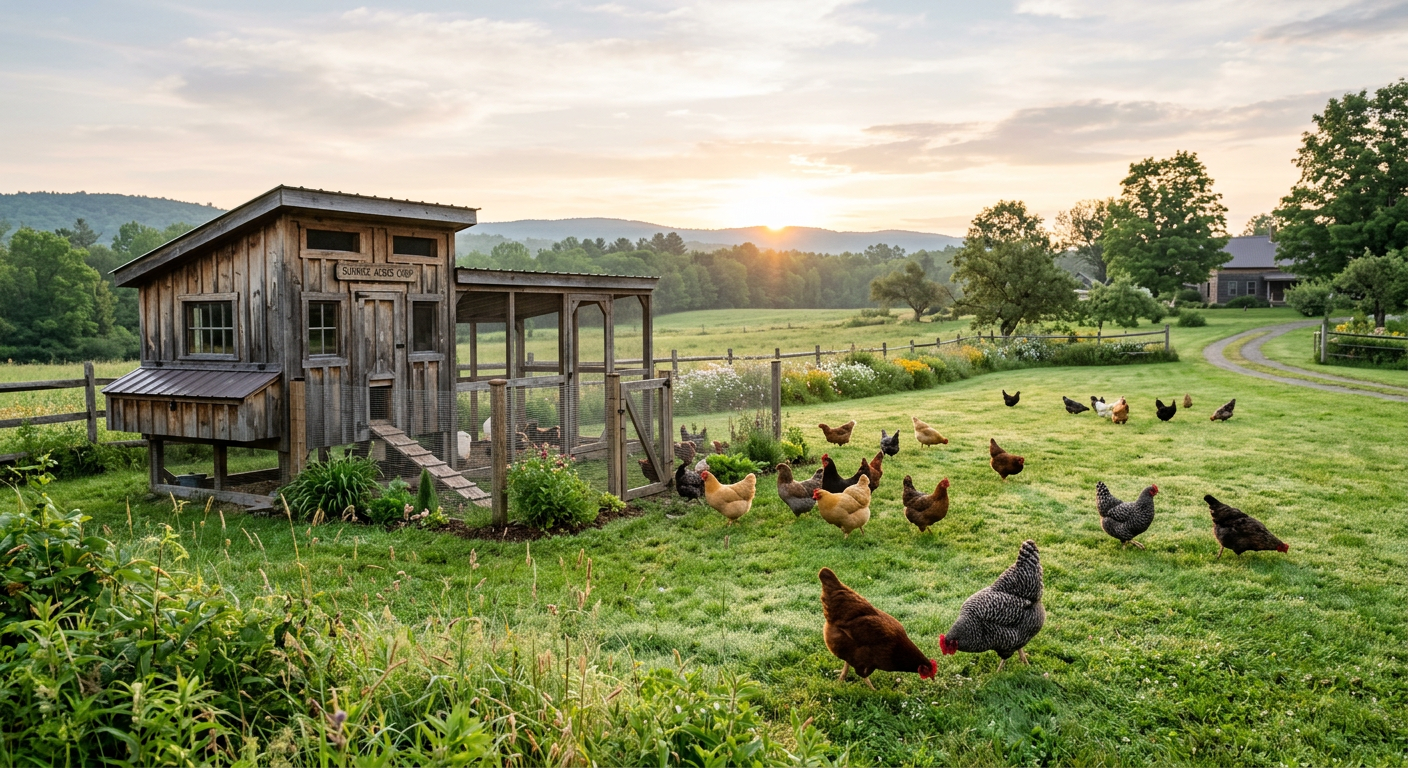
I can still hear the frantic squawking that echoed from the coop, a sound totally different from their usual morning chatter. I ran out, my coffee sloshing over the side of my mug, to find our three new pullets huddled in a corner, terrified. Our head hen, a bossy Barred Rock named General Leia, had cornered one and was viciously plucking her neck feathers. We made a classic rookie mistake, and it was a bloody, stressful lesson I’ll never forget.
🎯 Quick Answer: The only safe way to introduce new chickens is to quarantine them for 30 days, then use a ‘look but don’t touch’ method. Place the new birds in a separate, secure enclosure next to or inside the main flock’s run for at least a week before the final merge at night.
🔑 Key Takeaways
* Quarantine is Non-Negotiable: Always keep new birds completely separate for 30 days to monitor for illness and prevent introducing disease to your established flock.
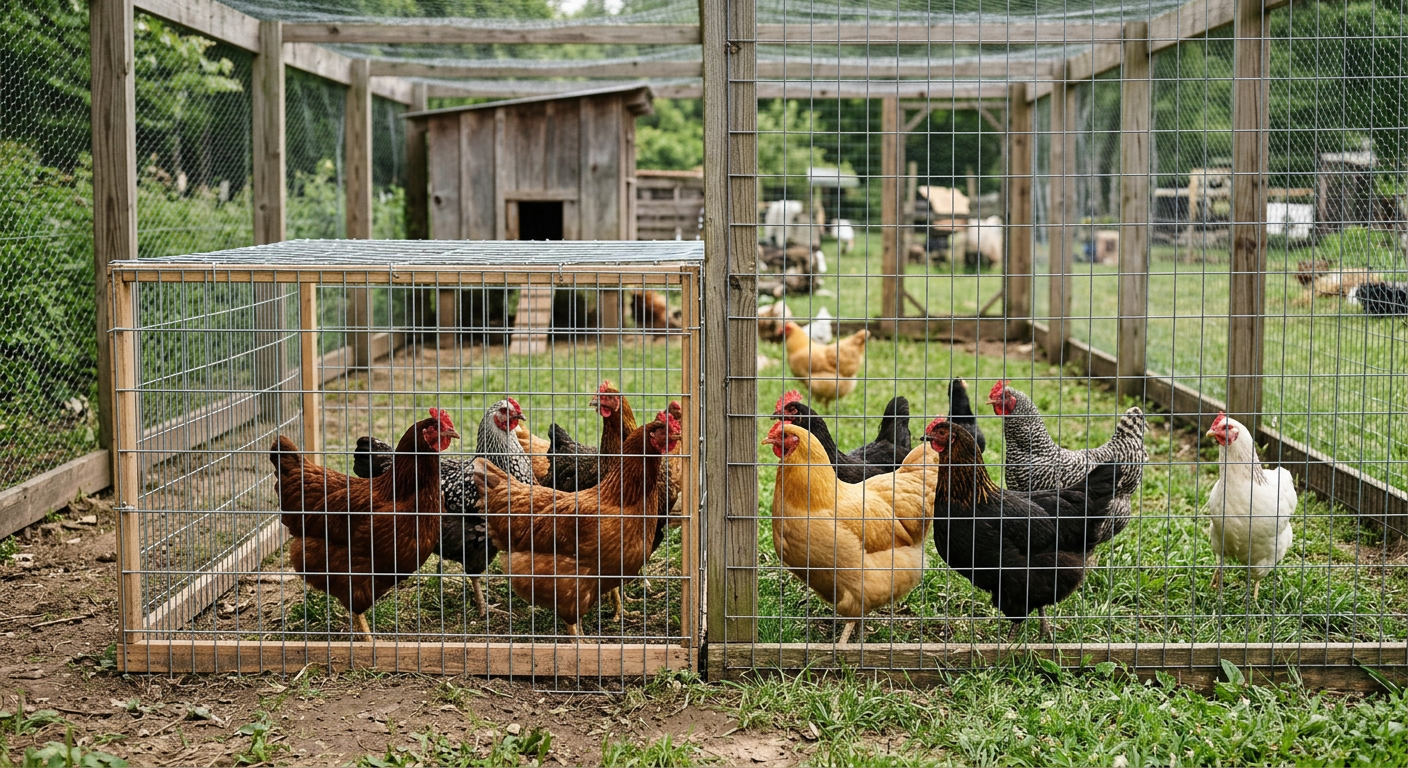
* Visual-Only Intro First: Use a wire crate or temporary fence to let the flocks see and get used to each other without physical contact for 5-7 days.
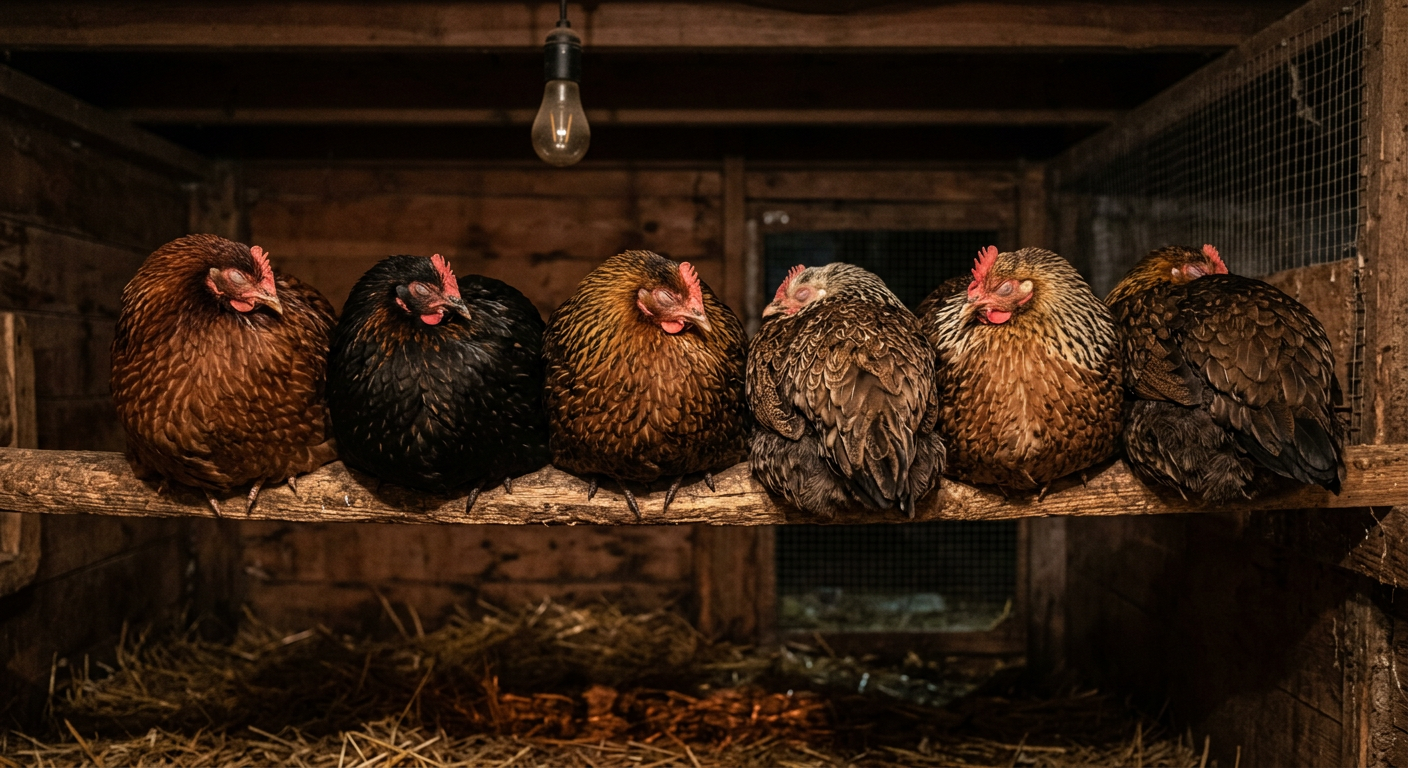
* The Night Move: The best time for the final introduction is after dark when the old flock is roosting and groggy. Place the new birds on the roost bars with them.
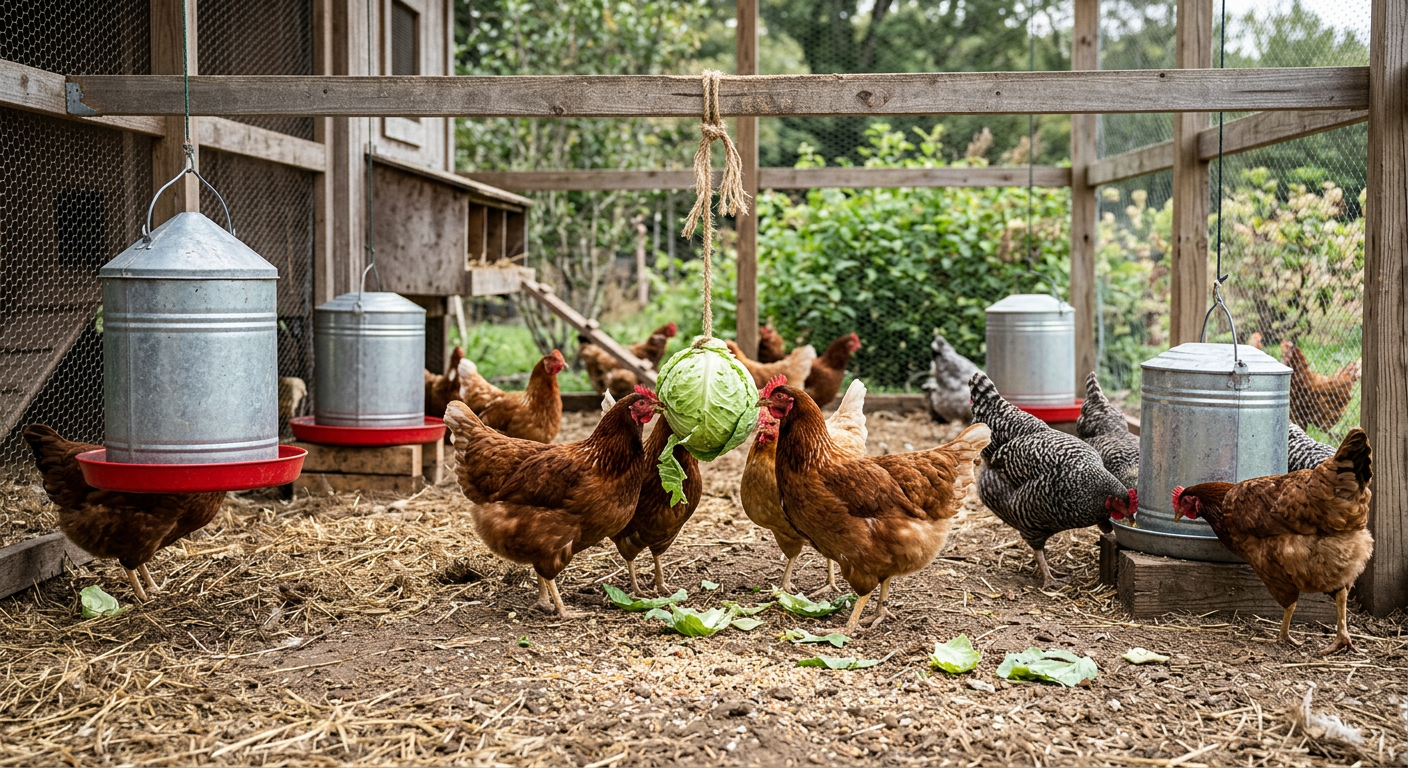
* Add Distractions: On the first full day together, add extra food and water stations, and interesting things like a hanging cabbage or scratch grains to redirect attention away from the newcomers.
* Never Add a Single Chicken: Introduce new chickens in pairs or groups. A single new bird will be an easy target for the entire flock’s pecking order adjustments.
* Patience is Everything: This process can’t be rushed. Expect minor scuffles, but be prepared to intervene if bullying becomes severe.
—
!A ‘look but don’t touch’ enclosure showing how to introduce new chickens to flock peacefully.
Why The Pecking Order is Brutal (And Why You Can’t Ignore It)
Chickens are dinosaurs. Seriously. And their social structure is just as prehistoric. The ‘pecking order’ isn’t just a funny phrase; it’s a rigid hierarchy that determines who eats first, who gets the best roosting spot, and who gets to boss everyone else around. When you toss new birds into the mix, you’re throwing that entire social order into chaos. It’s a full-on gladiator-style challenge for status.
When we first started raising backyard chickens, I thought they were just sweet, fluffy egg-layers. I didn’t respect the pecking order. That first time, we just opened the coop door and plopped the three new girls in. The result was immediate and violent. The established flock saw the newcomers as invaders, and they acted accordingly.
Understanding this dynamic is the first step in learning how to introduce new chickens to flock peacefully. You aren’t just adding pets; you’re petitioning a very exclusive, very tough club for new members.
Your job is to be the mediator, making the introduction so gradual and boring that the old flock barely even notices when the new guys finally join for good.
Keep reading — this is where most people mess up and risk their entire flock.
The 30-Day Quarantine: Your Flock’s Best Insurance Policy
This is the step everyone wants to skip. Don’t. A 30-day quarantine is the single most important thing you can do for your flock’s health. New chickens can carry parasites (like mites and worms) or diseases (like Marek’s or Avian Influenza) without showing any symptoms at first. Bringing them straight home is like letting a stranger with the flu cough all over your kids.
Setting Up a Quarantine Zone
Your quarantine spot needs to be completely separate. Not just a different pen in the same barn. Think different air space.
* A dog crate in the garage.
* A temporary coop on the other side of the yard.
* A corner of a barn far, far away from your main coop.
We use a large rabbit hutch we got for $50 on Facebook Marketplace. During this 30-day period, we care for the new chickens last. We feed our main flock, wash our hands and boots thoroughly, and then go tend to the newbies. This prevents us from accidentally carrying anything back to our established flock.
What to Look For
During these 30 days, you’re a detective. Watch for:
* Lethargy: Healthy chickens are active and curious.
* Runny nose or eyes: Any discharge is a red flag.
* Coughing or sneezing.
* Abnormal droppings: Pasty butt or bloody stool is a major warning sign.
* Visible parasites: Check for mites and lice, especially around the vent.
If you see any of these signs, you’ve just saved your main flock from a potential disaster. We once had two new Orpingtons that seemed perfectly healthy, but on day 12, one started developing a cough. We ended up having to treat them both for a respiratory infection that would have torn through our 20 other birds. According to the USDA’s Biosecurity for Birds guide, this separation is your first line of defense.
Once they pass the 30-day health check, you can move on to the social introduction.
—
Step-by-Step: How to Introduce New Chickens to Flock Peacefully
After a month of quarantine, your new birds are cleared for contact… sort of. Now begins the ‘visual integration’ phase. The goal is to let them get used to each other’s presence without being able to hurt one another. This is how you introduce new chickens to flock peacefully instead of violently.
The ‘Look, Don’t Touch’ Method
We set up what we call the ‘integration pen.’ This can be a large dog crate, a temporary fence made of T-posts and chicken wire, or you can even build a movable chicken tractor to serve this purpose. The key is that it must be secure and share a border with the main flock’s run.
We’ve found this process to be a critical part of our homestead management. Keeping detailed records of which birds are where and for how long is essential. We use simple notebooks, but many folks now use systems like the Homestead OS dashboard to track everything from flock introductions to egg production.
This visual step allows the pecking order to be partially established through the fence, saving everyone a lot of stress and bloodshed later.
!Hens roosting at night to show how to introduce new chickens to flock peacefully.
The Final Merge: Tricks for a Smooth Transition
Alright, the day has come. Your new birds are healthy, they’ve been visually introduced for a week, and everyone seems bored with each other. It’s time to merge the flocks.
Merge Under the Cover of Darkness
This is the absolute best trick in the book. Chickens are practically blind and very docile in the dark. After your whole flock has gone to bed and is peacefully roosting, go out with a dim headlamp (red light is best as they can’t see it well).
Quietly take the new birds and place them on the roosting bars in between the established hens. Just slip them right into the group. They’ll likely just shuffle over a bit and go right back to sleep. When they wake up in the morning, they’ll be together as if it’s always been that way. It short-circuits that initial ‘who are YOU?!’ moment.
Day One: Create a Chicken Paradise
The next morning is crucial. You want to distract, distract, distract.
* Multiple Food & Water Stations: Add at least one more feeder and waterer than you think you need. This prevents the dominant hens from guarding resources and blocking the new girls from eating.
* High-Value Treats: Throw out some scratch grains, mealworms, or a ‘flock block’ to keep everyone busy and focused on something other than each other.
* ‘Chicken TV’: Hang a head of cabbage or a suet cage full of greens from a string. They’ll spend hours pecking at it.
I remember one merge where we hung three heads of cabbage in different parts of the run. The old hens were so busy trying to jump and peck the cabbage that they completely ignored the two new Ameraucanas for the first four hours. By the time the novelty wore off, the new birds were just part of the flock. It’s amazing what a little planning can do for a peaceful homestead. Having a system to manage these tasks is key; it’s why so many of us rely on a digital homestead planner to keep things from falling through the cracks.
Expect some minor chasing and chest-bumping. This is normal. But with these steps, you’ve avoided the worst of it.
—
💡 Pro Tips
* Add More Than One: Never, ever add a single chicken to an established flock. She will be relentlessly bullied. Always add new birds in pairs or small groups so they have an ally.
* Similar Size and Age: Try to introduce birds that are of a similar size to your current flock. Adding tiny pullets to a flock of massive, full-grown hens is a recipe for injury.
* The ‘Pinless Peeper’: If you have one particularly aggressive bully, you can buy a small plastic blinder called a ‘pinless peeper’. It clips onto their beak and prevents them from seeing straight ahead, which stops them from targeting and pecking other birds. It looks weird, but it can be a lifesaver.
Have a ‘Sin Bin’: If a bird is being relentlessly bullied or injured, remove the bully*, not the victim. Put the aggressive hen in a separate cage (the ‘sin bin’) for 3-5 days. When you reintroduce her, she will be at the bottom of the pecking order and will usually be too busy finding her new place to bully anyone.
—
⚠️ Beginner Mistakes to Avoid
* Skipping Quarantine: I know I already said it, but it’s the #1 mistake. A friend of ours lost half her flock of 40 hens to a respiratory disease brought in by two ‘perfectly healthy’ chickens from a swap meet. It’s not worth the risk.
* The ‘Dump and Run’: Just opening a box and dumping new chickens into the run during broad daylight. This is a declaration of war. You will have fights, injuries, and potentially dead birds.
* Not Enough Space: If your coop and run are already crowded, adding more chickens will amplify aggression ten-fold. Ensure you have at least 4 sq ft per bird in the coop and 10 sq ft in the run.
* Introducing Pullets to Broody Hens: A broody hen is fiercely territorial and hormonal. She will see small pullets as a threat to her nest and will attack without mercy. Make sure you ‘break’ any broody hens before attempting an introduction.
—
Frequently Asked Questions
How long does it take for chickens to accept new members?
With the gradual method described above, you’ll see minor squabbles for the first week or two. But generally, the flock will be fully settled with its new pecking order within 2-3 weeks. Without this method, it can be a bloodbath that never truly settles.
Can I put a baby chick with my flock?
No. Absolutely not. The adult chickens will kill them. Baby chicks need to be raised separately in a brooder until they are fully feathered and nearly the same size as the adults, and then you must use the same gradual introduction process.
What if the chickens are still fighting after a week?
If there’s still serious, persistent fighting (drawing blood, pinning a bird down, preventing it from eating/drinking) after a week, you may need to intervene. Identify the main bully and remove her for a few days (the ‘sin bin’ method). This often resets the dynamic enough to restore peace.
Is it better to introduce one chicken or multiple?
Always introduce multiple chickens if you can (at least two). A single new chicken has no allies and will take the full brunt of the pecking order shuffle. When you add a small group, they can support each other, and the aggression from the main flock is divided among them.
!Flock distractions used when learning how to introduce new chickens to flock peacefully.
It’s All Worth It for a Peaceful Flock
There’s nothing better than sitting on the porch at dusk, watching a calm, happy flock forage and head into the coop for the night. That peace doesn’t happen by accident. Learning how to introduce new chickens to your flock peacefully is a skill, one that takes patience and a little bit of work up front.
But that work pays off in fewer vet bills, less stress (for you and the birds), and a healthier, more productive flock. That bloody mess I found all those years ago taught me that respecting the nature of the chicken is the most important part of raising them.
We share more of our hard-won lessons and daily homestead life over on our Facebook page if you want to follow along!
What’s the biggest challenge you’ve faced with your flock’s pecking order? Share your story in the comments below!
📚 More From Our Homestead
- Building a Raised Garden Bed: Our No-Fail Guide
- Apartment Vertical Gardens: Our Tiny Balcony Wins
- Selling Garden Produce at a Farmers Market (Our First Year)
- Homestead Water Independence Planning: Our Guide
- Housing for Meat Rabbits: Don’t Make Our Mistakes
Ready to Start Your Homestead Journey?
Free guides, checklists, and tools to help you build your dream homestead.
Leave a Reply