Tag: organic

  • How to Make Money From a Small Homestead

    !A thriving [backyard farm showing how to make money from a small homestead with raised garden beds.](https://xlvvlujsctgiorcwbtkv.supabase.co/storage/v1/object/public/blog-images/how-to-make-money-from-a-small-homestead/featured-1776530900600.png)

    Most people think you need 100 acres and a tractor the size of a house to turn a profit, but I’ve seen families clear five figures from a literal backyard. The truth is, your small plot of land is a goldmine waiting to be tapped if you stop thinking like a hobbyist and start thinking like a micro-entrepreneur.

    🎯 Quick Answer: The fastest way how to make money from a small homestead is to focus on high-margin, fast-turnaround products like microgreens, heirloom seedlings, or value-added goods like herbal salves rather than bulk commodities. By niche-marketing to your local community through CSAs or farm stands, you can turn a half-acre into a meaningful revenue stream.

    🌱 Build Your Profitable Homestead Strategy →

    🔑 Key Takeaways

    • Focus on High-Value Crops: Learn why leafy greens and herbs beat corn and potatoes every time.
    • Diversification is King: How to layer multiple income streams so you aren’t reliant on one harvest.
    • Value-Added Secret: Why a $2 jar of jam is worth more than the $0.50 worth of berries inside it.
    • Local Marketing: How to find customers who will pay premium prices for your hard work.
    • Scalability: Starting small ensures you don’t burn out before the profit starts rolling in.

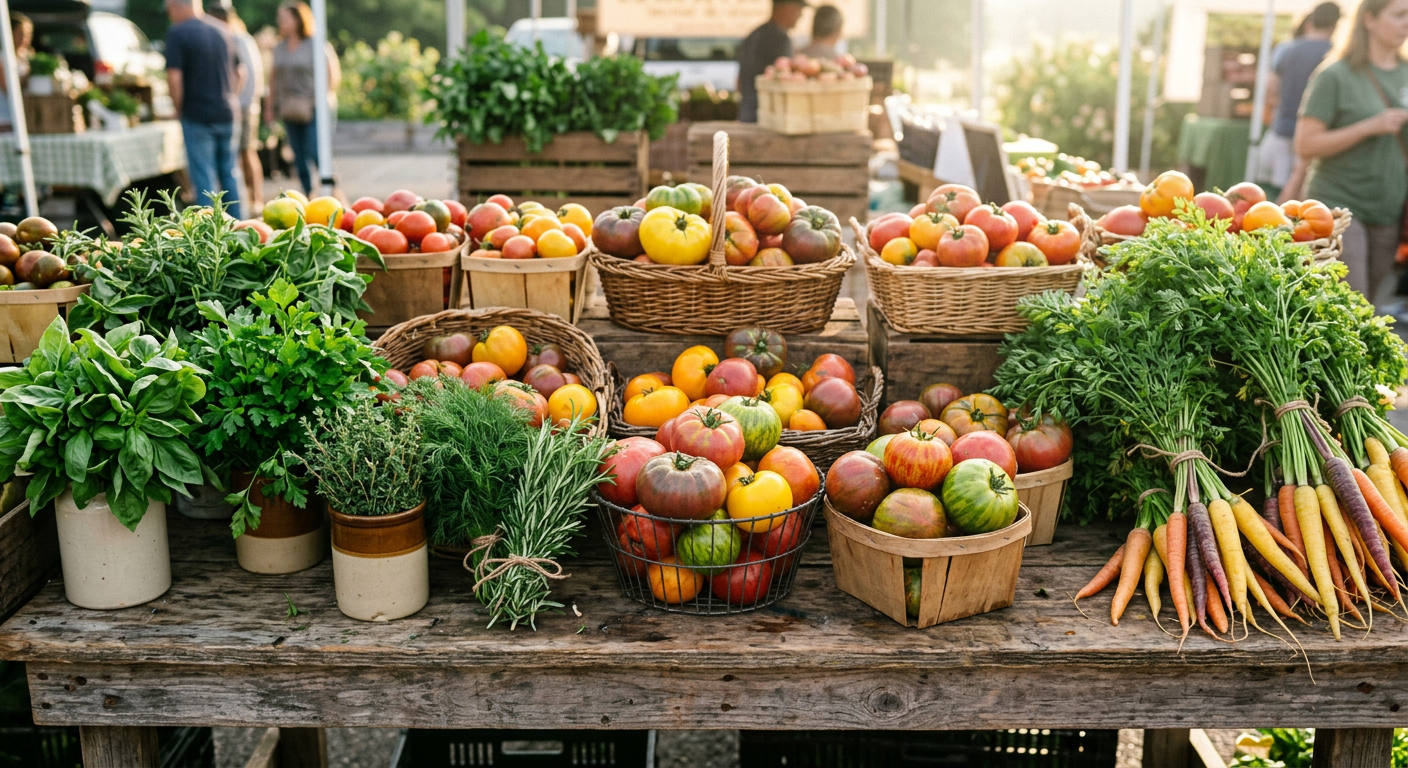
    !Local produce at a farm stand, a great way how to make money from a small homestead.

    The High-Margin Garden: Microgreens and Specialty Herbs

    When you are learning how to make money from a small homestead, space is your most limited resource. You simply cannot compete with industrial farms on volume, so you have to compete on quality and specialty. This is where microgreens and rare culinary herbs come in.

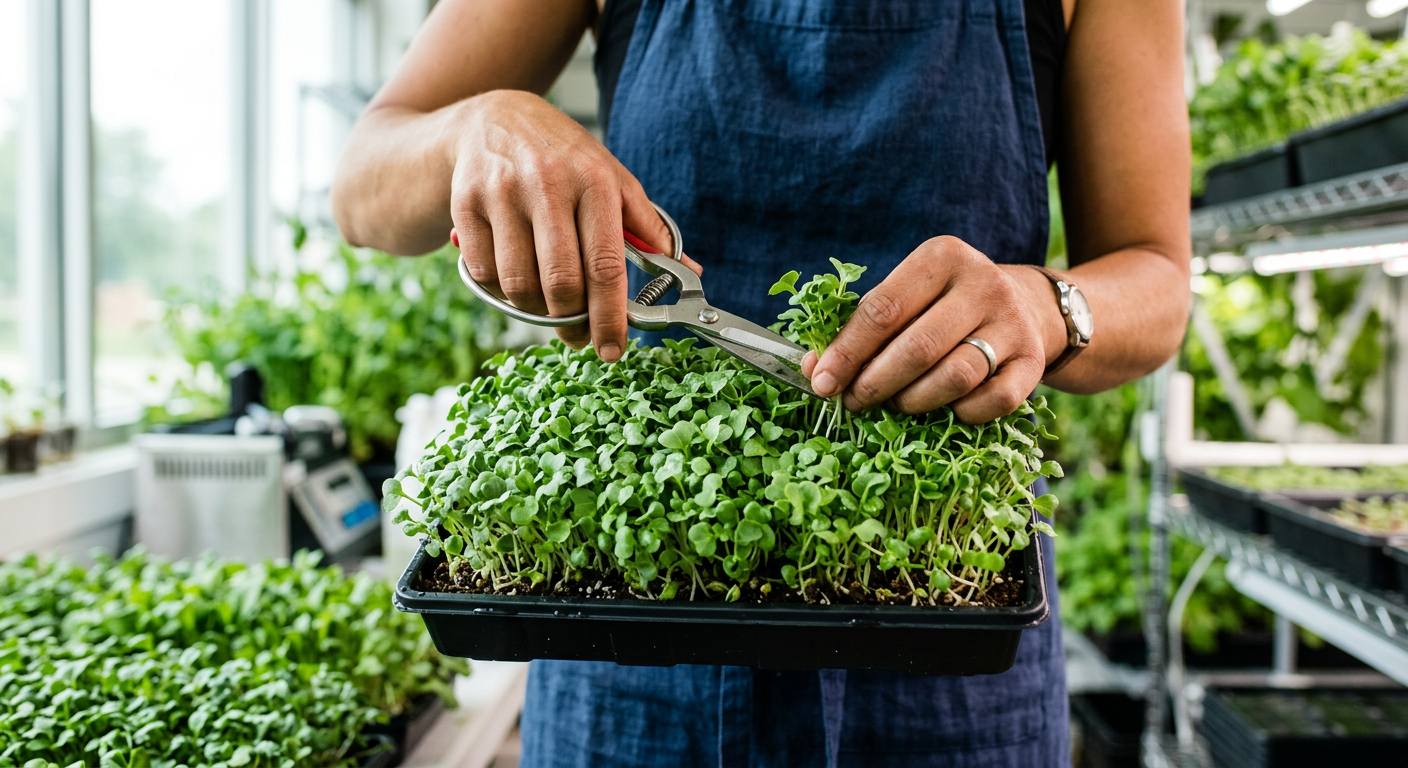
    Microgreens can be grown on vertical racks in a spare room or a small shed. They go from seed to harvest in about 10 to 14 days, allowing for a weekly paycheck. Local chefs rave about fresh pea shoots and radish greens because the grocery store versions are usually wilted and flavorless. If you can deliver them within hours of cutting, you can charge a premium.

    Don’t forget about perennial herbs like rosemary, lavender, and mint. Once these are established, they require almost zero effort but sell for $3-$5 per small bundle at a Saturday market.

    Now that you’ve mastered the soil, let’s talk about the feathered employees that can double your income.

    Keep reading — this next part is where most people skip the math and lose money.

    Ethical Egg Sales and Poultry Profits

    Everyone loves farm-fresh eggs, but if you want to know how to make money from a small homestead with chickens, you have to look beyond the carton. Selling eating eggs usually just covers your feed bill. To actually see a profit, you need to think about “breeding sets” or “hatching eggs.”

    High-end heritage breeds like Marans (who lay chocolate-colored eggs) or Ameraucanas (who lay blue eggs) are in high demand. A dozen eating eggs might sell for $5, but a dozen fertile hatching eggs from a rare breed can fetch $40 to $60.

    If you have the space, consider “chicken tractors” to raise meat birds. Pasture-raised poultry is a completely different product than what is found in a plastic wrap at the store. Your customers will taste the difference, and they’ll be happy to pay for the transparency of knowing how that animal was raised.

    📋 Get the Small Farm Profitability Checklist →

    But wait, what if you don’t want to sell raw products at all? There’s a way to triple your margins through “value-added” goods.

    The Power of Value-Added Products

    This is the secret sauce of successful small-scale farming. A “value-added” product is simply taking a raw material—like a tomato—and turning it into something else—like salsa.

    Think about it: a pound of tomatoes might sell for $3. But a small jar of organic, home-grown sun-dried tomato pesto can sell for $12. You are selling your time and your brand, not just the produce.

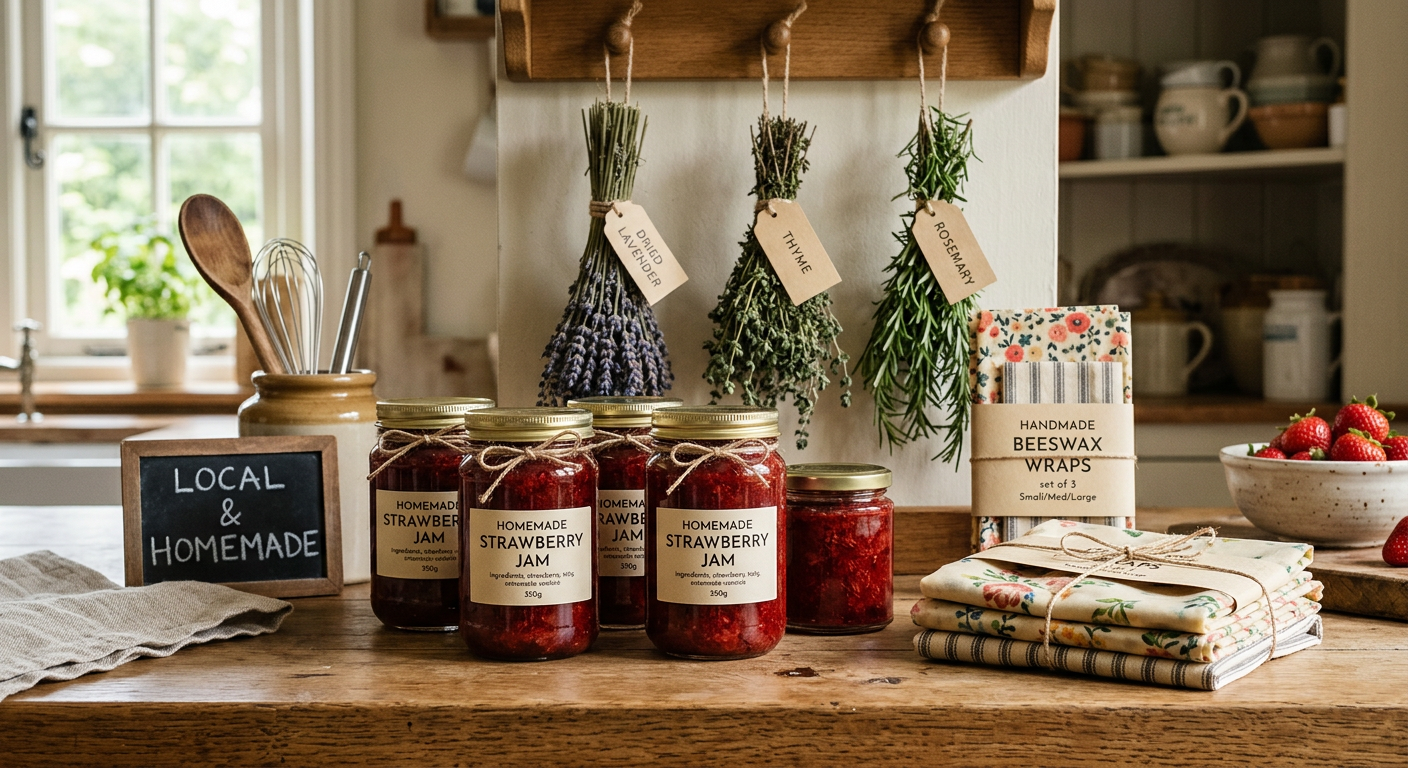
    Pro-tip: Check your local “Cottage Food Laws.” In many places, you can sell baked goods, jams, and dried herbs directly from your kitchen without a commercial license. This allows you to turn a surplus of summer berries into a shelf-stable product you can sell all winter long.

    This next part? Nobody talks about it, but it changed everything for our neighbors.

    !Growing microgreens as a high-margin method for how to make money from a small homestead.

    Agritourism: Selling the Experience

    You don’t just have to sell things; you can sell access. People living in the city are hungry for a connection to the land. They want to show their kids where food comes from. This is a massive opportunity for the small homesteader.

    Consider hosting “U-Pick” days for strawberries or pumpkins. You save on the labor of harvesting, and families pay you for the privilege of doing the work for you. Or, try hosting a workshop. If you know how to bake sourdough, make soap, or prune apple trees, you can charge $50 per person for a two-hour class.

    Your homestead isn’t just a farm; it’s a classroom and a sanctuary. Leveraging that atmosphere is a high-profit way to diversify your income without needing more acreage.

    But before you start, there’s one mistake that ruins everything — I’ll cover it next.

    💡 Pro Tips

    • Master Your Packaging: People eat with their eyes first; a professional label makes a $5 product look like a $15 product. ✅
    • Build a Mailing List: Don’t rely on Facebook algorithms. Get your customers’ emails so you can tell them exactly when the tomatoes are ripe. 🔥
    • Track Your Hours: If a product takes 20 hours to make but only profits $10, it’s a hobby, not a business. 💡
    • Focus on One Thing First: Don’t try to sell eggs, honey, soap, and veggies all in year one. Master one, then add the next. 🚀

    ⚠️ Beginner Mistakes to Avoid

    • Underpricing: Don’t try to match grocery store prices. Your quality is higher, so your price should be too.
    • Ignoring Local Laws: Always check zoning and health department rules before selling processed items.
    • Spending Before Earning: Avoid buying that brand-new expensive poultry plucker until you’ve actually sold your first batch of birds.

    !Value-added products like jam and herbs show how to make money from a small homestead.

    Frequently Asked Questions

    Can I really make money on just one acre?

    Absolutely. One acre is plenty for high-intensity vegetable production or a specialized flower farm. Many profitable market gardens operate on less than half an acre.

    What is the most profitable animal for a small homestead?

    Usually, rabbits or honeybees have the best ROI (Return on Investment) for small spaces because they require very little land and produce high-value products like meat, pelts, or honey and wax.

    Do I need a business license to sell at a farmers market?

    It depends on your state and what you are selling. Generally, raw produce requires less paperwork than processed foods or meat. Always check with your local Department of Agriculture.

    How do I find customers for my homestead products?

    Start with local Facebook groups, the Nextdoor app, and your local farmers market. Word of mouth is your most powerful tool in a small community.

    Turning your backyard into a business is one of the most rewarding things you’ll ever do. It turns a “cost center” into a “profit center” and helps you build a more resilient life for your family. Start small, stay consistent, and don’t be afraid to ask for what your hard work is worth.

    What’s your biggest challenge with knowing how to make money from a small homestead? Are you worried about the marketing or the physical work? I’d love to hear your story in the comments!

    🔧 See Our Recommended Homestead Tools →


    📚 More From Our Homestead

    Ready to Start Your Homestead Journey?

    Free guides, checklists, and tools to help you build your dream homestead.
    Explore Free Resources →


    👉 Related: Homesteading Hacks: Save Serious Money on Groceries!

    👉 Related: Basic Food Preservation for Beginners: Our Family’s Go-To Methods

  • Quail Farming Income Guide: Profitable Small-Scale Farming

    The Ultimate Quail Farming Income Guide: From Backyard Hobby to Profitable Enterprise

    Quail farming represents one of the most accessible and high-margin opportunities in the modern homesteading and small-scale agricultural sectors. Due to their rapid growth cycles, minimal space requirements, and high demand for gourmet eggs and meat, a well-managed quail operation can generate significant secondary or primary income in under eight weeks.

    Getting Started: Requirements and Initial Setup

    To launch a successful quail income project, you don’t need a massive acreage. In fact, many successful farmers begin in a garage, shed, or small backyard corner. However, you must prioritize efficiency to ensure profitability.

    Initial Requirements

    • Housing: Vertical cage systems (battery cages) are the most space-efficient for production. Coturnix quail need approximately 0.5 to 1 square foot per bird.
    • Climate Control: Quail are hardy but suffer in extreme heat or drafts. Proper ventilation and a temperature range of 65-75°F (18-24°C) optimize egg production.
    • Lighting: To maintain year-round laying, you require a lighting setup that provides 14-16 hours of light per day.
    • Watering/Feeding Systems: Automatic nipple waterers prevent mess and reduce labor, while gravity feeders minimize feed waste.

    Estimated Startup Costs (Example for 100 Birds)

    • Hatching Eggs or Chicks: $100 – $200
    • Brooder Setup: $50 – $80 (Heat lamp, container, bedding)
    • Vertical Caging System: $250 – $400
    • Initial Feed (High Protein): $50
    • Incubator (for scaling): $100 – $300
    • Total Estimated Startup: $550 – $1,030

    Income Potential: Realistic Revenue Scenarios

    Your income depends heavily on your local market and your ability to sell direct-to-consumer versus wholesale. Coturnix quail begin laying at 6-7 weeks, meaning your ROI (Return on Investment) happens faster than with chickens.

    | Scenario | Number of Birds | Primary Product | Monthly Est. Revenue | Annual Est. Profit (After Feed) |

    | :— | :— | :— | :— | :— |

    | Low (Backyard) | 50 | Eggs & Whole Meat | $200 – $350 | $1,800 – $2,500 |

    | Medium (Urban Farm) | 250 | Eggs, Meat, Chicks | $1,200 – $1,800 | $10,000 – $14,000 |

    | High (Commercial) | 1,000+ | Value-Added & Live Sales | $5,000 – $8,000 | $45,000+ |

    Note: High-end scenarios often include selling fertile hatching eggs online, which command a much higher price than eating eggs ($1.00+ per egg vs $0.30 per egg).

    Comprehensive Cost Breakdown

    To maintain a profitable margin, you must track every cent. Feed is your largest recurring expense, typically accounting for 60-70% of total operating costs.

  • Feed (Game Bird Crumble): Approximately $0.60 – $0.80 per bird per month. High protein (24-30%) is essential for growth and egg production.
  • Bedding/Waste Management: $15 – $30 per month. Using pine shavings or a sand-base under cages.
  • Electricity: $10 – $25 per month (LED lighting and seasonal brooder heat).
  • Packaging: $0.15 per egg carton or $0.30 per shrink-wrap bag for meat. Bulk purchasing reduces this cost.
  • Replacement Stock: If you aren’t hatching your own, budget for $1-$2 per day-old chick.
  • Step-by-Step Process to Launching your Farm

    Step 1: Market Research

    Before buying birds, contact local high-end restaurants, Asian markets, and health food stores. Quail eggs are a delicacy in many cultures and a staple for Paleo/Keto enthusiasts. Determine if there is a demand for “Pasture Raised,” “Organic Feed,” or “Heritage” labels.

    Step 2: Choose Your Primary Breed

    For income, the Coturnix (Japanese Quail) is the industry standard. They grow the fastest, lay the most eggs (up to 300/year), and have the best meat-to-bone ratio. Bobwhite quail are popular for flight-ready hunting preserves but take twice as long to mature.

    Step 3: Setup and Brooding

    Start with day-old chicks if you want to save money, or 3-week-old “started” birds to bypass the fragile brooding phase. Maintain a temperature of 95°F for the first week, dropping it by 5 degrees each week until they are fully feathered.

    Step 4: Maintenance and Collection

    Collect eggs daily. Quail eggs are fragile; handle with care. Clean cages at least twice a week to prevent ammonia buildup, which can damage the birds’ respiratory systems and lower production levels.

    Step 5: Processing and Sales

    If selling meat, birds are reach peak weight at 8 weeks. Learn to process efficiently; with practice, a single bird can be dressed in under two minutes. For eggs, focus on branding. Clean, clear cartons with a professional label can double your asking price.

    Scaling Your Operation

    Once your first 50-100 birds are profitable, scaling is the only way to reach a full-time income.

    • In-House Hatching: Buy a high-quality cabinet incubator. By hatching your own eggs, you eliminate the cost of buying chicks and can sell the surplus chicks to other hobbyists (typically $2-$5 each).
    • Value-Added Products: Pickled quail eggs are a high-margin item found in gift shops and bars. They have a long shelf life and can be sold for $10-$15 per jar.
    • Fertilizer Sales: Quail manure is extremely high in nitrogen. Dried and bagged, it is a goldmine for organic gardeners.
    • Niche Feathers: Sell feathers to fly-tying enthusiasts or craft suppliers.

    Legal & Regulatory Compliance

    Quail regulations are generally more relaxed than chicken or turkey regulations, but they vary by region.

    • Agricultural Zoning: Check if your property is zoned for “small livestock.” In many cities, quail are categorized as “songbirds” or “pets,” allowing you to bypass chicken bans.
    • Meat Processing (USA): Under the 1,000-bird exemption, many states allow farmers to process and sell a limited number of poultry directly to consumers without a USDA-inspected facility. Always verify your state’s Department of Agriculture guidelines.
    • Egg Sales: Most states require an “Egg Handler’s License” or specific “Candling” standards if selling to grocery stores. Farm-gate sales usually have fewer restrictions.
    • Wildlife Permits: Some states require a permit for Bobwhite quail because they are native game birds. Coturnix rarely require this.

    Success Stories

    Scenario A: The Side-Hustle Pro

    Sarah, an urban gardener, started with 60 Coturnix quail in her garage using a 5-tier rack. She sells 30 dozen eggs a week to a local coffee shop and several neighbors. After feed and bedding costs, Sarah nets $320 per month, which covers her own groceries and gardening supplies.

    Scenario B: The Full-Time Expansion

    Marcus transitioned from a corporate job to a small-scale farm. He manages 1,500 birds. By selling fertile hatching eggs on eBay and shipping them nationwide, he generates $4,000 a month. He supplements this by selling meat to three local farm-to-table restaurants, bringing his total monthly net profit to over $6,500.

    Frequently Asked Questions (FAQ)

    1. Are quail more profitable than chickens?

    Per square foot, yes. Quail mature in 6 weeks compared to 20 weeks for chickens, and they require significantly less feed and space. Their eggs also command a premium price in specialty markets.

    2. How many eggs does a single quail lay?

    A healthy Coturnix hen will lay 250 to 300 eggs per year. Production usually peaks in the first year and declines in the second.

    3. Do I need a rooster to get eggs?

    No. Hens will lay eggs without a male present. However, you will need a rooster (usually 1 male per 4-5 females) if you want to produce fertile eggs for hatching.

    4. Is quail meat in high demand?

    Yes, particularly in the fine-dining industry and among health-conscious consumers. It is seen as a lean, high-protein alternative to chicken with a richer flavor.

    5. Can I keep quail on the ground?

    You can, but for commercial income, wire-floor cages are generally preferred. Ground-raised quail are more susceptible to parasites (coccidiosis) and it is much harder to keep the eggs clean for sale.


    📚 More From Our Homestead

    Ready to Start Your Homestead Journey?

    Free guides, checklists, and tools to help you build your dream homestead.
    Explore Free Resources →


  • Quail Farming Income Guide: Profitable Small-Scale Farming

    The Ultimate Quail Farming Income Guide: From Backyard Hobby to Profitable Enterprise

    Quail farming represents one of the most accessible and high-margin opportunities in the modern homesteading and small-scale agricultural sectors. Due to their rapid growth cycles, minimal space requirements, and high demand for gourmet eggs and meat, a well-managed quail operation can generate significant secondary or primary income in under eight weeks.

    Getting Started: Requirements and Initial Setup

    To launch a successful quail income project, you don’t need a massive acreage. In fact, many successful farmers begin in a garage, shed, or small backyard corner. However, you must prioritize efficiency to ensure profitability.

    Initial Requirements

    • Housing: Vertical cage systems (battery cages) are the most space-efficient for production. Coturnix quail need approximately 0.5 to 1 square foot per bird.
    • Climate Control: Quail are hardy but suffer in extreme heat or drafts. Proper ventilation and a temperature range of 65-75°F (18-24°C) optimize egg production.
    • Lighting: To maintain year-round laying, you require a lighting setup that provides 14-16 hours of light per day.
    • Watering/Feeding Systems: Automatic nipple waterers prevent mess and reduce labor, while gravity feeders minimize feed waste.

    Estimated Startup Costs (Example for 100 Birds)

    • Hatching Eggs or Chicks: $100 – $200
    • Brooder Setup: $50 – $80 (Heat lamp, container, bedding)
    • Vertical Caging System: $250 – $400
    • Initial Feed (High Protein): $50
    • Incubator (for scaling): $100 – $300
    • Total Estimated Startup: $550 – $1,030

    Income Potential: Realistic Revenue Scenarios

    Your income depends heavily on your local market and your ability to sell direct-to-consumer versus wholesale. Coturnix quail begin laying at 6-7 weeks, meaning your ROI (Return on Investment) happens faster than with chickens.

    | Scenario | Number of Birds | Primary Product | Monthly Est. Revenue | Annual Est. Profit (After Feed) |

    | :— | :— | :— | :— | :— |

    | Low (Backyard) | 50 | Eggs & Whole Meat | $200 – $350 | $1,800 – $2,500 |

    | Medium (Urban Farm) | 250 | Eggs, Meat, Chicks | $1,200 – $1,800 | $10,000 – $14,000 |

    | High (Commercial) | 1,000+ | Value-Added & Live Sales | $5,000 – $8,000 | $45,000+ |

    Note: High-end scenarios often include selling fertile hatching eggs online, which command a much higher price than eating eggs ($1.00+ per egg vs $0.30 per egg).

    Comprehensive Cost Breakdown

    To maintain a profitable margin, you must track every cent. Feed is your largest recurring expense, typically accounting for 60-70% of total operating costs.

  • Feed (Game Bird Crumble): Approximately $0.60 – $0.80 per bird per month. High protein (24-30%) is essential for growth and egg production.
  • Bedding/Waste Management: $15 – $30 per month. Using pine shavings or a sand-base under cages.
  • Electricity: $10 – $25 per month (LED lighting and seasonal brooder heat).
  • Packaging: $0.15 per egg carton or $0.30 per shrink-wrap bag for meat. Bulk purchasing reduces this cost.
  • Replacement Stock: If you aren’t hatching your own, budget for $1-$2 per day-old chick.
  • Step-by-Step Process to Launching your Farm

    Step 1: Market Research

    Before buying birds, contact local high-end restaurants, Asian markets, and health food stores. Quail eggs are a delicacy in many cultures and a staple for Paleo/Keto enthusiasts. Determine if there is a demand for “Pasture Raised,” “Organic Feed,” or “Heritage” labels.

    Step 2: Choose Your Primary Breed

    For income, the Coturnix (Japanese Quail) is the industry standard. They grow the fastest, lay the most eggs (up to 300/year), and have the best meat-to-bone ratio. Bobwhite quail are popular for flight-ready hunting preserves but take twice as long to mature.

    Step 3: Setup and Brooding

    Start with day-old chicks if you want to save money, or 3-week-old “started” birds to bypass the fragile brooding phase. Maintain a temperature of 95°F for the first week, dropping it by 5 degrees each week until they are fully feathered.

    Step 4: Maintenance and Collection

    Collect eggs daily. Quail eggs are fragile; handle with care. Clean cages at least twice a week to prevent ammonia buildup, which can damage the birds’ respiratory systems and lower production levels.

    Step 5: Processing and Sales

    If selling meat, birds are reach peak weight at 8 weeks. Learn to process efficiently; with practice, a single bird can be dressed in under two minutes. For eggs, focus on branding. Clean, clear cartons with a professional label can double your asking price.

    Scaling Your Operation

    Once your first 50-100 birds are profitable, scaling is the only way to reach a full-time income.

    Legal & Regulatory Compliance

    Quail regulations are generally more relaxed than chicken or turkey regulations, but they vary by region.

    Success Stories

    Scenario A: The Side-Hustle Pro

    Sarah, an urban gardener, started with 60 Coturnix quail in her garage using a 5-tier rack. She sells 30 dozen eggs a week to a local coffee shop and several neighbors. After feed and bedding costs, Sarah nets $320 per month, which covers her own groceries and gardening supplies.

    Scenario B: The Full-Time Expansion

    Marcus transitioned from a corporate job to a small-scale farm. He manages 1,500 birds. By selling fertile hatching eggs on eBay and shipping them nationwide, he generates $4,000 a month. He supplements this by selling meat to three local farm-to-table restaurants, bringing his total monthly net profit to over $6,500.

    Frequently Asked Questions (FAQ)

    1. Are quail more profitable than chickens?

    Per square foot, yes. Quail mature in 6 weeks compared to 20 weeks for chickens, and they require significantly less feed and space. Their eggs also command a premium price in specialty markets.

    2. How many eggs does a single quail lay?

    A healthy Coturnix hen will lay 250 to 300 eggs per year. Production usually peaks in the first year and declines in the second.

    3. Do I need a rooster to get eggs?

    No. Hens will lay eggs without a male present. However, you will need a rooster (usually 1 male per 4-5 females) if you want to produce fertile eggs for hatching.

    4. Is quail meat in high demand?

    Yes, particularly in the fine-dining industry and among health-conscious consumers. It is seen as a lean, high-protein alternative to chicken with a richer flavor.

    5. Can I keep quail on the ground?

    You can, but for commercial income, wire-floor cages are generally preferred. Ground-raised quail are more susceptible to parasites (coccidiosis) and it is much harder to keep the eggs clean for sale.


    📚 More From Our Homestead

    Ready to Start Your Homestead Journey?

    Free guides, checklists, and tools to help you build your dream homestead.
    Explore Free Resources →


  • Vegetable Garden Profit Calculator & ROI Guide

    The Ultimate Vegetable Garden Profit Calculator and ROI Guide

    Turning a small plot of land into a source of income is one of the most rewarding aspects of homesteading. This guide and calculator framework help you move beyond guesswork by identifying your exact input costs versus your potential market returns, ensuring your garden is a financial asset rather than a hobby expense.

    How to Calculate Your Garden Profit: Step-by-Step

    Calculating your profit requires tracking both the tangible money spent and the potential value of the harvest. Follow these steps to build your own calculation model:

  • Determine Your Growing Area: Measure the actual square footage of your planting beds. Do not include walkways. For example, if you have ten 4’x10′ beds, your growing area is 400 square feet.
  • Select Your Crops: Choose the vegetables you intend to grow. High-value crops like salad greens, heirloom tomatoes, and garlic generally offer a higher return per square foot than low-value crops like field corn or pumpkins.
  • Estimate Yield per Square Foot: Use historical data or gardening charts to estimate how many pounds of produce each foot will provide. For instance, a well-managed square foot of leaf lettuce can yield 0.5 to 1 pound per harvest.
  • Calculate Total Revenue: Multiply your estimated total yield (in pounds) by the current market price per pound. Use prices from local farmers’ markets rather than wholesale grocery prices for a more accurate reflection of direct-to-consumer sales.
  • Direct Costs (Inputs): Subtract the cost of seeds, transplants, fertilizers, compost, water, and specialized packaging (like clamshells or bio-degradable bags).
  • Subtract Indirect Costs (Overhead): Account for tool depreciation, fencing, irrigation hardware, and land taxes or lease payments.
  • Calculate Net Profit: The formula is: `(Total Yield × Price per Unit) – (Direct Costs + Indirect Costs) = Net Profit`.
  • Key Factors Influencing Your Results

    * Succession Planting: One of the biggest variables in a profit calculator is how many times you use the same patch of soil. By planting radishes in early spring followed by peppers in summer and greens in fall, you triple the revenue potential of that specific square foot.

    * Market Channel: Where you sell dictates your price Point. Selling to a restaurant might yield $4/lb for greens, while a boutique farmers’ market could fetch $8/lb. Home delivery or CSA models often have higher margins but higher labor costs.

    * Input Efficiency: Bulk-buying compost or starting your own seeds instead of buying starts significantly lowers your “Cost per Unit,” directly increasing profit margins.

    * Local Climate & Season Extension: Using low tunnels or row covers can extend your harvest window by 4–8 weeks, allowing you to sell when supply is low and prices are at their peak.

    * Yield Consistency: Factors like pest pressure, irrigation consistency, and soil health determine whether you hit the high end of yield estimates or the low end.

    Example Calculation: The Salad Green Bed

    Let’s look at a realistic example for a single 50-square-foot bed dedicated to a “Gourmet Salad Mix.”

    * Growing Area: 50 sq. ft.

    * Estimated Yield: 0.75 lbs per sq. ft. per harvest.

    * Number of Harvests: 3 (Spring, Early Summer, Late Fall).

    Total Annual Yield: 112.5 lbs (50 0.75 * 3).

    * Market Price: $12.00 per lb (average for organic, washed mix).

    * Total Revenue: $1,350.00.

    Total Expenses:

    * Seeds (Bulk): $45.00

    * Compost/Organic Fertilizer: $60.00

    * Watering: $15.00

    * Packaging (100 bags): $30.00

    * Total Costs: $150.00.

    The Result:

    * Net Profit: $1,200.00 per year from one bed.

    * Profit per Sq. Ft.: $24.00.

    Tips to Maximize Your Profit

  • Focus on Customization: Instead of selling plain carrots, sell “Rainbow Carrots” or “Baby Carrots with Tops.” Value-added aesthetic choices allow for a 20-30% price premium.
  • Vertical Gardening: Use trellises for peas, cucumbers, and vining tomatoes. This effectively doubles or triples your square footage without increasing your footprint.
  • Soil Testing: Spending $20 on a professional soil test can save you hundreds in unnecessary fertilizers and prevent crop failure due to nutrient imbalances.
  • Master the Harvest Window: Pick crops at their peak. Overripe vegetables are often unsellable, and under-ripe produce lacks the flavor that brings customers back.
  • Automate Irrigation: Drip irrigation reduces water waste and labor time, ensuring consistent growth even during dry spells, which maximizes total weight per bed.
  • Common Mistakes to Avoid

    * Ignoring Labor Costs: Beginners often forget to value their own time. Even if you aren’t paying yourself a wage yet, track your hours to ensure your “hourly rate” makes sense compared to other work.

    * Over-planting One Variety: If you plant 500 tomato plants that all ripen in the same two weeks, much of your potential profit will rot before you can sell it. Use staggered planting.

    * Neglecting Post-Harvest Handling: A beautiful vegetable can wilt in 30 minutes in the sun. If you don’t have a plan for cooling and storage, your “Estimated Yield” will be much higher than your “Actual Sales.”

    Quick Reference: High-Value vs. Low-Value Crops

    | Crop Type | Avg. Profit Potential | Space Required | Days to Harvest |

    | :— | :— | :— | :— |

    | Microgreens | Very High | Minimal (Shelving) | 7-14 Days |

    | Salad Greens | High | Medium | 30-45 Days |

    | Garlic | Medium/High | Low (Overwintered) | 240 Days |

    | Tomatoes | High | Vertical Space | 70-90 Days |

    | Potatoes | Low/Medium | High | 90-120 Days |

    | Pumpkins | Low | Very High | 100+ Days |

    Frequently Asked Questions (FAQ)

    Q: Is it better to grow many types of vegetables or just one?

    A: For beginners, a “niche” approach (3-5 high-value crops) is usually more profitable. It allows you to master the specific needs of those plants and streamline your harvesting and packaging tools.

    Q: How much land do I need to make a living?

    A: With intensive techniques (high-density planting and succession), some market gardeners make a full-time income on as little as 0.5 to 1 acre. However, this requires significant expertise and established market channels.

    Q: Does organic certification help profit?

    A: Yes and no. While you can charge a higher price, the certification process is expensive and time-consuming. Many small growers use “organic practices” and build trust with customers directly without the formal label to save on costs.

    Q: What is the most profitable vegetable to grow?

    A: Microgreens and salad mixes generally have the highest turnover and profit margin per square foot because they grow quickly and require very little space.

    Q: Should I include the cost of tools in my first-year profit calculation?

    A: Tools are “Capital Expenses.” It is better to “depreciate” them over 5 years. If a broadfork costs $200, count $40 per year toward your expenses rather than the full $200 in year one, which would skew your ROI perception.


    📚 More From Our Homestead

    Ready to Start Your Homestead Journey?

    Free guides, checklists, and tools to help you build your dream homestead.

    Explore Free Resources →


  • Profitability Guide: Your Chicken Egg Profit Calculator

    The Ultimate Chicken Egg Profit Calculator & Financial Guide

    Turning a backyard hobby into a profitable venture requires more than just happy hens; it requires a clear understanding of your overhead, production rates, and profit margins. This guide provides a comprehensive framework to act as your manual chicken egg profit calculator, helping you determine exactly how much it costs to produce a dozen eggs and how much you can expect to earn.

    Running a small-scale egg business is a balancing act between feed costs, hen longevity, and market pricing. By the end of this guide, you will be able to look at your flock as both a passion project and a sustainable economic unit.

    How to Calculate Your Egg Profits: Step-by-Step

    To calculate your net profit, you must subtract your Total Operating Expenses from your Gross Revenue. Follow these steps to get an accurate picture of your monthly finances.

  • Calculate Monthly Feed Costs: Take the price of a bag of feed (e.g., $25) and divide it by the weight (50 lbs) to get the cost per pound ($0.50). Multiply this by the amount your flock eats daily. A standard hen eats about 0.25 lbs per day.
  • Determine Monthly Production: Track how many eggs you collect daily over a 30-day period. (Example: 20 hens at an 80% lay rate = 16 eggs/day, or 480 eggs per month).
  • Account for Packaging and Supplies: Don’t forget the cost of egg cartons, labels, and washing supplies. If a carton costs $0.50 and you sell 40 dozen a month, that is $20 in packaging.
  • Set Your Sales Price: Research local prices. Are you selling at $4.00, $6.00, or $8.00 per dozen?
  • The Master Formula:
  • Gross Monthly Revenue* = (Total Dozens Sold) x (Price Per Dozen)

    Total Monthly Costs* = (Feed + Packaging + Electricity + Water + Bedding)

    Net Profit* = Gross Revenue – Total Monthly Costs

    Key Factors Affecting Your Profitability

    Several variables can fluctuate, significantly impacting your bottom line. Keep a close eye on these five areas:

    * Feed Conversion Ratio (FCR): This is the amount of feed required to produce one dozen eggs. High-quality legacy breeds might have a worse FCR than industrial hybrids like ISA Browns, which are bred specifically to turn feed into eggs efficiently.

    * The Molting Cycle: Once a year, hens stop laying to regrow feathers. During this 4-12 week period, your revenue drops to zero while your feed costs remain constant.

    * Daylight Hours: Modern hens need 14-16 hours of light to maintain peak production. Without supplemental light in winter, production can drop by 50-70%.

    * Mortality and Replacement Costs: Hens are most productive in their first two years. You must factor in the cost of buying or hatching new chicks every 24 months to maintain a steady output.

    * Market Positioning: Selling “Farm Fresh” is basic. Selling “Pasture-Raised, Non-GMO, Soy-Free” can allow you to double your asking price, even if your production costs only increase slightly.

    Example Calculation: The 20-Hen Backyard Flock

    Let’s look at a realistic scenario for a homesteader with 20 high-output hens (like Rhode Island Reds) during the peak spring season.

    Assumptions:

    * Feed Cost: $0.55/lb ($27.50 for a 50lb bag).

    * Consumption: 5 lbs of feed per day for the flock (0.25 lbs per bird).

    * Lay Rate: 85% (approx. 17 eggs per day / 42.5 dozen per month).

    * Sales Price: $6.00 per dozen.

    * Packaging: $0.45 per recycled-pulp carton.

    The Math:

    * Revenue: 42.5 dozen x $6.00 = $255.00

    * Feed Cost: 5 lbs x 30 days = 150 lbs. 150 lbs x $0.55 = $82.50

    * Carton Cost: 43 cartons x $0.45 = $19.35

    * Miscellaneous (Water/Bedding): $10.00

    Total Profit: $255.00 – ($82.50 + $19.35 + $10.00) = $143.15 per month.

    Tips to Maximize Your Egg Profits

  • Buy Feed in Bulk: Moving from 50lb bags to a 1,000lb or 2,000lb bulk delivery from a local mill can slash your feed costs by 30-50%.
  • Ferment Your Feed: Soaking grain in water for 2-3 days makes it more digestible. This improves gut health and allows hens to get more nutrients from less volume, effectively lowering your FCR.
  • Utilize Pasture Rotation: If your hens get 30% of their diet from bugs and grass, your grain bill drops. It also produces the dark orange yolks that customers pay a premium for.
  • Sell the “Story”: Use social media to show your happy chickens. People aren’t just buying eggs; they are buying the idea of a healthy, transparent food source. This allows for “Boutique Pricing.”
  • Minimize Waste: Ensure your feeders are at the height of the birds’ backs to prevent “flicking.” Rats and wild birds can also steal up to 10% of your feed if your coop isn’t secure.
  • Common Mistakes to Avoid

    * Underestimating Hidden Costs: Many beginners forget to track the electricity for the brooder lamp, the fuel to drive to the farmers’ market, or the cost of the initial coop construction depreciation.

    * Keeping “Freeloaders”: It is hard to cull or rehome a pet, but from a business perspective, keeping a 4-year-old hen that lays one egg a week is a guaranteed way to lose money.

    * Setting Prices Too Low: Don’t try to compete with grocery store prices. You cannot win a price war with industrial factory farms. Focus on quality and value instead.

    Quick Reference: Costs vs. Earnings Table

    | Expense/Income Item | Estimated Cost (Small Scale) | Estimated Cost (Commercial Hybrid) |

    | :— | :— | :— |

    | Feed per Hen/Day | 0.25 – 0.30 lbs | 0.22 – 0.25 lbs |

    | Feed Cost per lb | $0.50 – $0.80 | $0.25 – $0.40 (Bulk) |

    | Annual Egg Production | 180 – 220 (Heritage) | 280 – 320 (Leghorn/ISA) |

    | Carton Cost (per unit) | $0.40 – $0.60 | $0.15 – $0.25 (Bulk) |

    | Average Selling Price | $5.00 – $9.00 | $3.00 – $5.00 |

    Frequently Asked Questions (FAQ)

    Q: How many chickens do I need to make a profit?
    A: For a small side-income, 20-50 chickens is the “sweet spot.” Below 20, the overhead costs (time, delivery, equipment) often outweigh the revenue. Above 50, you may need better infrastructure and potentially a business license.

    Q: What is the best breed for profit?
    A: If you want pure volume, ISA Browns or White Leghorns are the gold standard. If you want a niche market, Marans (chocolate brown eggs) or Ameraucanas (blue eggs) allow you to charge a premium for “rainbow dozens.”

    Q: At what age should I replace my laying hens?
    A: Most profit-focused farms replace hens at 18-24 months. At this age, egg shell quality declines and the frequency of laying drops by about 20% each year.

    Q: Can I sell eggs for more if they are organic?
    A: Yes, but only if you are certified. However, you can use the term “raised with organic practices” or “no-spray pasture” to command a higher price without the formal (and expensive) USDA certification.

    Q: Should I wash my eggs before selling?
    A: In the US, most states require eggs sold at retail to be washed and refrigerated. However, washing removes the “bloom” (a protective coating), so local laws and your specific market (e.g., neighbors vs. stores) will dictate this. Always check your local Department of Agriculture guidelines.


    📚 More From Our Homestead

    Ready to Start Your Homestead Journey?

    Free guides, checklists, and tools to help you build your dream homestead.

    Explore Free Resources →


  • How to Start a Small Backyard Vegetable Garden: Beginner Guide

    How to Start a Vegetable Garden in a Small Backyard: A Beginner’s Guide

    You don’t need a 40-acre farm to grow your own healthy, organic food. In fact, some of the most productive gardens in the world are tucked away in small suburban backyards. If you have at least 100 square feet of space—or even just a sunny patio—you can cultivate a high-yield vegetable garden that reduces your grocery bill and provides fresh flavors you can’t find at the store.

    This guide will walk you through exactly how to start a vegetable garden in a small backyard, focusing on actionable steps, specific measurements, and beginner-friendly techniques.

    1. Plan Your Space: The Power of the Sunny Spot

    Success in a small garden starts with location. Most vegetables require “full sun,” which means a minimum of 6 to 8 hours of direct sunlight per day.

    Assessing Your Backyard

    * Observe the Light: Spend a Saturday tracking the sun. Notice where shadows from your house, fences, or trees fall at 9:00 AM, 12:00 PM, and 4:00 PM.

    * Proximity to Water: Don’t put your garden at the far edge of your yard if your hose doesn’t reach. You are more likely to maintain a garden that is convenient to access.

    * Level Ground: While you can terrace a slope, beginners should aim for the flattest area possible to prevent water runoff and soil erosion.

    2. Choose Your Gardening Method

    In a small backyard, traditional row gardening (like you see on large farms) is inefficient because it wastes space on walking paths. Instead, choose one of these high-intensity methods:

    Raised Beds

    Raised beds are frames (usually 4×4 or 4×8 feet) filled with high-quality soil.

    * Pros: Better drainage, fewer weeds, and the soil warms up faster in spring.

    * Cost: Approximately $50–$150 per bed depending on materials (cedar is best for longevity).

    Vertical Gardening

    When you run out of horizontal space, grow up. Use trellises, cattle panels, or wall-mounted planters.

    * Best Crops for Verticality: Pole beans, cucumbers, peas, and small vining squash.

    Container Gardening

    If your backyard is mostly a concrete patio, use pots.

    * Size Matters: A standard tomato plant needs at least a 5-gallon bucket to thrive. Leafy greens can grow in 6-inch deep window boxes.

    3. Prepare the Soil: The Secret to High Yields

    Your garden is only as good as its soil. In a small space, you cannot afford poor soil quality because every square inch needs to be nutrient-dense.

    The Perfect Soil Mix for Small Gardens

    If using raised beds, avoid using “topsoil” from your yard, which is often heavy and full of weed seeds. Instead, use the “Mel’s Mix” ratio:

    * 1/3 Peat Moss or Coconut Coir (for moisture retention)

    * 1/3 Vermiculite (for aeration)

    * 1/3 Blended Compost (for nutrients—try to mix 3-4 different types of compost)

    4. Selecting Beginner-Friendly, Space-Efficient Crops

    Not all vegetables are suited for small backyards. Avoid “space hogs” like corn, pumpkins, or standard watermelons unless you have a specific vertical plan. Focus on these high-value crops:

    | Vegetable | Recommended Variety | Planting Distance | Why it’s Great for Beginners |

    | :— | :— | :— | :— |

    | Cherry Tomatoes | Sun Gold or Black Cherry | 18-24 inches | Produces hundreds of fruits on one plant. |

    | Leaf Lettuce | Black Seeded Simpson | 4 inches | Can be harvested “cut and come again.” |

    | Zucchini | Raven or Dunja | 24 inches | Extremely prolific; one plant feeds a family. |

    | Bush Beans | Blue Lake 274 | 3 inches | No trellis needed; fast 50-day maturity. |

    | Radishes | Cherry Belle | 2 inches | Ready to eat in just 25 days. |

    5. Layout and Design: The 4×4 Square Foot Method

    For beginners, I highly recommend the Square Foot Gardening (SFG) method. Divide your garden bed into 1×1 foot squares using string or wood lath. This prevents overplanting and helps you visualize exactly how much room each plant needs.

    * 1 per square: Cabbage, Broccoli, Peppers, Tomatoes (staked).

    * 4 per square: Leaf lettuce, Chard, Parsley.

    * 9 per square: Bush beans, Spinach.

    * 16 per square: Carrots, Radishes, Onions.

    6. How to Plant: Seeds vs. Transplants

    When to Buy Seedlings (Transplants)

    Purchase young plants from a nursery if you are starting late in the season or if you want to grow “long season” crops like Tomatoes, Peppers, and Eggplants. This gives you a 6-eight week head start.

    When to Direct Sow (Seeds)

    Plant seeds directly into the garden soil for crops that don’t like their roots disturbed:

    * Root vegetables (Carrots, Radishes, Beets)

    * Beans and Peas

    * Cucumbers and Squash

    7. Essential Maintenance for Small Gardens

    Because plants are packed closer together in a small garden, maintenance is vital to prevent disease and nutrient depletion.

    Watering Right

    * Consistency is Key: Aim for 1 inch of water per week. In the heat of summer, containers may need watering twice a day.

    * Water at the Base: Avoid wetting the leaves, which can lead to fungal issues like powdery mildew.

    Mulching

    Cover the bare soil around your plants with 2 inches of weed-free straw or shredded leaves. This suppresses weeds and keeps the soil moist.

    Fertilizing

    In a high-intensity small garden, plants use up nutrients quickly. Feed your plants with an organic, water-soluble fertilizer every 2-4 weeks during the peak growing season.

    8. Common Beginner Mistakes to Avoid

  • Over-planting: It’s tempting to buy every seed packet in the store. Start with 3–5 of your favorite vegetables to avoid becoming overwhelmed.
  • Ignoring Pests: Check your plants daily. It is much easier to hand-pick five cabbage worms today than to deal with an infestation of 500 next week.
  • Forgetting to Harvest: Many vegetables (like zucchini and beans) stop producing if the fruit is left to grow too large. Harvest early and often to encourage the plant to keep producing.
  • 9. Timeline for Success

    * 6 Weeks Before Frost: Plan layout, build raised beds, and buy seeds.

    * 2 Weeks Before Frost: Amend soil with compost; plant “cool weather” crops like peas and spinach.

    * After Last Frost: Plant “warm weather” crops like tomatoes, peppers, and cucumbers.

    * Mid-Summer: Harvest early crops and replant the empty squares with fall crops like kale or carrots.

    Conclusion

    Starting a vegetable garden in a small backyard is one of the most rewarding projects you can undertake. By focusing on soil health, maximizing vertical space, and choosing high-yield varieties, you can produce a surprising amount of food in a tiny footprint.

    Remember: gardening is a skill learned through practice. Don’t be discouraged if a plant dies—every garden failure is just a lesson for next season. Grip your trowel, get your hands in the dirt, and start growing today!


    📚 More From Our Homestead

    Ready to Start Your Homestead Journey?

    Free guides, checklists, and tools to help you build your dream homestead.

    Explore Free Resources →


    👉 Related: Top Homesteading Books for Beginners 2026: Start Today

    👉 Related: Raising Backyard Chickens: Pros, Cons & What to Expect

    👉 Related: Homesteading on a Budget: Our Smart Start Guide

  • Build a Movable Chicken Tractor for Sustainable Pest Control

    When we first started out on our homestead, the sheer volume of insects munching on our precious garden plants was enough to make us throw our hands up in despair. We tried everything – organic sprays, hand-picking, even sacrificing a few plants to the bugs to distract them. Nothing truly worked for the long haul. Then, we discovered the magic of chickens, and specifically, learning how to build a movable chicken tractor for sustainable pest control.

    Now, I know what you might be thinking: chickens in the garden? Isn’t that just asking for trouble? And yes, if left to their own devices, a flock of chickens can decimate a garden faster than a hungry rabbit. But a chicken tractor is an entirely different story. For us, it was a game-changer, transforming our pest problem into a natural, self-sustaining solution, and adding rich fertilizer right where we needed it.

    Why a Chicken Tractor is a Homesteading Game-Changer

    Before we dive into the nitty-gritty of how to build a movable chicken tractor for sustainable pest control, let’s talk about why you’d even want one. Beyond the obvious benefit of pest control, these little mobile coops bring a host of advantages to your homestead ecosystem:

    * Natural Pest Extermination: Our chickens are incredibly efficient bug zappers. Grasshoppers, slugs, beetles, grubs – you name it, they’ll eat it. We’ve seen a dramatic reduction in damage to our squash and bean plants since we started rotating the tractor through. It’s like having a tiny, feathered army on patrol!

    * Fertilizer on Demand: Chicken manure is gold for the garden. As our flock forages, they leave behind nutrient-rich droppings, depositing fertilizer directly onto the soil. It’s truly a “fertigation” system, saving us money on amendments. We actually saw our soil tests improve in areas where the tractor spent more time.

    * Weed Control (Pre-Planting): Before we plant a new bed, we often run the chicken tractor over it for a few days. The chickens scratch and peck, loosening the soil, eating weed seeds, and even tackling some smaller weeds. It significantly cuts down on our weeding efforts later.

    * Soil Aeration: Their constant scratching helps to lightly aerate the topsoil, improving water penetration and root growth.

    * Reduced Feed Costs: By allowing them to free-range (albeit in a controlled environment), they supplement their diet with bugs and greens, which means we buy less commercial feed. We estimate it cut our feed bill by about 15-20% during peak growing season.

    * Happy Chickens: They get fresh forage, sunshine, and a constantly changing environment, which leads to healthier, happier birds and, in turn, higher quality eggs.

    When we first introduced our flock to the garden in their new tractor, it was amazing to watch. They instinctually knew what to do. It reminds me a lot of what we stress to beginners in our guide, 10 Beginner Homesteading Tips to Start Your Self-Sufficient Journey Today, about observing nature and working with it, not against it.

    Designing Your Movable Chicken Tractor: What We Learned

    Designing a chicken tractor isn’t a one-size-fits-all endeavor. Ours has evolved significantly since our first clunky attempt! Here are the key design considerations we’ve learned are crucial:

  • Size Matters (for Chickens AND You):
  • * Chicken Space: The general rule of thumb for a chicken tractor is 2-4 sq ft per bird. For our small flock of 6 laying hens, we built a 4 ft x 8 ft tractor, giving them a comfortable 5.3 sq ft each. This prevents overcrowding and stress. If you have fewer birds, you can go smaller, but don’t skimp on space.

    * Your Ability to Move It: This is critical! If it’s too big or heavy, you won’t move it, defeating the purpose. Our 4×8 ft tractor is manageable for one person to move on flat ground, but two people make it effortless, especially if the ground is uneven. Some designs incorporate wheels or skids to make movement easier.

  • Materials: Durable, Safe, and Affordable
  • Frame: We used treated lumber (2x3s and 2x4s) for the main frame. It’s sturdy and holds up well against the elements. If you’re concerned about treated lumber directly* touching edible plants, you can line the bottom with untreated wood or even metal flashing. A lighter option might be PVC, but we found it less durable over time with wind and general wear.

    * Siding/Roof: Plywood or corrugated plastic roofing works well for the solid sections providing shelter. For cost, we often scavenge materials or look for mis-tinted paint at hardware stores to seal salvaged wood.

    Sides: Crucially, we use 1/2-inch hardware cloth, not chicken wire. Chicken wire only keeps chickens in; hardware cloth also keeps predators out*. We learned this the hard way after a raccoon incident (a story for another time!).

    * Wheels/Skids: Our first design used skids made from repurposed fence posts. Our current one has old wagon wheels on one end and handles on the other, making it much easier to pivot and pull.

  • Essential Features:
  • * Nesting Boxes: We built a simple exterior nesting box (about 12x12x12 inches with a hinged lid) into one side. This makes egg collection super easy without disturbing the birds. You want about 1 nesting box for every 3-4 hens.

    * Roosting Bar: A simple 2×2 wooden bar across the width of the tractor provides a place for them to sleep off the ground.

    * Feeders and Waterers: We use hanging feeders and waterers that attach to the frame inside. This keeps them off the ground, reducing contamination and spills. We also ensure these are protected from rain.

    * Vents/Access Doors: Good airflow is important. We have a hinged access door on one side for cleaning and tending, and small vents near the top of the enclosed section. Remember, chickens produce a lot of ammonia!

    * Portability: Seriously, design for easy movement. Handles, wheels, skids – whatever works for your strength and terrain.

    Step-by-Step: How to Build a Movable Chicken Tractor For Sustainable Pest Control

    Ready to get your hands dirty? Here’s a simplified breakdown of how we built our most recent (and most successful) chicken tractor for our 6 hens. Total cost was around $200, but that’s with some salvaged wood. If buying all new, you could expect $300-$400. It took us about 2 full days of work.

    Materials List (for a 4ft x 8ft tractor for 6 hens):

    * (6) 2x4s, 8 ft long (frame, roosting bar, handles)

    * (3) 2x3s, 8 ft long (optional lighter frame sections, nesting box frame)

    * (2) sheets of 1/2-inch plywood, 4×8 ft (roof, nesting box sides, end panel)

    * (1) roll 1/2-inch hardware cloth, 3ft x 25ft (sides)

    * (1) small roll hardware cloth, 1/4-inch (vent covers, optional bottom predator skirt)

    * (1) small sheet corrugated plastic roofing, 4×8 ft (optional lightweight roof)

    * (2) repurposed small wagon wheels (or equivalent)

    * (2) heavy duty hinges (access door)

    * (2) small hinges (nesting box lid)

    * (1) barrel bolt latch (access door)

    * Screws (2.5-inch exterior, 1.25-inch exterior)

    * Staple gun and 1/2-inch staples

    * Wood glue (optional, for extra strength)

    * Wood sealer/paint (exterior grade)

    * Small perching dowel or 2×2 for roosting bar

    Tools:

    * Circular saw or miter saw

    * Drill

    * Staple gun

    * Wire cutters

    * Measuring tape, pencil, safety glasses

    The Build:

  • Cut the Lumber: Start by cutting your 2x4s and 2x3s to length for your main frame (four 8-foot lengths and four 4-foot lengths). You’ll also need pieces for legs/supports and the nesting box frame.
  • Assemble the Base: We built a rectangular base first (4×8 ft) using 2x4s, securing corners with screws. We added a cross-brace in the middle for extra stability. This base rests directly on the ground when stationary.
  • Build the Sides: We created two identical side frames. These need to be tall enough for your chickens to stand comfortably (we aimed for about 2.5 ft at the low end and 3.5 ft at the high end for a sloped roof). We attached these to the base frame. A sloped roof helps shed rain.
  • Add End Panels and Roof Support: An enclosed end panel, made from plywood, provides shelter from wind and rain. This is where your roosting bar and nesting boxes will go. We added a few more 2x4s across the top for roof support. The roosting bar was just a 2×2 piece of wood securely screwed into the frame about 18 inches off the ground.
  • Install Hardware Cloth: This is the most time-consuming part. Roll out your 1/2-inch hardware cloth and cut it to fit the open sides and the “ceiling” of the open run area. Secure it generously with your staple gun, and then use small U-nails or specialized washers to ensure it’s firmly attached and predator-proof. Overlap edges where possible.
  • Plywood Roof and Enclosure: Attach the plywood pieces for the enclosed sleeping area, ensuring there’s an overhang to shed rain. We used corrugated plastic for the larger run roof section – lighter and cheaper. Seal all exposed wood with paint or sealer. Remember to cut out a section for your nesting box access.
  • Access Door and Nesting Boxes: Build your main access door (ours is on the open run side) and secure with heavy-duty hinges and a barrel bolt. Build a simple plywood box for the nesting boxes, attach it to the outside of the enclosed end, and fit a hinged lid.
  • Add Wheels/Skids: We bolted our old wagon wheels to one end of the tractor frame, raising that end slightly. On the opposite end, we attached sturdy 2x4s as handles. This way, one person can lift the handle end and roll the tractor like a wheelbarrow.
  • This build was a significant project, but the rewards have been immense. It’s an investment in the health of our garden and our flock. Speaking of garden health and investments, you might find our insights on How to Start a Small Backyard Vegetable Garden: Beginner Guide a helpful companion read.

    Moving and Managing Your Chicken Tractor

    Once your tractor is built, the real fun begins! Here’s how we manage ours for maximum benefit:

    * Rotation Schedule: This is key. We typically move our tractor 1-2 times a day during the growing season, depending on what we want the chickens to accomplish. For intense weeding and bug removal, we’ll leave them in one spot for a full day. For light fertilization and aeration, just a few hours. Observe your chickens and the ground beneath them. If the grass is gone and they’re digging too much, it’s time to move.

    Strategic Placement: We never put the tractor directly in our actively growing garden beds, but rather around them or in fallow beds. We might place it in a section where we plan to plant next season, letting them clear and fertilize. Or, we’ll run it down crop rows after* harvest to clean up fallen produce and bugs. Our garden layout accounts for this rotation, much like the thought process behind Your First Homestead Layout: Simple Steps for Beginners.

    * Water and Feed: Even though they’re foraging, always provide fresh water and feed in the tractor. Their foraging supplements, it doesn’t completely replace, their dietary needs.

    * Predator Protection: We move our tractor right next to our main coop at night, or into a fully enclosed run area, especially if predators like raccoons or coyotes are active. Hardware cloth is your first line of defense, but don’t underestimate determined predators.

    * Cleaning: Even with rotation, you’ll need to clean out the enclosed sleeping area every week or two, depending on the number of birds. This is where those external nesting box access doors and main access doors come in handy.

    The Environmental & Economic Benefits of Movable Chicken Tractors

    Beyond direct pest control, we’ve found that integrating chickens in this way has a huge positive impact on our entire homestead ecosystem.

    Instead of reaching for chemical pesticides, we rely on our flock. This protects pollinators, beneficial insects, and prevents chemical runoff into our soil and water supply. It ties directly into why we choose specific plants like those shared in Best Perennial Herbs for Cold Climate Homesteads – every part of our system contributes to its overall health.

    Economically, we’ve seen savings on pest control products, commercial fertilizers, and even a reduction in our chicken feed bill. Plus, the eggs from healthy, foraging chickens are simply superior in taste and nutrition. It’s a win-win-win combination for taste, wallet, and planet.

    Troubleshooting Common Chicken Tractor Issues

    Even with the best planning, you might run into a few common issues. We certainly have!

    * Chickens Not Moving: If your tractor feels like it’s stuck, check the runners/wheels. Is dirt or debris caught? Is the ground too uneven? Sometimes, you just need a second pair of hands. If it’s a regular struggle, consider adding larger wheels or more robust skids. If we’re moving it on particularly soft ground, we sometimes lay down a temporary path of old plywood scraps.

    * Pest Control Not Effective Enough: Are you moving the tractor frequently enough? Are there enough chickens for the area? Sometimes we let the chickens in an area for an extra day. If you have particularly aggressive pests (like squash bugs), chickens can help, but might not eliminate them entirely. Integrated pest management often requires multiple strategies.

    Predator Concerns: Ensure all* openings are secured with hardware cloth. Double-check latches. If you have ground predators that dig, you might need to add a “skirt” of hardware cloth around the base, extending outwards a foot or two from the perimeter, and burying it slightly. This deters digging predators like raccoons or foxes.

    * Muddy Conditions: Avoid placing your tractor in waterlogged areas. Chickens don’t like mud, and it can lead to foot problems and sanitation issues. If an area gets muddy, move them to higher, drier ground until it improves. Good drainage, like what we talk about for rainwater harvesting, is key across the homestead, even for your chicken tractor placement. In fact, thinking about how you manage water on your homestead, whether it’s for irrigation or preventing mud under your tractor, is critical – that’s why we cover systems like those in Best Small Scale Rainwater Systems for Off-Grid Living.

    FAQs: How to Build a Movable Chicken Tractor for Sustainable Pest Control

    Q: How many chickens do I need for a chicken tractor?

    A: It depends on the size of your tractor and your goals. For effective pest control and fertilization, we recommend a minimum of 3-4 chickens. For a 4×8 ft tractor, 6-8 hens is a good number.

    Q: Can I use a chicken tractor in winter?

    A: It depends on your climate. In very cold areas, a chicken tractor might not provide enough insulation or protection. We move our flock into a more substantial, insulated coop for the coldest months and bring the tractor out again in spring. You can, however, use it for winterizing garden beds by letting them scratch for dormant bugs and weeds.

    Q: How often should I move the chicken tractor?

    A: For active pest control and fertilization, we move ours daily, sometimes twice daily, depending on the area covered and the desired effect. If you’re just using it for light grazing, every few days might suffice. Observe the ground and your chickens – if they’ve eaten everything and are sitting idle, it’s time to move.

    Q: Is a chicken tractor predator-proof?

    A: With proper construction using 1/2-inch hardware cloth, robust latches, and possibly a buried skirt, a chicken tractor can be highly predator-resistant. However, no setup is 100% predator-proof. We always bring our tractor close to our main coop or secure it within a larger fenced area at night to be extra safe.

    Q: What are the best dimensions for a small chicken tractor?

    A: For 3-4 hens, a 4 ft x 6 ft tractor (giving each bird 6-8 sq ft) is a good starting point. You still want it tall enough for chickens to stand and for you to access easily. Taller designs are harder to move but offer more head room; flatter designs are easier to move but might be harder to tend.

    Building a movable chicken tractor has been one of the most impactful projects on our homestead. It aligns perfectly with our philosophy of working smarter, not harder, and creating a truly sustainable system. If you’re looking for an eco-friendly, effective way to manage garden pests and enrich your soil, give it a try! You might just find your chickens become your favorite garden assistants.

    Loving these practical homesteading solutions? We’re always sharing more of our journey and tips on building a thriving self-sufficient life. For even more resources and planning tools to organize your homestead projects, be sure to explore the helpful features over at useHomesteados.com. And if you’re curious about planning out your entire space efficiently, check out our guide on how to plan your ideal homestead layout at useHomesteados.com/blog/how-to-plan-a-homestead-layout-for-beginners. Don’t miss out on all the amazing homesteading knowledge we’ve gathered just for you!


    📚 More From Our Homestead


    Ready to start your homesteading journey? Visit UseHomesteados.com for more guides, tools, and resources.


    👉 Related: Tiny Space, Big Harvest: How to Start Urban Homesteading Small Space

    👉 Related: Tiny Farm, Big Rewards: Best Low Maintenance Farm Animals