Tag: food storage

  • Basic Food Preservation for Beginners: Our Family’s Go-To Methods

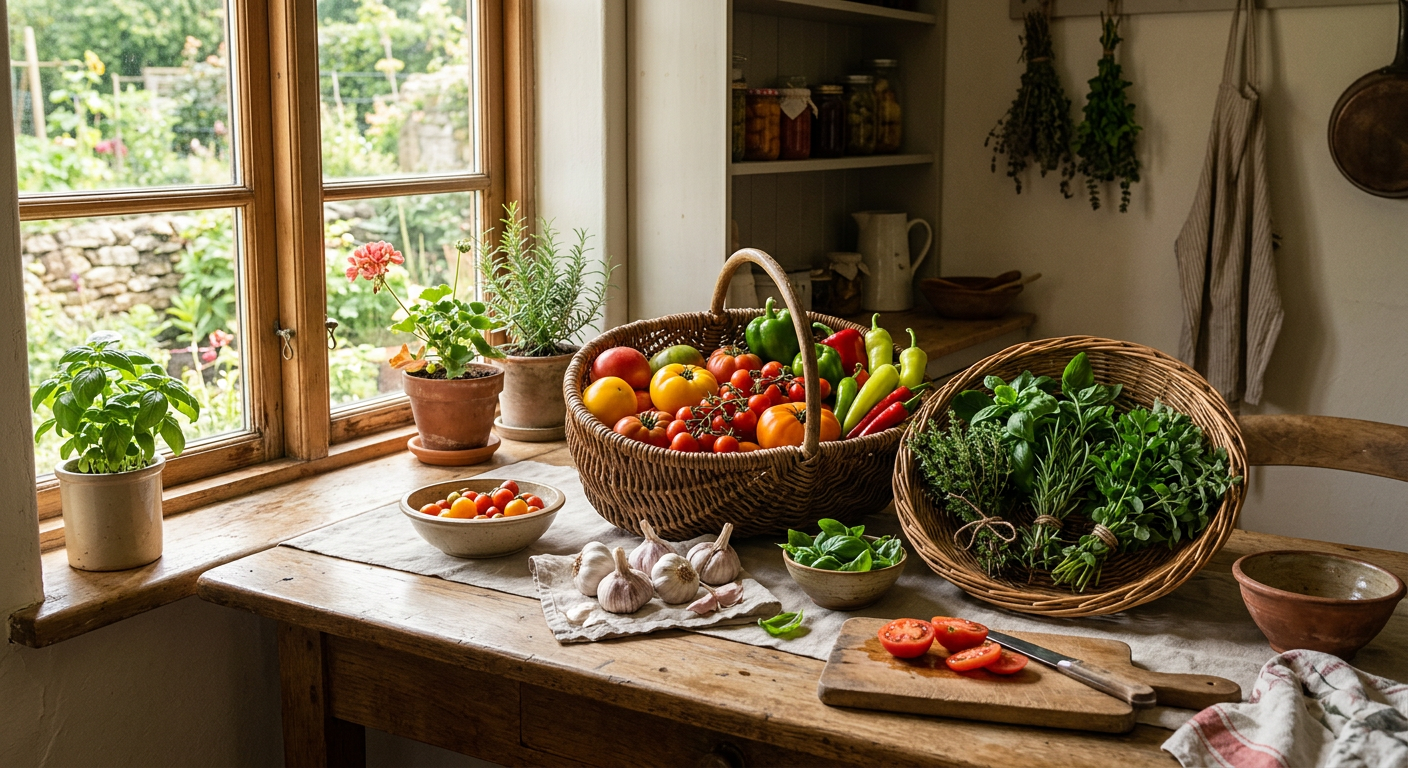
    !Learning what are basic food preservation methods for beginners with fresh garden harvest on a table.

    When we first started homesteading, the idea of preserving our own food felt like climbing Mount Everest! We’d look at our overflowing garden, or the great sales at the local farm stand, and just sigh, knowing so much good food would go to waste. But over the years, we’ve learned that you don’t need fancy equipment or a culinary degree to keep your harvest pantry-ready.

    🎯 Quick Answer: Basic food preservation methods for beginners include freezing, dehydrating, and water bath canning for high-acid foods. These techniques are relatively inexpensive, require minimal specialized equipment, and are fantastic ways to start building your long-term food storage without feeling overwhelmed.

    🌱 Start Your Homestead Plan β†’

    πŸ”‘ Key Takeaways

    * Start Small: Pick just one method to master before trying others.

    * Know Your Equipment: Most methods need specific tools, but many are affordable.

    * Safety First: Always follow tested recipes, especially for canning.

    * Cost-Effective: Preserving food saves money on groceries in the long run.

    * Reduce Waste: Keeps your garden bounty from spoiling.

    * Year-Round Enjoyment: Enjoy seasonal foods even in the off-season.

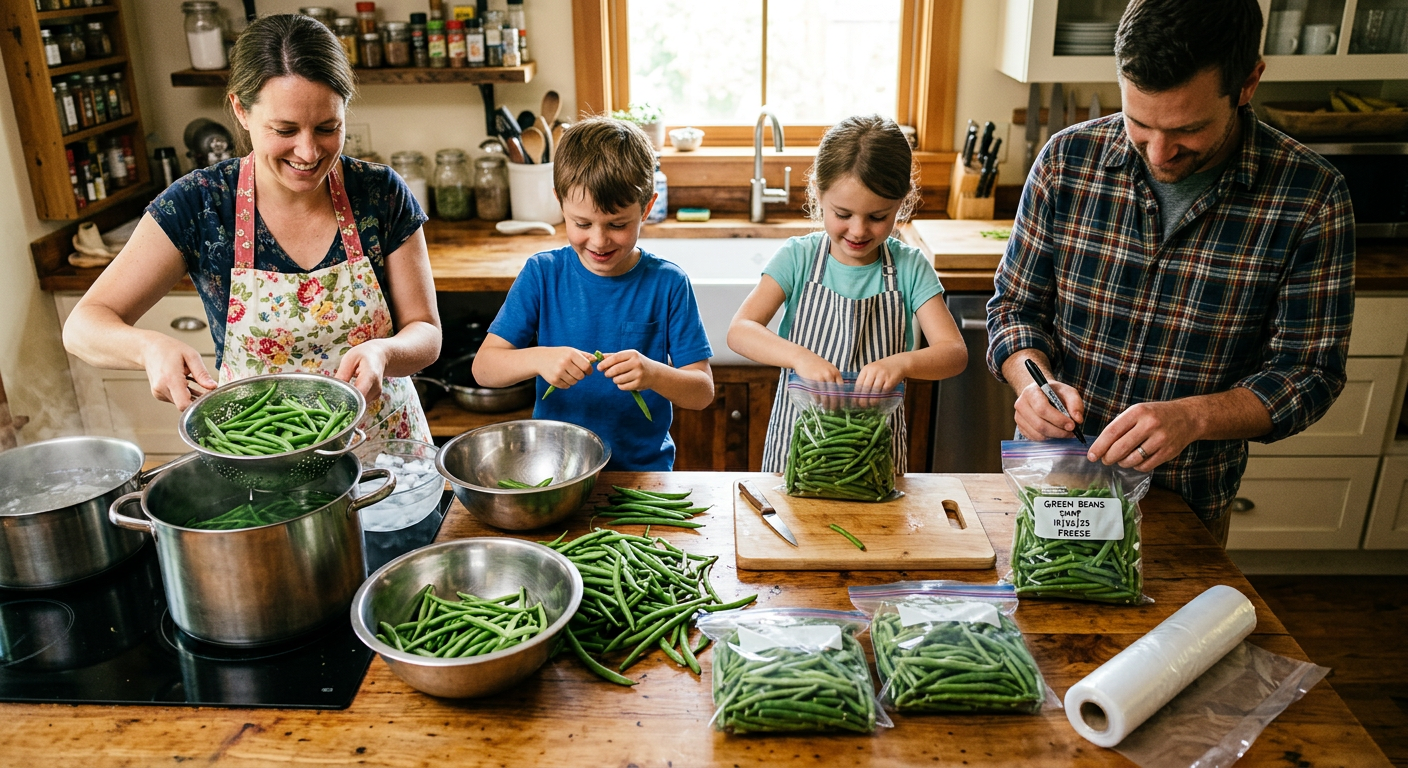
    !A simple way to practice what are basic food preservation methods for beginners through home freezing.

    Our Top 3 Basic Food Preservation Methods for Beginners

    When people ask us, “what are basic food preservation methods for beginners?”, we always point them to these three. They’re what we started with, and they’re still staples in our homestead kitchen today.

    1. Freezing: The Easiest Entry Point

    Freezing is, hands down, the simplest way to get started. If you have a freezer, you’re already halfway there! We love it for fruits, vegetables, and even cooked meals. It maintains most of the food’s nutritional value and flavor, and there’s no special skill involved.

    #### Cost and Time Commitment

    * Cost: Minimal. You’ll need freezer bags or containers. A gallon-sized freezer bag might cost $0.20-$0.50. A vacuum sealer (optional, but great for quality) can run $50-$150. We got our basic vacuum sealer for about $70 on sale years ago, and it’s paid for itself many times over.

    * Time: Very low. For most veggies, it’s a quick blanch (a minute or two in boiling water), an ice bath, drain, and bag. For fruit, often just wash, chop, and freeze. We can process a bushel of green beans in under an hour.

    #### Our Family’s Favorite Freezing Tips:

    * Flash Freezing: For berries or chopped veggies, spread them in a single layer on a baking sheet to freeze solid first. Then transfer to bags. This prevents clumping.

    * Blanching: Don’t skip blanching for most vegetables! It stops enzyme action that causes spoilage and loss of color/flavor. The National Center for Home Food Preservation has great guidelines.

    * Label Everything: Seriously, you’ll think you remember what it is, but a year from now, that mystery bag of green stuff isn’t so appealing. Date and contents!

    This method is super forgiving, and you’ll be amazed at how much you can squirrel away! But what about when freezer space is tight? We’ll get to that next.

    Keep reading β€” this is where most people mess up.

    2. Dehydrating: Packing Punch into Small Spaces

    Dehydrating food involves removing moisture to inhibit mold, yeast, and bacteria growth. This dramatically reduces food volume and weight, making it perfect for pantry storage, hiking, or emergency kits. We dehydrate a lot of apples, tomatoes, herbs, and even ground beef for our camping trips.

    #### Cost and Time Commitment

    * Cost: A basic dehydrator can cost $40-$100. More advanced models are $150+. Ours is an old, simple Nesco model we got for about $60 ten years ago. You can also use your oven on its lowest setting, though it’s less efficient.

    * Time: Prep is quick, but drying takes hours (6-12+ hours depending on food and dehydrator). It’s mostly hands-off, though.

    #### What We Love to Dehydrate:

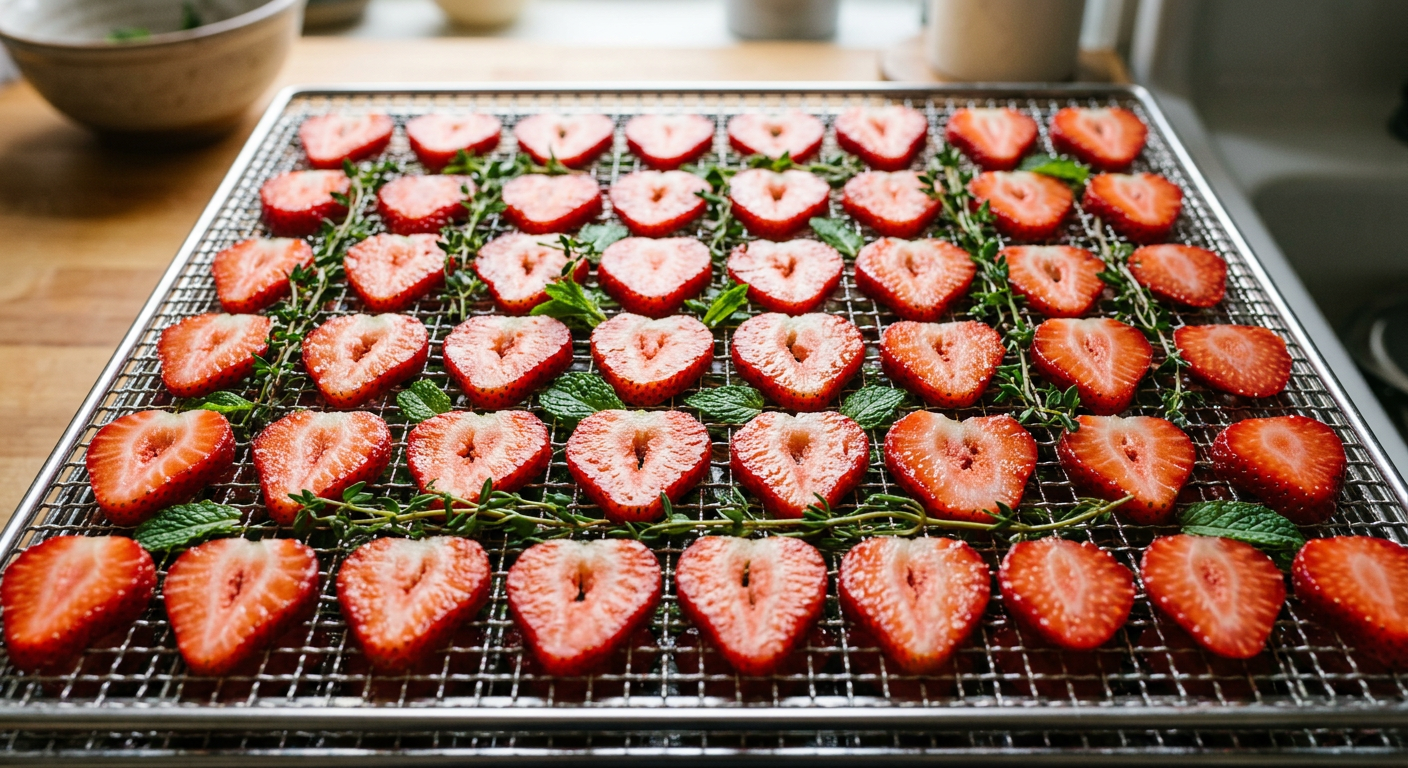
    * Herbs: Mint, oregano, basil, rosemary – we just wash, pat dry, and spread them on trays. They dry in a few hours.

    * Fruit: Apple slices, banana chips, fruit leathers (pureed fruit spread thin). These are excellent healthy snacks.

    * Vegetables: Onions, bell peppers, carrots, tomatoes (for ‘sun-dried’ tomatoes without the sun!). Add them to soups and stews.

    Dehydrating can seem daunting, but once you get the hang of it, you’ll find it incredibly rewarding. Next up, a classic homesteading skill that allows for true shelf-stable storage!

    πŸ“‹ Get the Beginner Checklist β†’

    3. Water Bath Canning: The Pantry Builder

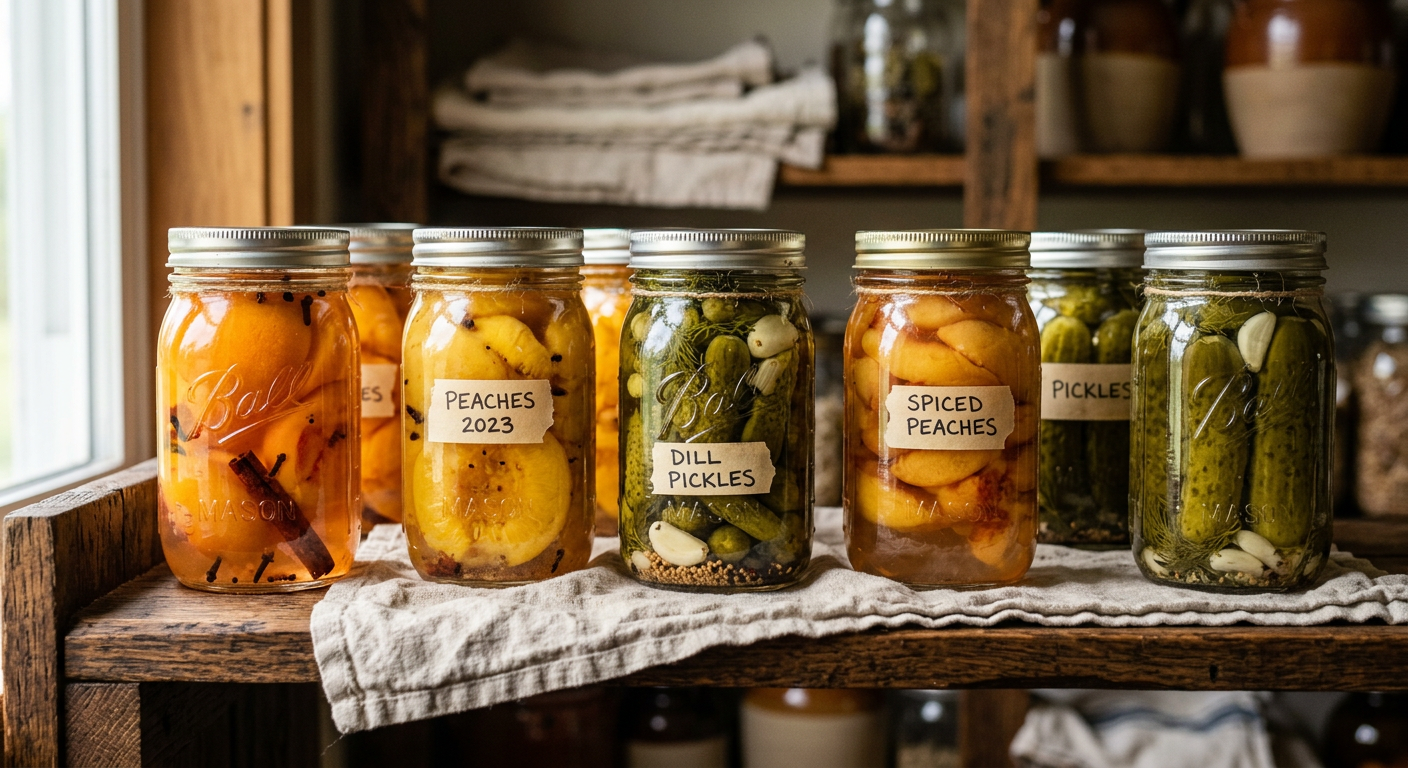
    Water bath canning is a fantastic way to preserve high-acid foods like fruits, jams, jellies, pickles, and tomatoes (with added acid). It uses heat to create a vacuum seal, making the food shelf-stable. Our shelves are full of homemade apple butter, dill pickles, and strawberry jam, all thanks to water bath canning.

    #### Cost and Time Commitment

    * Cost: You’ll need a large canning pot with a rack ($20-$40), canning jars (reusable, $15-$25/dozen), lids (new every time, $7-$10/dozen), and basic canning tools (jar lifter, funnel: $15-$25 for a kit). Initial investment might be $75-$150.

    * Time: Prep can be time-consuming, especially chopping and cooking. Processing time in the canner varies by recipe, but plan for at least 30-60 minutes per batch, plus cooling time.

    #### Our Go-To Water Bath Canning Recipes:

    * Homemade Jams and Jellies: Strawberry, raspberry, peach – these are simple and make great gifts. Check out extensions like USDA’s Complete Guide to Home Canning.

    * Dill Pickles: Cucumbers from the garden turn into crispy, tangy delights. We use a recipe from a Ball Blue Book that’s been passed down for generations.

    * Tomato Sauce: We love canning crushed tomatoes or a basic tomato sauce. No need to worry about pressure canning if you add a bit of citric acid or lemon juice to ensure proper acidity.

    This next part? Nobody talks about it, but it changed everything for us.

    πŸ’‘ Pro Tips

    * Invest in a Good Reference Book: A Ball Blue Book Guide to Preserving is a must-have for safe canning. We refer to ours constantly.

    * Buy in Bulk & Preserve Immediately: When you see a great deal on produce, or your garden explodes, act fast. Delaying increases spoilage and can affect quality.

    * Batch Process: Don’t try to preserve everything at once. Break it down. One day for blanching and freezing beans, another for making and canning jam.

    * Utilize Your Garden: Link your preservation efforts to `How to Start a Small Backyard Vegetable Garden: Beginner Guide` so you maximize your harvest. Our harvests of tomatoes and cucumbers truly fuel our canning efforts.

    * Learn About Food Storage: Once preserved, learn the best ways to store your goods. Cool, dark, dry places are key for canned and dehydrated items. This is a critical `Essential Homesteading Skills Beginners Need`.

    !Using a dehydrator as one of the what are basic food preservation methods for beginners for fruits.
    ⚠️ Beginner Mistakes to Avoid

    * Ignoring Safety Guidelines: Especially with canning, improper methods can lead to botulism. Always use tested recipes and follow instructions precisely. No shortcuts!

    * Overbuying Equipment: Start simple. You don’t need every gadget. Focus on the method you want to try first.

    * Not Labeling: Trust us, that mystery jar in the back of the pantry is not fun. Label, label, label!

    * Trying Too Much At Once: It’s exciting, but attempting all three methods in a weekend will lead to burnout. Master one, then move on.

    * Using Overripe or Spoiled Produce: Preservation doesn’t improve bad food; it only preserves it in its current state. Start with fresh, high-quality ingredients.

    Frequently Asked Questions

    What are basic food preservation methods for beginners that are cheapest?

    The cheapest methods are usually dehydrating (if you already have an oven or can sun-dry in a very dry climate) and freezing (if you have freezer space already). For canning, initial equipment costs can be higher, but jars are reusable, making it economical long-term.

    Can I preserve any food with these basic methods?

    Not quite! Freezing is very versatile. Dehydrating works well for most fruits, veggies, and herbs. Water bath canning is only for high-acid foods. Low-acid foods (most vegetables, meats, dairy) require a pressure canner for safety, which is a step beyond basic for true beginners.

    How long do preserved foods last?

    Generally, properly frozen foods last 8-12 months. Dehydrated foods can last 1-5 years depending on the food and storage conditions. Water bath canned goods are typically good for 12-18 months, though they can often be safe to eat for longer if properly stored and sealed.

    Do I need special training to start preserving food?

    No formal training is required, but it’s crucial to follow reputable guides for safety. Resources like the USDA’s Complete Guide to Home Canning or your local university extension office are excellent starting points for reliable, tested recipes.

    What’s the best way to get started if I’m overwhelmed?

    Pick one fruit or vegetable you love that’s in season and try one method. For example, freeze some berries, or make a small batch of strawberry jam. Success with one small project will build your confidence for the next! You can also check out our `10 Beginner Homesteading Tips to Start Your Self-Sufficient Journey Today` for broader advice.

    !The successful results of what are basic food preservation methods for beginners shown in glass jars.

    Conclusion

    Learning what are basic food preservation methods for beginners has been one of the most empowering skills we’ve gained on our homestead. It connects us to our food, saves us money, and fills our pantry with delicious, home-grown goodness. Don’t let fear hold you back – start small, learn one method, and before you know it, you’ll be preserving like a pro!

    What’s your biggest challenge with food preservation? I’d love to hear your story.

    πŸ”§ See Recommended Tools β†’


    πŸ“š More From Our Homestead

    Ready to Start Your Homestead Journey?

    Free guides, checklists, and tools to help you build your dream homestead.

    Explore Free Resources β†’

  • Crack the Code: Preserving Eggs Long-Term (No Fridge Needed!)

    Crack the Code: Preserving Eggs Long-Term (No Fridge Needed!)

    Oh, the joys of homesteading! There’s nothing quite like gathering fresh eggs from your happy hens every morning. But if you have a decent-sized flock, you quickly run into a wonderful “problem”: too many eggs! We certainly did. When our first batch of Rhode Island Reds started laying, it felt like Christmas every day, but soon our fridge was overflowing with dozens of beautiful, pastel-colored eggs. We knew we needed a better solution than just eating them all or giving them away, especially if we wanted to be more self-sufficient. That’s when we started researching how to preserve eggs for long term storage without refrigeration – and let me tell you, it’s a game-changer for any homesteader or backyard chicken keeper!

    When we first dove into this, it felt a little overwhelming. There are so many methods out there, from ancient practices to modern twists. But after years of experimenting on our own homestead, we’ve settled on a few reliable techniques that genuinely work. These aren’t just theoretical; they’re methods we use regularly to ensure we always have a pantry full of fresh eggs, even during winter when our girls slow down their laying. So, grab a cup of coffee, and let’s chat about how you can stop relying solely on your fridge to keep your precious eggs fresh!

    Why Bother Preserving Eggs Without Refrigeration?

    Before we jump into the ‘how-to,’ let’s touch on the ‘why.’ For us, it boils down to several key reasons:

    * Self-Sufficiency: Reducing our reliance on the electrical grid, especially for something as fundamental as food storage, is a core homesteading principle. If the power goes out, our preserved eggs are still good!

    * Dealing with Abundance: Chickens lay seasonally. In spring and summer, you might be swimming in eggs, while in winter, production drops significantly. Preserving allows you to level out that supply curve.

    * Preparedness: Having a shelf-stable food supply is always smart. Knowing we have months’ worth of eggs stored away brings a huge sense of security.

    * Saving Money: Buying eggs can get pricey. By maximizing our flock’s output and storing the surplus, we significantly cut down on our grocery bill.

    The Magic of the Bloom (and Why Store-Bought Eggs are Different)

    Before we dive into methods for how to preserve eggs for long term storage without refrigeration, it’s crucial to understand a little bit about fresh eggs. When a hen lays an egg, it’s covered in a natural protective layer called the “bloom” or “cuticle.” This bloom is incredible! It’s porous, but it acts like a natural seal, preventing bacteria from entering the egg and moisture from escaping. This is why farm-fresh, unwashed eggs can sit on your counter for weeks without refrigeration.

    However, most commercially produced eggs in the US are washed and then sanitized, which removes this natural bloom. To compensate, they’re often sprayed with a thin mineral oil coating, but it’s not as effective as the natural bloom. Plus, once the bloom is gone, refrigeration becomes essential to slow bacterial growth. For our purposes, we’re always talking about fresh, unwashed eggs straight from the nesting box.

    Method 1: Water Glassing Eggs (Our Top Pick for Longest Storage!)

    Water glassing is an ancient method that we absolutely swear by. It sounds fancy, but it’s surprisingly simple and incredibly effective for how to preserve eggs for long term storage without refrigeration for 6-18 months, or even longer! We’ve successfully water glassed eggs and used them over a year later with fantastic results. The key ingredient? Pickling lime (also known as calcium hydroxide).

    What You’ll Need:

    * Fresh, unwashed eggs: As fresh as possible, ideally within 24-48 hours of being laid. No cracks, blemishes, or poop! You’ll want to gently brush off any debris, NEVER wash them with water.

    * Food-grade pickling lime (calcium hydroxide): Not to be confused with garden lime (calcium carbonate). We typically buy a 1 lb bag for about $10-15, which lasts us a very long time.

    * Filtered (non-chlorinated) water: Chlorine can degrade the bloom.

    * Airtight container: Glass jars (half-gallon or gallon size work great), food-grade buckets, or ceramic crocks with lids.

    * Optional: A long spoon or tongs for placing eggs.

    Step-by-Step Water Glassing:

  • Prepare your solution: Mix 1 ounce (by weight, about 2 tablespoons) of pickling lime per quart of non-chlorinated water. Stir until the lime is mostly dissolved. It will look milky, and some sediment might settle at the bottom – that’s normal. For a gallon container, you’d use 4 ounces of lime to 4 quarts of water.
  • Add your eggs: Gently place your fresh, unwashed eggs into your clean, airtight container, pointy end down. This keeps the yolk centered and the air sac at the top. We usually layer them in carefully to avoid cracking. Don’t crowd them too much, but fill most of the space.
  • Pour in the solution: Slowly pour the pickling lime solution over the eggs, ensuring they are completely submerged. You’ll want at least an inch of solution above the top layer of eggs.
  • Seal and store: Seal the container tightly with a lid. Store in a cool, dark place like a pantry, basement, or root cellar. Consistent temperatures are best. We keep ours in our cool pantry, which stays around 55-65Β°F (13-18Β°C).
  • Using Water Glassed Eggs:

    When you’re ready to use them, carefully remove an egg. You’ll notice a chalky, slick residue. Crucially, wash the egg thoroughly with water and soap right before you crack it. This removes the lime solution. If you try to crack it unwashed, the lime can get into your food and taste unpleasant. We’ve used these eggs for everything from scrambling to baking and haven’t noticed any difference in taste or texture from fresh eggs.

    Method 2: Oiling Eggs (A Good Medium-Term Solution)

    Oiling eggs is another straightforward technique for how to preserve eggs for long term storage without refrigeration, typically extending their freshness for 3-9 months. It works by creating an artificial barrier over the naturally porous shell, essentially mimicking and enhancing the bloom, preventing moisture loss and bacterial entry.

    What You’ll Need:

    * Fresh, unwashed eggs: Again, fresh, clean, and unblemished is key.

    * Food-grade mineral oil: Odorless, tasteless, and food-safe. A quart bottle costs about $8-15 and will last you for hundreds of eggs.

    * Container for storage: Egg cartons, mesh baskets, or any container where eggs won’t bump into each other. You could also store them pointy end down in a bucket of sawdust or sand after oiling.

    Step-by-Step Oiling:

  • Gently clean eggs (dry method): Brush off any debris with a dry cloth or soft brush. Do not wash with water.
  • Coat with mineral oil: Pour a small amount of mineral oil into a shallow bowl. Dip each egg into the oil, ensuring it’s completely covered. Alternatively, you can put on gloves and rub a small amount of oil all over each egg. You want a thin, even coat.
  • Remove excess oil: Place the oiled egg on a wire rack for a few minutes to allow any excess oil to drip off.
  • Store: Once the oil has set (it shouldn’t be dripping), store the eggs pointy end down in egg cartons in a cool, dark place. We find our pantry works well, similar to our water-glassed eggs.
  • Using Oiled Eggs:

    Just use them as you would any other fresh egg! No special washing needed before cracking, as mineral oil is food-safe. You won’t notice any difference in taste or cooking performance.

    Method 3: Fermenting Eggs (A Savory, Shorter-Term Option)

    While not strictly for long-term storage in the same vein as water glassing, fermenting eggs offers a unique and delicious way to preserve them for several weeks to a few months. This method uses a brine solution to lacto-ferment the eggs, similar to making pickles or sauerkraut. They take on a distinct tangy flavor, making them fantastic for salads, charcuterie boards, or as a savory snack.

    What You’ll Need:

    * Hard-boiled eggs: Yes, these need to be cooked first! Peel them carefully.

    * Non-chlorinated water: Enough to cover your eggs.

    * Pickling salt (or sea salt): Avoid iodized salt.

    * Whey or a starter culture (optional but recommended): A tablespoon of raw sauerkraut juice or whey from yogurt/kefir can kickstart fermentation.

    * Flavorings: Garlic, dill, peppercorns, mustard seeds, chili flakes – get creative!

    * Clean glass jar: Mason jars work great.

    Step-by-Step Fermenting:

  • Prepare the brine: For every 2 cups of water, dissolve 1-2 tablespoons of salt. Heat slightly to dissolve, then let cool completely. Add your starter culture if using.
  • Pack the jar: Place peeled, hard-boiled eggs into your clean jar. Add your desired flavorings.
  • Pour brine: Pour the cooled brine over the eggs, ensuring they are fully submerged. You might need a fermentation weight or a small Baggie filled with brine to keep them under the liquid.
  • Ferment: Seal the jar loosely (to allow gases to escape) and leave at room temperature (65-75Β°F or 18-24Β°C) for 3-7 days. You’ll see tiny bubbles form, indicating fermentation. Taste test after 3 days to determine if they’re tangy enough for you.
  • Refrigerate: Once fermented to your liking, move the jar to the refrigerator. They will continue to ferment slowly but will last for 1-2 months, sometimes longer.
  • Our Experience: What We’ve Learned Over the Years

    When we started out, we tried oiling first because it seemed the easiest. It worked great for short to medium-term storage, maybe 3-4 months consistently. It’s a fantastic method if you just need to extend the life of a few dozen eggs. It costs us pennies per egg to oil them, and about 15-20 minutes for a few dozen.

    But for true long-term storage, especially if you’re serious about self-sufficiency, water glassing is where it’s at. We dedicate a corner of our pantry to several gallon jars of water-glassed eggs. This past winter, when our hens went on a laying strike, these eggs were a lifesaver. We were still eating “fresh” eggs in February that had been laid in July! It saved us about $5-8 per dozen we would have had to buy from the store.

    One small tip we’ve learned over time: always label your containers with the date you started the preservation and the method. Trust me, a few months down the line, you’ll be glad you did! We’ve also found that happy, healthy chickens lay better eggs for preservation. Good nutrition and clean living conditions make for stronger shells and better bloom. If you’re just starting your flock, learning about how to start a small backyard vegetable garden: beginner guide can help you grow some greens for your hens, which they love! And remembering essential tasks like regular cleaning of coop waterers and feeders helps with overall flock health. For beginners, getting a handle on 10 beginner homesteading tips to start your self-sufficient journey today can provide a solid foundation for all aspects of homesteading, including caring for your layers.

    We also use Homesteados.com as a resource for planning our homestead’s needs, especially when it comes to figuring out how much of something, like feed or bedding, we’ll need for our chickens. It’s a great tool to keep everything organized and ensure we’re on track with our self-sufficiency goals. You can explore their other helpful features over at usehomesteados.com.

    Important Considerations for Preserving Eggs

    * Only use truly fresh, unwashed eggs: This cannot be stressed enough. Store-bought eggs (unless specifically marketed as unwashed farm eggs) will not work.

    * Handle with care: Avoid jostling or cracking eggs. A tiny hairline crack can introduce bacteria.

    * Temperature stability: A cool, dark place with consistent temperature is ideal. Fluctuations can degrade preservation quality.

    * Discarding bad eggs: While rare with proper methods, if an egg from storage looks or smells off, discard it immediately. When in doubt, throw it out.

    Frequently Asked Questions About Preserving Eggs

    Q1: Can I preserve store-bought eggs using these methods?

    No, unfortunately not. Store-bought eggs have typically been washed, which removes their natural protective bloom. Once that bloom is gone, refrigeration is necessary. These preservation methods rely on that intact bloom on farm-fresh, unwashed eggs.

    Q2: How can I tell if a preserved egg is still good?

    The float test is your best friend! Place the egg in a bowl of water. A fresh egg (and most successfully preserved eggs) will lay on its side or sink to the bottom. If it stands on its pointy end, it’s older but still likely good. If it floats to the top, it’s spoiled and should be discarded. Also, always check for any off smells when cracking open a preserved egg.

    Q3: Do water-glassed eggs taste different from fresh eggs?

    In our experience, no! We’ve used water-glassed eggs for scrambling, frying, baking, and making quiches, and honestly, we can’t tell the difference. The texture, yolk color, and flavor remain remarkably consistent with fresh eggs, especially when stored correctly.

    Q4: How long does water glassed eggs last without refrigeration?

    Properly water-glassed eggs, stored in a cool, dark, consistent environment (like a pantry), can last anywhere from 6 months to over 18 months, and some homesteaders report success even beyond that! We typically aim to use ours within a year.

    Q5: What’s the cheapest way to preserve eggs?

    For sheer cost-effectiveness and long-term storage, water glassing is incredibly cheap. A 1 lb bag of pickling lime costs around $10-15 and will preserve hundreds of dozens of eggs over its shelf life, making the cost per egg almost negligible. Mineral oil is also quite affordable for the quantity of eggs it can preserve.

    There you have it – our tried and true methods for how to preserve eggs for long term storage without refrigeration! It’s a skill that has brought us immense satisfaction and food security on our homestead. No more worrying about wasting those precious eggs or having an empty fridge in winter. Give one of these methods a try and see the magic for yourself! If you’re looking for more ways to stock your homestead pantry, click around and explore other resources like our guide to essential homesteading tools to buy first: our top picks! to help you get started on your self-sufficient journey!


    πŸ“š More From Our Homestead

    Ready to Start Your Homestead Journey?

    Free guides, checklists, and tools to help you build your dream homestead.

    Explore Free Resources β†’

  • Basic Food Preservation for Beginners: Our Family’s Go-To Methods

    !Learning what are basic food preservation methods for beginners with fresh garden harvest on a table.

    When we first started homesteading, the idea of preserving our own food felt like climbing Mount Everest! We’d look at our overflowing garden, or the great sales at the local farm stand, and just sigh, knowing so much good food would go to waste. But over the years, we’ve learned that you don’t need fancy equipment or a culinary degree to keep your harvest pantry-ready.

    🎯 Quick Answer: Basic food preservation methods for beginners include freezing, dehydrating, and water bath canning for high-acid foods. These techniques are relatively inexpensive, require minimal specialized equipment, and are fantastic ways to start building your long-term food storage without feeling overwhelmed.

    🌱 Start Your Homestead Plan β†’

    πŸ”‘ Key Takeaways

    * Start Small: Pick just one method to master before trying others.

    * Know Your Equipment: Most methods need specific tools, but many are affordable.

    * Safety First: Always follow tested recipes, especially for canning.

    * Cost-Effective: Preserving food saves money on groceries in the long run.

    * Reduce Waste: Keeps your garden bounty from spoiling.

    * Year-Round Enjoyment: Enjoy seasonal foods even in the off-season.

    !A simple way to practice what are basic food preservation methods for beginners through home freezing.

    Our Top 3 Basic Food Preservation Methods for Beginners

    When people ask us, “what are basic food preservation methods for beginners?”, we always point them to these three. They’re what we started with, and they’re still staples in our homestead kitchen today.

    1. Freezing: The Easiest Entry Point

    Freezing is, hands down, the simplest way to get started. If you have a freezer, you’re already halfway there! We love it for fruits, vegetables, and even cooked meals. It maintains most of the food’s nutritional value and flavor, and there’s no special skill involved.

    #### Cost and Time Commitment

    * Cost: Minimal. You’ll need freezer bags or containers. A gallon-sized freezer bag might cost $0.20-$0.50. A vacuum sealer (optional, but great for quality) can run $50-$150. We got our basic vacuum sealer for about $70 on sale years ago, and it’s paid for itself many times over.

    * Time: Very low. For most veggies, it’s a quick blanch (a minute or two in boiling water), an ice bath, drain, and bag. For fruit, often just wash, chop, and freeze. We can process a bushel of green beans in under an hour.

    #### Our Family’s Favorite Freezing Tips:

    * Flash Freezing: For berries or chopped veggies, spread them in a single layer on a baking sheet to freeze solid first. Then transfer to bags. This prevents clumping.

    * Blanching: Don’t skip blanching for most vegetables! It stops enzyme action that causes spoilage and loss of color/flavor. The National Center for Home Food Preservation has great guidelines.

    * Label Everything: Seriously, you’ll think you remember what it is, but a year from now, that mystery bag of green stuff isn’t so appealing. Date and contents!

    This method is super forgiving, and you’ll be amazed at how much you can squirrel away! But what about when freezer space is tight? We’ll get to that next.

    Keep reading β€” this is where most people mess up.

    2. Dehydrating: Packing Punch into Small Spaces

    Dehydrating food involves removing moisture to inhibit mold, yeast, and bacteria growth. This dramatically reduces food volume and weight, making it perfect for pantry storage, hiking, or emergency kits. We dehydrate a lot of apples, tomatoes, herbs, and even ground beef for our camping trips.

    #### Cost and Time Commitment

    * Cost: A basic dehydrator can cost $40-$100. More advanced models are $150+. Ours is an old, simple Nesco model we got for about $60 ten years ago. You can also use your oven on its lowest setting, though it’s less efficient.

    * Time: Prep is quick, but drying takes hours (6-12+ hours depending on food and dehydrator). It’s mostly hands-off, though.

    #### What We Love to Dehydrate:

    * Herbs: Mint, oregano, basil, rosemary – we just wash, pat dry, and spread them on trays. They dry in a few hours.

    * Fruit: Apple slices, banana chips, fruit leathers (pureed fruit spread thin). These are excellent healthy snacks.

    * Vegetables: Onions, bell peppers, carrots, tomatoes (for ‘sun-dried’ tomatoes without the sun!). Add them to soups and stews.

    Dehydrating can seem daunting, but once you get the hang of it, you’ll find it incredibly rewarding. Next up, a classic homesteading skill that allows for true shelf-stable storage!

    πŸ“‹ Get the Beginner Checklist β†’

    3. Water Bath Canning: The Pantry Builder

    Water bath canning is a fantastic way to preserve high-acid foods like fruits, jams, jellies, pickles, and tomatoes (with added acid). It uses heat to create a vacuum seal, making the food shelf-stable. Our shelves are full of homemade apple butter, dill pickles, and strawberry jam, all thanks to water bath canning.

    #### Cost and Time Commitment

    * Cost: You’ll need a large canning pot with a rack ($20-$40), canning jars (reusable, $15-$25/dozen), lids (new every time, $7-$10/dozen), and basic canning tools (jar lifter, funnel: $15-$25 for a kit). Initial investment might be $75-$150.

    * Time: Prep can be time-consuming, especially chopping and cooking. Processing time in the canner varies by recipe, but plan for at least 30-60 minutes per batch, plus cooling time.

    #### Our Go-To Water Bath Canning Recipes:

    * Homemade Jams and Jellies: Strawberry, raspberry, peach – these are simple and make great gifts. Check out extensions like USDA’s Complete Guide to Home Canning.

    * Dill Pickles: Cucumbers from the garden turn into crispy, tangy delights. We use a recipe from a Ball Blue Book that’s been passed down for generations.

    * Tomato Sauce: We love canning crushed tomatoes or a basic tomato sauce. No need to worry about pressure canning if you add a bit of citric acid or lemon juice to ensure proper acidity.

    This next part? Nobody talks about it, but it changed everything for us.

    πŸ’‘ Pro Tips

    * Invest in a Good Reference Book: A Ball Blue Book Guide to Preserving is a must-have for safe canning. We refer to ours constantly.

    * Buy in Bulk & Preserve Immediately: When you see a great deal on produce, or your garden explodes, act fast. Delaying increases spoilage and can affect quality.

    * Batch Process: Don’t try to preserve everything at once. Break it down. One day for blanching and freezing beans, another for making and canning jam.

    * Utilize Your Garden: Link your preservation efforts to `How to Start a Small Backyard Vegetable Garden: Beginner Guide` so you maximize your harvest. Our harvests of tomatoes and cucumbers truly fuel our canning efforts.

    * Learn About Food Storage: Once preserved, learn the best ways to store your goods. Cool, dark, dry places are key for canned and dehydrated items. This is a critical `Essential Homesteading Skills Beginners Need`.

    !Using a dehydrator as one of the what are basic food preservation methods for beginners for fruits.

    ⚠️ Beginner Mistakes to Avoid

    * Ignoring Safety Guidelines: Especially with canning, improper methods can lead to botulism. Always use tested recipes and follow instructions precisely. No shortcuts!

    * Overbuying Equipment: Start simple. You don’t need every gadget. Focus on the method you want to try first.

    * Not Labeling: Trust us, that mystery jar in the back of the pantry is not fun. Label, label, label!

    * Trying Too Much At Once: It’s exciting, but attempting all three methods in a weekend will lead to burnout. Master one, then move on.

    * Using Overripe or Spoiled Produce: Preservation doesn’t improve bad food; it only preserves it in its current state. Start with fresh, high-quality ingredients.

    Frequently Asked Questions

    What are basic food preservation methods for beginners that are cheapest?

    The cheapest methods are usually dehydrating (if you already have an oven or can sun-dry in a very dry climate) and freezing (if you have freezer space already). For canning, initial equipment costs can be higher, but jars are reusable, making it economical long-term.

    Can I preserve any food with these basic methods?

    Not quite! Freezing is very versatile. Dehydrating works well for most fruits, veggies, and herbs. Water bath canning is only for high-acid foods. Low-acid foods (most vegetables, meats, dairy) require a pressure canner for safety, which is a step beyond basic for true beginners.

    How long do preserved foods last?

    Generally, properly frozen foods last 8-12 months. Dehydrated foods can last 1-5 years depending on the food and storage conditions. Water bath canned goods are typically good for 12-18 months, though they can often be safe to eat for longer if properly stored and sealed.

    Do I need special training to start preserving food?

    No formal training is required, but it’s crucial to follow reputable guides for safety. Resources like the USDA’s Complete Guide to Home Canning or your local university extension office are excellent starting points for reliable, tested recipes.

    What’s the best way to get started if I’m overwhelmed?

    Pick one fruit or vegetable you love that’s in season and try one method. For example, freeze some berries, or make a small batch of strawberry jam. Success with one small project will build your confidence for the next! You can also check out our `10 Beginner Homesteading Tips to Start Your Self-Sufficient Journey Today` for broader advice.

    !The successful results of what are basic food preservation methods for beginners shown in glass jars.

    Conclusion

    Learning what are basic food preservation methods for beginners has been one of the most empowering skills we’ve gained on our homestead. It connects us to our food, saves us money, and fills our pantry with delicious, home-grown goodness. Don’t let fear hold you back – start small, learn one method, and before you know it, you’ll be preserving like a pro!

    What’s your biggest challenge with food preservation? I’d love to hear your story.

    πŸ”§ See Recommended Tools β†’


    πŸ“š More From Our Homestead

    Ready to Start Your Homestead Journey?

    Free guides, checklists, and tools to help you build your dream homestead.

    Explore Free Resources β†’


  • Crack the Code: Preserving Eggs Long-Term (No Fridge Needed!)

    Crack the Code: Preserving Eggs Long-Term (No Fridge Needed!)

    Oh, the joys of homesteading! There’s nothing quite like gathering fresh eggs from your happy hens every morning. But if you have a decent-sized flock, you quickly run into a wonderful “problem”: too many eggs! We certainly did. When our first batch of Rhode Island Reds started laying, it felt like Christmas every day, but soon our fridge was overflowing with dozens of beautiful, pastel-colored eggs. We knew we needed a better solution than just eating them all or giving them away, especially if we wanted to be more self-sufficient. That’s when we started researching how to preserve eggs for long term storage without refrigeration – and let me tell you, it’s a game-changer for any homesteader or backyard chicken keeper!

    When we first dove into this, it felt a little overwhelming. There are so many methods out there, from ancient practices to modern twists. But after years of experimenting on our own homestead, we’ve settled on a few reliable techniques that genuinely work. These aren’t just theoretical; they’re methods we use regularly to ensure we always have a pantry full of fresh eggs, even during winter when our girls slow down their laying. So, grab a cup of coffee, and let’s chat about how you can stop relying solely on your fridge to keep your precious eggs fresh!

    Why Bother Preserving Eggs Without Refrigeration?

    Before we jump into the ‘how-to,’ let’s touch on the ‘why.’ For us, it boils down to several key reasons:

    * Self-Sufficiency: Reducing our reliance on the electrical grid, especially for something as fundamental as food storage, is a core homesteading principle. If the power goes out, our preserved eggs are still good!

    * Dealing with Abundance: Chickens lay seasonally. In spring and summer, you might be swimming in eggs, while in winter, production drops significantly. Preserving allows you to level out that supply curve.

    * Preparedness: Having a shelf-stable food supply is always smart. Knowing we have months’ worth of eggs stored away brings a huge sense of security.

    * Saving Money: Buying eggs can get pricey. By maximizing our flock’s output and storing the surplus, we significantly cut down on our grocery bill.

    The Magic of the Bloom (and Why Store-Bought Eggs are Different)

    Before we dive into methods for how to preserve eggs for long term storage without refrigeration, it’s crucial to understand a little bit about fresh eggs. When a hen lays an egg, it’s covered in a natural protective layer called the “bloom” or “cuticle.” This bloom is incredible! It’s porous, but it acts like a natural seal, preventing bacteria from entering the egg and moisture from escaping. This is why farm-fresh, unwashed eggs can sit on your counter for weeks without refrigeration.

    However, most commercially produced eggs in the US are washed and then sanitized, which removes this natural bloom. To compensate, they’re often sprayed with a thin mineral oil coating, but it’s not as effective as the natural bloom. Plus, once the bloom is gone, refrigeration becomes essential to slow bacterial growth. For our purposes, we’re always talking about fresh, unwashed eggs straight from the nesting box.

    Method 1: Water Glassing Eggs (Our Top Pick for Longest Storage!)

    Water glassing is an ancient method that we absolutely swear by. It sounds fancy, but it’s surprisingly simple and incredibly effective for how to preserve eggs for long term storage without refrigeration for 6-18 months, or even longer! We’ve successfully water glassed eggs and used them over a year later with fantastic results. The key ingredient? Pickling lime (also known as calcium hydroxide).

    What You’ll Need:

    * Fresh, unwashed eggs: As fresh as possible, ideally within 24-48 hours of being laid. No cracks, blemishes, or poop! You’ll want to gently brush off any debris, NEVER wash them with water.

    * Food-grade pickling lime (calcium hydroxide): Not to be confused with garden lime (calcium carbonate). We typically buy a 1 lb bag for about $10-15, which lasts us a very long time.

    * Filtered (non-chlorinated) water: Chlorine can degrade the bloom.

    * Airtight container: Glass jars (half-gallon or gallon size work great), food-grade buckets, or ceramic crocks with lids.

    * Optional: A long spoon or tongs for placing eggs.

    Step-by-Step Water Glassing:

  • Prepare your solution: Mix 1 ounce (by weight, about 2 tablespoons) of pickling lime per quart of non-chlorinated water. Stir until the lime is mostly dissolved. It will look milky, and some sediment might settle at the bottom – that’s normal. For a gallon container, you’d use 4 ounces of lime to 4 quarts of water.
  • Add your eggs: Gently place your fresh, unwashed eggs into your clean, airtight container, pointy end down. This keeps the yolk centered and the air sac at the top. We usually layer them in carefully to avoid cracking. Don’t crowd them too much, but fill most of the space.
  • Pour in the solution: Slowly pour the pickling lime solution over the eggs, ensuring they are completely submerged. You’ll want at least an inch of solution above the top layer of eggs.
  • Seal and store: Seal the container tightly with a lid. Store in a cool, dark place like a pantry, basement, or root cellar. Consistent temperatures are best. We keep ours in our cool pantry, which stays around 55-65Β°F (13-18Β°C).
  • Using Water Glassed Eggs:

    When you’re ready to use them, carefully remove an egg. You’ll notice a chalky, slick residue. Crucially, wash the egg thoroughly with water and soap right before you crack it. This removes the lime solution. If you try to crack it unwashed, the lime can get into your food and taste unpleasant. We’ve used these eggs for everything from scrambling to baking and haven’t noticed any difference in taste or texture from fresh eggs.

    Method 2: Oiling Eggs (A Good Medium-Term Solution)

    Oiling eggs is another straightforward technique for how to preserve eggs for long term storage without refrigeration, typically extending their freshness for 3-9 months. It works by creating an artificial barrier over the naturally porous shell, essentially mimicking and enhancing the bloom, preventing moisture loss and bacterial entry.

    What You’ll Need:

    * Fresh, unwashed eggs: Again, fresh, clean, and unblemished is key.

    * Food-grade mineral oil: Odorless, tasteless, and food-safe. A quart bottle costs about $8-15 and will last you for hundreds of eggs.

    * Container for storage: Egg cartons, mesh baskets, or any container where eggs won’t bump into each other. You could also store them pointy end down in a bucket of sawdust or sand after oiling.

    Step-by-Step Oiling:

  • Gently clean eggs (dry method): Brush off any debris with a dry cloth or soft brush. Do not wash with water.
  • Coat with mineral oil: Pour a small amount of mineral oil into a shallow bowl. Dip each egg into the oil, ensuring it’s completely covered. Alternatively, you can put on gloves and rub a small amount of oil all over each egg. You want a thin, even coat.
  • Remove excess oil: Place the oiled egg on a wire rack for a few minutes to allow any excess oil to drip off.
  • Store: Once the oil has set (it shouldn’t be dripping), store the eggs pointy end down in egg cartons in a cool, dark place. We find our pantry works well, similar to our water-glassed eggs.
  • Using Oiled Eggs:

    Just use them as you would any other fresh egg! No special washing needed before cracking, as mineral oil is food-safe. You won’t notice any difference in taste or cooking performance.

    Method 3: Fermenting Eggs (A Savory, Shorter-Term Option)

    While not strictly for long-term storage in the same vein as water glassing, fermenting eggs offers a unique and delicious way to preserve them for several weeks to a few months. This method uses a brine solution to lacto-ferment the eggs, similar to making pickles or sauerkraut. They take on a distinct tangy flavor, making them fantastic for salads, charcuterie boards, or as a savory snack.

    What You’ll Need:

    * Hard-boiled eggs: Yes, these need to be cooked first! Peel them carefully.

    * Non-chlorinated water: Enough to cover your eggs.

    * Pickling salt (or sea salt): Avoid iodized salt.

    * Whey or a starter culture (optional but recommended): A tablespoon of raw sauerkraut juice or whey from yogurt/kefir can kickstart fermentation.

    * Flavorings: Garlic, dill, peppercorns, mustard seeds, chili flakes – get creative!

    * Clean glass jar: Mason jars work great.

    Step-by-Step Fermenting:

  • Prepare the brine: For every 2 cups of water, dissolve 1-2 tablespoons of salt. Heat slightly to dissolve, then let cool completely. Add your starter culture if using.
  • Pack the jar: Place peeled, hard-boiled eggs into your clean jar. Add your desired flavorings.
  • Pour brine: Pour the cooled brine over the eggs, ensuring they are fully submerged. You might need a fermentation weight or a small Baggie filled with brine to keep them under the liquid.
  • Ferment: Seal the jar loosely (to allow gases to escape) and leave at room temperature (65-75Β°F or 18-24Β°C) for 3-7 days. You’ll see tiny bubbles form, indicating fermentation. Taste test after 3 days to determine if they’re tangy enough for you.
  • Refrigerate: Once fermented to your liking, move the jar to the refrigerator. They will continue to ferment slowly but will last for 1-2 months, sometimes longer.
  • Our Experience: What We’ve Learned Over the Years

    When we started out, we tried oiling first because it seemed the easiest. It worked great for short to medium-term storage, maybe 3-4 months consistently. It’s a fantastic method if you just need to extend the life of a few dozen eggs. It costs us pennies per egg to oil them, and about 15-20 minutes for a few dozen.

    But for true long-term storage, especially if you’re serious about self-sufficiency, water glassing is where it’s at. We dedicate a corner of our pantry to several gallon jars of water-glassed eggs. This past winter, when our hens went on a laying strike, these eggs were a lifesaver. We were still eating “fresh” eggs in February that had been laid in July! It saved us about $5-8 per dozen we would have had to buy from the store.

    One small tip we’ve learned over time: always label your containers with the date you started the preservation and the method. Trust me, a few months down the line, you’ll be glad you did! We’ve also found that happy, healthy chickens lay better eggs for preservation. Good nutrition and clean living conditions make for stronger shells and better bloom. If you’re just starting your flock, learning about how to start a small backyard vegetable garden: beginner guide can help you grow some greens for your hens, which they love! And remembering essential tasks like regular cleaning of coop waterers and feeders helps with overall flock health. For beginners, getting a handle on 10 beginner homesteading tips to start your self-sufficient journey today can provide a solid foundation for all aspects of homesteading, including caring for your layers.

    We also use Homesteados.com as a resource for planning our homestead’s needs, especially when it comes to figuring out how much of something, like feed or bedding, we’ll need for our chickens. It’s a great tool to keep everything organized and ensure we’re on track with our self-sufficiency goals. You can explore their other helpful features over at usehomesteados.com.

    Important Considerations for Preserving Eggs

    * Only use truly fresh, unwashed eggs: This cannot be stressed enough. Store-bought eggs (unless specifically marketed as unwashed farm eggs) will not work.

    * Handle with care: Avoid jostling or cracking eggs. A tiny hairline crack can introduce bacteria.

    * Temperature stability: A cool, dark place with consistent temperature is ideal. Fluctuations can degrade preservation quality.

    * Discarding bad eggs: While rare with proper methods, if an egg from storage looks or smells off, discard it immediately. When in doubt, throw it out.

    Frequently Asked Questions About Preserving Eggs

    Q1: Can I preserve store-bought eggs using these methods?

    No, unfortunately not. Store-bought eggs have typically been washed, which removes their natural protective bloom. Once that bloom is gone, refrigeration is necessary. These preservation methods rely on that intact bloom on farm-fresh, unwashed eggs.

    Q2: How can I tell if a preserved egg is still good?

    The float test is your best friend! Place the egg in a bowl of water. A fresh egg (and most successfully preserved eggs) will lay on its side or sink to the bottom. If it stands on its pointy end, it’s older but still likely good. If it floats to the top, it’s spoiled and should be discarded. Also, always check for any off smells when cracking open a preserved egg.

    Q3: Do water-glassed eggs taste different from fresh eggs?

    In our experience, no! We’ve used water-glassed eggs for scrambling, frying, baking, and making quiches, and honestly, we can’t tell the difference. The texture, yolk color, and flavor remain remarkably consistent with fresh eggs, especially when stored correctly.

    Q4: How long does water glassed eggs last without refrigeration?

    Properly water-glassed eggs, stored in a cool, dark, consistent environment (like a pantry), can last anywhere from 6 months to over 18 months, and some homesteaders report success even beyond that! We typically aim to use ours within a year.

    Q5: What’s the cheapest way to preserve eggs?

    For sheer cost-effectiveness and long-term storage, water glassing is incredibly cheap. A 1 lb bag of pickling lime costs around $10-15 and will preserve hundreds of dozens of eggs over its shelf life, making the cost per egg almost negligible. Mineral oil is also quite affordable for the quantity of eggs it can preserve.

    There you have it – our tried and true methods for how to preserve eggs for long term storage without refrigeration! It’s a skill that has brought us immense satisfaction and food security on our homestead. No more worrying about wasting those precious eggs or having an empty fridge in winter. Give one of these methods a try and see the magic for yourself! If you’re looking for more ways to stock your homestead pantry, click around and explore other resources like our guide to essential homesteading tools to buy first: our top picks! to help you get started on your self-sufficient journey!


    Ready to start your homesteading journey? Visit UseHomesteados.com for more guides, tools, and resources.


    πŸ‘‰ Related: Build a Movable Chicken Tractor for Sustainable Pest Control