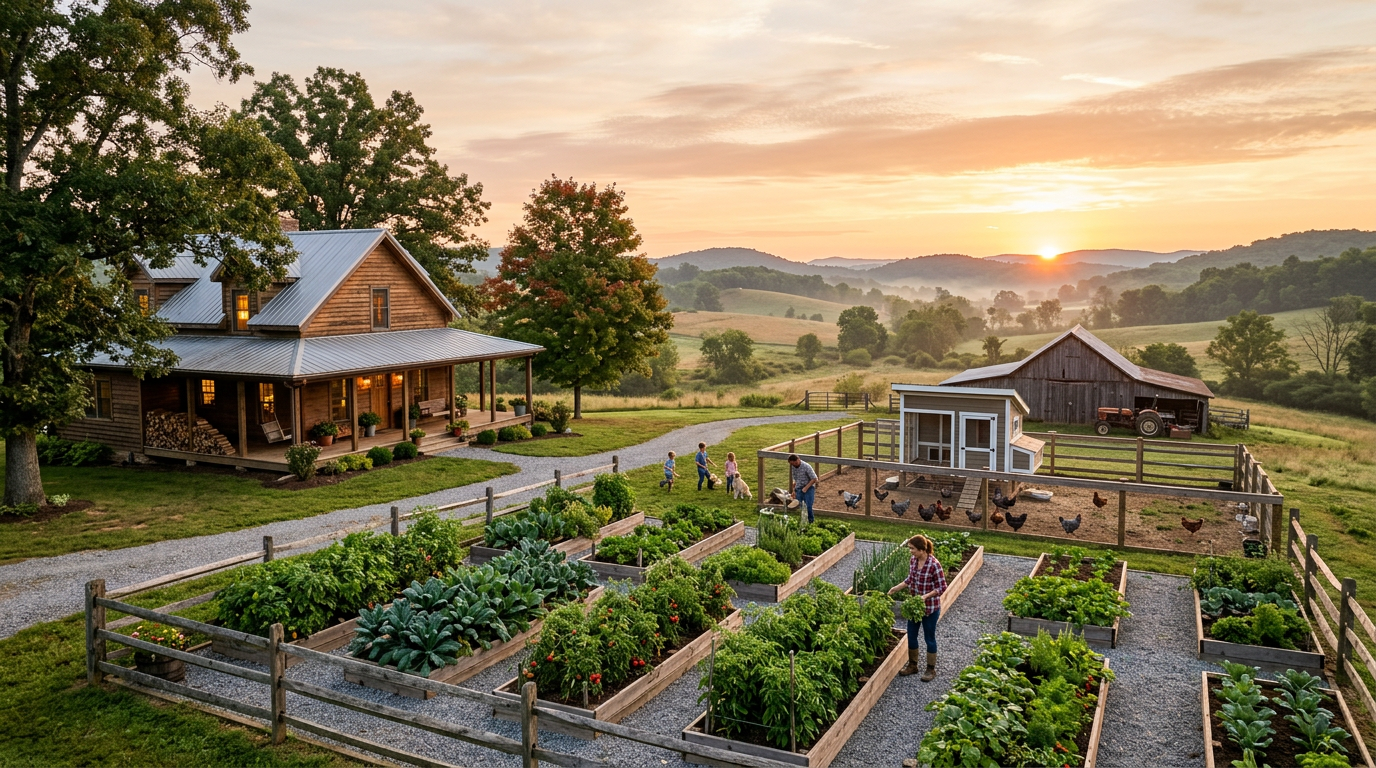
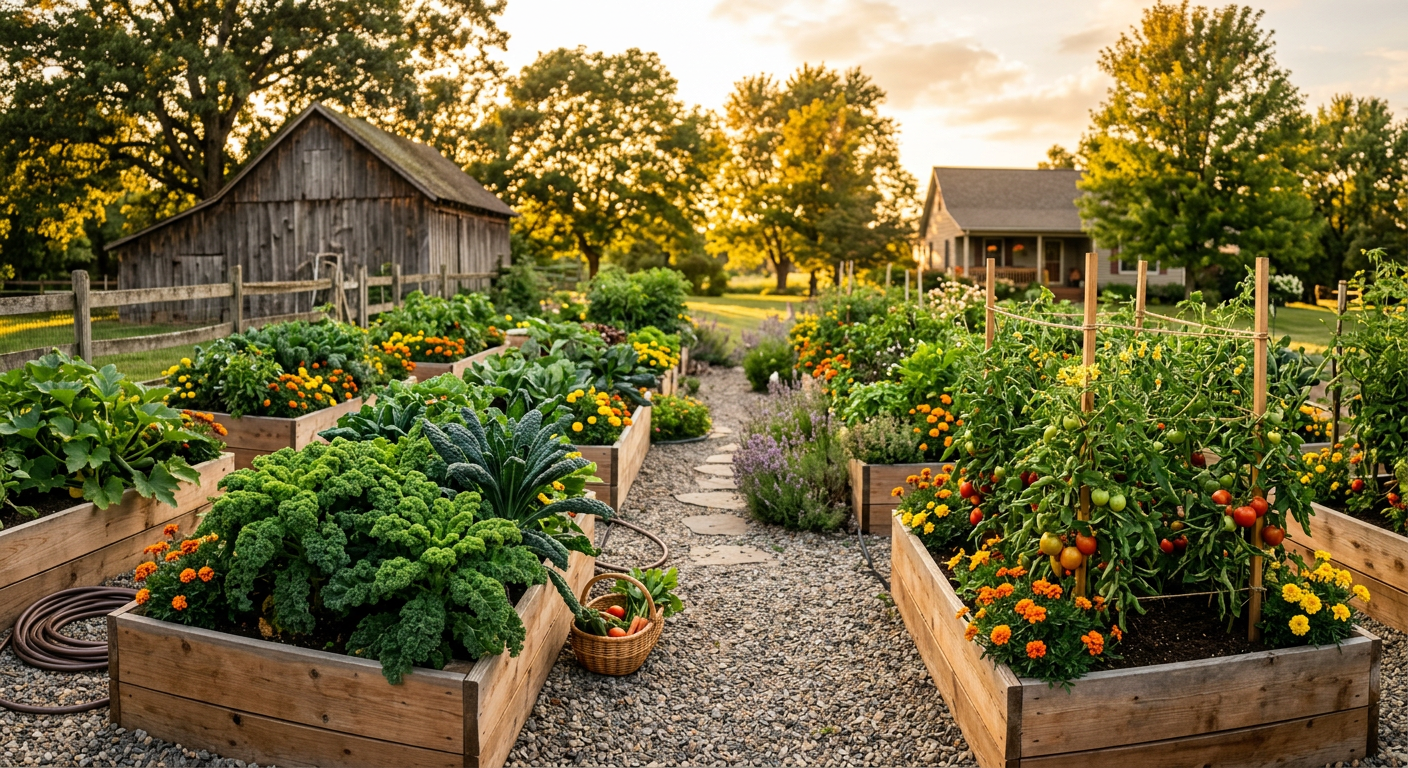
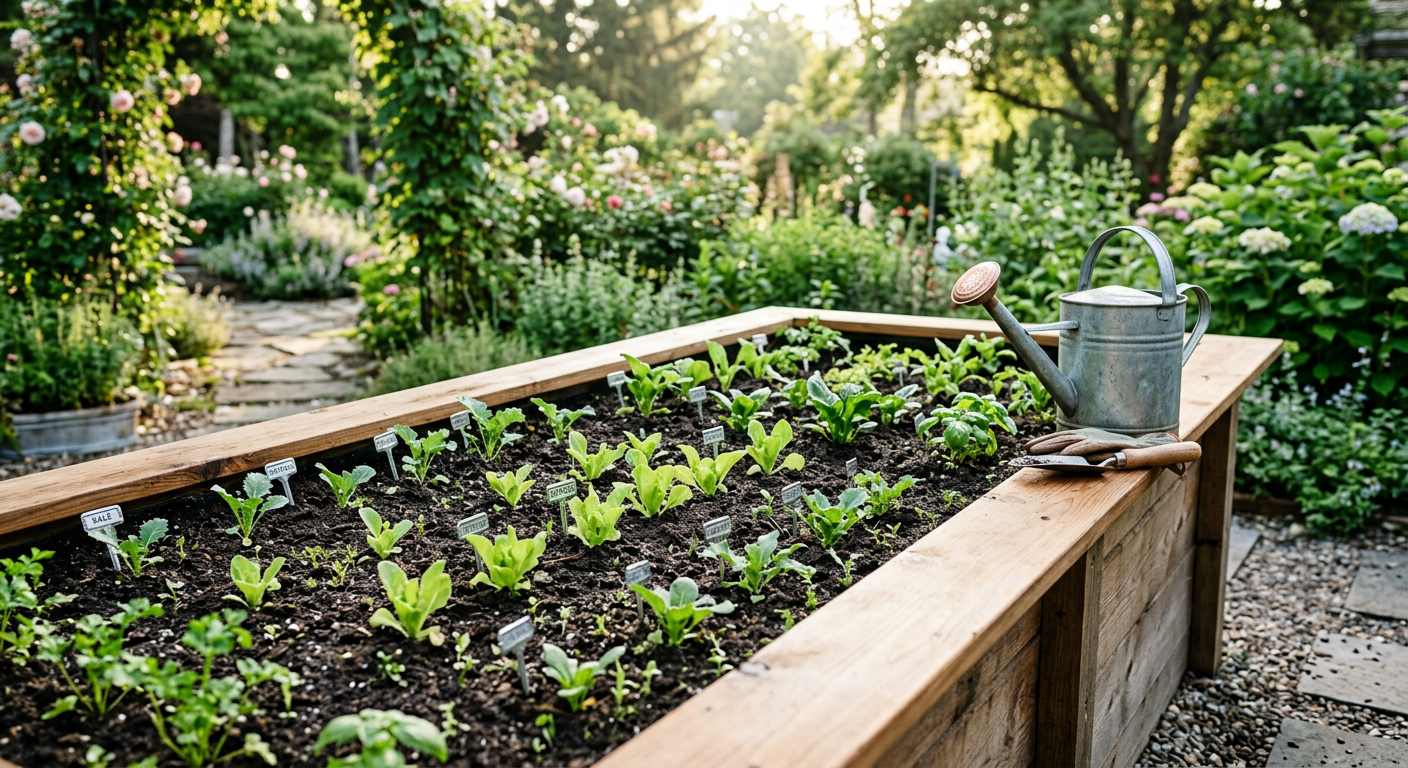
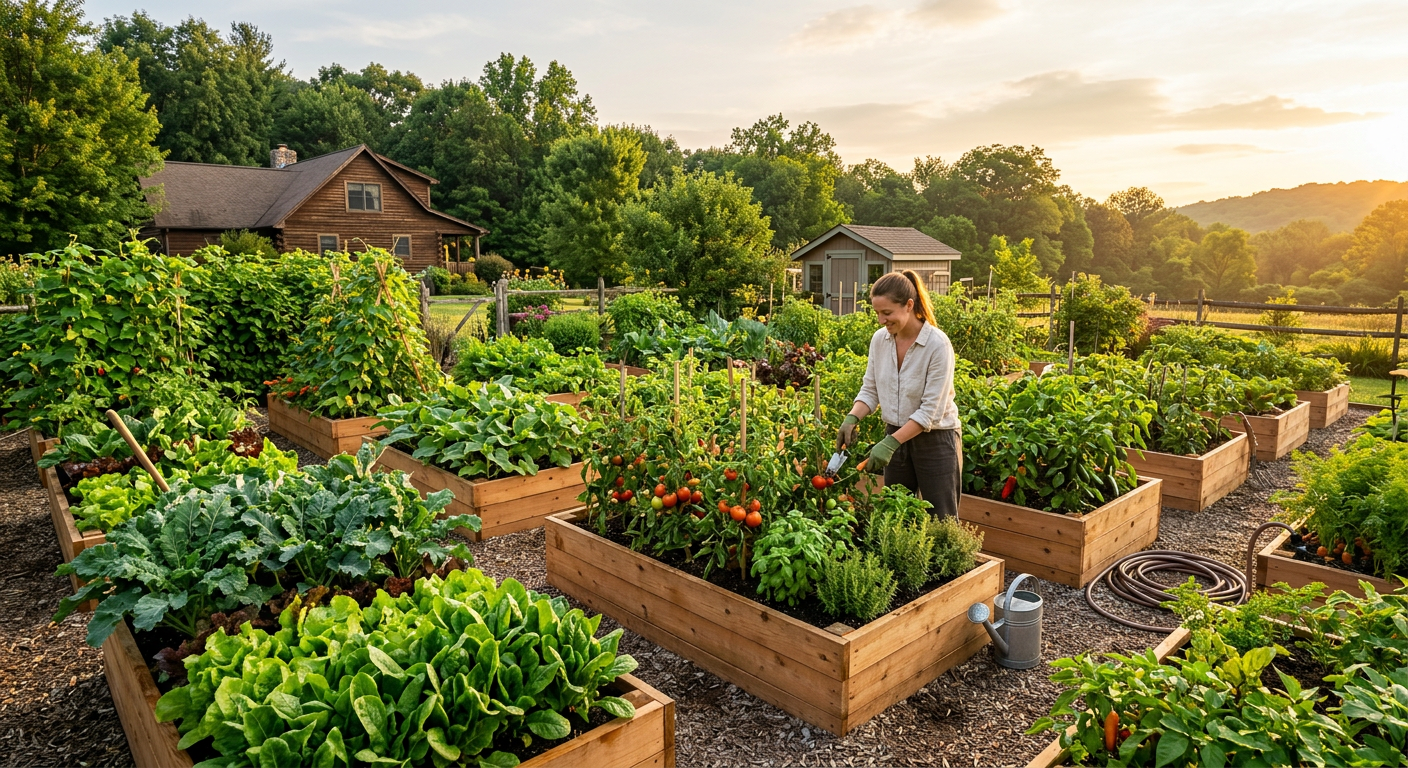
!A thriving backyard vegetable garden at sunset, demonstrating natural pest control methods.
I’ll never forget the morning I walked out to check my cabbage seedlings. The day before, they were perfect. But that morning, they were skeletons—lacy, chewed-up remnants of the hardy plants I’d so carefully started from seed. The culprits were a horde of tiny, green cabbage loopers, and they had undone weeks of work in a single night. I felt that pit in my stomach, that mix of anger and defeat every gardener knows too well.
🎯 Quick Answer: The most effective pest control methods for a backyard vegetable garden involve an integrated approach. Focus first on physical barriers and building healthy soil. Then, encourage beneficial insects and use manual removal, saving organic sprays like Neem oil as a final resort.
🔑 Key Takeaways
* Prevention is 90% of the battle. Healthy soil and physical barriers like row covers will stop most pest problems before they start.
* Not all bugs are bad. Learn to identify beneficial insects (ladybugs, lacewings) and attract them to your garden to do the pest control for you.
* Manual removal is your best friend. Hand-picking pests like hornworms and squash bugs is tedious but incredibly effective and 100% organic.
* Companion planting works. Using plants like marigolds and nasturtiums strategically can deter pests from your valuable crops.
* Organic sprays are a last resort, not a first response. Understand what you’re spraying and why. Never spray indiscriminately.
* Observe daily. A five-minute walk through your garden each day will help you spot issues when they are small and manageable.
—
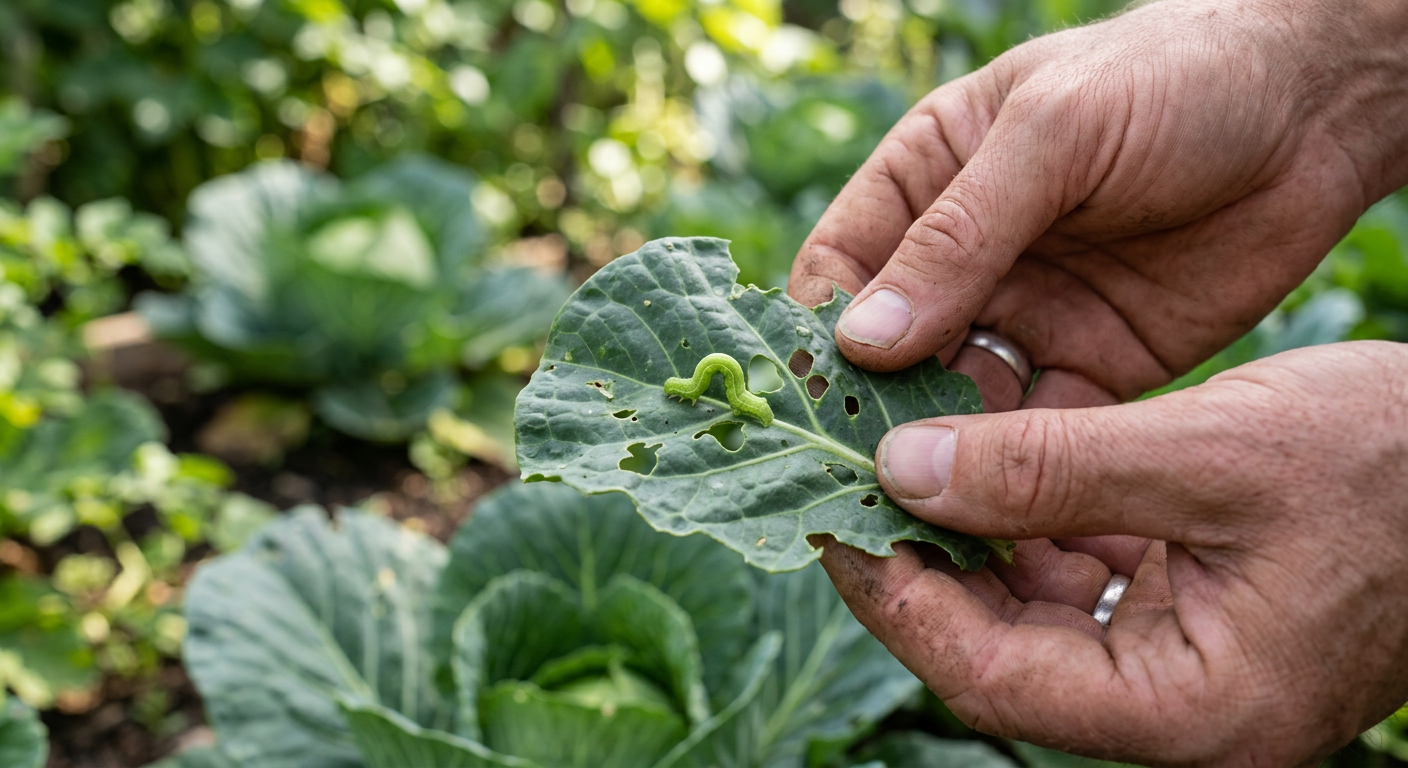
Your First Line of Defense: Prevention & Physical Barriers
We learned this the hard way. Our first year, we just threw plants in the ground and hoped for the best. It was a disaster. Now, we’re militant about prevention, and it’s changed everything.
Healthy Soil is Everything
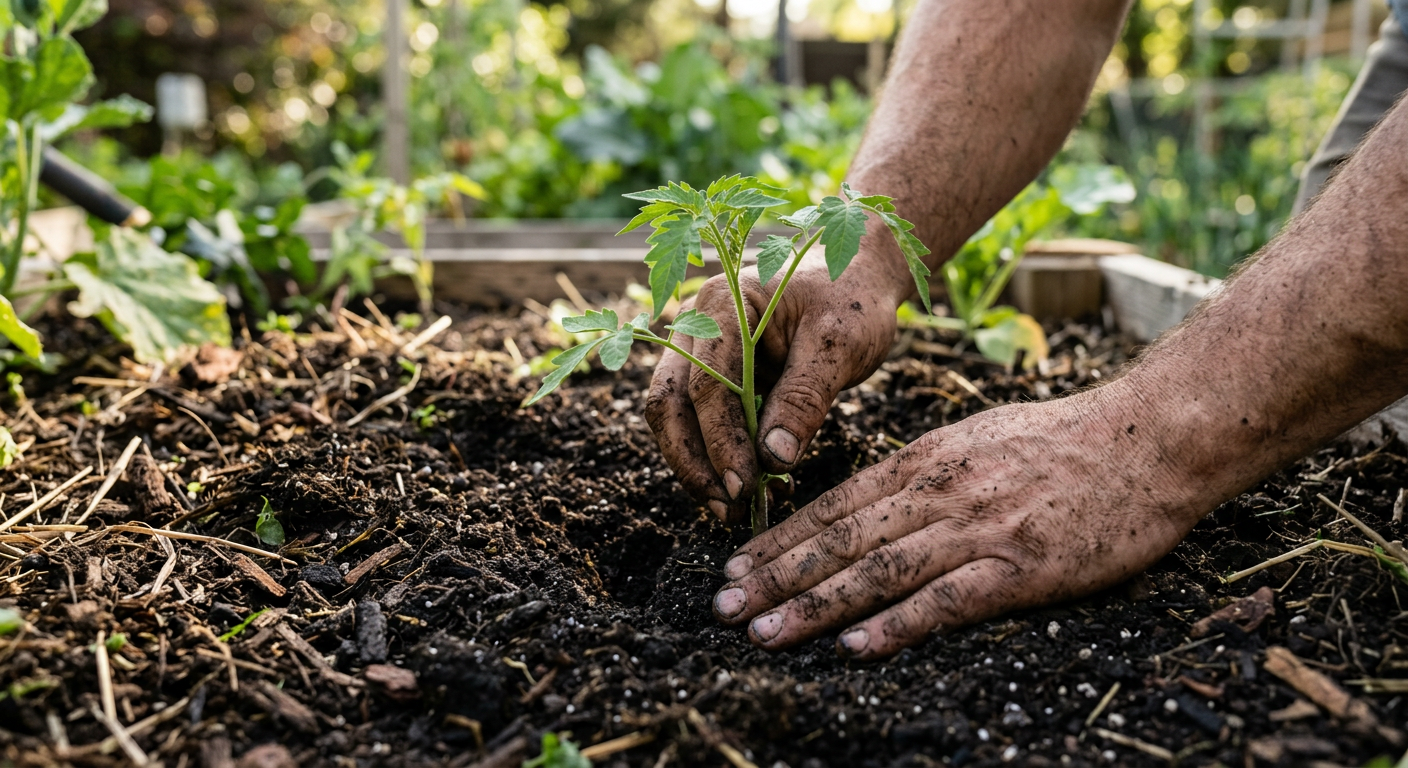
Pests are drawn to weak, stressed plants. Strong plants, grown in nutrient-rich, living soil, have better natural defenses. Before you even think about pests, think about your soil.
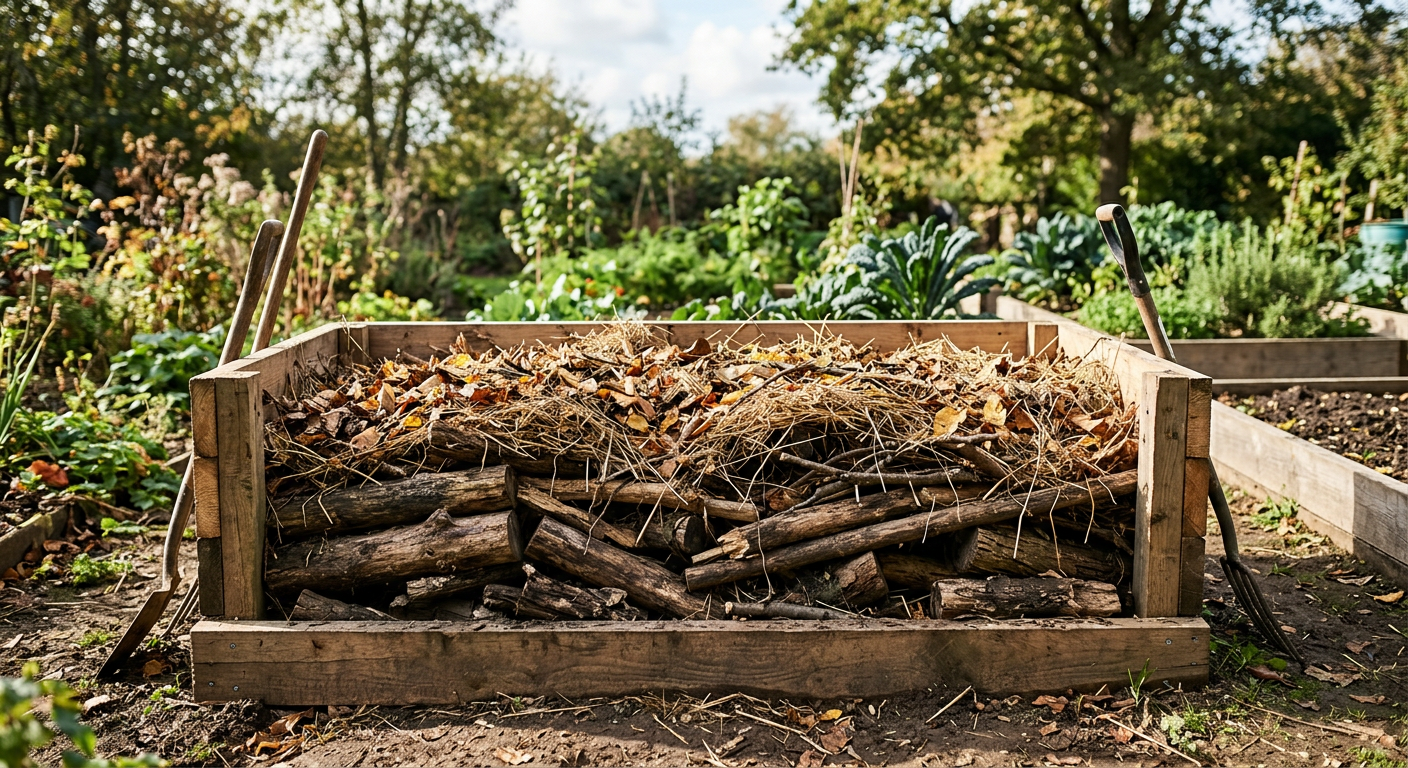
We amend our beds every single season with 2-3 inches of our own compost. This isn’t just about fertilizer; it’s about creating a complex ecosystem of microbes that support plant health from the roots up. If you don’t have a compost pile yet, start one. It’s the single best thing you can do for your garden.
Use Physical Barriers
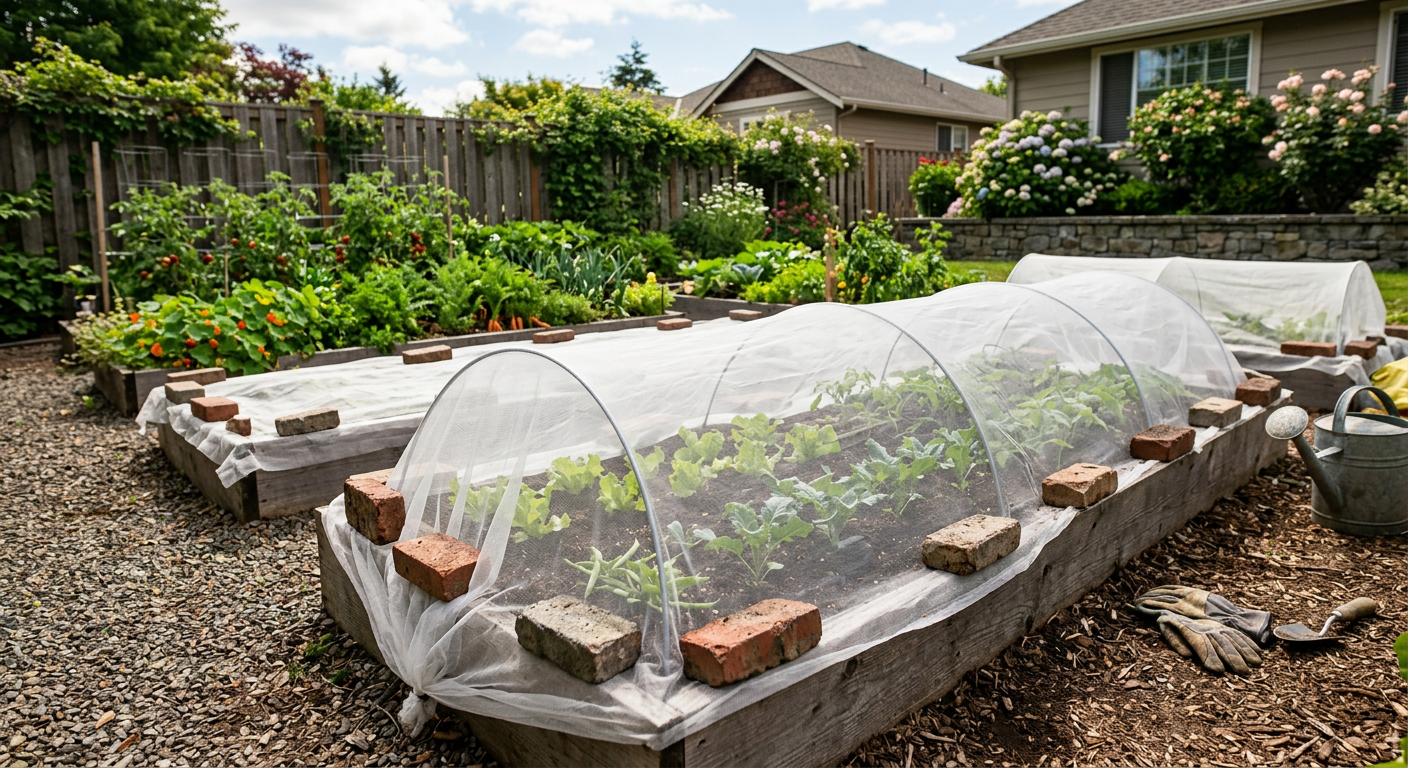
After that cabbage massacre I mentioned, I went out and spent about $40 on a huge roll of Agribon AG-19 floating row cover. It was a game-changer. It’s a lightweight fabric that lets in sun, air, and water, but physically blocks cabbage moths, squash vine borers, and flea beetles from laying their eggs on your plants.
* For Brassicas (broccoli, cabbage, kale): Cover them with row cover from the day you plant them. Secure the edges with soil or rocks. Don’t take it off.
* For Squash & Cucumbers: Cover them until they start to flower. Then you have to uncover them so pollinators can get in. This gives them a strong, pest-free start.
This simple, physical barrier is one of the most effective pest control methods for a backyard vegetable garden you can implement.
Next up, let’s talk about recruiting an army to fight for you.
—
Building an Army: Companion Planting & Beneficials
You can’t be in your garden 24/7, but your insect allies can be. We intentionally design our garden to be a haven for the good guys.
Plant Trap Crops & Deterrents
This is about being clever. Some plants can lure pests away from your main crops, while others simply repel them. It’s not magic, but it makes a noticeable difference.
* Nasturtiums: We plant these around the edges of our tomato and squash beds. Aphids LOVE them. They’ll flock to the nasturtiums, leaving your other plants alone. They are our #1 trap crop.
* Marigolds: The scent of some varieties of French Marigolds can deter nematodes in the soil and other pests above ground. We tuck them in everywhere.
* Aromatic Herbs: Pests hunt by smell. Planting pungent herbs like basil, rosemary, dill, and mint can confuse them. We have a whole section of our garden dedicated to perennial herbs that serve double duty for our kitchen and for pest control.
Attract a Predator Force
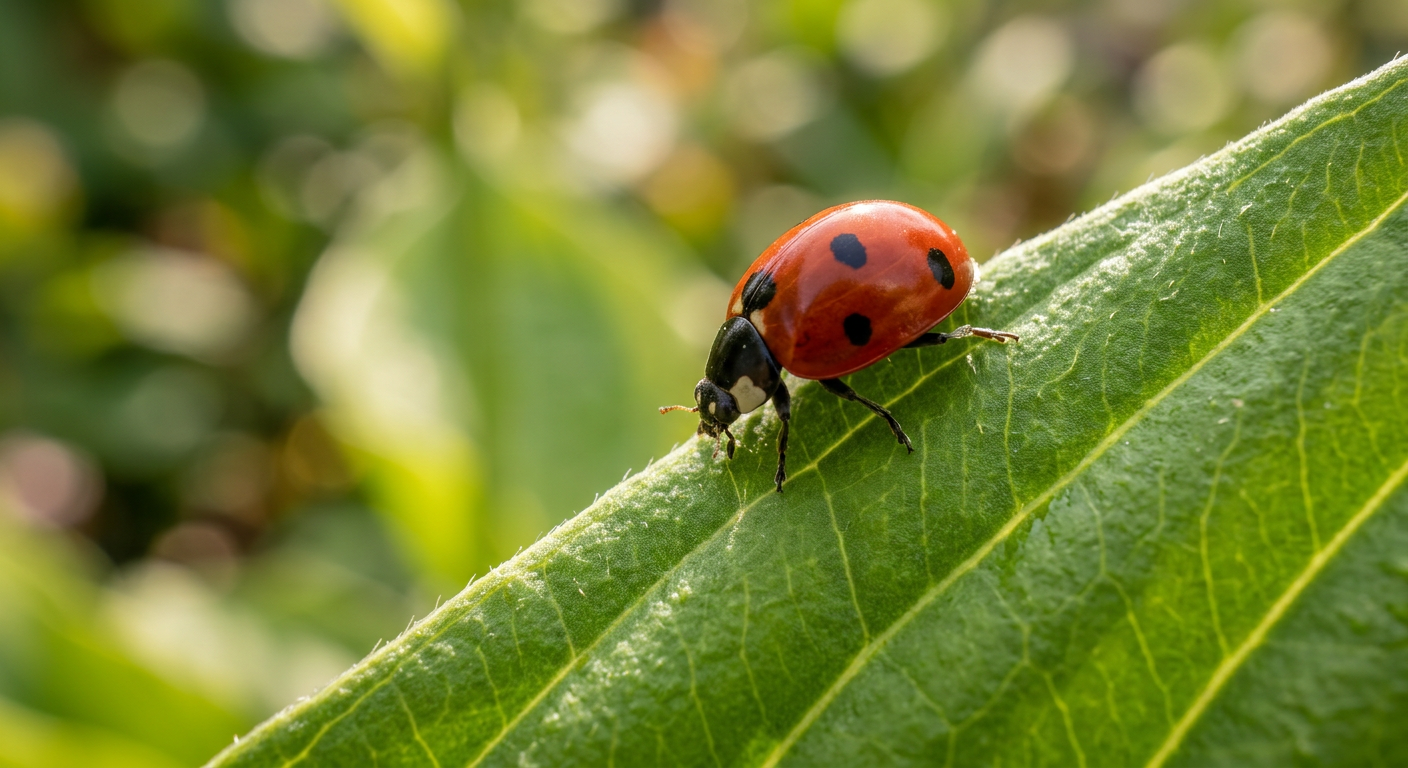
Ladybugs, lacewings, parasitic wasps, and praying mantises are voracious predators of garden pests. Last summer, I watched a tiny ladybug larva—which looks like a miniature black and orange alligator—devour dozens of aphids on my kale plants. It was amazing.
To attract them, plant small-flowered plants that provide the nectar and pollen they feed on as adults:
* Dill
* Fennel
* Cilantro (let some go to flower)
* Yarrow
* Sweet Alyssum
Don’t buy ladybugs online! Many are wild-harvested unethically and they usually just fly away. It’s far better to create a habitat that attracts your local native population.
But sometimes, you just have to get your hands dirty.
—
Getting Your Hands Dirty: Manual Pest Control Methods
This is the least glamorous but most important daily task. It’s you, the pest, and a bucket of soapy water. No sprays, no chemicals. Just pure, mechanical removal.
The Daily Hunt
Every morning, with my coffee in hand, I do a five-minute patrol. I check the undersides of leaves, the stems, and new growth. This is when you find things early.
* Squash Bugs: We hunt for the adults and their little bronze-colored egg clusters on the underside of squash leaves. We scrape the eggs into a bucket of soapy water. We spent so much time on this that we started calling it our “garden treasure hunt.” It’s oddly satisfying to find a big cluster. Planning for tasks like these is a core homesteading skill, and something we cover in depth in our HomesteadOS planning system.
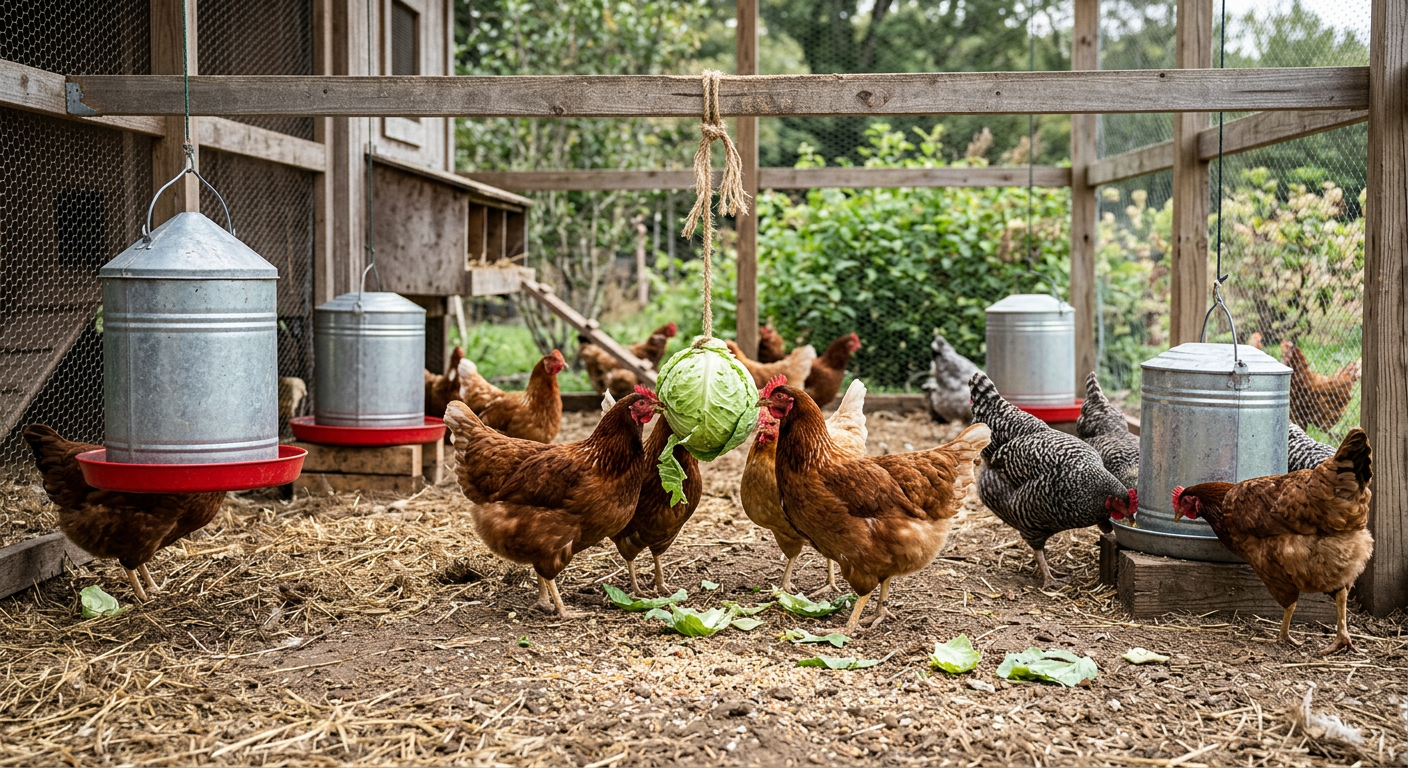
* Tomato Hornworms: These things are huge but blend in perfectly. Look for their tell-tale droppings (black, barrel-shaped balls) on the leaves below, then look up. Once you spot one, just pick it off and drop it in the soapy water. Or, if you’re raising chickens, they consider it a five-star snack.
* Aphids: A strong blast of water from the hose is often enough to knock them off. Do this in the morning so the plants have time to dry.
This hands-on approach is the core of our pest control methods for a backyard vegetable garden.
When the bugs are winning the war, it’s time to escalate—but carefully.
—
!A ladybug on a leaf as a natural example of pest control methods backyard vegetable garden.
When to Escalate: Our Go-To Organic Sprays
Sometimes, despite your best efforts, an infestation gets out of control. This is when we turn to a few trusted organic options. We use these sparingly, as a last resort. Always spray in the late evening when beneficial pollinators are not active to minimize harm.
Insecticidal Soap
This is for soft-bodied insects like aphids, mites, and whiteflies. It works by disrupting their outer cell membrane. You can buy commercial versions, or make your own by mixing a few drops of pure castile soap (like Dr. Bronner’s, NOT dish soap) into a spray bottle of water. Always test on a single leaf first to make sure it doesn’t burn your plant.
Neem Oil
Neem oil is a powerhouse. It’s not a knockdown killer; it works by disrupting the pest’s life cycle. It messes with their hormones, stops them from feeding, and acts as a repellent. It’s effective against everything from squash bugs to powdery mildew. It stinks, but it works. We buy a bottle of 100% cold-pressed neem oil concentrate for about $20 and it lasts us the whole season. You’ll need a dedicated garden sprayer, which is one of the essential homesteading tools we recommend buying early.
Bacillus thuringiensis (Bt)
This is our secret weapon against those cabbage loopers and other caterpillars. Bt is a naturally occurring soil bacterium that, when ingested by a caterpillar, destroys its digestive system. It’s highly specific and does not harm humans, pets, or beneficial insects. You mix the powder with water and spray it on the leaves of affected plants. It’s a lifesaver for our broccoli and kale crops.
These are powerful pest control methods for a backyard vegetable garden, so use them wisely.
Keep reading — this is where most people mess up.
—
💡 Pro Tips
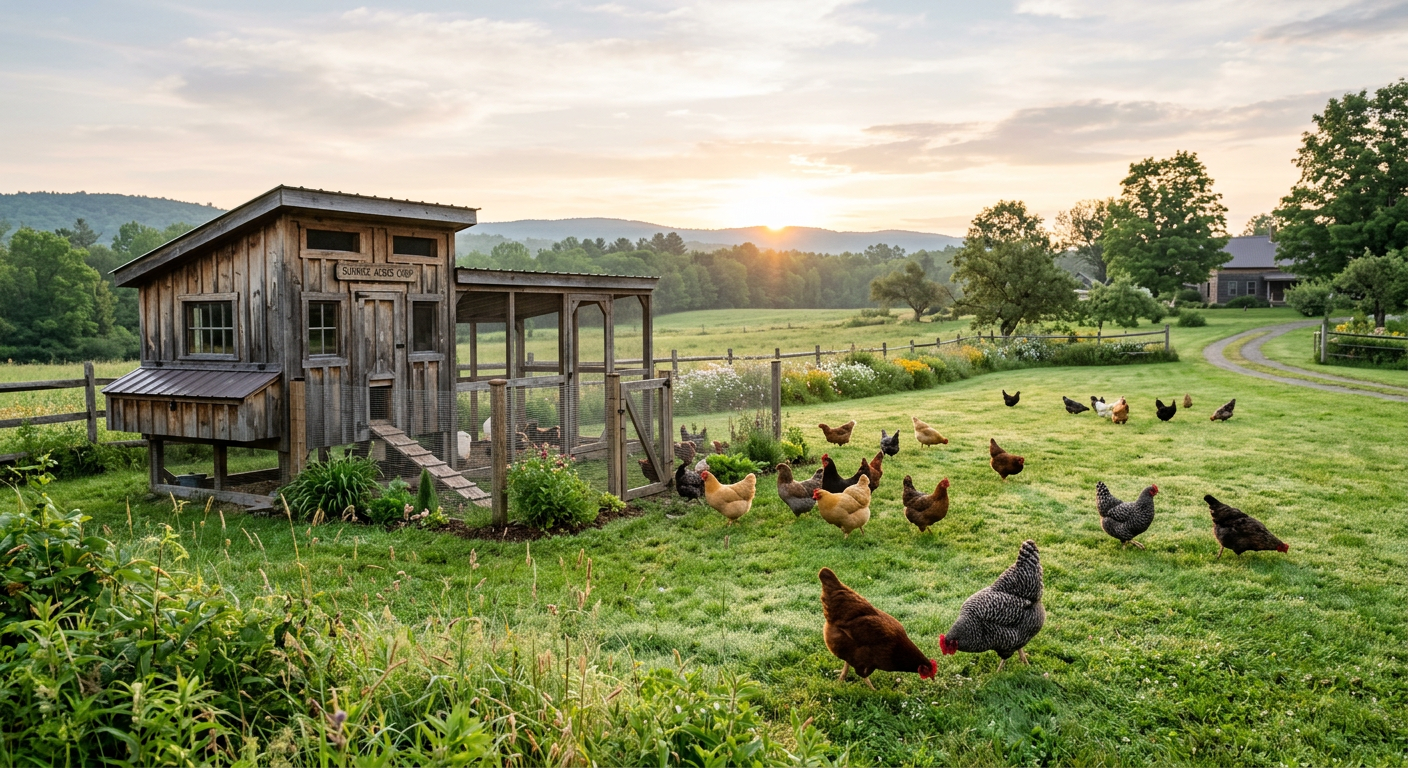
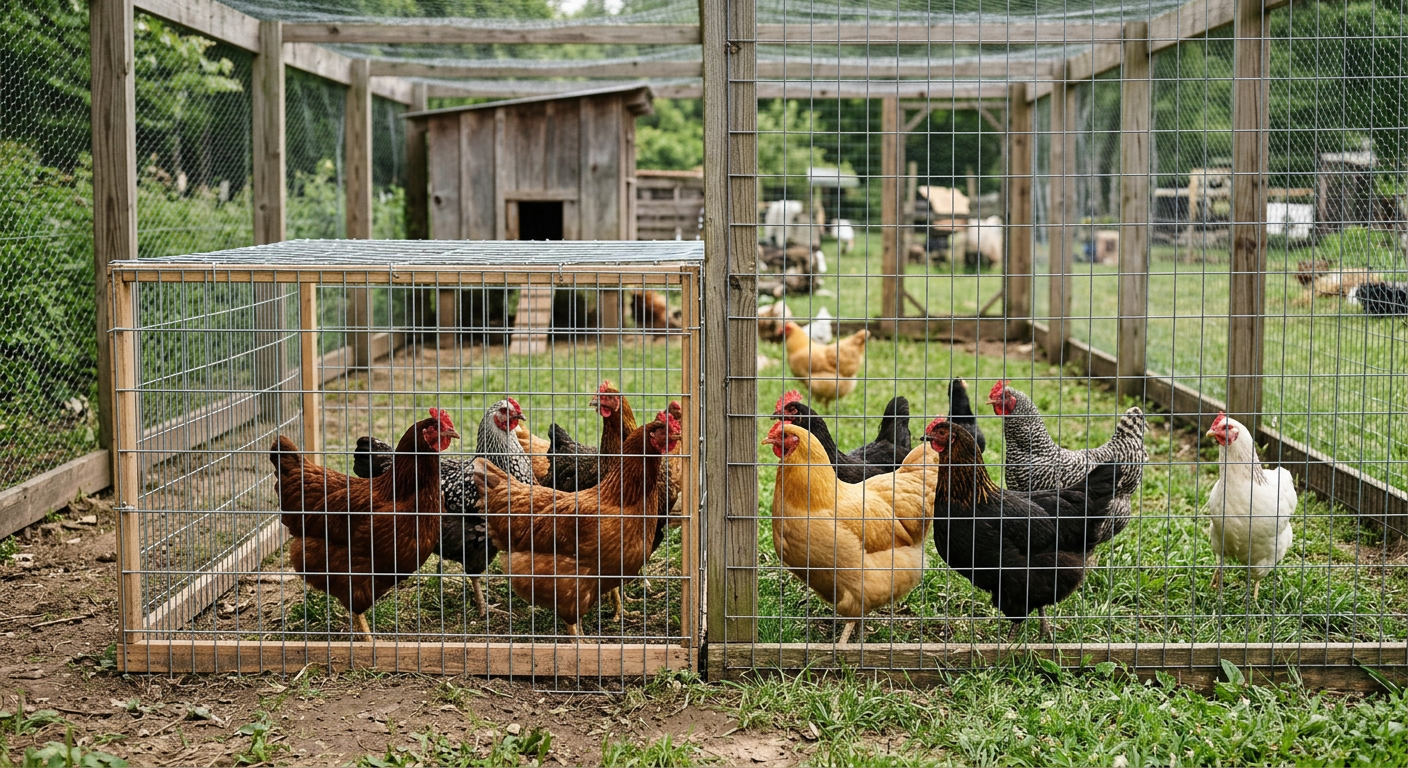
* Use Chickens: In the fall, after our final harvest, we let our flock of chickens into the garden area. They spend a few weeks scratching, digging, and eating up dormant pests, pupae, and weed seeds. A movable chicken tractor is perfect for targeted cleanup during the season, too.
* Identify Before You Act: Don’t just spray at the first sign of a bug. Is it a pest or a predator? Take a picture, look it up. The USDA’s Pest Identification page is a great resource. Misidentifying can lead you to kill the very insects that are there to help.
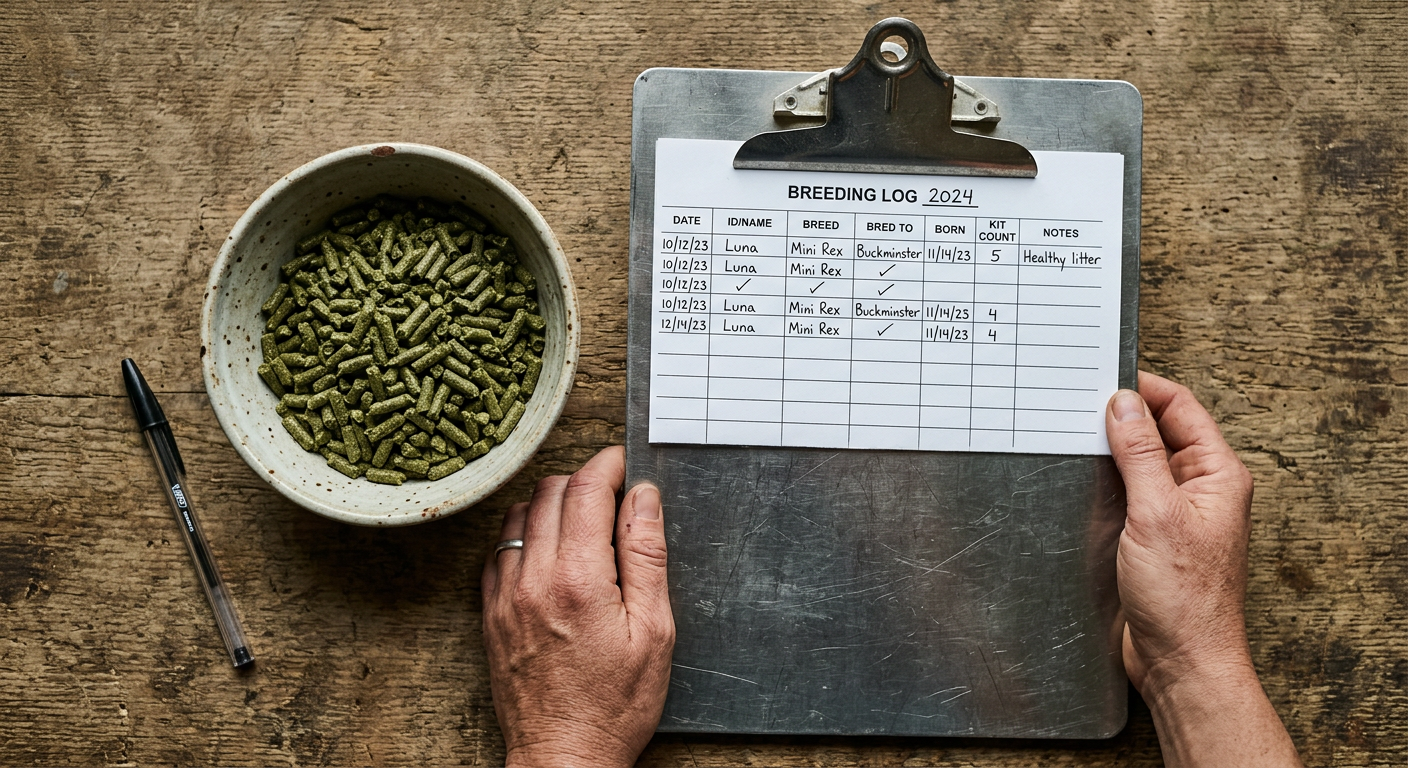
* Keep a Journal: We learned the hard way that memory is fickle. Note when pests appear, what you did, and how it worked. After a few seasons, you’ll have a personalized playbook for your specific garden’s challenges.
* Sacrifice a Plant: If one plant is absolutely infested beyond saving, pull it. Don’t let it be a breeding ground that infects the rest of your garden. It’s a tough choice, but it’s often the right one.
—
⚠️ Beginner Mistakes to Avoid
We’ve made all of these. Learn from our pain.
—
Frequently Asked Questions
H3: What is the single best natural pesticide for vegetable gardens?
There isn’t one single “best” one. The best approach is Integrated Pest Management (IPM), which uses all the methods described here. If I had to pick one spray, it would be Neem oil because it’s broad-spectrum (works on insects and fungus) and works systemically, but the actual best method is daily hand-picking.
H3: How do I get rid of slugs and snails for good?
They thrive in damp conditions. Water in the morning, remove hiding places like old boards, and create barriers of crushed eggshells or diatomaceous earth around sensitive plants. A shallow dish of beer, set flush with the soil, is an old-time trap that works amazingly well. They crawl in and drown.
H3: How do I get rid of aphids on my vegetable plants naturally?
First, try a strong blast of water from a hose to knock them off. If they return, attract ladybugs by planting dill and yarrow. As a last resort, use an insecticidal soap spray in the evening, focusing on the undersides of the leaves where they congregate.
H3: Will homemade pest spray harm my plants?
It can. That’s why you must always test it on a small, single leaf 24 hours before spraying the whole plant. Ingredients matter—using dish soap with degreasers can strip a leaf’s protective waxy coating. Always use pure soap like castile soap for DIY sprays.
!Physical barriers like row covers used for pest control methods backyard vegetable garden.
It’s a Battle, But One You Can Win
Fighting pests in the garden isn’t a one-time fix; it’s an ongoing dance. Some years, the squash bugs will win a few rounds. Other years, you’ll feel like a genius. The goal isn’t a sterile, bug-free environment. The goal is a balanced ecosystem where the good guys keep the bad guys in check, and you get to harvest the rewards.
It takes time, observation, and getting your hands dirty. But the satisfaction of eating a tomato from a plant you defended from a hornworm? That’s a taste of victory.
We share more of our day-to-day wins and losses over on our Facebook page — we’d love to have you follow along.
What’s the one pest that drives you absolutely crazy in your garden? Share your nemesis in the comments below!
📚 More From Our Homestead
- Start a Worm Compost Bin in a Small Apartment? YES!
- Low Cost Off-Grid Heating: Our Honest Guide
- Our Sourdough Cottage Industry: Selling Bread From Home
- 5 Essential Skills for a Self-Sufficient Homestead
- Breeding Rabbits for Meat Production: Our Max Yield Guide
Ready to Start Your Homestead Journey?
Free guides, checklists, and tools to help you build your dream homestead.